Texas Rainbow Cactus (Echinocereus Dasyacanthus)
Texas Rainbow Cactus (Echinocereus dasyacanthus) is a stunning and unique plant with a remarkable ability to thrive in arid environments. Its vibrant.

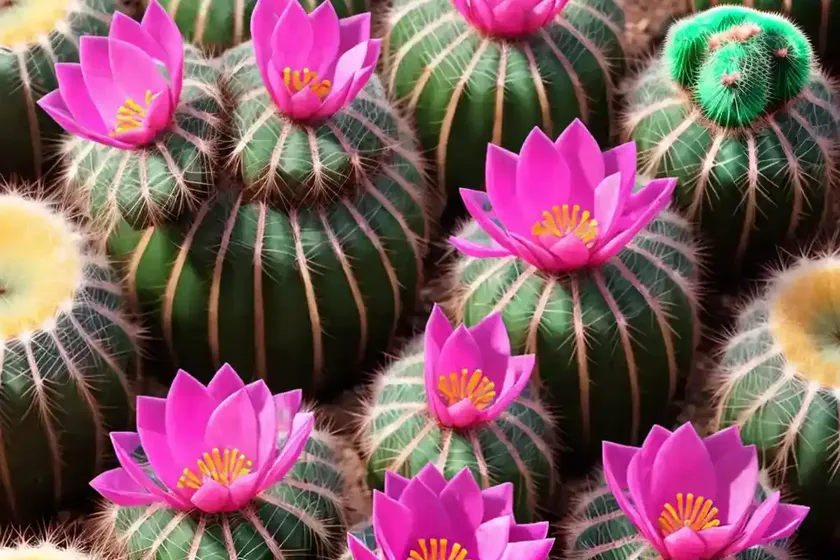
Texas Rainbow Cactus (Echinocereus dasyacanthus) is a stunning and unique plant with a remarkable ability to thrive in arid environments. Its vibrant colors and low-maintenance nature make it a popular choice for both experienced and novice gardeners. In this in-depth guide, we will explore all aspects of caring for Texas Rainbow Cactus, from its cultural significance to its growth requirements and beyond.
What is Texas Rainbow Cactus (Echinocereus dasyacanthus)?
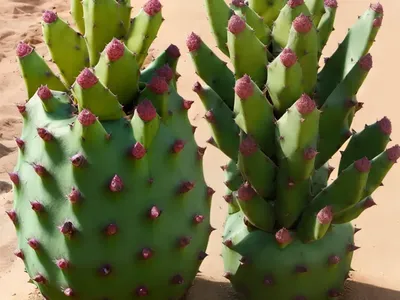
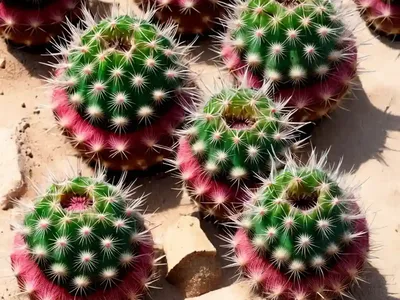
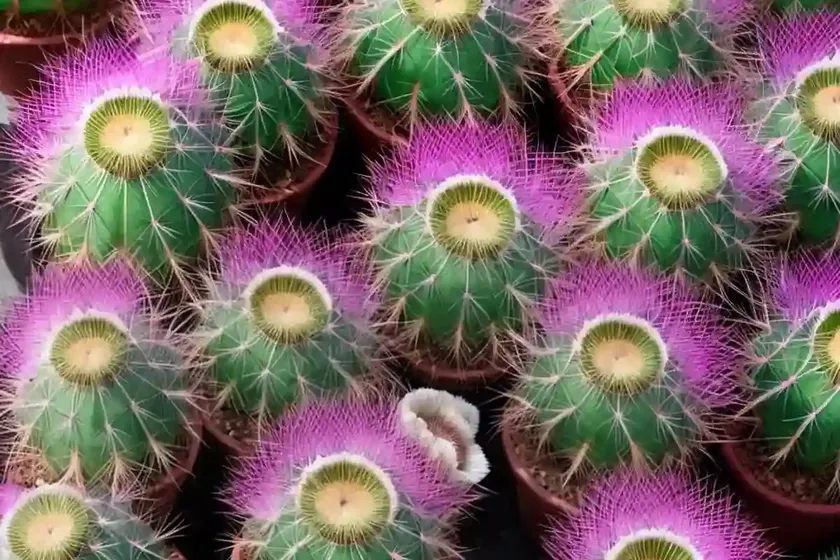
Texas Rainbow Cactus, scientifically known as Echinocereus dasyacanthus, is a species of cactus native to Texas, specifically found in the Edwards Plateau and Trans-Pecos regions. This captivating cactus is characterized by its striking blooms, which feature a vibrant range of colors, including shades of pink, orange, and yellow. The plant’s cylindrical stems are adorned with prominent ribs and spines, adding to its visual appeal.
Key Takeaways – Texas Rainbow Cactus (Echinocereus dasyacanthus)
Before delving into the specific care requirements for Texas Rainbow Cactus, let’s take a look at some key takeaways regarding this remarkable plant:
- Scientific Name: Echinocereus dasyacanthus
- Common Name: Texas Rainbow Cactus
- Native Habitat: Texas, Edwards Plateau, and Trans-Pecos regions
- Distinctive Features: Vibrant, multi-colored blooms; cylindrical stems with ribs and spines
Culture
Understanding the cultural context of Texas Rainbow Cactus is crucial for creating an optimal environment for its growth and well-being. This section will cover the cultural significance of the plant and its traditional uses.
Uses
Texas Rainbow Cactus has significant cultural and ecological value. Traditionally, indigenous communities have used various parts of the cactus for medicinal, culinary, and ceremonial purposes. The plant’s stunning blooms also make it a sought-after ornamental addition to gardens and landscapes, adding a touch of vibrant color to arid environments.
Water
One of the most critical aspects of caring for Texas Rainbow Cactus is its water requirements. As a desert-native plant, it is highly adapted to arid conditions and has low water needs. Overwatering can lead to root rot and other issues, so it is essential to maintain a watering schedule that mimics the plant’s natural habitat.
Sunlight
Texas Rainbow Cactus thrives in full sun conditions, making it an ideal choice for xeriscapes and arid gardens. When cultivating this plant, it is crucial to provide it with ample sunlight to support its growth and encourage prolific blooming.
Fertilizer
Given its natural habitat, Texas Rainbow Cactus does not require frequent fertilization. In fact, excessive use of fertilizer can harm the plant. A balanced, low-nitrogen fertilizer applied sparingly during the growing season is generally sufficient to meet the plant’s nutritional needs.
Soil
Well-draining, sandy soil with minimal organic matter is ideal for Texas Rainbow Cactus. The plant is adapted to thrive in nutrient-poor conditions, so a soil mix formulated specifically for cacti and succulents is recommended to ensure proper drainage and aeration.
Pruning
While Texas Rainbow Cactus typically requires minimal pruning, removing dead or damaged tissue can help maintain the plant’s overall health and appearance. However, caution should be exercised when handling the cactus to avoid injury from its spines.
Propagation
Propagation of Texas Rainbow Cactus can be achieved through several methods, including seed sowing, offsets, and stem cuttings. Each method has its own advantages and considerations, and the chosen propagation technique should align with the grower’s goals and resources.
Container Popularity
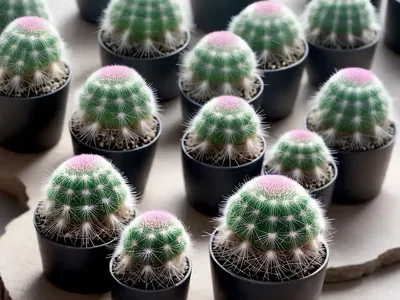
Texas Rainbow Cactus is well-suited for container gardening, making it a versatile choice for individuals with limited outdoor space. When grown in containers, it is essential to select a well-draining pot and provide the plant with proper sunlight and airflow.
Common Diseases
As with any plant, Texas Rainbow Cactus is susceptible to certain diseases and disorders. Being familiar with common issues can help growers identify and address problems promptly, safeguarding the health of their cacti.
Disease Diagnosis
Diagnosing diseases in Texas Rainbow Cactus can be challenging, as symptoms may vary depending on the specific issue. However, common indicators of disease include discoloration, wilting, and unusual growth patterns. Careful observation and proactive measures can aid in early detection and treatment.
Common Pests
While Texas Rainbow Cactus is relatively resilient against pests, it can occasionally face infestations from insects such as scale and mealybugs. Implementing preventive strategies and promptly addressing pest problems can help protect the plant from significant damage.
Botanist’s Tips
To further enhance the understanding and cultivation of Texas Rainbow Cactus, we have compiled a list of specialized tips from expert botanists and horticulturists. These insights offer valuable guidance for maximizing the plant’s potential and ensuring its long-term health.
- *Optimal Temperature: * Maintain temperatures between 60-85°F (15-29°C) for robust growth and blooming.
- *Winter Care: * Provide protection from frost and excessive moisture during the winter months to prevent cold-related damage.
- *Environmental Mimicry: * Mimic the plant’s natural habitat by recreating dry, sunny conditions in the cultivation environment.
- *Watering Considerations: * During the winter dormancy period, reduce watering to mimic the plant’s natural growth cycle.
Fun Facts
As we continue to explore the captivating world of Texas Rainbow Cactus, let’s delve into some fascinating and lesser-known facts about this extraordinary plant.
- The vibrant blooms of Texas Rainbow Cactus serve as a vital food source for pollinators such as bees and butterflies, contributing to local ecosystem diversity.
- Indigenous communities have traditionally used various parts of the cactus for medicinal purposes, employing its properties to address a range of ailments.
- Texas Rainbow Cactus is classified as a drought-tolerant plant, making it an excellent choice for water-wise landscaping and xeriscapes.
Links to External Resources
For further enrichment and detailed insights into Texas Rainbow Cactus, we recommend exploring the following external resources:
- The Cactus and Succulent Society of America
- Texas A&M AgriLife Extension – Cacti and Succulents
- International Union for Conservation of Nature (IUCN) Red List – Echinocereus dasyacanthus
By utilizing these resources, enthusiasts and horticulturists can gain profound insights, expand their knowledge, and connect with fellow enthusiasts within the plant community.
In conclusion, Texas Rainbow Cactus (Echinocereus dasyacanthus) stands as a symbol of resilience and natural beauty, captivating enthusiasts with its vibrant blooms and adaptability to arid conditions. By integrating the comprehensive guidance outlined in this guide, individuals can embark on a rewarding journey of cultivating and caring for this remarkable plant, fostering its flourishing growth and timeless allure.