Little Candles (Mammillaria Prolifera)
Welcome, fellow plant enthusiasts! Today, we’re going to delve into the delightful world of the Little Candles Cactus, scientifically known as Mammillaria.
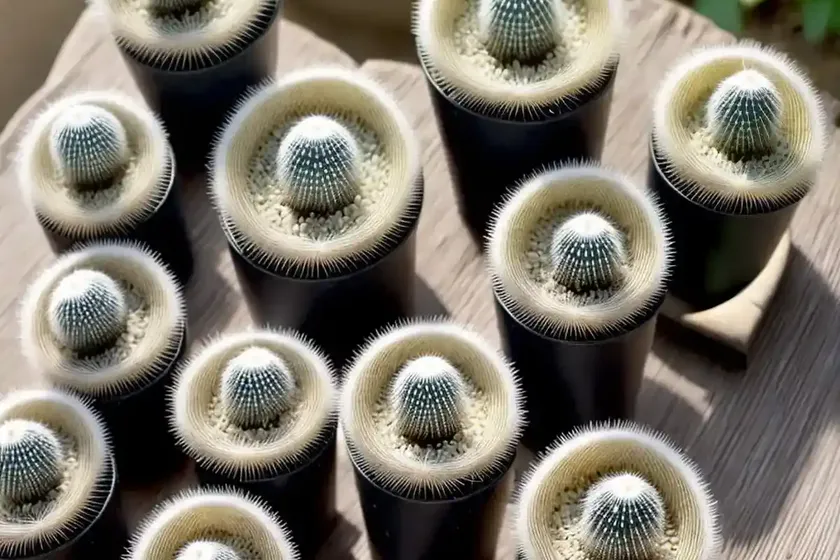
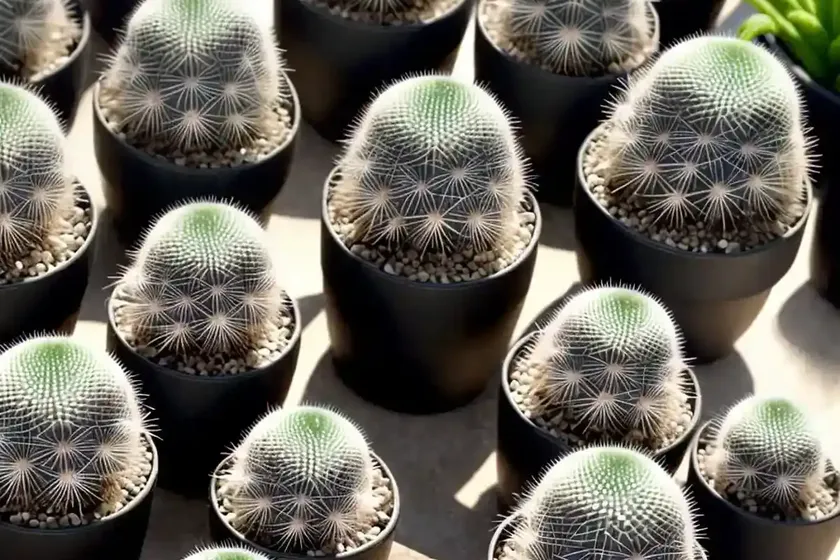
Welcome, fellow plant enthusiasts! Today, we’re going to delve into the delightful world of the Little Candles Cactus, scientifically known as Mammillaria prolifera. This charming succulent boasts unique features and easy-care requirements, making it an excellent addition to any plant lover’s collection. Whether you’re a seasoned gardener or just starting your green journey, this comprehensive care guide will equip you with the knowledge and skills to cultivate vibrant and healthy Little Candles Cacti.
What is the Little Candles Cactus (Mammillaria prolifera)?
The Little Candles Cactus, or Mammillaria prolifera, is a captivating species of cactus native to Mexico and other regions of Central America. As a member of the Cactaceae family, this petite succulent is renowned for its cylindrical, clustered stems. These cylindrical stems resemble small, cylindrical candles, inspiring its charming common name.
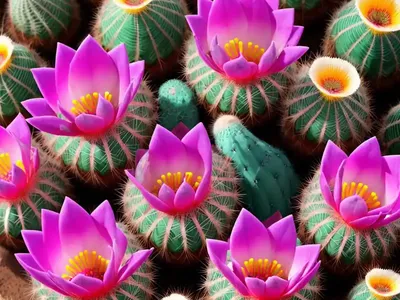
Mammillaria prolifera typically features white to creamy-yellow spines and produces vibrant flowers in shades of pink, red, or yellow. With its compact size and low maintenance needs, the Little Candles Cactus has become a popular choice for both indoor and outdoor cultivation, adding a touch of desert beauty to diverse settings.
Key Takeaways – Little Candles Cactus (Mammillaria prolifera)
Before we dive into the specifics of Little Candles Cactus care, let’s outline the key takeaways for this delightful succulent:
- Scientific Name: Mammillaria prolifera
- Common Name: Little Candles Cactus
- Family: Cactaceae
- Native Region: Mexico, Central America
- Distinct Features: Cylindrical, clustered stems resembling small candles, white to creamy-yellow spines, vibrant flowers in pink, red, or yellow hues
- Popularity: Widely favored for its ornamental appeal and minimal maintenance requirements
Now, let’s explore the essential care aspects to ensure the thriving growth of the Little Candles Cactus.
Culture
Uses
The Little Candles Cactus holds significant value as an ornamental plant, enhancing indoor and outdoor spaces with its unique charm and visual appeal. Its compact size and striking blooms make it an excellent choice for:
- Indoor décor and windowsill displays
- Rock gardens and arid landscapes
- Container gardens and succulent arrangements
Beyond its decorative uses, Mammillaria prolifera positively contributes to the overall ambiance of any living space or garden, infusing it with a touch of natural elegance and desert-inspired beauty.
Water
Proper watering practices are crucial for the health and vitality of the Little Candles Cactus. As a desert-native succulent, Mammillaria prolifera is adapted to arid conditions and thrives in well-draining, infrequent watering routines. Overwatering can lead to root rot and other moisture-related issues, so it’s essential to adhere to a conservative watering schedule.
Here are some key points to keep in mind regarding watering:
- Frequency: Water deeply but infrequently, allowing the soil to dry out completely between watering sessions.
- Watering Method: Use the soak-and-dry approach, thoroughly saturating the soil and allowing excess water to drain out of the pot’s drainage holes.
- Seasonal Adjustments: During the active growing season in spring and summer, water more regularly, while reducing frequency during the cooler months of fall and winter to mimic the plant’s natural dormancy period.
Maintaining a mindful balance with watering will help promote robust growth and prevent potential water-related complications.
Sunlight
Proper sunlight exposure is vital for the overall well-being of the Little Candles Cactus. Given its desert origins, Mammillaria prolifera thrives when provided with ample sunlight and warm temperatures. When cultivating this charming succulent, consider the following sunlight-related guidelines:
- Light Requirements: Place the Little Candles Cactus in a bright, sunny location where it can receive at least 6-8 hours of direct sunlight per day. South- or west-facing windows often provide ideal light conditions for indoor plants.
- Outdoor Cultivation: If growing outdoors, ensure that the cactus is positioned in a spot with ample sunlight and shelter from excessive rainfall to prevent waterlogged soil.
By meeting its sunlight needs, you can encourage robust growth and vibrant flowering in the Little Candles Cactus, allowing it to thrive in its chosen environment.
Fertilizer
While the Little Candles Cactus is relatively low-maintenance, periodic fertilization can support its overall health and bloom production. However, it’s crucial to approach fertilization with care and attentiveness to prevent overfeeding, which can harm the plant.
Here are some essential points to consider when fertilizing Mammillaria prolifera:
- Fertilization Schedule: Apply a balanced, water-soluble fertilizer formulated for cacti and succulents during the active growing season in spring and summer. Refrain from fertilizing during fall and winter, as the plant enters its natural dormancy period.
- Dilution and Frequency: Dilute the fertilizer to half strength and apply it every 4-6 weeks to avoid overwhelming the plant with concentrated nutrients.
Adhering to a conservative and well-timed fertilization regimen will support healthy growth and enhance the Little Candles Cactus’s ornamental features.
Soil
Optimal soil conditions play a pivotal role in nurturing the Little Candles Cactus and promoting its overall well-being. As a desert succulent, Mammillaria prolifera thrives in well-draining, nutrient-rich soil that mimics its native habitat’s arid characteristics.
Consider the following soil-related recommendations for cultivating this charming cactus:
- Well-Draining Medium: Choose a commercial cactus or succulent potting mix with excellent drainage properties, or create a custom blend by combining coarse sand, perlite, and well-draining soil.
- Aeration and Texture: Ensure that the selected soil medium is airy and loose, providing ample aeration and preventing water retention.
- Container Drainage: When planting the cactus in a container, opt for pots with drainage holes to facilitate excess water removal and prevent waterlogged soil.
By creating an optimal soil environment, you can support the Little Candles Cactus’s root health and overall growth while minimizing the risk of moisture-related issues.
Pruning
As a low-maintenance succulent, the Little Candles Cactus typically requires minimal pruning beyond occasional grooming to remove dead or damaged stems and spent flowers. Pruning practices for Mammillaria prolifera commonly focus on:
- Dead Stem Removal: Trim off dried, shriveled, or discolored stems to maintain the cactus’s aesthetic appeal and prevent potential disease spread.
- Spent Flower Removal: Pinch or snip off faded flowers at their base to encourage continued bloom production and maintain the plant’s tidy appearance.
When conducting any pruning activities, be mindful of the cactus’s spines and handle it with caution to avoid injury. Regular grooming can help keep the Little Candles Cactus looking neat and vibrant, contributing to its overall visual allure.
Propagation
For plant enthusiasts interested in expanding their Little Candles Cactus collection or sharing its beauty with others, propagation offers an exciting opportunity to cultivate new specimens from existing plants. Mammillaria prolifera can be propagated through various methods, including:
- Offsets: Commonly known as “pups,” offsets are small, cluster-like growths that emerge from the base of the parent plant. To propagate using offsets, carefully detach them from the main stem and allow the cut ends to callus before planting them in a well-draining soil mix.
- Seeds: Propagation from seeds entails harvesting mature seeds from the cactus’s fruit and sowing them in a suitable, well-draining soil medium. With proper care and favorable conditions, the seeds will germinate and develop into new cactus seedlings.
By exploring propagation techniques, you can expand your Little Candles Cactus collection, nurture new plants, and share the joy of cultivating these charming succulents with fellow plant enthusiasts.
Container Popularity
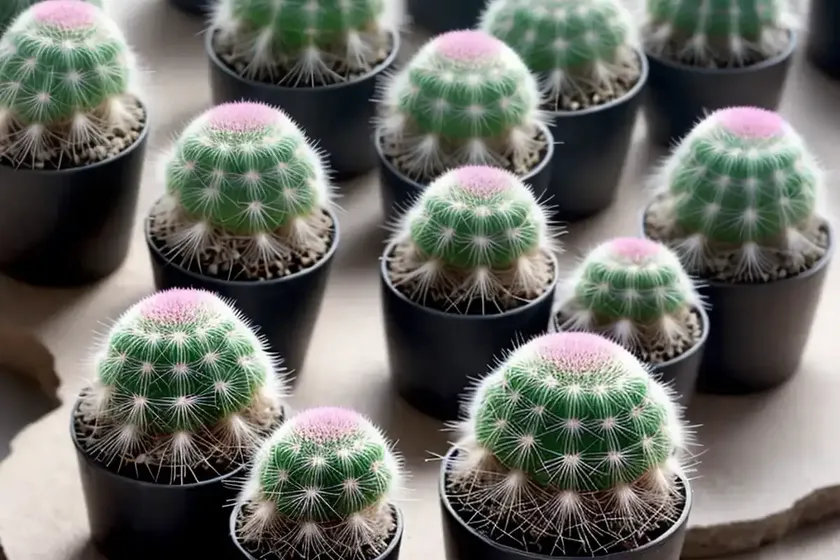
The captivating allure of the Little Candles Cactus has made it a popular choice for container cultivation, both indoors and outdoors. Its compact size, intriguing appearance, and minimal care needs make it an excellent candidate for various container gardening styles, including:
- Indoor Décor: Enhance interior spaces with the striking presence of Mammillaria prolifera, showcasing its unique form and occasional flowering as part of indoor décor and plant displays.
- Succulent Arrangements: Incorporate the Little Candles Cactus into succulent arrangements and terrariums, capitalizing on its charming aesthetic and compatibility with diverse succulent species.
- Container Gardens: Cultivate vibrant outdoor container gardens featuring the Little Candles Cactus, complementing its ornamental appeal with other desert plants and succulents in outdoor living spaces.
The versatility and visual appeal of container-grown Little Candles Cacti make them a favored choice for plant enthusiasts seeking to introduce captivating succulents into their living spaces and gardens.
Common Diseases
While the Little Candles Cactus is generally resilient and disease-resistant, certain environmental stressors or care-related issues can make it susceptible to specific health concerns. Understanding and promptly addressing common diseases can safeguard the cactus’s well-being and promote its long-term vitality.
- Root Rot: Excessive moisture, typically resulting from overwatering or poorly draining soil, can lead to root rot in Mammillaria prolifera. Symptoms include wilting, yellowing or browning of lower stems, and a foul odor emanating from the soil. To address root rot, it’s crucial to adjust the watering routine, improve soil drainage, and, if necessary, propagate healthy stem segments to salvage the plant’s vitality.
- Powdery Mildew: Fungal infections, such as powdery mildew, may manifest as powdery white spots on the cactus’s stems or flowers. Controlling humidity levels and ensuring proper air circulation can help prevent powdery mildew. If detected, prompt treatment with a suitable fungicide can mitigate the infection and protect the plant.
- Cactus Rot: Overexposure to moisture or prolonged contact with damp soil can cause cactus rot, leading to mushy, discolored, or collapsing stems. Adjusting the watering regime and providing well-draining soil can help address and prevent cactus rot, promoting the cactus’s recovery.
By monitoring the plant’s health, implementing proactive care measures, and addressing any potential diseases promptly, you can preserve the Little Candles Cactus’s vigor and safeguard it against common health challenges.
Disease Diagnosis
Prompt and accurate diagnosis of plant diseases is essential for ensuring effective treatment and safeguarding the overall health of the Little Candles Cactus. When assessing potential diseases, consider the following diagnostic steps to identify and address health concerns:
- Symptom Assessment: Observe the cactus for any unusual signs, such as wilting, discoloration, or abnormal growth patterns. Pay attention to changes in stem texture, appearance of fungal growth, or foul odors emanating from the soil.
- Environmental Evaluation: Assess the plant’s growing conditions, including sunlight exposure, watering practices, and soil composition. Identify any potential factors contributing to disease development, such as excessive moisture or inadequate air circulation.
- Pathogen Identification: Determine the potential pathogens or environmental stressors responsible for the observed symptoms, such as fungal infections, root rot pathogens, or bacterial concerns.
- Treatment Strategy: Based on the identified disease or health issue, establish a targeted treatment plan, addressing underlying factors, adopting preventative measures, and, if necessary, administering appropriate remedies to promote the cactus’s recovery.
By systematically diagnosing potential diseases and promptly implementing tailored solutions, you can effectively address health concerns and support the Little Candles Cactus’s longevity.
Common Pests
While the Little Candles Cactus is relatively resilient to pests, certain insects and arthropods may pose potential threats to its well-being. Vigilant monitoring and preventative measures can help mitigate pest-related risks and safeguard the cactus’s health.
- Scale Insects: These armored pests may appear as small, waxy bumps on the cactus stems, draining its sap and weakening the plant. Promptly address scale infestations by meticulously removing the pests with a cotton swab dipped in rubbing alcohol.
- Mealybugs: Mealybugs may gather in white, cottony clusters, particularly in the cactus’s joints and crevices, leading to weakened growth and potential disease transmission. Control mealybug populations by gently wiping affected areas with a cotton swab soaked in alcohol or applying a natural insecticidal soap solution.
- Spider Mites: These minuscule arachnids may manifest as webbing or stippling on the cactus’s stems, impacting its overall health and vitality. Combat spider mite infestations through regular monitoring, maintaining adequate humidity levels, and implementing targeted miticides or insecticidal soaps.
By staying attentive to potential pest threats and promptly implementing suitable control measures, you can defend the Little Candles Cactus against pest-related challenges and promote its robust growth.
Botanist’s Tips
As a seasoned botanist with a profound appreciation for succulents, I’ve compiled a set of insightful tips to support the successful cultivation and care of the Little Candles Cactus:
- Mindful Watering: Embrace a conservative watering routine, prioritizing soil dryness and employing well-draining conditions to prevent moisture-related complications.
- Optimized Sunlight: Position the cactus in a bright, sun-drenched location to ensure optimal light exposure, encouraging healthy growth and blooming.
- Balanced Fertilization: Exercise moderation when fertilizing Mammillaria prolifera, applying diluted, balanced fertilizers and adhering to seasonal fertilization schedules.
- Customized Soil Mix: Tailor the soil medium to offer excellent drainage, aeration, and nutrient balance, creating an environment conducive to the cactus’s flourishing.
By integrating these botanist’s tips into your Little Candles Cactus care regimen, you can cultivate thriving, resplendent specimens and deepen your appreciation for these captivating succulents.
Fun Facts
Delight in these intriguing and captivating fun facts about the Little Candles Cactus, adding depth to your understanding and appreciation of this remarkable succulent:
- Radiant Bloom Display: The Little Candles Cactus produces enchanting flowers in vibrant pink, red, and yellow shades, accentuating its appeal with fleeting bursts of color.
- Desert Adaptations: Mammillaria prolifera’s cylindrical stems and clustered growth patterns reflect its adaptations to arid desert environments, where it thrives amidst minimal moisture and harsh temperatures.
- Clustered Formations: The cactus’s growth habits often result in charming, clustered arrangements, resembling a gathering of miniature candles, inspiring its delightful common name.
These captivating fun facts offer a glimpse into the unique qualities and natural charm of the Little Candles Cactus, enriching your experience as a caretaker and admirer of these delightful succulents.
Links to External Resources
In the pursuit of expanding your knowledge and expertise in Little Candles Cactus care, I highly recommend exploring the following external resources:
- Cactus and Succulent Society of America
- Royal Horticultural Society: Cacti and Succulents
- World of Succulents: Mammillaria prolifera
- The Succulent Plant Page: Mammillaria prolifera
- University of Florida IFAS Extension: Cacti and Succulents
These valuable resources offer comprehensive insights, expert guidance, and enriching perspectives on cacti, succulents, and the captivating world of Mammillaria prolifera.
As we conclude this detailed care guide for the Little Candles Cactus (Mammillaria prolifera), I trust that you’ve gained a deeper appreciation for this remarkable succulent and are inspired to cultivate, nurture, and celebrate its natural beauty. By embracing the provided recommendations, incorporating botanist’s tips, and exploring external resources, you can embark on a fulfilling journey of enriching the lives of these captivating desert plants.
Happy gardening and may your Little Candles Cactus thrive and bloom with radiant splendor!