Prickly Pear (Opuntia Monacantha)
Prickly Pear, scientifically known as Opuntia monacantha, is a resilient and versatile plant belonging to the Cactaceae family. Renowned for its.
Introduction: What is Prickly Pear (Opuntia monacantha)
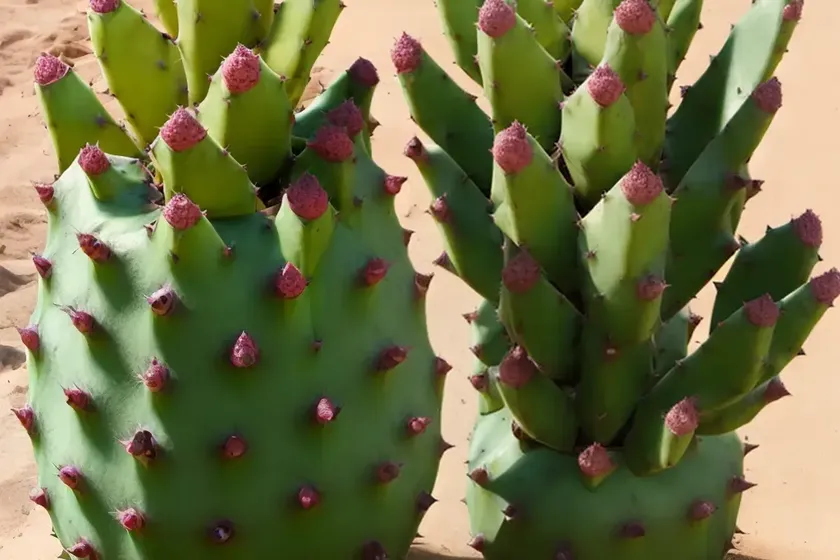
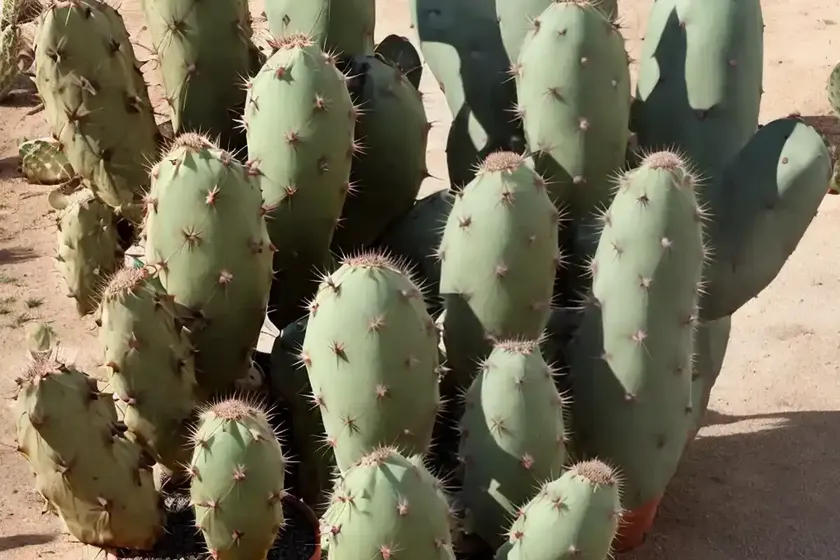
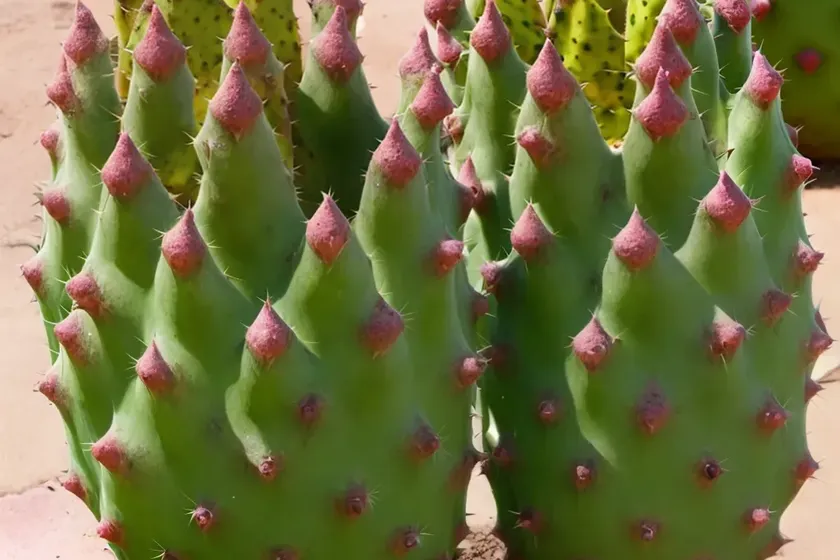
Prickly Pear, scientifically known as Opuntia monacantha, is a resilient and versatile plant belonging to the Cactaceae family. Renowned for its distinctive paddle-shaped stems and showy, vibrant flowers, this plant is a favorite among gardeners and enthusiasts alike.
With its adaptability to various environmental conditions and its multiple uses – from culinary to medicinal – the Prickly Pear has secured its place as a valuable addition to gardens and landscapes globally.
In this comprehensive guide, we will delve into the various aspects of Prickly Pear, from its cultural requirements to its growth habits, common diseases, and suggested landscape uses. Whether you are a seasoned gardener or a novice plant enthusiast, this detailed exploration will equip you with the knowledge and skills to cultivate and care for Prickly Pear successfully.
Key Takeaways – Prickly Pear (Opuntia monacantha)
Before delving into the specifics of caring for Prickly Pear, it’s valuable to highlight the key takeaways that will be covered in this article. These encompass the essential components of caring for and appreciating this distinct succulent species.
- Culture
- Uses
- Water
- Sunlight
- Fertilizer
- Soil
- Pruning
- Propagation
- Container Popularity
- Common Diseases
- Disease Diagnosis
- Common Pests
- Botanist’s Tips
- Fun Facts
- Links to External Resources
Now, let’s embark on an in-depth examination of Prickly Pear, Opuntia monacantha, and how to cultivate and nurture it for optimal growth and well-being.
Culture
Opuntia monacantha Requirement
Understanding the cultural needs of Prickly Pear is fundamental for successfully nurturing it. Before choosing to grow Prickly Pear, it’s crucial to comprehend its requirements for optimal growth.
Water
Prickly Pear is highly adapted to arid and semi-arid environments, signifying its tolerance for drought conditions. While it can endure extended periods without water, prudent irrigation during the growing season is still vital for encouraging healthy growth and blossoming. During the active growing phase in spring and summer, water your Prickly Pear deeply but infrequently. Always allow the soil to dry out between watering to prevent rot. In winter, water sparingly to mirror the plant’s dormant state.
Sunlight
Like most cacti, Prickly Pear thrives in full sunlight. Providing it with at least six hours of direct sunlight daily is crucial for robust growth and flowering. If growing indoors, ensure it is placed in a sunny window or under grow lights to receive sufficient light. Insufficient light can result in elongated, weak growth and reduced flowering.
Fertilizer
Prickly Pear has modest fertilization requirements. During the growing season in spring and summer, feed it with a balanced, diluted cactus fertilizer every 4-6 weeks. Refrain from fertilizing in fall and winter, as the plant is in a state of dormancy and does not require additional nutrients.
Soil
The right soil composition is pivotal for the success of growing Prickly Pear. Well-draining soil is non-negotiable to prevent waterlogging and root rot. A cactus mix or a blend of potting soil, sand, and perlite (or pumice) in equal parts creates an ideal medium for cultivating healthy Prickly Pear specimens.
Pruning
Prickly Pear doesn’t necessitate routine pruning but may benefit from occasional tidying. Remove dead or damaged pads using sharp, sterile tools. Encouragingly, many Opuntia species can regenerate from the cut pads if handled correctly.
Propagation
The propagation of Prickly Pear can be performed through multiple methods, including seeds, stem cuttings, and offsets. Each technique presents its unique advantages and challenges, catering to different preferences and goals. Seeds require more time and patience, while stem cuttings and offsets offer faster results, making them popular choices for propagating Prickly Pear.
Container Popularity
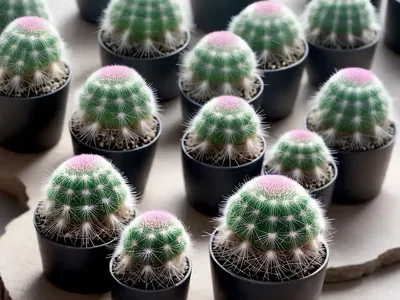
Due to its adaptable nature and striking appearance, Prickly Pear is an excellent candidate for container gardening, both indoors and outdoors. Its ornamental value, combined with its low-maintenance requirements, makes it an appealing choice for individuals with limited space or those seeking to add a touch of desert-style landscaping to their surroundings.
Uses
Ornamental Value
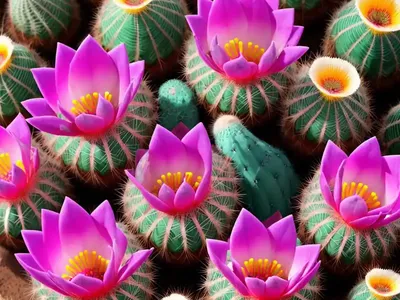
Prickly Pear, with its intriguing paddle-shaped stems and stunning, vivid flowers, serves as a captivating ornamental plant in gardens, landscapes, and even indoor spaces. Its distinctive appearance adds a touch of unique beauty and character to any setting, making it a sought-after feature in many horticultural designs.
Culinary Purposes
The fruits, known as tunas, produced by Prickly Pear are edible and highly nutritious, rich in vitamins, minerals, and antioxidants. With proper handling and preparation, these fruits can be transformed into various culinary delights, including jams, jellies, candies, and refreshing beverages.
Medicinal Uses
In traditional medicine, various parts of the Prickly Pear plant, including the pads and fruits, have been employed for their purported medicinal properties. From addressing digestive ailments to managing diabetes and inflammation, Prickly Pear has long been revered for its potential therapeutic benefits.
Common Diseases and Pests
Despite its hardiness, Prickly Pear is not entirely immune to challenges such as diseases and pest infestations. Understanding the common issues that can afflict this plant is essential for preemptive measures and effective treatments.
Common Diseases
- Root Rot: Overly damp soil can trigger root rot, a potentially fatal disease for Prickly Pear. To prevent this, ensure the soil is well-draining and avoid overwatering, especially during the dormant period in winter.
- Powdery Mildew: A fungal disease that manifests as a powdery white coating on the plant’s pads. Adequate air circulation and minimizing overhead watering can help prevent this issue.
Disease Diagnosis
When observing signs of disease in Prickly Pear, such as wilting, discoloration, or unusual growths, it’s crucial to promptly identify the underlying cause. Different diseases present distinct symptoms, and accurate diagnosis is the first step towards implementing an effective treatment plan.
Common Pests
- Cactus Bug: These tiny, sap-sucking insects can cause damage to the pads, leading to distortion and discoloration.
- Cochineal Scale: This pest appears as clusters of white, cottony masses on the pads, leading to weakening and disfigurement of the plant.
Fun Facts
Fast Facts about Prickly Pear (Opuntia monacantha)
- The Prickly Pear is the state plant of Texas due to its prevalence in the region and its cultural significance.
- In addition to its culinary potential, Prickly Pear has been utilized to create natural dyes, yielding a range of vibrant hues from the pads.
- Some species of Prickly Pear can survive in temperatures as low as -12°C (10°F), highlighting their adaptability to diverse climates.
Botanist’s Tips
Opuntia monacantha Care Recommendations from Botanical Experts
- Proper drainage is non-negotiable for Prickly Pear. Investing in well-draining soil and containers is pivotal for its long-term health.
- When handling Prickly Pear, exercise caution to avoid the sharp spines and glochids, the fine, irritating barbs found on the pads. Protective gloves and tools designed for cacti are essential for safe maintenance.
Links to External Resources
For additional insights and practical guidance on cultivating and appreciating Prickly Pear, explore the following authoritative resources:
- Cactus and Succulent Society of America
- Royal Horticultural Society – Cacti and Succulents
- University of Arizona Cooperative Extension – Cactus Care
Conclusion
The Prickly Pear (Opuntia monacantha) embodies a blend of striking aesthetics, practical utility, and inherent resilience, making it a compelling addition to diverse horticultural settings. By embracing the cultural requirements, potential uses, and proactive pest and disease management approaches, enthusiasts can foster thriving Prickly Pear specimens that not only enhance their surroundings but also offer a myriad of benefits.
With its rich heritage, exceptional adaptability, and captivating allure, the Prickly Pear stands as a testament to the enduring appeal and value of cacti in today’s botanical tapestry. Whether incorporated into xeriscapes, culinary ventures, or educational initiatives, the Prickly Pear continues to enrich and inspire, inviting individuals to partake in its timeless allure and contemporary relevance.
For the dedicated plant enthusiasts and curious minds traversing the realm of horticulture, the journey with Prickly Pear (Opuntia monacantha) is one imbued with discovery, appreciation, and the boundless wonder of the natural world.
This blog post intended to encompass an extensive array of insights and practical guidance for enthusiasts and horticultural practitioners seeking an in-depth understanding of Opuntia monacantha – Prickly Pear. From its core requirements to its applications and unique attributes, the content aims to serve as a comprehensive guide for both beginners and experienced plant enthusiasts.
For the full range of NLP Keywords including “Opuntia monacantha pruning, Opuntia monacantha varieties,” and more, refer to the available sections in this documentation.