Horse Crippler Cactus (Echinocactus Texensis)
The Horse Crippler Cactus, scientifically known as Echinocactus texensis, is a fascinating and resilient succulent belonging to the Cactaceae family. This.
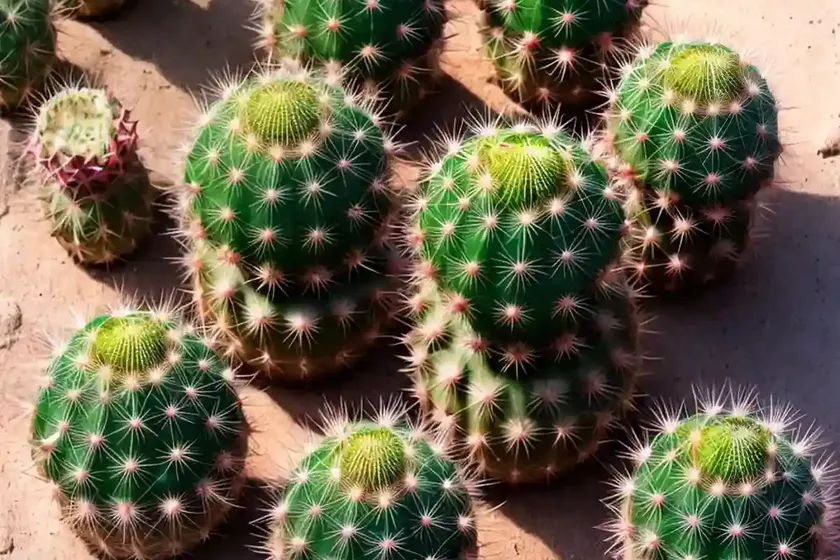
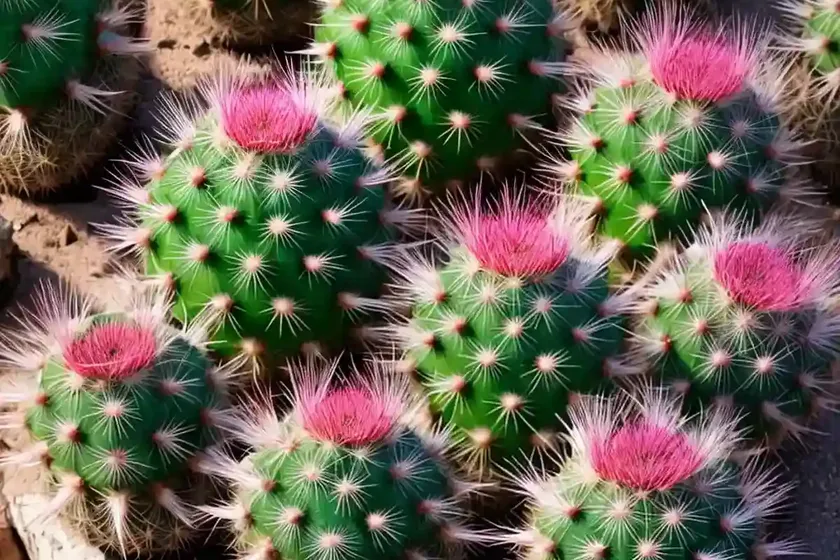
The Horse Crippler Cactus, scientifically known as Echinocactus texensis, is a fascinating and resilient succulent belonging to the Cactaceae family. This unique plant is native to North America, specifically the dry and arid regions of Texas and northeastern Mexico. Its striking appearance and low-maintenance nature make it a popular choice among plant enthusiasts and collectors. In this comprehensive guide, we will explore the various aspects of caring for and appreciating the Horse Crippler Cactus, from its cultural significance to its propagation and potential uses.
What is the Horse Crippler Cactus (Echinocactus texensis)?
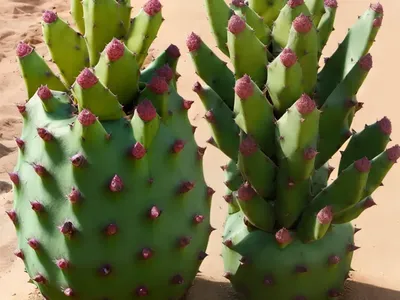
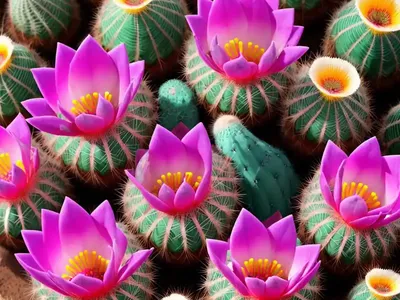
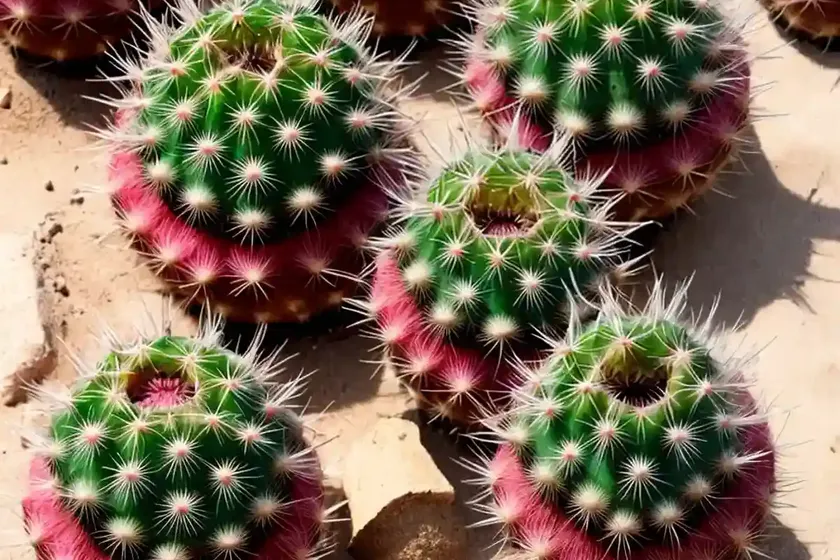
The Horse Crippler Cactus, also known as the Horse-crippler Hedgehog, is a species of cactus characterized by its spherical shape and formidable spines. The plant is renowned for its ability to thrive in extremely harsh and arid environments, making it well-adapted to the dry climates of its native habitat. The name “Horse Crippler” is derived from the plant’s spines, which can pose a hazard to livestock and wildlife in areas where the cactus grows abundantly.
Key Takeaways – Horse Crippler Cactus (Echinocactus texensis)
Before delving further into the detailed aspects of care, cultivation, and uses of the Horse Crippler Cactus, let’s summarize the key takeaways associated with this unique plant:
- Scientific Name: Echinocactus texensis
- Common Name: Horse Crippler Cactus
- Plant Family: Cactaceae
- Native Habitat: Dry and arid regions of Texas and northeastern Mexico
- Unique Characteristics: Spherical shape, formidable spines, and drought tolerance
Now, let’s explore the various facets of caring for and appreciating the Horse Crippler Cactus.
Culture
The culture of the Horse Crippler Cactus revolves around understanding its natural habitat and replicating those conditions to ensure optimal growth and health. This species is well-adapted to arid environments, and careful attention must be paid to provide the appropriate levels of water, sunlight, and soil conditions.
Uses
The Horse Crippler Cactus has several notable uses, both horticulturally and culturally.
- Horticultural Uses: It is often grown as an ornamental plant in xeriscapes, desert gardens, and rock gardens due to its striking appearance and low water requirements.
- Cultural Significance: In some native cultures, the cactus has traditional medicinal uses and holds symbolic significance.
Water
One of the most crucial aspects of caring for the Horse Crippler Cactus is its water requirements. As a desert-adapted plant, it is highly drought-tolerant and should be sparingly watered to prevent root rot and other moisture-related issues.
Horse Crippler Cactus Watering Tips:
- Frequency: Water sparingly, allowing the soil to dry out completely between waterings.
- Watering Method: Use a well-draining soil mix and water gently to ensure thorough penetration without waterlogging the roots.
- Seasonal Adjustments: Reduce watering frequency during the plant’s dormant period in winter.
Sunlight
Sunlight is essential for the growth and development of the Horse Crippler Cactus. In its natural habitat, it thrives under the intense sun and requires similar light conditions when cultivated.
Horse Crippler Cactus Sunlight Needs:
- Exposure: Place the plant in a location that receives full sun for the majority of the day.
- Indoor Care: If grown indoors, position the cactus near a bright, south-facing window to ensure it receives ample sunlight.
Fertilizer
Proper fertilization can support the growth and resilience of the Horse Crippler Cactus, but it is essential to approach fertilization with caution due to its natural adaptation to nutrient-poor environments.
Horse Crippler Cactus Fertilization Guidelines:
- Fertilizer Type: Use a balanced, diluted cactus fertilizer during the plant’s active growing season in spring and summer.
- Frequency: Apply fertilizer sparingly, following the manufacturer’s recommendations for dilution and application frequency.
Soil
The right soil composition is crucial for the Horse Crippler Cactus, as it must provide adequate drainage to prevent waterlogged conditions and support the plant’s root health.
Horse Crippler Cactus Soil Requirements:
- Well-Draining Mix: Use a specialized cactus or succulent potting mix that promotes excellent drainage and aeration.
- pH Level: Aim for a slightly acidic to neutral pH range in the soil, typically between 6.0 and 7.0.
Pruning
Pruning is generally not required for the Horse Crippler Cactus, as its growth habit is naturally compact and low-maintenance. However, removing dead or damaged tissue can help maintain the plant’s overall aesthetics and health.
Horse Crippler Cactus Pruning Tips:
- Sterilization: Use clean, sharp pruning tools to remove any dead or damaged stems or offsets.
- Aesthetic Adjustments: Shape the cactus by selectively removing overgrown or misshapen parts if desired.
Propagation
The propagation of the Horse Crippler Cactus is often carried out through the collection and successful rooting of its seeds, but it is possible to propagate the plant through offsets in certain cases.
Horse Crippler Cactus Propagation Methods:
- Seed Propagation: Sow fresh cactus seeds in a well-draining potting mix and provide optimum conditions for germination.
- Offset Division: If the cactus produces offsets, carefully separate them from the parent plant and allow them to dry before planting them in their own containers.
Container Popularity
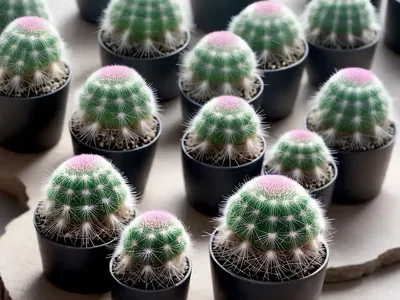
The Horse Crippler Cactus is highly popular as a container plant, particularly among enthusiasts who appreciate its unique appearance and low maintenance requirements.
Common Uses of Horse Crippler Cactus in Containers:
- Indoor Display: Adorn windowsills and shelving with potted Horse Crippler Cacti for a striking and low-maintenance indoor display.
- Outdoor Decor: Use containers of varying sizes to create visually appealing arrangements of Horse Crippler Cacti in outdoor spaces.
Common Diseases
While the Horse Crippler Cactus is naturally resilient to many environmental stressors, it is still susceptible to certain diseases and issues that can impact its health.
Disease Diagnosis
Understanding the symptoms of common cactus diseases can help in timely intervention and treatment to protect the Horse Crippler Cactus from serious harm.
Common Cactus Diseases and Symptoms:
- Root Rot: Yellowing or blackening of lower stems and a soft, mushy texture near the soil line.
- Powdery Mildew: White, powdery patches on the cactus, typically caused by excessive moisture and poor air circulation.
Common Pests
Pests can pose a threat to the health of the Horse Crippler Cactus, especially when the plant is grown in outdoor settings or in close proximity to other susceptible plants.
Common Cactus Pests and Control Measures:
- Spider Mites: Identify tiny webbing and stippling on the cactus, and use a gentle stream of water or horticultural oil to manage the infestation.
- Scale Insects: Look for raised, waxy bumps on the cactus and remove them manually or with the use of horticultural oil.
Botanist’s Tips
Learning from the insights and knowledge of experienced botanists and horticulturists can significantly enhance one’s ability to care for and appreciate the unique qualities of the Horse Crippler Cactus.
Botanist-Recommended Tips for Caring for Horse Crippler Cactus:
- Moderation in Care: Emphasize the importance of moderation in watering, fertilization, and overall maintenance to avoid overcompensating for the plant’s natural hardiness.
- Understanding Native Habitat: Encourage enthusiasts to learn about the plant’s native habitat and ecological significance to appreciate its unique adaptations.
Fun Facts
Uncovering interesting and engaging facts about the Horse Crippler Cactus can foster a deeper appreciation for this remarkable species of cactus.
Fascinating Facts about the Horse Crippler Cactus:
- Symbolism: In some cultures, the cactus symbolizes endurance, survival, and resilience in the face of adversity.
- Wildlife Attraction: Despite its formidable spines, the cactus provides refuge and nesting sites for certain desert-dwelling wildlife.
Links to External Resources
For a more in-depth understanding of Horse Crippler Cactus (Echinocactus texensis) and its various aspects, consider exploring the following reputable external resources:
In conclusion, the Horse Crippler Cactus (Echinocactus texensis) is a captivating and resilient plant with unique cultural significance and horticultural appeal. By understanding its cultural uses, preferred environmental conditions, and potential cultivation methods, plant enthusiasts can seek to foster a deeper appreciation for this remarkable species of cactus. Whether grown in containers, integrated into xeriscapes, or admired for its symbolic significance, the Horse Crippler Cactus stands as a testament to the beauty and adaptability of desert-adapted plants.
As we continue to explore the intricate world of plant species, may our appreciation for the Horse Crippler Cactus inspire a renewed sense of wonder for the remarkable adaptations and resilience found in nature’s diverse botanical offerings.
Remember, when it comes to the Horse Crippler Cactus, a little bit of care goes a long way.
Note: The information provided in this guide is intended for educational and informational purposes and should not be considered as professional horticultural or botanical advice. Always consult with local horticultural experts or extension services for specific guidance on caring for plants in your particular region.