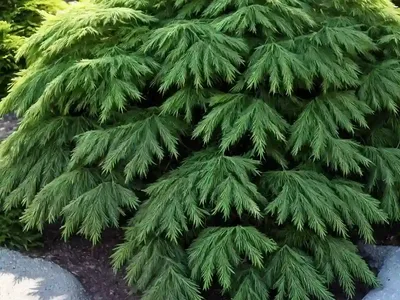
Taxus X Media ‘Hicksii’ (Anglo-Japanese Yew)
As a plant scientist, I am enamored with the world of flora. Each plant species has its unique charm and characteristics, and one particular plant that has.

As a plant scientist, I am enamored with the world of flora. Each plant species has its unique charm and characteristics, and one particular plant that has captured my attention is the Taxus x media ‘Hicksii’, also known as the Anglo-Japanese Yew. This versatile evergreen shrub holds a special place in the realm of ornamental plants and is highly valued for its elegant appearance and various practical uses. In this comprehensive guide, we will delve into the intricate details of the Taxus x media ‘Hicksii’, exploring its culture, uses, care requirements, and much more.
What is Taxus x media ‘Hicksii’?
The Taxus x media ‘Hicksii’, commonly referred to as the Hicksii Yew, is a cultivar of the Taxus x media hybrid. This hybrid is a cross between Taxus baccata (English Yew) and Taxus cuspidata (Japanese Yew), resulting in a plant that exhibits desirable qualities from both parent species. The Hicksii Yew is prized for its dense, columnar growth habit, making it an excellent choice for hedges and ornamental landscaping.
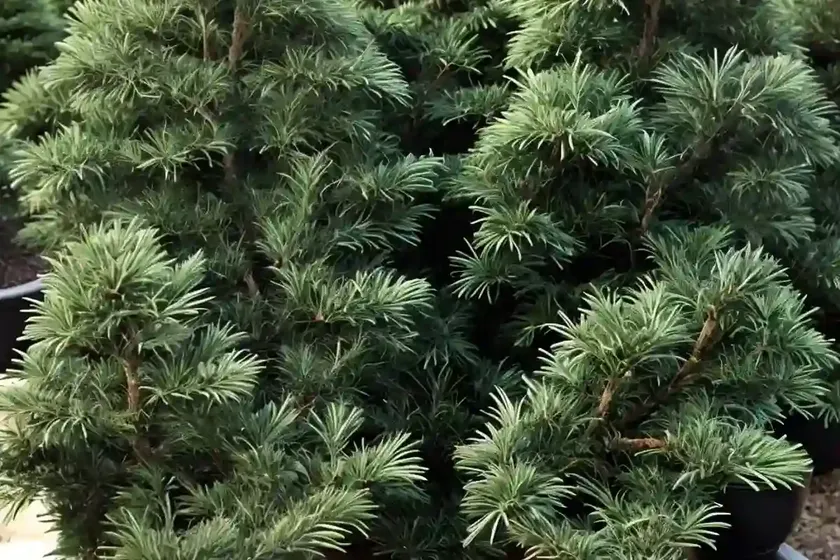
This evergreen shrub belongs to the Taxaceae family and is characterized by its narrow, upright form, rich green foliage, and red arils on female plants. The Anglo-Japanese Yew can thrive in various environmental conditions and is known for its adaptability and resilience.
Key Takeaways – Taxus x media ‘Hicksii’
Before we delve into the details of its culture, uses, and care, let’s summarize the key takeaways related to the Taxus x media ‘Hicksii’ to provide a quick understanding of this remarkable plant.
- Scientific Name: Taxus x media ‘Hicksii’
- Common Names: Anglo-Japanese Yew, Hicksii Yew
- Plant Type: Evergreen shrub
- Growth Habit: Columnar
- Foliage: Dark green needles
- Uses: Hedge plant, ornamental specimen, privacy screen
- Hardiness Zone: 4-7
- Mature Height: 10-20 feet
- Mature Spread: 4-10 feet
- Light Requirements: Full sun to part shade
- Soil Preferences: Well-drained, moist soil
- Pruning Needs: Minimal
- Propagation: Seeds, cuttings
- Common Diseases: Phytophthora root rot, septoria needle blight
- Common Pests: Scale insects, aphids
Now that we have an overview of the Taxus x media ‘Hicksii’, let’s explore each aspect in detail, from its culture to care and maintenance.
Culture
Understanding the cultural requirements of the Taxus x media ‘Hicksii’ is essential for successfully cultivating and maintaining this striking evergreen shrub. From soil to sunlight, each factor plays a crucial role in its overall health and vigor.
Soil
The Anglo-Japanese Yew thrives in well-drained, slightly acidic to slightly alkaline soil. It has a moderate tolerance for various soil types, including clay, loam, and sandy soils. However, it is important to avoid waterlogged conditions, as excessive moisture can lead to root rot and other complications. Amending the soil with organic matter can enhance its overall structure and fertility, promoting healthy growth and development of the Hicksii Yew.
Water
When establishing young Taxus x media ‘Hicksii’ plants, regular watering is essential to ensure proper root establishment and growth. Once established, this evergreen shrub exhibits good drought tolerance, although it benefits from occasional deep watering during prolonged dry spells. However, it is crucial to strike a balance and avoid waterlogging the soil, as excessive moisture can predispose the plant to root diseases.
Sunlight
In terms of sunlight requirements, the Hicksii Yew performs well in a range of light conditions. It can tolerate full sun to partial shade, making it a versatile choice for various garden settings. While it can thrive in full sunlight, providing some afternoon shade in hot regions can prevent potential stress on the plant during the hottest part of the day.
Fertilizer
When it comes to fertilizer, the Taxus x media ‘Hicksii’ typically does not have extensive nutrient requirements. Applying a balanced slow-release fertilizer in the spring can provide the necessary nutrients for healthy growth. However, it is crucial not to over-fertilize, as excessive nutrients can lead to lush, tender growth that is more susceptible to pest infestations and diseases.
Uses
The Taxus x media ‘Hicksii’ is a versatile plant with a wide range of practical and aesthetic uses. From serving as a classic hedge plant to adding ornamental value to landscapes, this evergreen shrub has earned its place in gardens and public spaces for various reasons.
Hedge Plant
The dense, columnar growth habit of the Hicksii Yew makes it an exceptional choice for creating formal hedges. Its deep green foliage provides an elegant backdrop and can be shaped and maintained to form striking boundary hedges, privacy screens, or garden dividers. The evergreen nature of the Taxus x media ‘Hicksii’ ensures that the hedge retains its beauty throughout the year, offering year-round appeal.
Ornamental Specimen
Beyond its utility as a hedge plant, the Anglo-Japanese Yew also shines as a standalone ornamental specimen in gardens, parks, and commercial landscapes. Its vertical form and rich green foliage add a touch of sophistication and structure to the overall landscape design. Whether planted singly or in groups, the Hicksii Yew creates a compelling focal point, especially in formal or contemporary garden settings.
Privacy Screen
Given its dense growth habit and tall, narrow form, the Taxus x media ‘Hicksii’ is an excellent choice for creating privacy screens in residential and commercial properties. Planted in rows, these yews can effectively shield outdoor living spaces, patios, or pool areas from neighboring properties or busy thoroughfares. With minimal maintenance and vibrant greenery, they provide an attractive and functional solution for privacy needs.
Pruning
Pruning plays a crucial role in shaping and maintaining the desired form and density of the Taxus x media ‘Hicksii’. However, this evergreen shrub has minimal pruning requirements, making it a relatively low-maintenance plant. Here are some essential tips for pruning the Hicksii Yew:
- Timing: Pruning is best done in late winter to early spring before the onset of new growth. This timing allows the plant to recover and put forth new growth during the growing season.
- Techniques: When pruning Hicksii Yew hedges, aim to keep the sides narrower than the top to ensure sunlight reaches the lower branches, promoting even growth. Regular shearing can help maintain a neat, formal appearance.
- Height Control: If the goal is to maintain a certain height, trim the top of the plant to the desired level while maintaining a slightly tapered shape to prevent shading of lower foliage.
- Minimal Pruning: While periodic pruning is necessary to maintain the desired shape and size, avoid excessive pruning, as yews have limited ability to produce new growth from old wood. Focus on light, regular maintenance to avoid drastic pruning needs.
By adhering to these pruning guidelines, gardeners can ensure that their Taxus x media ‘Hicksii’ remains a visually appealing and well-structured element in the landscape.
Propagation
Propagating the Taxus x media ‘Hicksii’ can be accomplished through various methods, including seeds and cuttings. Here, we’ll explore the propagation techniques commonly employed for this iconic evergreen shrub:
Seeds
While propagation from seeds is possible, it is a time-consuming process due to the slow germination rate of yew seeds. It typically takes several years for seed-grown yews to reach a size suitable for transplanting into the landscape. The process involves collecting ripe yew seeds in the fall, sowing them in a prepared seedbed, and providing the necessary conditions for germination.
Cuttings
Propagation through cuttings is a more common and practical method for reproducing Taxus x media ‘Hicksii’ with consistent characteristics. Softwood cuttings taken from the current season’s growth in late spring or early summer have a higher success rate. The cuttings are treated with rooting hormone and placed in a well-draining medium to encourage root development. They are then nurtured in a controlled environment until they are ready for transplanting.
Propagation through cuttings offers a more efficient means of reproducing the Hicksii Yew, ensuring that the new plants inherit the desired traits and growth habits of the parent plant.
Container Popularity
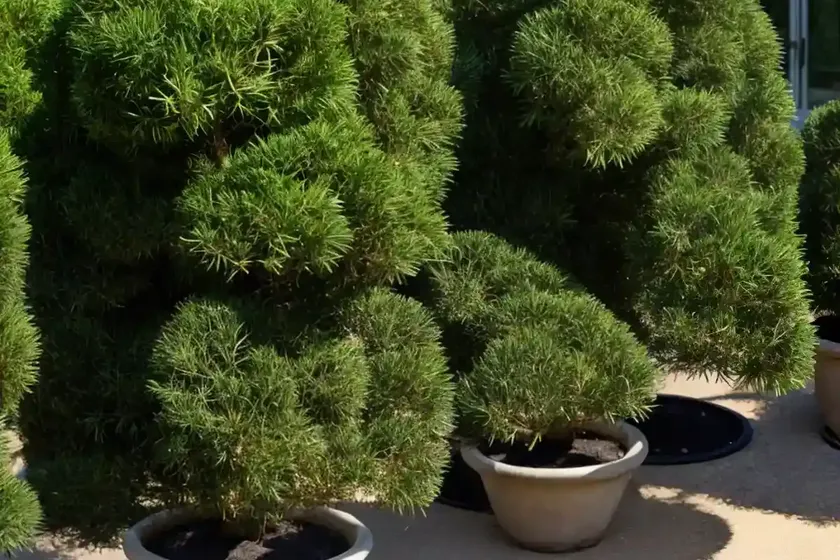
In addition to its role in traditional garden landscapes, the Taxus x media ‘Hicksii’ has gained popularity as a container plant. Its upright growth habit and compact nature make it well-suited for container cultivation, offering a versatile option for urban gardens, patios, and outdoor living spaces. Placing the Hicksii Yew in containers allows for greater flexibility in creating green accents in confined spaces and on architectural elements such as terraces and decks.
When selecting containers for growing the Anglo-Japanese Yew, it is essential to choose ones with adequate drainage holes to prevent waterlogging. Using a well-draining potting mix and providing regular watering and fertilization can help sustain healthy growth and development of Taxus x media ‘Hicksii’ in containers. Regular monitoring of soil moisture and suitable placement to meet the plant’s sunlight requirements are also crucial to maintaining its vitality.
Common Diseases
While the Taxus x media ‘Hicksii’ is relatively low-maintenance, it is susceptible to certain diseases that can compromise its health and appearance. Familiarizing oneself with these common diseases and their symptoms can aid in early detection and management. Two prevalent diseases that may affect the Hicksii Yew are Phytophthora root rot and septoria needle blight.
Phytophthora Root Rot
Phytophthora root rot is a soil-borne disease caused by various species of Phytophthora fungi. It manifests as a decline in the health of the plant, wilting, yellowing foliage, and potential dieback. When inspecting the root system, infected plants may exhibit discolored or rotted roots. Proper cultural practices, including planting in well-draining soil and avoiding waterlogged conditions, can help prevent the onset of Phytophthora root rot.
Septoria Needle Blight
Septoria needle blight, caused by the fungus Septoria taxicola, affects the foliage of yews, leading to the formation of small, dark lesions on the needles. The infected needles may turn yellow and eventually drop off, resulting in sparse foliage and reduced vitality. Pruning away infected branches, maintaining proper air circulation, and avoiding overhead watering can help manage the spread of septoria needle blight.
Disease Diagnosis
Diagnosing diseases in the Hicksii Yew involves careful observation of symptoms such as wilting, discoloration, lesions, and abnormal foliage patterns. It is essential to differentiate between diseases, as their management strategies may vary. Seeking guidance from local extension services or plant pathology experts can aid in accurate disease identification and the implementation of targeted control measures.
By proactively managing these common diseases and implementing preventive practices, gardeners can promote the long-term health and vigor of their Taxus x media ‘Hicksii’ plants.
Common Pests
In addition to diseases, the Taxus x media ‘Hicksii’ can be vulnerable to pest infestations that can impact its appearance and vitality. Regular monitoring and timely intervention are essential for preventing pest-related damage. Two common pests that may affect the Hicksii Yew are scale insects and aphids.
Scale Insects
Scale insects are sap-feeding pests that may infest the twigs and foliage of yews, including the Hicksii Yew. They often appear as small, immobile bumps on plant surfaces and feed by piercing the plant tissue to extract sap. Severe infestations can lead to yellowing, wilting, and stunted growth. Control measures for scale insects may involve natural predators, horticultural oils, or insecticidal soaps, depending on the severity of the infestation.
Aphids
Aphids are another common pest that can target the Taxus x media ‘Hicksii’, particularly during the growing season. These small, soft-bodied insects feed on the plant’s sap, leading to distorted growth, yellowing foliage, and the formation of sticky honeydew. Natural predators, such as ladybugs and lacewings, can help keep aphid populations in check. In cases of severe infestations, insecticidal treatments may be warranted.
Pest Management
Monitoring the plant for signs of pest activity, such as distorted growth, honeydew, or the presence of pests themselves, is crucial for early pest detection. Implementing integrated pest management (IPM) practices, which may include cultural controls, natural predators, and targeted pesticide applications as a last resort, can help minimize pest damage while preserving beneficial organisms in the garden.
Botanist’s Tips for Success with Taxus x media ‘Hicksii’
As a plant scientist deeply familiar with the intricacies of yew cultivation, I would like to share some valuable tips for success in growing and maintaining the iconic Taxus x media ‘Hicksii’.
- Site Selection: When planting Hicksii Yew, consider its mature size and ensure that it has adequate space to grow vertically without obstruction.
- Soil Preparation: Amending the planting area with organic matter can create an optimal soil environment for the yew’s root establishment and growth.
- Proper Pruning: Maintain a regular pruning schedule to shape the yew and promote internal airflow, reducing the risk of disease.
- Pest and Disease Monitoring: Regularly inspect the yew for signs of pests and diseases, and take proactive measures to mitigate potential issues.
- Balanced Fertilization: Avoid over-fertilization, as it can lead to excessive vegetative growth, making the plant more susceptible to pests and diseases.
- Consistent Watering: Strike a balance with watering, ensuring that the soil is moist but not waterlogged, especially during the establishment phase.
- Container Care: If growing the Hicksii Yew in a container, select a suitable pot with drainage holes and provide regular care to maintain its health and vigor.
By incorporating these tips into yew cultivation practices, gardeners can foster the optimal growth and development of the Taxus x media ‘Hicksii’, enjoying its timeless beauty and practical benefits in the landscape.
Fun Facts about Taxus x media ‘Hicksii’
As we celebrate the allure of the Taxus x media ‘Hicksii’, let’s uncover some fascinating fun facts about this distinguished evergreen shrub.
- The Hicksii Yew is a member of the Taxus family, which includes several species of yews known for their ornamental and medicinal properties.
- Taxus x media ‘Hicksii’ is cherished for its role as a popular hedge plant, offering privacy and elegance in gardens and landscapes.
- The Anglo-Japanese Yew is one of the many coniferous evergreens prized for their year-round greenery and structural appeal in the garden.
- With its compact growth habit, the Hicksii Yew is a preferred choice for low maintenance landscaping, providing enduring beauty without excessive care requirements.
- Yews, including the Hicksii cultivar, have a rich history in traditional and contemporary garden designs, offering timeless charm and adaptability.
These fun facts underscore the enduring appeal and significance of the Taxus x media ‘Hicksii’, shedding light on its cultural, aesthetic, and ecological contributions to horticulture.
Links to External Resources
For those seeking additional information and resources on the Taxus x media ‘Hicksii’, here are some valuable links to external sources that offer insights, tips, and guidance on cultivating and caring for this exceptional evergreen shrub:
- Royal Horticultural Society – Taxus x media ‘Hicksii’
- Missouri Botanical Garden – Anglo-Japanese Yew
- University of Florida IFAS Extension – Yew for Florida Landscapes
- The American Conifer Society – Plant Database
- North Carolina State University Extension – Managing Diseases in the Landscape
These reputable sources offer a wealth of information, expert recommendations, and best practices for understanding and appreciating the Taxus x media ‘Hicksii’ in varying landscape and garden contexts.
In conclusion, the Taxus x media ‘Hicksii’ stands as a quintessential emblem of elegance and practicality in the realm of ornamental plants. With its timeless beauty, adaptability, and multifaceted uses, this Anglo-Japanese Yew continues to capture the imagination of gardeners, landscape designers, and plant enthusiasts, defining its place as a revered evergreen shrub in horticulture. Whether as a stately hedge, an ornate specimen, or a vibrant container plant, the Hicksii Yew enriches outdoor spaces with its enduring presence and charm.
By embracing the insights shared in this guide and drawing inspiration from the captivating allure of the Taxus x media ‘Hicksii’, gardeners can foster thriving landscapes enriched by the sophistication and practicality of this exceptional evergreen beauty.