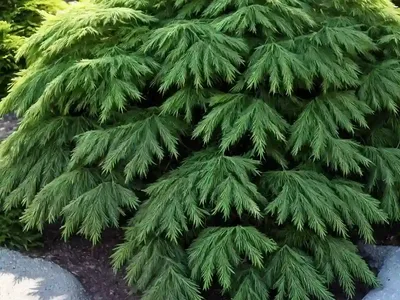
Taxus X Media ‘Densiformis’ (Anglo-Japanese Yew)
Taxus x media ‘Densiformis’, commonly known as Anglo-Japanese Yew, is a versatile and popular evergreen shrub. It is a hybrid created from the.
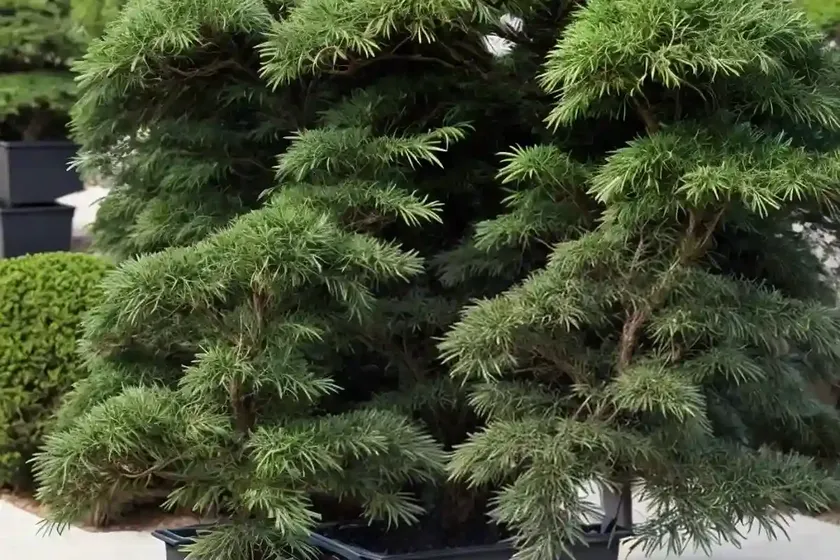
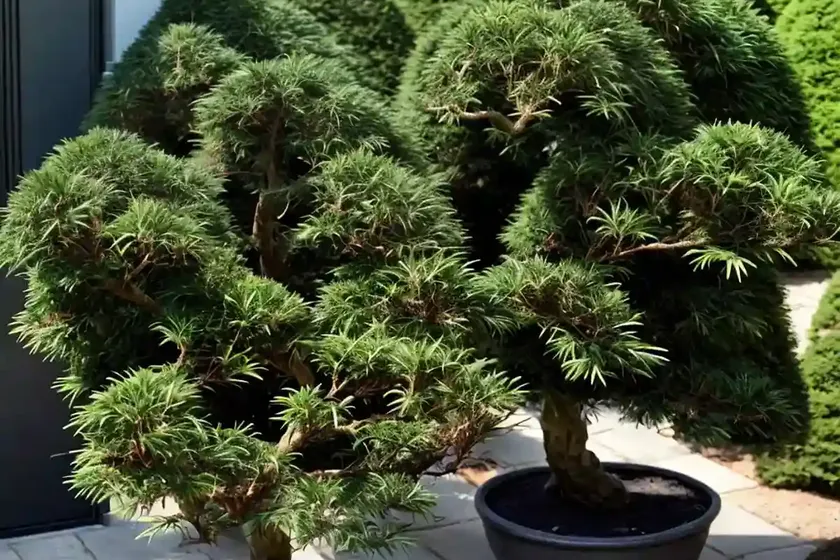

Taxus x media ‘Densiformis’, commonly known as Anglo-Japanese Yew, is a versatile and popular evergreen shrub. It is a hybrid created from the cross-breeding of the English yew (Taxus baccata) and the Japanese yew (Taxus cuspidata). This attractive plant is renowned for its dense, bushy growth and its suitability for a wide range of landscape uses.
Key Takeaways – Taxus x media ‘Densiformis’ (Anglo-Japanese Yew)
Before delving into the specifics of caring for and cultivating the Anglo-Japanese Yew, let’s explore some key takeaways regarding this intriguing plant:
- Scientific Name: Taxus x media ‘Densiformis’
- Common Name: Anglo-Japanese Yew
- Plant Type: Evergreen shrub
- Growth Habit: Dense, upright, and spreading
- Mature Height: 3 to 6 feet
- Mature Spread: 5 to 10 feet
- Hardiness Zones: 4 to 7
- Sunlight: Full sun to part shade
- Soil Requirements: Well-drained, acidic soil
The Anglo-Japanese Yew encompasses a fascinating array of cultural uses, specialized care requirements, and design applications. From landscaping to wildlife habitat provision, this versatile plant has much to offer.
Culture
Understanding the cultural requirements of Taxus x media ‘Densiformis’ is crucial for ensuring its successful growth and development. Let’s explore some of the fundamental aspects of its culture.
Uses
The Anglo-Japanese Yew is highly versatile and finds applications in various landscaping scenarios, including:
- Privacy Screening: The dense growth habit of this yew makes it an excellent choice for creating privacy screens and hedges.
- Formal Gardens: Its ability to be pruned into formal shapes makes it a standout candidate for formal garden designs.
- Accent Plant: It can be used as an accent plant in mixed borders or standalone in the landscape.
- Topiary: Its malleable nature allows for creative topiary designs.
Water
Proper hydration is essential for the healthy growth of Taxus x media ‘Densiformis’. While this plant generally has average water needs, it is important to ensure consistent soil moisture, especially during its establishment phase and in times of drought.
Sunlight
Anglo-Japanese Yew plants thrive in a variety of light conditions. They can tolerate both full sun and partial shade, making them suitable for different parts of the garden landscape.
Fertilizer
Fertilization plays a vital role in the health and vigor of these yews. A balanced, slow-release fertilizer applied in the spring can provide the necessary nutrients for robust growth and vibrant foliage.
Soil
These yews prefer well-drained, acidic soils. Amending the soil with organic matter can improve its structure and fertility, favorably impacting the growth of the Anglo-Japanese Yew.
Pruning
Regular pruning is essential to maintain the desired shape and size of Taxus x media ‘Densiformis’. Pruning is best done in late winter to early spring before new growth begins.
Propagation
Propagation of the Anglo-Japanese Yew can be achieved through softwood cuttings taken in early summer or semi-hardwood cuttings taken in late summer.
Container Popularity
The compact growth habit and adaptability of these yews make them well-suited for container cultivation, allowing homeowners with limited space to enjoy their beauty.
Common Diseases
Like any plant, the Anglo-Japanese Yew is susceptible to certain diseases. Understanding these diseases and their management is critical for the long-term health of the plant.
Disease Diagnosis
Some common diseases that can affect Taxus x media ‘Densiformis’ include:
- Root Rot: This fungal disease can occur in waterlogged soils and poorly drained areas.
- Powdery Mildew: A fungal infection that can impact the foliage, leading to a powdery white coating.
- Canker Diseases: These can cause dieback of branches and affect overall plant health.
It is important to monitor the plants regularly for any signs of disease and take prompt action to mitigate their impact.
Common Pests
Pests can also pose a threat to the health and aesthetics of the Anglo-Japanese Yew. Understanding the common pests and their management strategies is crucial for maintaining healthy plants.
Botanist’s Tips
To ensure optimal growth and performance of Taxus x media ‘Densiformis’, consider the following botanist’s tips:
- Monitor soil moisture levels and ensure adequate drainage.
- Regularly inspect the foliage for signs of disease or pest infestations.
- Use proper pruning techniques to maintain the desired shape and size of the yew.
- Provide the necessary environmental conditions for healthy growth, including appropriate sunlight and soil conditions.
Fun Facts
Here are some interesting and lesser-known facts about Taxus x media ‘Densiformis’:
- The yew tree was historically associated with longevity and regeneration in European folklore.
- Yew wood has been used for making traditional longbows due to its excellent strength and flexibility.
- The Anglo-Japanese Yew is a dioecious plant, meaning that it has separate male and female reproductive structures on different plants.
Links to External Resources
For further information on Taxus x media ‘Densiformis’, you can explore the following external resources:
Now that we have covered an extensive range of topics related to Taxus x media ‘Densiformis’, including its cultural uses, care requirements, and maintenance, you should have a more comprehensive understanding of this remarkable plant. Whether you are considering adding the Anglo-Japanese Yew to your landscape or looking to enhance your existing plantings, the insights provided here can serve as a valuable guide for successful cultivation and enjoyment of this versatile and visually appealing shrub.