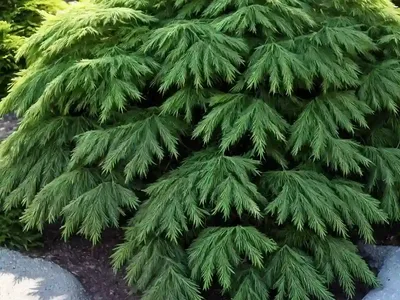
Taxus Canadensis (American Yew)
The Taxus canadensis, commonly known as American Yew, is a remarkable evergreen plant with a rich tapestry of cultural, ecological, and horticultural.



The Taxus canadensis, commonly known as American Yew, is a remarkable evergreen plant with a rich tapestry of cultural, ecological, and horticultural significance. Its scientific name, Taxus canadensis, alludes to its classification in the Taxus genus, with “canadensis” signifying its reference to Canada, where it is notably found. This iconic plant has continued to capture the attention of plant enthusiasts, gardeners, scientists, and environmentalists due to its unique characteristics, cultural importance, and diverse applications.
In this comprehensive guide, we will explore the multifaceted nature of the Taxus canadensis, addressing its cultural and ecological importance, botanical characteristics, and extensive uses. From understanding its natural habitat to delving into its landscaping potential and medicinal properties, we will embark on a journey of discovery that illuminates the charm and significance of the American Yew. So, let’s delve into the intriguing world of Taxus canadensis and unravel its secrets.
What is Taxus canadensis (American Yew)?
Taxus canadensis is a species of coniferous shrub that belongs to the Taxaceae family, characterized by its dark green needle-like foliage and bright red arils encompassing its seeds. This species is native to North America, primarily found in regions of Canada and the northeastern United States, where it thrives in diverse ecosystems, ranging from moist woodlands to mountainous terrain. Elegant and resilient, the American Yew is revered for its long lifespan and adaptability to various environmental conditions.
Key Takeaways – Taxus canadensis (American Yew)
Before we embark on our exploration of the American Yew, let’s take a moment to highlight key takeaways that will guide our journey:
- Names: Taxus canadensis, American Yew
- Cultural Significance: Rich historical and cultural importance, serving as a symbol in traditional practices and modern landscapes.
- Ecological Role: Integral part of natural habitats, providing shelter and sustenance for wildlife.
- Horticultural Uses: Versatile in landscaping and gardening, valued for its evergreen foliage and ornamental appeal.
- Medicinal Properties: Traditional uses in herbal medicine and extensive pharmacological significance.
- Growth Conditions: Adaptable to different soil types and shade-tolerant, making it a versatile addition to gardens and natural landscapes.
With these key takeaways in mind, we will explore the American Yew’s cultural uses, growth requirements, propagation methods, and more, offering a holistic understanding of this remarkable plant.
Culture
Symbolism and Traditional Significance
The Taxus canadensis has deep-rooted cultural significance, encompassing both historical and contemporary contexts. In various indigenous cultures, the American Yew holds symbolic importance, often associated with themes of longevity, transformation, and resilience. Furthermore, its evergreen nature has made it a powerful emblem of immortality and enduring vitality in different traditions.
In the realm of modern landscaping and horticulture, the American Yew continues to be revered for its symbolic resonance and ornamental value. It often serves as a centerpiece in garden designs, offering a timeless allure that transcends cultural boundaries. Whether adorning serene Japanese gardens or enhancing the grandeur of European estates, the Taxus canadensis embodies elegance and cultural depth.
Landscaping Trends and Design
The American Yew’s versatility in landscaping has been a driving force behind its enduring popularity. Its dense foliage, compact growth habit, and capacity for shaping make it an ideal candidate for diverse landscaping designs. From formal hedges to naturalistic woodland settings, the Taxus canadensis offers a harmonious blend of structure and beauty, enriching outdoor spaces with its evergreen presence.
In contemporary landscaping, the American Yew has found renewed appreciation for its ability to provide a sense of permanence and tranquility in garden compositions. Whether employed as a focal point, a boundary element, or a textural accent, this iconic plant continues to shape evolving landscaping trends with its timeless allure and adaptability.
Uses
Medicinal Applications
The American Yew’s medicinal properties have been recognized for centuries, with traditional healers and contemporary herbalists harnessing the plant’s therapeutic potential. While it’s crucial to approach herbal remedies with caution and seek professional guidance, the Taxus canadensis has contributed to the development of life-saving medications due to its chemical constituents, particularly taxanes.
Taxol, a renowned chemotherapy drug derived from the bark of the Pacific Yew (Taxus brevifolia), has revolutionized cancer treatment, underscoring the profound impact of yew species on modern medicine. In traditional herbal medicine, the bark, needles, and twigs of Taxus canadensis have been employed in diverse formulations, often as a remedy for various ailments, showcasing the rich botanical legacy of this revered plant.
Environmental Significance
Beyond its ornamental and medicinal value, the American Yew plays a pivotal role in preserving ecological balance and supporting wildlife. As an evergreen shrub, it provides year-round shelter and sustenance for diverse fauna, including birds, insects, and small mammals. Its dense foliage and tolerance for shade create favorable habitats in woodland ecosystems, fostering biodiversity and ecological resilience.
Furthermore, the Taxus canadensis contributes to soil stabilization and erosion control, offering a compelling case for its inclusion in conservation and restoration efforts. By recognizing its ecological significance and incorporating it into habitat restoration projects, environmentalists and conservationists leverage the American Yew’s inherent ecological value to enhance the vitality of natural landscapes.
Water
The American Yew is adaptable to various moisture conditions, exhibiting a preference for well-drained soil while showcasing considerable tolerance for occasional dampness. When establishing newly planted Taxus canadensis specimens, it’s crucial to provide adequate moisture to support root establishment and mitigate transplant shock. After the initial establishment phase, the plant displays notable resilience to moderate drought, showcasing its adaptability to fluctuating moisture levels.
Watering Guidelines:
- Establishment Phase: Maintain consistent soil moisture without waterlogging, prioritizing regular but controlled watering to facilitate root development.
- Mature Plants: Provide supplemental watering during prolonged dry spells, ensuring the soil remains evenly moist without prolonged saturation.
By adhering to appropriate watering practices and monitoring soil moisture levels, gardeners can promote the health and vigor of the American Yew while appreciating its capacity to withstand varying moisture conditions.
Sunlight
The Taxus canadensis thrives in partial to full shade, displaying exceptional shade tolerance that renders it a valuable addition to shaded landscapes and woodland gardens. When cultivated in full sun, the plant may exhibit increased susceptibility to foliage burn and moisture stress, particularly in regions characterized by intense sunlight and high temperatures. Consequently, strategic placement in shaded or partially shaded areas optimizes the American Yew’s growth and foliage quality.
Sunlight Considerations:
- Partial Shade: Ideal for promoting robust growth and minimizing the risk of sun-related stress.
- Full Shade: Suitable for creating lush and verdant enclaves, particularly in woodland-inspired garden designs.
Understanding the American Yew’s sunlight preferences enables gardeners to harness its shade-loving disposition, enhancing the plant’s vitality and aesthetic appeal in diverse garden settings.
Fertilizer
The nutritional requirements of the Taxus canadensis are generally modest, reflecting its capacity to thrive in diverse soil conditions with minimal intervention. While the plant demonstrates adaptability to various soil types, periodic fertilization can support healthy growth and optimize its ornamental qualities. Incorporating organic, slow-release fertilizers tailored for acid-loving plants can provide the American Yew with essential nutrients while preserving soil health.
Fertilization Guidelines:
- Timing: Apply fertilizer in early spring or late fall to coincide with the plant’s active growth periods and maximize nutrient absorption.
- Formulation: Select a balanced, acid-specific fertilizer with a controlled-release formulation to ensure steady nutrient availability without inducing excessive vegetative growth.
By adhering to prudent fertilization practices, gardeners can promote the longevity and vigor of the American Yew while safeguarding the ecological integrity of the surrounding soil and ecosystem.
Soil
The Taxus canadensis exhibits considerable adaptability to differing soil conditions, thriving in well-drained, slightly acidic soils that provide adequate aeration and moisture retention. Its resilience to a broad spectrum of soil types, encompassing loamy, sandy, and clayey substrates, underscores its versatility and capacity to flourish in diverse garden and natural settings.
Soil Considerations:
- Acidity: Mildly acidic to neutral soil pH (6.0-7.5) is conducive to the plant’s nutrient uptake and overall health.
- Drainage: Optimal soil drainage is essential to mitigate waterlogged conditions, avoiding prolonged saturation that can compromise root function.
By assessing soil characteristics and amending as needed to meet the American Yew’s preferences, gardeners can create an optimal growing environment that supports the plant’s longevity and vitality.
Pruning
Pruning plays a pivotal role in shaping and maintaining the form of the American Yew, promoting healthy growth and enhancing ornamental appeal. Thoughtful and strategic pruning techniques contribute to the plant’s aesthetic integration into diversified garden compositions, ranging from formal hedges to naturalistic woodland enclaves.
Pruning Guidelines:
- Timing: Conduct light pruning in late winter or early spring to remove dead or damaged branches and shape the plant, avoiding extensive pruning during the growing season to minimize stress.
- Techniques: Employ sanitized pruning tools to make precise cuts, focusing on maintaining the plant’s natural form while addressing structural irregularities.
By applying judicious pruning practices, gardeners can celebrate the American Yew’s inherent beauty and structural integrity while fostering its capacity to harmonize with diverse landscaping styles and themes.
Propagation
The Taxus canadensis can be propagated through various methods, encompassing both sexual and asexual propagation techniques that offer flexibility and reliability in generating new plant specimens. From seed propagation to vegetative propagation, gardeners and horticulturists can explore diverse approaches to multiply the American Yew, expanding its presence in both natural and cultivated landscapes.
Propagation Methods:
- Seed Propagation: Harvest and sow seeds in a prepared seed bed, providing the right conditions for germination and subsequent growth.
- Cutting Propagation: Utilize semi-hardwood cuttings to propagate genetically identical clones, fostering consistent traits and characteristics in new plants.
By engaging in propagation endeavors, enthusiasts can contribute to the conservation and proliferation of the American Yew, preserving its genetic diversity and cultural legacy for future generations to appreciate.
Container Popularity
The American Yew’s adaptability and ornamental allure render it an excellent candidate for container cultivation, allowing for creative and versatile applications in diverse urban and suburban settings. Whether adorning balconies, patios, or indoor spaces, container-grown Taxus canadensis specimens captivate with their evergreen presence and capacity to thrive in confined environments.
Container Considerations:
- Container Size: Select adequately sized containers to accommodate the plant’s root system and allow for unrestricted growth.
- Drainage: Ensure containers feature drainage holes to prevent waterlogged conditions and support soil aeration.
By cultivating the American Yew in containers, gardeners can integrate its timeless elegance into urban landscapes and interior spaces, celebrating its versatility and resilience in confined growing environments.
Common Diseases
While the American Yew exhibits notable resilience, it can be susceptible to certain diseases and health issues, necessitating vigilant monitoring and proactive management to preserve the plant’s vigor and longevity. Understanding prevalent diseases and their associated symptoms empowers gardeners to enact effective preventive measures and targeted interventions to safeguard the Taxus canadensis.
Disease Diagnosis:
- Phytophthora Root Rot: Manifests as wilting, discoloration, and stunted growth, often exacerbated by waterlogged soil conditions.
- Needle Blight: Characterized by browning, defoliation, and dieback of needles, signaling potential fungal infections.
By recognizing common diseases and their indicators, gardeners can implement measures to fortify the American Yew’s resilience and mitigate the impact of disease-related stressors on its health and aesthetics.
Common Pests
Pests can pose challenges to the American Yew’s well-being, necessitating vigilance and proactive pest management strategies to uphold the plant’s vitality and ornamental appeal. By identifying common pests and their impact on the Taxus canadensis, gardeners can institute targeted control measures to mitigate infestations and minimize potential damage.
Pest Identification:
- Scale Insects: Exhibiting armored or soft bodies, scale insects can deplete plant vitality through sap extraction, leading to yellowing and wilting.
- Spider Mites: Small arachnids that induce stippling and discoloration of foliage, compromising the plant’s aesthetic quality.
By monitoring pest populations and intervening with appropriate pest control methods, gardeners can fortify the American Yew’s resistance to pest-related stressors, fostering its capacity to flourish in diverse environments.
Botanist’s Tips
To celebrate the ecological and horticultural significance of the American Yew, let’s delve into a selection of insightful tips that illuminate nuances of Taxus canadensis cultivation and appreciation, offering a comprehensive perspective on this iconic plant.
Botanist’s Tips:
- Elevate Ecological Awareness: Embrace the American Yew’s ecological value and integrate it into conservation and habitat restoration initiatives to bolster biodiversity.
- Cultivate Herbal Awareness: Explore the traditional applications of Taxus canadensis in herbal medicine, recognizing its historical and contemporary pharmacological importance.
- Envision Landscaping Possibilities: Envision diverse landscaping scenarios that accentuate the American Yew’s ornamental appeal and enduring symbolism, integrating it harmoniously with a variety of garden styles and themes.
By acknowledging these botanist’s tips, enthusiasts and horticulturalists can deepen their understanding of the American Yew’s multifaceted nature and make informed decisions that honor its cultural, ecological, and horticultural significance.
Fun Facts
To infuse our exploration of the American Yew with delightful insights and captivating trivia, let’s uncover a selection of fun facts that illuminate intriguing facets of Taxus canadensis, enriching our appreciation of this iconic evergreen plant.
Fun Facts:
- Historical Elegance: The American Yew has been revered for centuries for its timeless elegance and symbolic significance in cultural traditions spanning diverse civilizations.
- Wildlife Sanctuary: As a shelter and food source for numerous wildlife species, the American Yew fosters biodiversity and ecological resilience in natural habitats.
- Ornamental Versatility: From formal topiary designs to tranquil woodland plantings, the American Yew captivates with its capacity to harmonize with diverse landscaping styles and themes.
By embracing these fun facts, enthusiasts can foster a deeper connection with the American Yew, recognizing its enduring allure and profound impact on cultural, ecological, and horticultural landscapes.
Links to External Resources
- American Yew: A Symbol of Resilience
- Taxus canadensis – Gardener’s Guide
- Cultural Significance of the American Yew
- The Medicinal Legacy of Taxus canadensis
- Ecological Importance of the American Yew
With these external resources, enthusiasts can embark on an enriching journey of discovery, furthering their knowledge of the American Yew’s cultural, ecological, and horticultural dimensions and celebrating its enduring impact on diverse realms of human experience and natural beauty.
In conclusion, the Taxus canadensis (American Yew) emerges as an iconic and versatile evergreen plant that transcends conventional boundaries, symbolizing resilience, endurance, and timeless elegance. From its ornamental excellence to its cultural and medicinal significance, the American Yew captivates with its enduring allure and rich botanical legacy, leaving an indelible imprint on diverse landscapes and human consciousness. As we celebrate its ecological value, embrace its cultural resonance, and integrate it into our horticultural endeavors, we honor the American Yew’s profound impact and enduring vitality, ensuring its enduring legacy for generations to come.