Taxus Baccata ‘Standishii’ (English Yew)
Plants play a vital role in our lives, providing everything from the air we breathe to the food we eat. They also contribute to the beauty and tranquility.

Plants play a vital role in our lives, providing everything from the air we breathe to the food we eat. They also contribute to the beauty and tranquility of the environment. In this comprehensive guide, we will explore the Taxus baccata ‘Standishii,’ commonly known as the English Yew. We will delve into its characteristics, cultural requirements, uses, and maintenance, offering insights into how to care for and appreciate this stunning plant.
What is Taxus baccata ‘Standishii’?
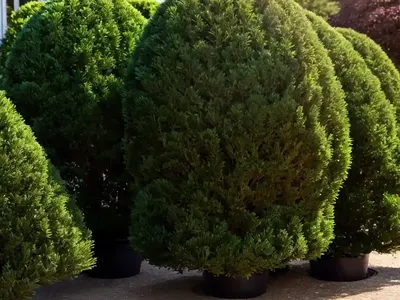
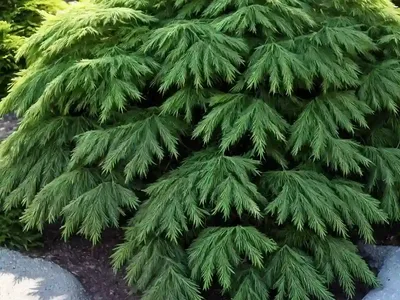
Taxus baccata ‘Standishii’ is a variety of the English Yew, a species belonging to the Taxaceae family. This evergreen shrub is known for its dense, bushy habit and dark green foliage. It is regarded for its ornamental value and has been a favorite in gardens and landscapes for centuries.
This cultivar is distinguished by its upright and columnar growth habit, making it an excellent choice for hedges, screens, or as a standalone specimen. With proper care, it can thrive for many years, adding timeless elegance to any outdoor space.
Key Takeaways – Taxus baccata ‘Standishii’
Let’s start by summarizing the essential points about Taxus baccata ‘Standishii’:
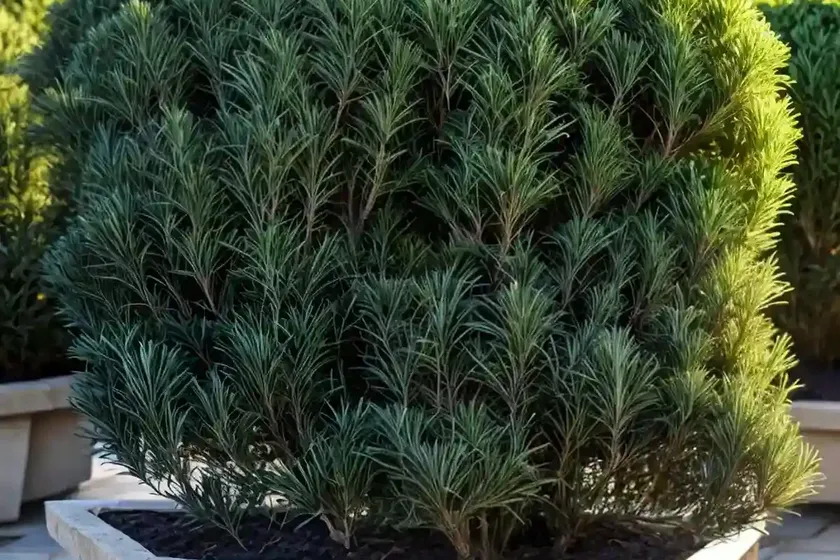
- Characteristics: The Standishii variety exhibits an upright, columnar growth habit, dark green foliage, and a dense, bushy appearance.
- Cultural Requirements: It thrives in well-drained soil, prefers partial to full sunlight, and has moderate water and fertilizer needs.
- Uses: It is commonly used as a hedge, screen, or standalone specimen in gardens and landscapes.
- Maintenance: Regular pruning and shaping are essential to maintain its desired form and density.
- Disease Resistance: It exhibits good resistance to common diseases, making it a durable and reliable plant in the landscape.
Now, let’s delve into each of these aspects in more detail.
Culture
Understanding the cultural requirements of Taxus baccata ‘Standishii’ is crucial for ensuring its optimal growth and health. Let’s explore its needs in terms of water, sunlight, fertilizer, soil, and pruning.
Water
Proper watering is essential for the health of Taxus baccata ‘Standishii.’ While it is relatively tolerant of dry conditions once established, regular watering is necessary, especially during dry spells or when grown in containers.
Tips for Watering:
– Water deeply, allowing the soil to dry slightly between watering sessions to prevent waterlogging.
– Avoid excessive watering, as this can lead to root rot and other issues.
Sunlight
As for sunlight requirements, Taxus baccata ‘Standishii’ thrives in partial to full sunlight. While it can tolerate some shade, it generally performs best when exposed to ample sunlight, which helps maintain its compact and dense growth habit.
Tips for Sunlight Exposure:
– Choose a location with ample sunlight for best growth and density.
– In hot climates, some afternoon shade can be beneficial to prevent stress and sunscald.
Fertilizer
Proper fertilization contributes to the overall health and vigor of Taxus baccata ‘Standishii.’ While it does not have excessive fertility needs, providing essential nutrients can support its growth and development.
Tips for Fertilizing:
– Use a balanced, slow-release fertilizer in early spring to provide the necessary nutrients for the growing season.
– Avoid over-fertilization, as this can lead to excessive foliage growth at the expense of overall plant health.
Soil
The English Yew Standishii variety prefers well-drained soil with a slightly acidic to neutral pH. It is adaptable to various soil types, including loamy, sandy, or clay soils, as long as the drainage is adequate.
Tips for Soil Preparation:
– Amend heavy or compacted soils with organic matter to improve drainage and overall soil structure.
– Perform a soil test to ensure proper pH levels and nutrient availability.
Pruning
Regular pruning is essential to maintain the desired form and density of Taxus baccata ‘Standishii.’ As with many ornamental shrubs, proper pruning helps promote healthy growth, prevents overcrowding, and enhances the plant’s aesthetic appeal.
Pruning Guidelines:
– Prune in late winter or early spring before the onset of new growth.
– Use sharp, clean tools to make precise cuts and avoid damaging the foliage.
Uses
The English Yew Standishii variety offers versatile uses in garden and landscape settings. Its upright, columnar growth habit and evergreen foliage make it a valuable addition with several potential applications.
Hedge or Screen
One of the most common uses of Taxus baccata ‘Standishii’ is as a hedge or screen. Its dense, bushy nature and moderate growth rate make it well-suited for creating boundaries, privacy screens, or windbreaks.
Tips for Hedge Planting:
– Space plants according to their mature width to ensure adequate coverage and density.
– Regular pruning and shaping are crucial to maintain a tidy and uniform hedge.
Standalone Specimen
As a standalone specimen, the English Yew Standishii variety can serve as a focal point in the landscape. Its vertical form and dark green foliage create an elegant presence, especially when planted against contrasting backgrounds or in strategic locations within the garden.
Design Tips:
– Select a prominent location to showcase the plant’s unique form and texture.
– Consider underplanting with colorful perennials or ground cover to enhance visual interest.
Propagation
Propagating Taxus baccata ‘Standishii’ can be achieved through several methods, including cuttings and seed propagation. While it may require some patience and careful attention, successful propagation can expand the presence of this cultivar in gardens and landscapes.
Cuttings
Propagation through cuttings is a common and effective method for reproducing Taxus baccata ‘Standishii.’ Softwood or hardwood cuttings can be used to develop new plants with characteristics similar to the parent plant.
Propagation Steps:
1. Select healthy, disease-free stems for cuttings.
2. Prepare the cuttings and treat them with a rooting hormone to encourage root development.
3. Place the cuttings in a well-draining rooting medium and provide the optimal conditions for rooting to occur.
Seed Propagation
While seed propagation is possible with Taxus baccata ‘Standishii,’ it requires more time and patience due to the slow growth of yew seedlings. Additionally, propagation via seeds may result in genetic variability, potentially producing plants with varying characteristics.
Seed Propagation Tips:
– Collect ripe seeds in autumn and ensure proper storage for viability.
– Sow seeds in a well-draining medium and provide consistent moisture and warmth for germination.
Container Popularity
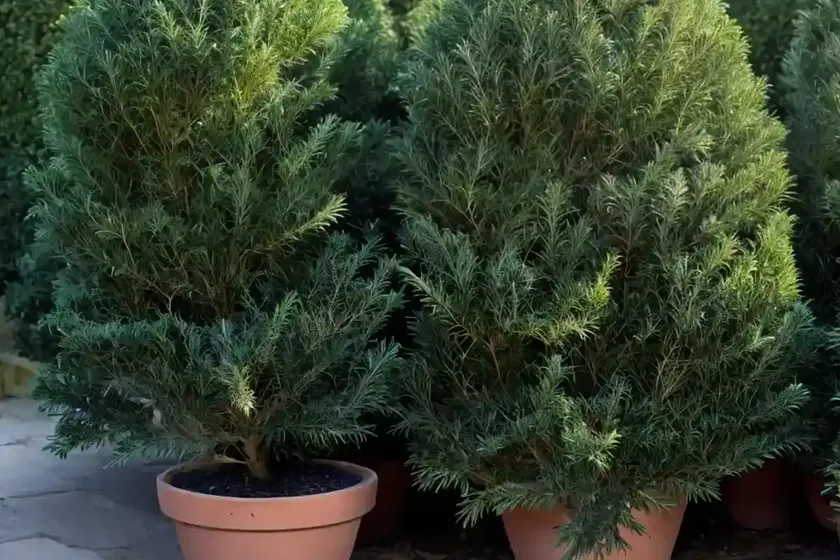
The English Yew Standishii variety is well-suited for container growing, offering a compact and manageable option for adding greenery to patios, balconies, and other outdoor spaces. Its ornamental value and ease of maintenance make it an attractive choice for container gardening enthusiasts.
Container Gardening Tips:
– Choose a large, sturdy container with adequate drainage holes to provide ample space for root development.
– Use a well-draining potting mix and monitor moisture levels regularly, especially during the growing season.
Common Diseases and Pests
Understanding the potential diseases and pests that can affect Taxus baccata ‘Standishii’ is essential for proactive management and care. While this cultivar exhibits good resistance to common issues, vigilance is key to maintaining its health and vigor.
Disease Resistance
The English Yew Standishii variety demonstrates good resistance to many common diseases that can affect yews, such as root rot, cankers, and various fungal infections. However, proper cultural practices and attentive care are essential for preventing issues and promoting overall plant health.
Disease Management:
– Ensure proper soil drainage to prevent waterlogged conditions that can lead to root rot.
– Monitor the plant regularly for signs of discoloration, wilting, or unusual growth, which may indicate the presence of diseases.
Common Pests
While relatively resistant to pests, Taxus baccata ‘Standishii’ may occasionally encounter insect-related challenges. Common pests that can affect yews include aphids, scale insects, and spider mites, among others.
Pest Control Strategies:
– Use horticultural oils or insecticidal soaps to manage small-scale pest infestations.
– Monitor the plant regularly for signs of pest activity, such as stippling, yellowing foliage, or the presence of honeydew.
Botanist’s Tips
As a plant scientist, I recommend the following tips for caring for and enjoying Taxus baccata ‘Standishii’:
- Monitor Soil Moisture: Regularly check the soil moisture levels, especially during hot and dry periods, to ensure the plant’s hydration needs are met without overwatering.
- Prune Wisely: Prune the plant thoughtfully to maintain its natural form while removing dead or damaged branches to promote healthy growth.
- Support Root Health: Protect the root system by avoiding soil compaction and maintaining proper drainage to prevent issues such as root rot.
Fun Facts
- The English Yew (Taxus baccata) has a rich history and cultural significance, often associated with ancient ceremonies and traditions.
- The yew tree’s wood is known for its durability and was historically used to craft longbows.
- Some Taxus baccata specimens are estimated to be thousands of years old, making them among the oldest living organisms on Earth.
Links to External Resources
For further information about Taxus baccata ‘Standishii’ and related topics, consider exploring the following resources:
- Royal Horticultural Society – Taxus baccata ‘Standishii’
- The American Conifer Society – English Yews
As we conclude this comprehensive guide, I hope you have gained valuable insights into the beauty and care of Taxus baccata ‘Standishii.’ Whether used as a hedge, specimen, or container plant, this cultivar offers timeless elegance and enduring appeal in gardens and landscapes.