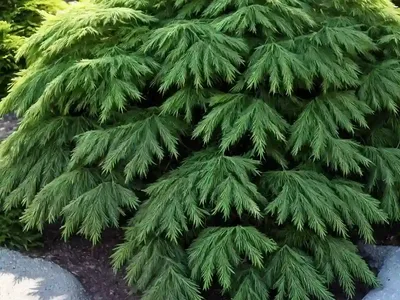
Taxus Baccata ‘Repandens’ (English Yew)
As a plant scientist, I am excited to delve into the fascinating world of Taxus baccata ‘Repandens’. This evergreen shrub, commonly known as the English.


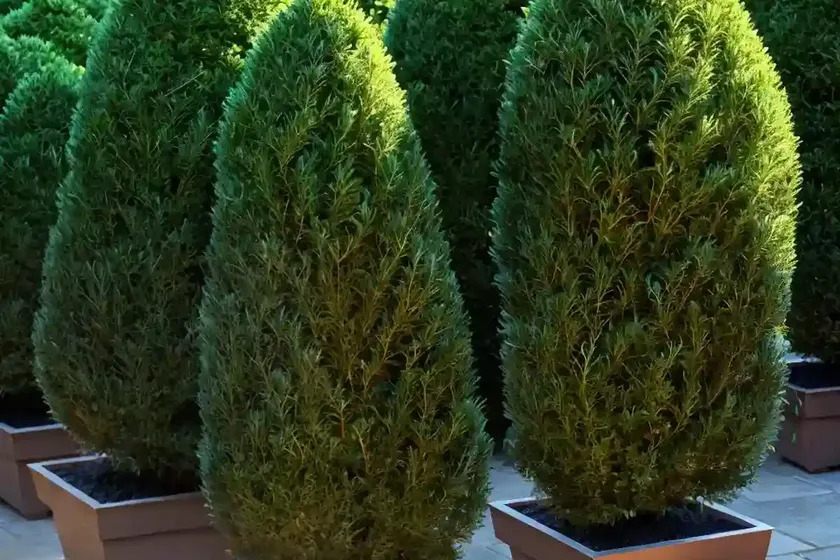
As a plant scientist, I am excited to delve into the fascinating world of Taxus baccata ‘Repandens’. This evergreen shrub, commonly known as the English Yew, offers a plethora of cultivation and care opportunities in various garden settings. In this comprehensive guide, we will explore the characteristics, cultivation tips, care guidelines, uses in garden design, disease prevention, and much more related to Taxus baccata ‘Repandens’.
What is Taxus baccata ‘Repandens’?
Taxus baccata, native to western, central, and southern Europe, northwest Africa, and southwest Asia, belongs to the Taxaceae family. The ‘Repandens’ variety is a low-growing, spreading form of the English Yew. It is lauded for its dense and compact form, making it a popular choice for hedges, borders, and foundation plantings.
Taxus baccata ‘Repandens’ Characteristics
The Taxus baccata ‘Repandens’ exhibits the following key characteristics:
– Low-growing, spreading habit
– Dark green, needle-like foliage
– Capable of reaching a height and spread of 2-3 feet
– Tolerant of heavy pruning, making it ideal for formal gardens and topiary designs
This variety is known for its versatility in different garden designs and its suitability for various landscapes, from coastal gardens to Mediterranean settings.
Key Takeaways – Taxus baccata ‘Repandens’
Cultivation Tips
Successful cultivation of Taxus baccata ‘Repandens’ depends on providing the ideal growing conditions. You need to consider the following factors to ensure its optimal growth:
– Soil: Well-drained, slightly acidic to slightly alkaline soil
– Sunlight: Partial to full shade
– Water: Regular watering during the establishment period and drought-tolerant once established
– Fertilizer: Minimal fertilization requirements, if necessary
– Pruning: Requires occasional pruning to maintain shape and size
– Propagation: Via cuttings or layering
– Container Gardening: Suitable for container plantings
Uses in Garden Design
The English Yew, with its distinct form and dark green foliage, offers numerous applications in garden design, including:
– Hedge and border plantings
– Topiary and formal garden designs
– Evergreen structure in mixed borders
– Groundcover in shaded areas
– Specimen plantings in rock or Japanese gardens
Disease Prevention
As with any plant, disease prevention is crucial for maintaining the health and vigor of Taxus baccata ‘Repandens’:
– Monitor for common diseases such as root rot and needle blight
– Ensure proper air circulation and avoid overwatering to prevent fungal infections
– Prune out diseased or dead branches to minimize disease spread
Care Guide
Caring for Taxus baccata ‘Repandens’ involves providing the necessary maintenance and attention to promote its long-term growth and well-being:
– Regular watering during the establishment period
– Mulching to retain soil moisture and regulate temperature
– Minimal fertilization, if required, with a balanced slow-release fertilizer
– Pruning to maintain desired shape and size
– Monitoring for common pests and diseases
Water
Taxus baccata ‘Repandens’ requires consistent moisture, especially during the establishment period. Proper watering practices are essential to prevent stress and promote healthy growth. When established, it exhibits drought tolerance, making it suitable for low-maintenance landscapes.
Sunlight
This variety thrives in partial to full shade, making it an excellent choice for shaded areas in the garden. Its ability to tolerate low light conditions enhances its versatility in landscape designs, particularly in areas with limited sunlight exposure.
Fertilizer
Taxus baccata ‘Repandens’ exhibits minimal fertilizer requirements. However, if the soil lacks essential nutrients, a balanced slow-release fertilizer can be applied in spring to support growth. Care should be taken to avoid excessive fertilization, which can lead to potential issues.
Soil
Well-drained, slightly acidic to slightly alkaline soil is ideal for the successful growth of Taxus baccata ‘Repandens’. The soil should provide adequate aeration and moisture retention while allowing excess water to drain effectively to prevent waterlogged conditions.
Pruning
Periodic pruning is essential to maintain the desired shape and size of Taxus baccata ‘Repandens’. It responds well to shearing and shaping, making it suitable for hedges, topiary designs, and formal garden settings. Pruning also promotes air circulation within the plant, reducing the risk of disease development.
Propagation
Taxus baccata ‘Repandens’ can be propagated through cuttings or layering, offering opportunities to expand its presence in the garden. Careful attention to propagation techniques and environmental conditions can contribute to successful establishment and growth of new plants.
Container Gardening
The English Yew variety ‘Repandens’ is well-suited for container plantings, adding versatility to its potential uses in various garden settings. Its low-growing and compact nature makes it an excellent choice for ornamental displays in containers on patios, balconies, or as part of a larger mixed arrangement.
Popularity
The Taxus baccata ‘Repandens’ variety enjoys widespread popularity due to its unique characteristics and versatile applications in garden designs. Its suitability for different climates and landscape settings contributes to its appeal among gardeners and landscaping professionals.
Common Diseases
As with any plant, Taxus baccata ‘Repandens’ is susceptible to certain diseases that can affect its overall health and appearance. Understanding and recognizing these common diseases is essential for implementing appropriate preventive measures.
Disease Diagnosis
Diagnosing diseases in Taxus baccata ‘Repandens’ involves careful observation of visible symptoms and signs of distress. Early detection and accurate identification of the specific disease can guide targeted management strategies to minimize the impact on the plant’s health.
Common Pests
Pest infestations can pose challenges to the growth and well-being of Taxus baccata ‘Repandens’. Monitoring for common pests and implementing preventive measures are crucial in maintaining plant health and minimizing potential damage.
Botanist’s Tips
Insights from botanists and horticulturists play a valuable role in understanding the unique attributes of Taxus baccata ‘Repandens’ and the best practices for its cultivation and care. Incorporating expert tips and recommendations can enhance the success of growing this remarkable evergreen shrub.
With the fundamentals of Taxus baccata ‘Repandens’ outlined, let’s explore each aspect in greater detail to provide comprehensive insights and practical guidance for enthusiasts and gardeners.
Taxus baccata ‘Repandens’ Cultivation Tips
The successful cultivation of Taxus baccata ‘Repandens’ is dependent on creating an optimal environment that addresses its specific requirements. From soil preferences to sunlight exposure, understanding the cultivation tips is essential for promoting healthy growth and longevity.
Soil Requirements
Taxus baccata ‘Repandens’ thrives in well-drained soil with a slightly acidic to slightly alkaline pH range. It is essential to ensure proper soil moisture and aeration to support root development and overall plant health. Incorporating organic matter into the soil can enhance its composition and nutrient content, contributing to the plant’s vigor.
Water Needs
Establishing a consistent watering routine is crucial for the initial establishment of Taxus baccata ‘Repandens’. Adequate moisture during the early stages of growth promotes strong root development and overall resilience. Once established, the English Yew variety exhibits moderate to low water requirements, displaying a notable tolerance for drought conditions.
Sun Exposure
Taxus baccata ‘Repandens’ thrives in partial to full shade, making it an excellent choice for shaded areas in the garden. Its ability to flourish in low light conditions enhances its suitability for various landscaping applications, particularly in settings with limited sunlight exposure.
Fertilization Requirements
The fertilizer needs of Taxus baccata ‘Repandens’ are minimal, particularly when planted in nutrient-rich soil. When supplemental fertilization is necessary, a balanced slow-release fertilizer applied in spring can provide the essential nutrients to support healthy growth. Care should be taken to avoid excessive fertilization, which can lead to potential issues such as nutrient imbalances and environmental impact.
Pruning Techniques
Regular pruning is essential for maintaining the desired shape and size of Taxus baccata ‘Repandens’. This low-growing, spreading variety responds well to shearing and shaping, making it suitable for hedges, topiary designs, and formal garden settings. Pruning also promotes air circulation within the plant, reducing the risk of disease development, and enhancing its overall appearance.
Taxus baccata ‘Repandens’ Care Guide
An effective care guide for Taxus baccata ‘Repandens’ encompasses various aspects, from watering practices to disease prevention. By integrating best practices and tailored care routines, gardeners can ensure the health and vibrancy of this striking evergreen shrub.
Watering Tips
Throughout the establishment period, consistent watering is crucial to support the growth and development of Taxus baccata ‘Repandens’. Careful attention to soil moisture levels and adequate hydration promotes healthy root establishment. Once established, the English Yew variety exhibits drought tolerance, requiring minimal supplemental watering.
Fertilization Guidelines
While Taxus baccata ‘Repandens’ displays minimal fertilizer needs, a balanced slow-release fertilizer can be applied in spring if the soil lacks essential nutrients. Prior to fertilization, soil testing can provide valuable insights into its nutrient composition, guiding the appropriate application of fertilizers. Avoiding excessive fertilization is essential to prevent potential adverse effects on the plant and surrounding environment.
Ideal Planting Conditions
Selecting the ideal planting location and conditions is vital for the successful growth of Taxus baccata ‘Repandens’. Factors such as soil quality, sunlight exposure, and moisture levels should be carefully evaluated to provide the optimal environment for the plant’s establishment and long-term development. Creating favorable planting conditions sets the stage for robust and thriving growth.
Disease Prevention Strategies
Implementing proactive disease prevention strategies is essential for safeguarding the health and appearance of Taxus baccata ‘Repandens’. By promoting good airflow, monitoring for signs of disease, and maintaining proper cultural practices, gardeners can mitigate the risk of common diseases and ensure the longevity of this remarkable evergreen shrub.
Growing English Yew (Taxus baccata ‘Repandens’)
The process of growing Taxus baccata ‘Repandens’ encompasses a range of considerations, from selecting the ideal planting location to maintaining its long-term health and vitality. Understanding the specific requirements and care guidelines for this low-growing, spreading variety is essential for achieving successful cultivation and an enduring presence in the garden landscape.
Sunlight and Watering Requirements
Taxus baccata ‘Repandens’ thrives in partial to full shade, making it an excellent choice for shaded areas in the garden. Its ability to tolerate low light conditions enhances its versatility in landscape designs, particularly in areas with limited sunlight exposure. Throughout the establishment period, regular watering is essential to support strong root establishment and overall resilience.
Maintenance and Pruning
Regular maintenance and pruning are integral to the care of Taxus baccata ‘Repandens’, ensuring that the plant maintains its desired shape and size. This variety responds well to shearing and shaping, making it suitable for hedges, topiary designs, and formal garden settings. Pruning also promotes air circulation within the plant, reducing the risk of disease development and enhancing its overall appearance.
Disease Prevention and Monitoring
Vigilant monitoring for signs of disease and proactive disease prevention measures are essential for preserving the health and vigor of Taxus baccata ‘Repandens’. By maintaining proper cultural practices, such as promoting good airflow and avoiding overwatering, gardeners can minimize the risk of common diseases and ensure the enduring beauty of this noteworthy evergreen shrub.
Taxus baccata ‘Repandens’: An Evergreen Shrub
As an evergreen shrub, Taxus baccata ‘Repandens’ offers a wealth of enduring qualities and applications in garden designs. Its dense, dark green foliage and low-growing, spreading habit make it a valuable addition to various garden settings, where its versatility and resilience shine through.
Versatile Applications in Garden Design
The English Yew variety ‘Repandens’ lends itself to a wide array of garden designs, offering versatility and adaptability in different landscapes and settings. From formal garden arrangements to naturalistic compositions, its enduring evergreen presence and distinct form enrich the visual appeal and structural integrity of the garden.
Landscape Design Ideas
Integrating Taxus baccata ‘Repandens’ into landscape designs opens up a realm of creative possibilities, from establishing formal hedges to incorporating it as a groundcover in shaded areas. Its low-growing, spreading habit and dark green foliage provide an enduring backdrop and structural foundation in diverse garden compositions.
Shade-Loving Plant
The shade-tolerant nature of Taxus baccata ‘Repandens’ makes it an ideal choice for shaded garden areas where other plants may struggle. Its capacity to thrive in partial to full shade enhances its value as a foundational element in shaded landscapes, contributing to the overall aesthetic and ecological balance.
Growth Rate and Resilience
The steady growth rate and resilience of Taxus baccata ‘Repandens’ underscore its suitability for various garden applications. Its ability to withstand pruning, tolerate shaded conditions, and present a compact form contribute to its enduring appeal and longevity in the garden landscape.
Botanist’s Tips for Maintaining Taxus baccata ‘Repandens’
Drawing insights from botanists and horticulturists can provide invaluable guidance for the optimal cultivation and care of Taxus baccata ‘Repandens’. Expert tips and recommendations offer practical strategies and nuanced understanding, enhancing the success and enjoyment of growing this distinctive evergreen shrub.
Environmental Considerations
Considering the environmental factors when cultivating Taxus baccata ‘Repandens’ can play a pivotal role in its long-term health and vigor. Factors such as sunlight exposure, soil quality, and moisture levels should be carefully evaluated to create an optimal growing environment that supports the plant’s resilience and overall well-being.
Disease and Pest Management
Understanding the common diseases and pests associated with Taxus baccata ‘Repandens’ enables gardeners to implement targeted management strategies and proactive measures. By integrating disease and pest management practices into the care routine, the plant’s health and appearance can be safeguarded, promoting its enduring presence in the garden landscape.
Pruning and Shaping Techniques
Leveraging pruning and shaping techniques is essential for maintaining the desired form and size of Taxus baccata ‘Repandens’. Insights from botanists can provide valuable guidance on effective pruning practices, ensuring that the plant retains its compact, low-spreading habit and contributes to the overall visual appeal of the garden.
Sustainable Gardening Practices
Adopting sustainable gardening practices in the cultivation and care of Taxus baccata ‘Repandens’ aligns with principles of environmental stewardship and long-term landscape management. By integrating sustainable strategies, such as water-wise practices and organic soil amendments, gardeners can support the plant’s health while minimizing environmental impact.
Propagation Techniques
Exploring propagation techniques under the guidance of botanists offers opportunities to expand the presence of Taxus baccata ‘Repandens’ in the garden landscape. By mastering effective propagation methods and understanding the environmental conditions conducive to successful establishment, gardeners can multiply the plant’s presence and enhance its contribution to the garden composition.
Fun Facts about Taxus baccata ‘Repandens’
Ancient Symbolism
The English Yew, Taxus baccata, holds significant historical and cultural symbolism, often associated with longevity, eternity, and regeneration. Its enduring presence and association with ancient sites and religious traditions enrich its intrinsic value and captivating allure in the garden landscape.
Medicinal Significance
Throughout history, various parts of Taxus baccata have been utilized for medicinal purposes, highlighting the plant’s therapeutic properties and chemical constituents. While caution should be exercised due to its toxic nature, the historical significance of the English Yew in traditional medicine underscores its enduring intrigue and botanical complexity.
Iconic Usage in Topiary Designs
The English Yew variety ‘Repandens’ is esteemed for its suitability in topiary designs, where its low-growing, spreading habit and dense foliage contribute to sculptural elegance and enduring form in the garden. Its iconic usage in topiary artistry underscores its timeless appeal and engaging presence in formal garden settings.
Cultural References
Taxus baccata ‘Repandens’ has been celebrated in literature, art, and cultural traditions, where its distinct form and evergreen character have inspired creative expressions and enduring associations. Its cultural references and symbolic significance underscore its intrinsic value and botanical resonance across diverse human endeavors.
Links to External Resources
For further exploration of Taxus baccata ‘Repandens’ and related topics, the following external resources offer valuable insights and in-depth information:
- Royal Horticultural Society – Taxus baccata ‘Repandens’
- Missouri Botanical Garden – Taxus baccata ‘Repandens’
- University of Florida IFAS Extension – English Yew
- The American Conifer Society – Taxus baccata
- North Carolina State University Extension – English Yew in the Landscape
Conclusion
Taxus baccata ‘Repandens’, known as the English Yew, offers an array of captivating qualities and practical applications in garden designs. Its low-growing, spreading habit and enduring evergreen nature make it a valuable addition to various landscapes, from formal gardens to naturalistic settings. By understanding its specific requirements, integrating best practices, and drawing inspiration from botanical expertise, gardeners can celebrate the enduring beauty and resilience of Taxus baccata ‘Repandens’ in the garden landscape.
This comprehensive guide aims to provide an in-depth exploration of the cultivation, care, and versatile uses of Taxus baccata ‘Repandens’, emphasizing its enduring qualities and captivating presence in diverse garden settings. By incorporating the perspectives of botanists, exploring its historical significance, and understanding its cultural resonance, the narrative surrounding the English Yew is enriched with an appreciation for its botanical complexity and enduring allure.