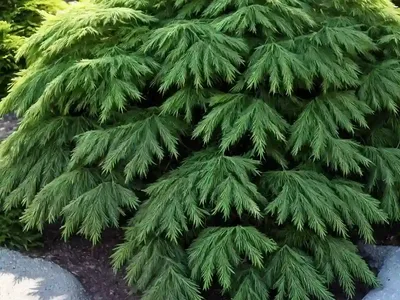
Taxus Baccata ‘Fastigiata’ (Irish Yew)
As a plant scientist, I’ve had the opportunity to study various plant species, each with its unique characteristics and requirements. In this comprehensive.

As a plant scientist, I’ve had the opportunity to study various plant species, each with its unique characteristics and requirements. In this comprehensive guide, we will delve into the world of Taxus baccata ‘Fastigiata,’ commonly known as the Irish Yew. We will explore its cultural considerations, uses, growth requirements, maintenance, common diseases and pests, as well as interesting facts and tips for cultivating this beautiful evergreen tree.
What is Taxus baccata ‘Fastigiata’?
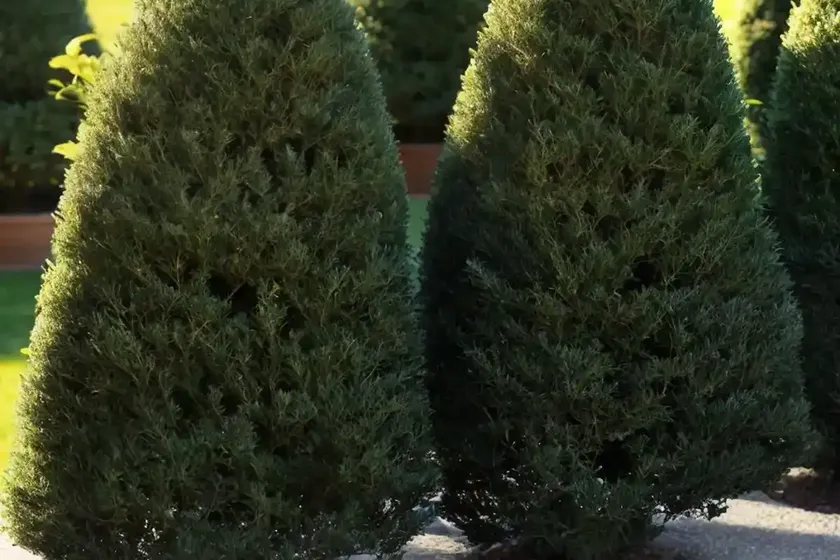
Taxus baccata ‘Fastigiata’ is a cultivar of the European Yew, known for its upright, columnar growth habit and rich green foliage. This species is prized for its ornamental value and is often used in landscaping and garden design for its elegant form and low maintenance requirements.
Key Takeaways – Taxus baccata ‘Fastigiata’ (Irish Yew)
Let’s start by summarizing the key points we will be covering in this comprehensive guide:
- Plant Name: Taxus baccata ‘Fastigiata’ (Irish Yew)
- Common Names: Irish Yew, Fastigiate Irish Yew
- Characteristics: Upright, columnar growth habit
- Uses: Landscaping, ornamental purposes
- Water: Moderate
- Sunlight: Partial to full sun
- Fertilizer: Minimal requirements
- Soil: Well-drained, acidic soil
- Pruning: Regular maintenance pruning
- Propagation: Seed sowing, stem cuttings
- Container Popularity: Well-suited for container growth
- Common Diseases: Phytophthora root rot, needle blight
- Common Pests: Scale insects, mealybugs
- Botanist’s Tips: Landscape design, companion planting
- Fun Facts: Medicinal uses, wildlife attraction
Now, let’s explore each of these aspects in detail.
Culture
Water
The Irish Yew prefers moderate watering, ensuring that the soil remains consistently moist but well-drained. Avoid waterlogged conditions, as this can lead to root rot and other issues. During dry periods, especially in the summer months, it’s important to provide supplemental irrigation to support healthy growth.
Sunlight
When it comes to sunlight requirements, the Irish Yew thrives in partial to full sun conditions. It can tolerate some shade, particularly during hot afternoons in regions with intense sunlight. However, to promote dense and vigorous growth, providing ample sunlight is essential.
Fertilizer
One of the appealing aspects of the Irish Yew is its minimal fertilizer requirements. For established trees, a balanced slow-release fertilizer applied in spring can provide the necessary nutrients for healthy growth. It’s important to follow the recommended application rates to avoid over-fertilization, which can be detrimental to the plant.
Soil
The Irish Yew thrives in well-drained, acidic soil. It’s essential to avoid waterlogged or compacted soils, as this can lead to root suffocation and other issues. Amending the soil with organic matter can improve its drainage and overall quality, creating an optimal growing environment for the Irish Yew.
Pruning
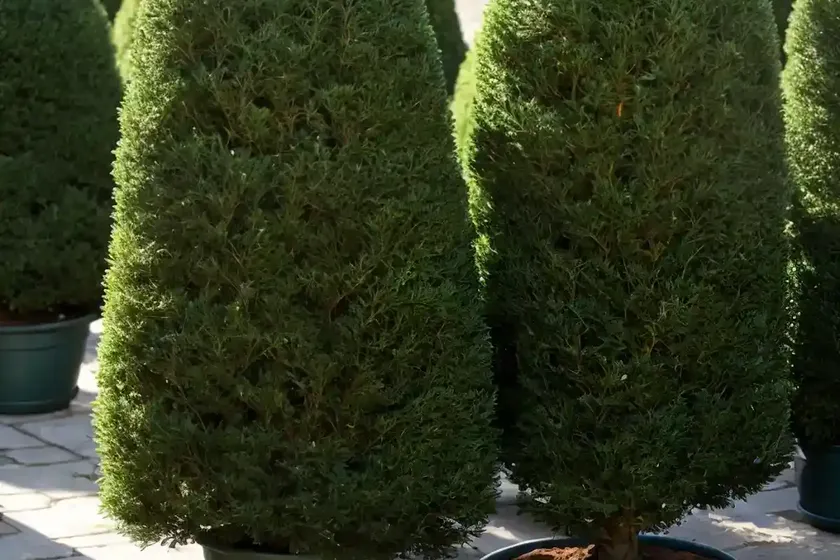
Regular pruning is essential to maintain the desired shape and form of the Irish Yew. It responds well to pruning and can be shaped into hedges, topiaries, or maintained as a standalone specimen. Pruning should be carried out during the dormant season to minimize stress on the plant and promote healthy regrowth.
Propagation
The Irish Yew can be propagated through various methods, including seed sowing and stem cuttings. Both approaches require careful attention to environmental conditions and proper techniques to ensure successful propagation. From a horticultural perspective, propagating Irish Yew can be a rewarding process, allowing for the expansion of this valuable plant species.
Container Popularity
The upright, columnar growth habit of the Irish Yew makes it well-suited for container growth. It can be featured in large container plantings on patios, balconies, or within garden designs to add vertical interest and evergreen charm. When grown in containers, it’s important to monitor soil moisture levels and provide adequate space for root development.
Common Diseases
The Irish Yew may be susceptible to certain diseases, including Phytophthora root rot and needle blight. These issues can arise in poorly drained or overly moist soil conditions, highlighting the importance of proper cultural practices and environmental considerations to prevent disease development.
Common Pests
Pests such as scale insects and mealybugs can pose potential threats to the Irish Yew. Regular inspection and appropriate pest management strategies, including natural predators and targeted treatments, can help mitigate pest infestations and protect the health of the plant.
Botanist’s Tips
As a plant scientist, I often provide landscape design recommendations and tips for incorporating plants into various settings. When it comes to the Irish Yew, it can be used to create formal hedges, border plantings, or as a striking vertical element within the garden landscape. Additionally, companion planting with other complementary species can enhance the visual appeal and ecological value of the planting area.
Fun Facts
Did you know that the Irish Yew holds both ornamental and medicinal significance? Beyond its use in landscaping, certain components of the Yew tree have been utilized in traditional medicine for their potentially beneficial properties. Furthermore, the dense foliage and upright growth habit of the Irish Yew contribute to its role as a habitat and food source for wildlife, including birds.
Now that we’ve explored the various aspects of the Irish Yew, let’s take a moment to appreciate the beauty and versatility of this remarkable plant species.
Links to External Resources
To further enhance your understanding of Taxus baccata ‘Fastigiata’ and its cultivation, I recommend exploring the following resources:
- Royal Horticultural Society – Yew Trees
- University of Florida IFAS Extension – Yew for Florida Landscapes
- Missouri Botanical Garden – Taxus baccata ‘Fastigiata’ Plant Profile
These resources offer valuable insights into the cultural requirements, uses, and maintenance of Taxus baccata ‘Fastigiata’, providing a well-rounded perspective on this captivating plant.
In conclusion, the Irish Yew, with its upright elegance and low maintenance demands, holds a special place in the realm of ornamental plants. Whether incorporated into formal gardens, naturalistic landscapes, or container plantings, the Irish Yew stands as a testament to the enduring appeal and versatility of evergreen trees.
As a plant scientist, I remain inspired by the dynamic nature of plant species and the myriad ways in which they enrich our lives and the environment. With this comprehensive guide, I hope to foster a deeper appreciation for Taxus baccata ‘Fastigiata’ and encourage its thoughtful incorporation into diverse horticultural settings.
Remember to approach plant care with attentiveness and an appreciation for the unique attributes of each species. Through thoughtful cultivation and stewardship, we can continue to celebrate the beauty and resilience of plant life.
References:
1. Royal Horticultural Society – Yew Trees. link
2. University of Florida IFAS Extension – Yew for Florida Landscapes. link
3. Missouri Botanical Garden – Taxus baccata ‘Fastigiata’ Plant Profile. link