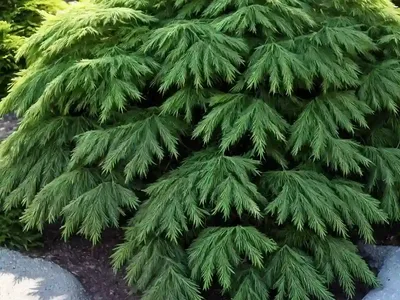
Taxus Baccata ‘Dovastoniana’ (English Yew)
Welcome to the comprehensive guide about Taxus baccata ‘Dovastoniana’, an evergreen conifer that has been widely used in landscapes and gardens. This.



Welcome to the comprehensive guide about Taxus baccata ‘Dovastoniana’, an evergreen conifer that has been widely used in landscapes and gardens. This article will provide a detailed overview of the cultivation, uses, care, propagation, and maintenance of Taxus baccata ‘Dovastoniana’, commonly known as the English Yew. Whether you are a seasoned gardener or a novice plant enthusiast, this guide aims to equip you with the necessary knowledge to grow and care for this remarkable species successfully.
What is Taxus baccata ‘Dovastoniana’?
Taxus baccata, commonly referred to as the English Yew, is a species of yew native to western, central, and southern Europe, northwest Africa, northern Iran, and southwest Asia. It is a large evergreen conifer with dark green foliage, red berries, and a rich history of traditional uses. Taxus baccata ‘Dovastoniana’ is a particular cultivar of the English Yew known for its distinctive characteristics, making it a popular choice for gardens, hedges, and landscaping.
Key Takeaways – Taxus baccata ‘Dovastoniana’
Before delving into the specific aspects of caring for Taxus baccata ‘Dovastoniana’, it’s important to highlight some key takeaways about this noteworthy plant:
- The English Yew’s scientific name is Taxus baccata, and the ‘Dovastoniana’ cultivar is a unique variation of this species.
- This cultivar is favored for its upright, columnar growth habit and vibrant, dark green foliage, adding an elegant touch to garden landscapes.
- Taxus baccata ‘Dovastoniana’ is known for its tolerance of various soil types, making it adaptable to diverse growing conditions.
- While the English Yew is renowned for its ornamental beauty, it also holds historical and symbolic significance, often being associated with longevity and resilience in different cultures.
Now, let’s delve into each aspect of caring for Taxus baccata ‘Dovastoniana’ in more detail.
Culture
Cultivating and nurturing Taxus baccata ‘Dovastoniana’ requires an understanding of its cultural preferences, including water requirements, sunlight exposure, soil conditions, and fertilization needs. By creating an environment that aligns with its cultural preferences, you can foster healthy growth and ensure the plant thrives in its setting.
Uses
Before addressing its cultural needs, it’s essential to recognize the diverse uses of Taxus baccata ‘Dovastoniana’. This cultivar is highly versatile and can be utilized in various landscape and garden settings. Some common uses include:
- Hedging: The dense growth habit and evergreen foliage make Taxus baccata ‘Dovastoniana’ an excellent choice for creating formal hedges that provide year-round structure and privacy.
- Landscaping: Its striking appearance and adaptability allow it to be incorporated into both formal and informal landscape designs, serving as an architectural focal point or a backdrop for other plants.
- Topiaries and Ornamental Plantings: The upright growth habit and rich green foliage make it well-suited for shaping into topiaries and ornamental accents in garden settings.
- Medicinal Purposes: While all parts of Taxus baccata are toxic, the plant has historical significance in herbal medicine, with certain compounds derived from yew trees being used in cancer treatments.
- Symbolic Planting: Due to its longevity and resilience, the English Yew is often planted in memorial gardens, cemeteries, and historical sites as a symbol of remembrance and endurance.
Understanding the diverse uses of Taxus baccata ‘Dovastoniana’ can inspire creative applications and enhance its overall value in horticultural settings.
Water
Proper watering is essential for the health and vitality of Taxus baccata ‘Dovastoniana’. While this cultivar is relatively drought-tolerant once established, adequate moisture is crucial, especially during the establishment phase and in periods of prolonged dryness. Here are some key points to consider regarding watering:
- Establishment: Newly planted Taxus baccata ‘Dovastoniana’ specimens require regular watering to encourage root establishment and growth. Providing consistent moisture during the first year after planting is critical for their survival.
- Mature Plants: Once established, English Yews generally tolerate dry periods well. However, during extended droughts or hot spells, it’s essential to provide supplemental watering to prevent the foliage from browning and maintain overall health.
To determine when to water, it’s beneficial to monitor the soil moisture levels. While Taxus baccata ‘Dovastoniana’ can withstand short periods of dry soil, it’s crucial to avoid waterlogged conditions, as overly wet soils can lead to root rot and other water-related issues.
Sunlight
Understanding the sunlight preferences of Taxus baccata ‘Dovastoniana’ is vital for optimizing its growth and performance in various environments. While this cultivar is renowned for its adaptability to different light conditions, providing the ideal sunlight exposure can enhance its overall vigor and appearance.
- Full Sun: Taxus baccata ‘Dovastoniana’ is capable of thriving in full sun to partial shade, making it a versatile choice for both sunny and partially shaded areas in the landscape. In regions with intense summer heat, however, providing some protection from the harsh afternoon sun can benefit the plant’s health and reduce stress.
- Partial Shade: In areas with hot summers or intense sunlight, positioning English Yews in partial shade or locations with dappled sunlight can help prevent leaf scorch and maintain lush, deep-green foliage.
Understanding the sunlight requirements and adapting planting locations accordingly can help maximize the ornamental value and longevity of Taxus baccata ‘Dovastoniana’ in diverse garden settings.
Fertilizer
An essential component of plant care involves providing proper nutrition to support growth, resilience, and overall health. While Taxus baccata ‘Dovastoniana’ is known for its adaptability to various soil types, supplementing with fertilizer can further enhance its vigor and appearance.
- Timing: Fertilize Taxus baccata ‘Dovastoniana’ in early spring before new growth begins. Applying a slow-release, balanced fertilizer can provide consistent nourishment throughout the growing season.
- Application Rate: Follow the product label instructions to determine the appropriate dosage of fertilizer for your English Yew. Avoid over-fertilizing, as excessive nutrients can lead to imbalanced growth and potential environmental harm.
- Soil Amendments: In some cases, incorporating organic matter such as compost or well-rotted manure into the soil around the plant can provide beneficial nutrients and improve soil structure.
By implementing a systematic fertilization regimen and monitoring the plant’s response, you can ensure that Taxus baccata ‘Dovastoniana’ receives the necessary nutrients to support its growth and development.
Soil
Understanding the soil preferences of Taxus baccata ‘Dovastoniana’ is crucial for creating an optimal growing environment. While this cultivar demonstrates adaptability to various soil types, certain factors, such as drainage and pH level, should be considered when selecting the planting site.
- Drainage: Good drainage is essential for the health of Taxus baccata ‘Dovastoniana’. While it can tolerate a range of soil textures, including clay and loam, it’s imperative to avoid waterlogged conditions, as this can lead to root rot and other moisture-related issues.
- pH Level: English Yews prefer slightly acidic to neutral soil with a pH range of 6.0 to 7.5. Conduct a soil test to determine the existing pH level, and if necessary, adjust it using amendments such as sulfur for lowering pH or lime for raising pH.
Pruning
Pruning plays a significant role in shaping and maintaining the desired form and structure of Taxus baccata ‘Dovastoniana’. Additionally, regular pruning can help manage size, promote denser growth, and rejuvenate the plant as needed. Here are some considerations for pruning this cultivar:
- Timing: Prune Taxus baccata ‘Dovastoniana’ in late winter or early spring before new growth emerges. Performing maintenance pruning during the dormant season can minimize stress on the plant and allow for optimal healing of pruning wounds.
- Techniques: Use sharp, clean pruning tools to make precise cuts, promoting faster healing and reducing the risk of disease transmission. Focus on selective pruning to maintain the plant’s natural form and remove dead, damaged, or overgrown branches.
Understanding the principles of proper pruning and applying appropriate techniques can contribute to the overall health and visual appeal of Taxus baccata ‘Dovastoniana’ throughout its lifespan.
Propagation
Propagating Taxus baccata ‘Dovastoniana’ allows for the expansion of its presence in gardens and landscapes. While this cultivar can be propagated through various methods, such as cuttings and seed germination, certain approaches may yield more reliable results. Here are some propagation methods to consider:
- Cuttings: Propagating Taxus baccata ‘Dovastoniana’ from semi-hardwood cuttings in late summer or early autumn can be an effective method for producing genetically identical plants. Utilize rooting hormone and provide a suitable rooting medium to encourage successful establishment.
Container Popularity
While Taxus baccata ‘Dovastoniana’ is often planted directly in the ground for landscape purposes, it also exhibits favorable characteristics for container cultivation. Whether used for ornamental displays, patio accents, or space-saving solutions, growing this cultivar in containers can offer several benefits and design possibilities.
- Design Versatility: English Yews in containers can be utilized to create vertical interest, frame entrances, or serve as focal points in outdoor spaces. Their upright growth habit and rich green foliage make them well-suited for various container designs.
- Portability: Container-grown Taxus baccata ‘Dovastoniana’ can be easily shifted or rearranged to accommodate changing design preferences or seasonal displays, providing flexibility in garden arrangements.
- Soil Considerations: When growing in containers, ensure the use of well-draining potting mix to prevent waterlogged conditions. Regular monitoring of soil moisture and occasional fertilization can help maintain the plant’s vitality in a containerized environment.
Common Diseases
While Taxus baccata ‘Dovastoniana’ displays resilience to many environmental stressors, including pests and diseases, it is not immune to certain issues that can impact its health and vitality. By understanding common diseases and their associated symptoms, prompt intervention and appropriate management can help mitigate potential damage.
Disease Diagnosis
Diagnosing diseases in Taxus baccata ‘Dovastoniana’ involves identifying specific symptoms and signs that indicate the presence of a particular pathogen or health issue. Here are some common diseases that can affect this cultivar:
- Root Rot (Phytophthora): Affected plants exhibit wilting, yellowing foliage, and overall decline. Inspect the root system for brown, mushy roots, and consider improving drainage to prevent further damage.
- Powdery Mildew: This fungal disease appears as a powdery, white substance on the foliage, affecting the overall appearance and vigor of the plant. Increased air circulation and fungicidal treatments can help control its spread.
- Canker Diseases: Cankers on the branches or trunk of Taxus baccata ‘Dovastoniana’ can lead to dieback and structural weakness. Pruning out affected areas and promoting overall plant health can aid in managing canker diseases.
Common Pests
In addition to diseases, certain pests can pose a threat to the health and vitality of Taxus baccata ‘Dovastoniana’. By recognizing the signs of pest infestations and implementing appropriate control measures, you can effectively safeguard your plants.
Botanist’s Tips
To further enhance your skillset and understanding of Taxus baccata ‘Dovastoniana’, consider the following botanist’s tips for successful cultivation and care:
- Regular Monitoring: Conduct regular inspections of the English Yew for signs of pests, diseases, or nutrient deficiencies. Early detection can facilitate prompt intervention and prevent issues from escalating.
- Soil Amendments: Incorporating organic matter into the soil around Taxus baccata ‘Dovastoniana’ can improve soil structure, enhance nutrient availability, and promote beneficial microbial activity.
- Maintenance Pruning: Schedule routine pruning sessions to maintain the plant’s form, remove dead or diseased branches, and encourage balanced growth.
Fun Facts
In addition to its ornamental and horticultural significance, Taxus baccata ‘Dovastoniana’ also boasts several intriguing and captivating characteristics. Here are some fun facts about this iconic cultivar:
- Historical Significance: English Yew trees have historical ties to ancient cultures and are often found in churchyards and historic estates, symbolizing resilience, longevity, and continuity.
- Toxicity: All parts of Taxus baccata, including the bright red berries, contain toxic compounds. Exercise caution and prevent ingestion by humans and animals.
- Wildlife Support: While toxic to many animals, yew trees provide shelter and nesting sites for a variety of birds, contributing to local biodiversity and ecosystem health.
Links to External Resources
For further information about Taxus baccata ‘Dovastoniana’ care, cultivation, and related topics, explore the following links to external resources:
- Royal Horticultural Society – Taxus baccata
- Missouri Botanical Garden – English Yew
- The American Conifer Society – Taxus baccata ‘Dovastoniana’
In summary, Taxus baccata ‘Dovastoniana’, or the English Yew, represents a captivating and versatile addition to garden landscapes, with its ornamental value, cultural significance, and adaptive nature. By understanding its specific cultural requirements, addressing common issues, and harnessing its unique qualities, you can optimize the growth and beauty of this remarkable cultivar. Whether used as a formal hedge, an accent plant, or a historical icon, Taxus baccata ‘Dovastoniana’ holds a timeless allure and enduring appeal in horticultural practices.