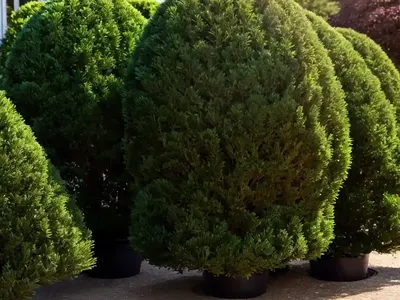
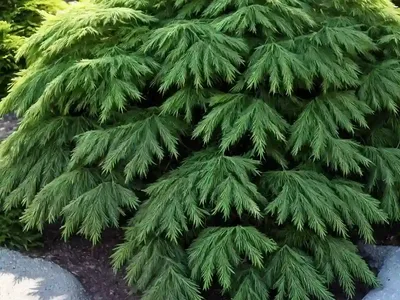
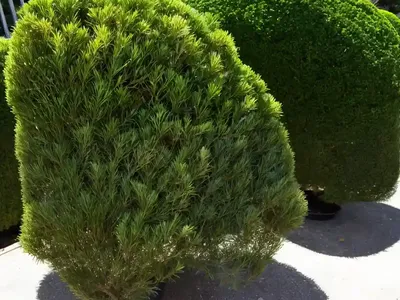
Taxus Baccata ‘David’ (English Yew)
Taxus baccata ‘David,’ commonly known as English Yew, is a classic and versatile plant that has been cultivated and cherished for centuries. Its lush green.
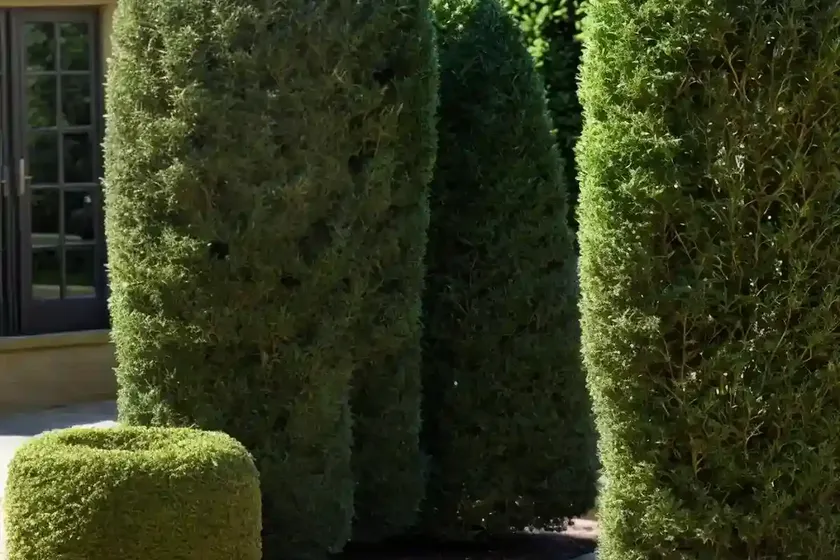

Taxus baccata ‘David,’ commonly known as English Yew, is a classic and versatile plant that has been cultivated and cherished for centuries. Its lush green foliage, compact growth habit, and adaptability make it a favorite among gardeners and landscapers. In this comprehensive guide, we will explore the various aspects of growing and caring for Taxus baccata ‘David,’ from its cultural requirements to its common uses, diseases, and pests. Whether you are a novice gardener or an experienced horticulturist, this guide will provide you with valuable insights into the fascinating world of the English Yew ‘David’.
What is Taxus baccata ‘David’ (English Yew)?
Taxus baccata ‘David’ is a cultivar of the species Taxus baccata, which belongs to the family Taxaceae. Native to western, central, and southern Europe, as well as northwest Africa, the English Yew is an evergreen conifer that can grow up to 20-40 feet in height. It is known for its dense, dark green foliage and its ability to thrive in a variety of environmental conditions. The ‘David’ cultivar is particularly valued for its compact growth habit and suitability for ornamental use in gardens and landscapes.
Key Takeaways – Taxus baccata ‘David’
Before delving into the specifics of caring for Taxus baccata ‘David,’ let’s highlight some key takeaways about this remarkable plant:
- Common Name: English Yew ‘David’
- Botanical Name: Taxus baccata ‘David’
- Cultural Uses: Ornamental landscaping, hedging, topiary, medicinal applications
- Water Requirements: Moderate
- Sunlight Needs: Partial to full sun
- Fertilizer: Balanced, slow-release fertilizer
- Soil Requirements: Well-draining, slightly acidic soil
- Pruning: Regular maintenance pruning to shape and control size
- Propagation: From seeds or semi-hardwood cuttings
- Container Popularity: Well-suited for container gardening
- Common Diseases: Phytophthora root rot, Cylindrocladium needle cast
- Common Pests: Scale insects, aphids, spider mites
These key takeaways provide an overview of the essential aspects of Taxus baccata ‘David’ care and cultivation, which we will explore in detail throughout this guide.
Culture
Uses
Taxus baccata ‘David’ is valued for a wide range of cultural uses, making it a versatile and popular choice for both ornamental and practical applications. Some of its primary uses include:
- Ornamental Landscaping: The compact and dense growth habit of English Yew ‘David’ makes it an ideal choice for creating formal hedges, borders, and specimen plants in gardens and landscapes.
- Topiary: Its malleable nature and responsiveness to pruning make Taxus baccata ‘David’ well-suited for topiary and formal garden designs, where it can be shaped into various geometric and ornamental forms.
- Medicinal Applications: Throughout history, various parts of the Taxus baccata plant have been used for their medicinal properties. However, it is important to note that certain parts of the plant, particularly the seeds and needles, are highly toxic and should not be ingested without proper knowledge and guidance.
Water
As with most plants, water is an essential component of maintaining the health and vigor of Taxus baccata ‘David.’ Understanding the water requirements of this cultivar is crucial for achieving optimal growth and preventing potential issues such as root rot and dehydration.
- Water Requirements: English Yew ‘David’ prefers moderate moisture levels and well-drained soil. While it can tolerate occasional dry spells, it is important to provide regular watering, especially during periods of drought, to ensure the plant’s overall health and vitality.
- Watering Guidelines: When watering Taxus baccata ‘David,’ it is important to strike a balance to avoid waterlogging or prolonged dryness. In general, a deep watering once or twice a week, depending on the climate and soil conditions, is sufficient. During hot and dry weather, increased watering may be necessary to prevent stress and dehydration.
Sunlight
The availability of sunlight greatly influences the growth, appearance, and overall well-being of Taxus baccata ‘David.’ Understanding the sunlight needs of this cultivar is essential for determining its placement in the landscape and ensuring its long-term success.
- Sunlight Requirements: English Yew ‘David’ thrives in partial to full sun, although it can also tolerate moderate shade. When planted in a location with ample sunlight, the plant exhibits dense and vibrant foliage, enhancing its ornamental appeal.
- Plant Placement: When selecting a planting site for Taxus baccata ‘David,’ consider the sun exposure throughout the day and ensure that it aligns with the plant’s preferences. In regions with intense summer heat, providing some shade during the hottest part of the day can benefit the plant and prevent stress.
Fertilizer
Proper fertilization is essential for promoting healthy growth and vitality in Taxus baccata ‘David.’ Utilizing the right type and application of fertilizers can significantly impact the plant’s overall performance and appearance.
- Fertilizer Type: A balanced, slow-release fertilizer with a relatively equal proportion of nitrogen, phosphorus, and potassium (e.g., 10-10-10 or 20-20-20) is suitable for Taxus baccata ‘David.’ This type of fertilizer provides a steady supply of essential nutrients over an extended period, promoting sustained growth and dense foliage.
- Application Frequency: Apply fertilizer to Taxus baccata ‘David’ in early spring, before the onset of new growth, and again in late spring or early summer to support the plant’s seasonal development. Avoid excessive fertilization, as it can lead to nutrient imbalances and potential stress on the plant.
Soil
The soil composition and quality play a pivotal role in the successful cultivation of Taxus baccata ‘David.’ Understanding the soil requirements and making appropriate adjustments can contribute to the plant’s overall health and vigor.
- Soil Type: English Yew ‘David’ thrives in well-drained, slightly acidic soil with a pH range between 6.0 and 6.5. The ideal soil texture is loamy or clay loam, providing a balance of moisture retention and drainage.
- Soil Amendments: If the native soil is heavy or compacted, amending it with organic matter such as compost or peat moss can improve its texture and drainage capabilities. Additionally, incorporating a layer of mulch around the base of the plant can help retain moisture and regulate soil temperature.
Pruning
Regular pruning and maintenance are essential for shaping and controlling the size of Taxus baccata ‘David’ and ensuring its aesthetic appeal in the landscape. Understanding the principles and techniques of pruning can help achieve the desired form and density of the plant.
- Pruning Timing: The best time to prune Taxus baccata ‘David’ is in late winter to early spring, before the onset of new growth. This allows the plant to direct its energy towards the development of new shoots and foliage following the pruning process.
- Pruning Techniques: When pruning English Yew ‘David,’ strive to maintain its natural shape while selectively removing overgrown or straggling branches. Utilize sharp, clean pruning tools to make precise cuts, and avoid excessive pruning of the inner foliage, as it may hinder the plant’s growth and density.
Propagation
The propagation of Taxus baccata ‘David’ enables gardeners and horticulturists to expand their plant collection and share the beauty of this cultivar with others. Understanding the methods of propagation can provide new opportunities for cultivating English Yew ‘David’ in various settings.
- Propagation from Seeds: While Taxus baccata ‘David’ can be propagated from seeds, this method requires patience and may take several years for the plants to reach maturity. Additionally, the seeds contain toxic compounds and should be handled with care.
- Propagation from Cuttings: Propagating English Yew ‘David’ from semi-hardwood cuttings offers a more efficient and predictable means of producing new plants. Select healthy, non-flowering shoots in late summer or early autumn, and follow established protocols for rooting and nurturing the cuttings until they establish strong root systems.
Container Popularity
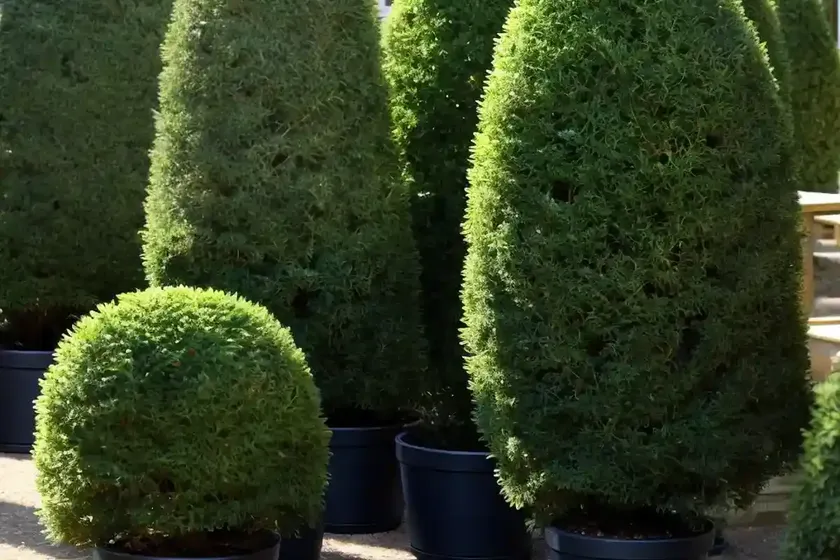
Taxus baccata ‘David’ is well-suited for container gardening, offering a versatile and compact option for enhancing outdoor spaces and creating dynamic arrangements on patios, balconies, and entrances.
- Container Selection: When growing English Yew ‘David’ in containers, choose pots or planters with adequate drainage holes and sufficient space for root development. The use of lightweight, non-porous containers can help regulate soil moisture and prevent waterlogging.
- Cultural Care: Container-grown Taxus baccata ‘David’ requires regular watering and occasional fertilization to support its growth within the confined space. Monitor the soil moisture levels and provide appropriate support or staking if the plant tends to lean or sway in the container.
Common Diseases
While Taxus baccata ‘David’ is generally resilient, it is susceptible to certain diseases that can impact its health and appearance. Familiarizing yourself with common diseases and their diagnosis is essential for implementing timely and effective measures to protect the plant.
Disease Diagnosis
- Phytophthora Root Rot: This soil-borne disease can affect the root system of Taxus baccata ‘David,’ leading to wilted foliage, stunted growth, and eventual dieback. Symptoms of Phytophthora root rot include yellowing or browning of the needles, particularly in the lower portion of the plant.
- Cylindrocladium Needle Cast: This fungal disease targets the foliage of Taxus baccata ‘David,’ causing the needles to develop brown or purplish spots and eventually fall off. In severe cases, defoliation can occur, weakening the plant and inhibiting its ability to photosynthesize effectively.
Disease Prevention and Management
- Cultural Practices: Implementing proper cultural practices, such as maintaining good soil drainage, avoiding overwatering, and promoting optimal air circulation, can help prevent the onset and spread of common diseases in Taxus baccata ‘David.’
- Fungicidal Treatments: In cases where disease pressure is high or previous infections have occurred, applying appropriate fungicidal treatments following professional recommendations can help manage and control diseases effectively.
Common Pests
In addition to diseases, Taxus baccata ‘David’ may encounter pest pressures that can jeopardize its health and aesthetic appeal. Understanding the common pests and their management strategies is crucial for preserving the vitality of the plant.
- Scale Insects: These small, immobile pests can infest the foliage and stems of Taxus baccata ‘David,’ leading to yellowing, stunted growth, and a sticky substance known as honeydew. Encouraging natural predators, such as ladybugs, and utilizing horticultural oils can help control scale insect populations.
- Aphids: Aphids are another common pest that may target English Yew ‘David,’ feeding on the sap and causing distorted growth and yellowing of the foliage. Pruning infested shoots and employing insecticidal soaps can effectively manage aphid infestations.
Botanist’s Tips
By incorporating the insights of experienced botanists and horticulturists, you can elevate your approach to growing and caring for Taxus baccata ‘David.’ The following tips offer valuable guidance for maximizing the plant’s potential and addressing specific considerations.
- Regular Inspections: Routinely observe and inspect the foliage, stems, and overall condition of Taxus baccata ‘David’ to identify any signs of stress, disease, or pest infestation. Early detection can significantly impact the effectiveness of treatment and intervention.
- Balanced Nutrition: Ensure that the plant receives adequate and balanced nutrition through appropriate fertilization and soil amendment, supporting its growth and resilience to environmental stressors.
- Pruning Techniques: Practice precision and discernment when pruning English Yew ‘David,’ focusing on maintaining its natural form while removing dead or damaged foliage to enhance its aesthetic appeal.
Fun Facts
1. Historical Significance
- Taxus baccata has a rich historical association, often featuring in mythological narratives and traditional folklore. Its longevity and resilience have contributed to its symbolism as a representation of endurance and strength.
2. Longevity
- Some individual English Yew trees are estimated to be thousands of years old, bearing witness to significant historical events and environmental changes. Their enduring presence in landscapes and gardens underscores their remarkable longevity.
3. Ornamental Diversity
- While Taxus baccata ‘David’ is prized for its compact growth habit and suitability for formal designs, other cultivars and varieties of the species exhibit a diverse range of growth habits, foliage colors, and ornamental features, contributing to the overall appeal of the plant genus.
Links to External Resources
For further exploration and reference, here are some valuable external resources related to Taxus baccata ‘David’ care, cultivation, and horticultural significance:
- The Royal Horticultural Society (RHS) – Taxus baccata ‘David’
- Kew Royal Botanic Gardens – Taxus baccata
- Missouri Botanical Garden – Taxus baccata ‘David’
- The American Conifer Society – Taxus baccata
This compilation of external resources provides a breadth of information and perspectives on Taxus baccata ‘David’ and its broader taxonomic and horticultural context.
In conclusion, Taxus baccata ‘David’ (English Yew) exemplifies a timeless and enduring presence in gardens, landscapes, and cultural narratives. By understanding its unique characteristics, cultural requirements, and potential challenges, we can appreciate and cultivate this remarkable plant with informed care and appreciation for its botanical legacy. Whether used for ornamental landscaping, topiary, or symbolic significance, English Yew ‘David’ continues to captivate and inspire plant enthusiasts and horticulturalists worldwide.
As we continue to explore the limitless diversity of plant life, Taxus baccata ‘David’ stands as a testament to the enduring appeal and adaptability of the botanical world, enriching our landscapes and contributing to our collective horticultural heritage.