Taxodium Distichum (Bald Cypress)
Taxodium distichum, commonly known as the Bald Cypress, is a magnificent tree species that has both aesthetic and ecological value. As a plant scientist, I.
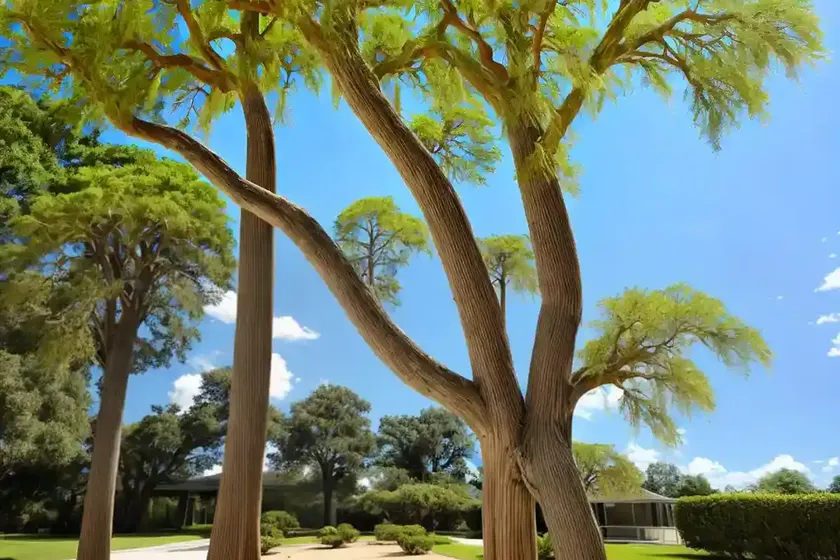
Taxodium distichum, commonly known as the Bald Cypress, is a magnificent tree species that has both aesthetic and ecological value. As a plant scientist, I am thrilled to share valuable insights about this unique species with fellow enthusiasts, gardeners, and nature lovers. In this comprehensive guide, I will explore the growth habits, care tips, diseases and pests, characteristics, uses, and various other aspects related to Taxodium distichum.
Introduction to Taxodium distichum
The Taxodium distichum, belonging to the Cupressaceae family, is a deciduous conifer native to the southeastern region of the United States. This majestic tree is known for its distinctive visual appeal, resilience, and remarkable ecological contributions. Its scientific name “Taxodium distichum” is derived from the Latin word “taxus,” which means “yew,” and the Greek words “di,” which means “two,” and “stichos,” which means “rows,” referring to its two-ranked leaves. The term “Bald Cypress” alludes to its deciduous nature, as it sheds its needles during the fall season, similar to a balding process.
Key Takeaways – Taxodium distichum (Bald Cypress)
Before delving into the specifics, let’s highlight some key takeaways regarding Taxodium distichum.
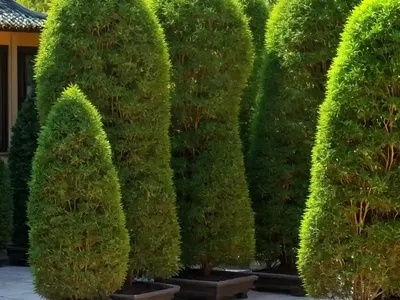
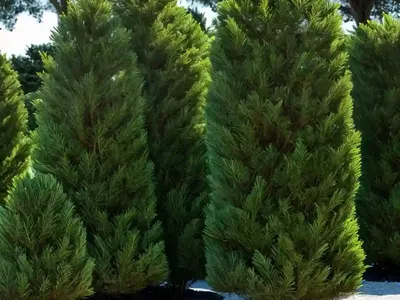
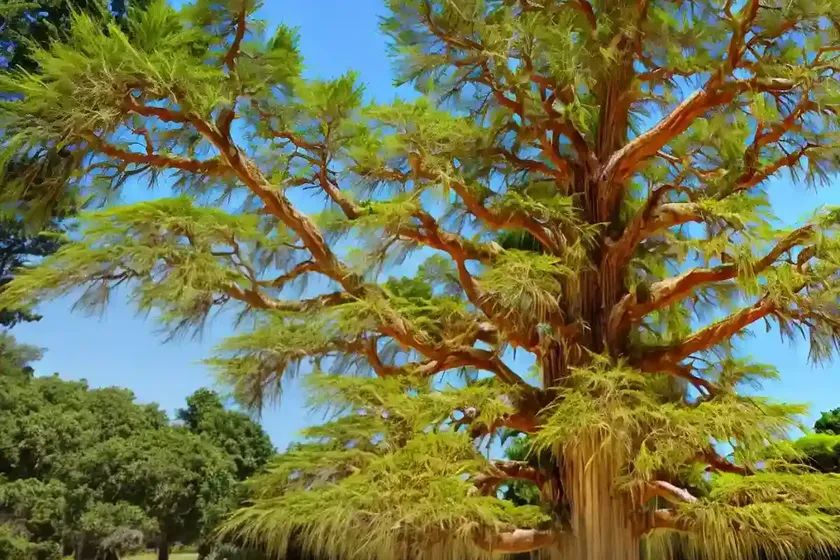
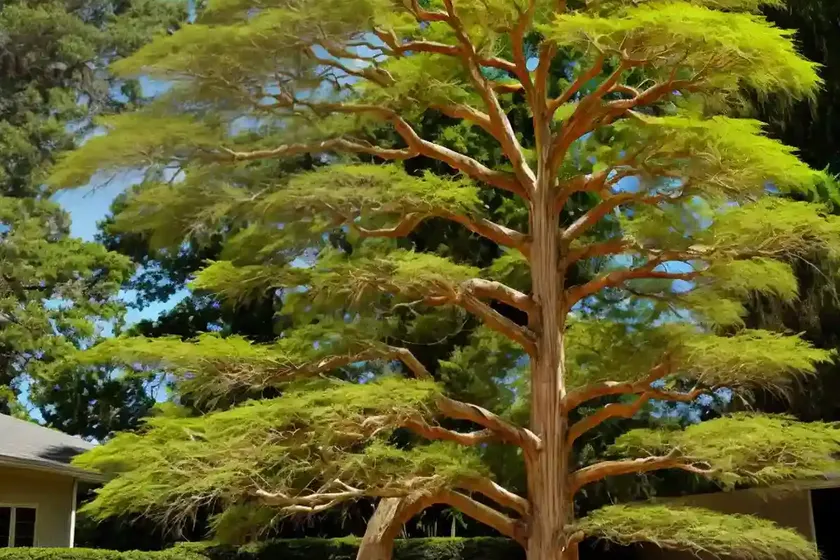
- Growth Habit: Taxodium distichum exhibits a conical to pyramidal growth habit, with a straight central trunk and horizontal or drooping branches.
- Care Tips: Proper maintenance, suitable watering, and sun exposure are essential for the well-being of Bald Cypress trees.
- Diseases and Pests: While generally hardy, Taxodium distichum is susceptible to certain diseases and pests, which require proactive management.
- Characteristics: Distinctive features include needle-like leaves, intricate root systems, and a conical crown structure.
- Cultivation: Understanding the optimal conditions for growth is crucial for successful cultivation of Taxodium distichum.
- Landscaping Uses: These trees are utilized in landscaping for their ornamental value, environmental benefits, and adaptability.
- Hardiness: Taxodium distichum demonstrates resilience in various environmental conditions, including flood and drought tolerance.
- Soil Preferences: Thrives in acidic, loamy, moist soils with good drainage.
- Root Development: Remarkable root systems contribute to soil stabilization and erosion control.
- Wildlife Benefits: Offers refuge, nesting sites, and food sources for various wildlife species.
Now that we have outlined the key points, let’s delve into the detailed aspects of Taxodium distichum, covering its culture, uses, care requirements, diseases, pests, and more.
Culture of Taxodium distichum
Understanding the cultural requirements of Taxodium distichum is vital for successful cultivation and growth. From water and sunlight needs to soil preferences, each aspect plays a significant role in nurturing these magnificent trees.
Water
One of the defining features of Taxodium distichum is its ability to thrive in both wet and dry conditions. While it exhibits remarkable adaptability to waterlogged areas, it can also withstand periods of drought once established. This resilience makes it a valuable asset in various ecosystems, from floodplains to upland settings. When cultivating Bald Cypress trees, it is crucial to consider the following water-related aspects:
-
Water Requirements: Young plants require regular watering to establish strong root systems. Adequate moisture is essential during the initial growth stages. Once established, they exhibit good drought tolerance, but occasional deep watering during prolonged dry spells is beneficial.
-
Flood Tolerance: Taxodium distichum is famous for its ability to thrive in waterlogged soil and flood-prone areas. This unique adaptation contributes to its ecological significance in wetland ecosystems and riparian zones.
-
Water Purification Abilities: The extensive root systems of Bald Cypress trees contribute to water purification by trapping sediments and absorbing excess nutrients, thereby improving water quality in aquatic environments.
-
Waterlogging Tolerance: While it adapts well to flooded conditions, prolonged waterlogging can be detrimental to the health of Taxodium distichum. It is essential to avoid extended periods of stagnant water around the roots, especially in urban landscapes and confined spaces.
Sunlight
Proper sunlight exposure is crucial for the healthy growth and development of Taxodium distichum. These trees exhibit a preference for full sunlight, thriving in open areas with ample direct sunlight throughout the day. When considering sunlight requirements for Bald Cypress trees, it is important to note the following:
-
Sunlight Preferences: Taxodium distichum thrives in full sun, displaying optimal growth and vigor when provided with abundant sunlight. Adequate exposure to sunlight is essential for the development of a strong crown structure and lush foliage.
-
Shade Tolerance: While these trees prefer full sun, they can tolerate partial shade, especially in their early years. However, prolonged shade can lead to reduced growth and sparse foliage.
-
Energy Efficiency: The efficient capture and utilization of solar energy contribute to the robust growth and vitality of Taxodium distichum, enabling them to thrive in diverse environmental conditions.
Fertilizer
Proper fertilization can enhance the growth and vitality of Taxodium distichum, especially in nutrient-deficient soils or during the early stages of establishment. However, these trees generally thrive in nutrient-rich, organic soils, especially in their natural wetland habitats. When considering fertilization for Bald Cypress trees, the following guidelines should be kept in mind:
-
Soil Nutrient Levels: Assess the nutrient content of the soil before initiating fertilization. In nutrient-deficient soils, balanced fertilization can promote healthy growth and development.
-
Organic Amendments: Utilize organic fertilizers and soil amendments to enrich the soil and enhance its nutrient-holding capacity. Organic matter promotes soil structure and beneficial microbial activity, supporting the long-term health of Taxodium distichum.
-
Balanced Formulation: When applying fertilizers, opt for a balanced formulation with a moderate release rate. Avoid excessive nitrogen application, especially in wetland or aquatic settings, to prevent nutrient imbalances and adverse environmental impacts.
Soil
Understanding the soil preferences and requirements of Taxodium distichum is crucial for successful cultivation and establishment. These trees exhibit a preference for acidic, loamy soils with good drainage, which mirrors their natural habitat in wetland and riparian environments. Consider the following soil-related aspects for cultivating Bald Cypress trees:
-
Soil pH: Thrives in acidic soils with pH levels ranging from 5.0 to 6.5. Acidic soils support the availability of essential nutrients and minerals, promoting healthy growth and root development in Taxodium distichum.
-
Moisture Retention: While adaptable to wetland conditions, Bald Cypress trees benefit from well-drained soils that retain moisture without causing waterlogged conditions. Loamy soils with good drainage facilitate the optimal balance of moisture retention and aeration.
-
Organic Content: Soil rich in organic matter supports the growth and vitality of Taxodium distichum. Organic content enhances soil structure, nutrient availability, and microbial activity, creating a conducive environment for robust root development and overall plant health.
Pruning
Pruning is an essential aspect of tree maintenance, contributing to overall health, aesthetics, and structural integrity. When it comes to Taxodium distichum, pruning is particularly important for shaping the crown, managing growth, and addressing any dead or diseased branches. Consider the following guidelines for pruning Bald Cypress trees:
-
Pruning Techniques: Utilize proper pruning techniques to shape the crown and maintain a desirable form. Remove any dead, damaged, or crossing branches to promote air circulation and reduce disease incidence.
-
Seasonal Timing: Perform pruning during the dormant season to minimize stress and sap loss. Late winter or early spring is an optimal time for pruning Taxodium distichum, allowing for new growth to emerge following the pruning process.
-
Cautionary Measures: Exercise caution when pruning near water bodies or in wetland settings to minimize potential impacts on aquatic habitats. Prioritize the conservation of riparian zones and wetland ecosystems while performing pruning activities.
Uses of Taxodium distichum
Taxodium distichum, or the Bald Cypress, holds significant cultural, ecological, and commercial value, contributing to a wide array of uses and applications. From landscaping to timber production, these remarkable trees play a multifaceted role in various sectors. Let’s explore the diverse uses of Taxodium distichum:
Timber Uses
One of the primary commercial uses of Taxodium distichum is in timber production. The wood of Bald Cypress trees possesses valuable characteristics that make it sought after for diverse construction and woodworking applications. Consider the following aspects related to the timber uses of Taxodium distichum:
-
Wood Characteristics: The heartwood of Taxodium distichum exhibits natural resistance to decay, making it highly durable and suitable for outdoor applications. It is prized for its rot-resistant qualities, making it ideal for exterior construction, including siding, decking, and outdoor furniture.
-
Lumber Quality: The lumber derived from Bald Cypress trees is known for its straight grain, fine texture, and attractive coloration, ranging from pale yellow to reddish-brown. These attributes contribute to its appeal in high-quality woodworking and interior finishing applications.
-
Uses in Construction: Taxodium distichum wood is utilized in various construction projects, including the production of docks, piers, and boats due to its resilience in aquatic environments. It is also employed in the construction of fences, posts, and outdoor structures.
Landscaping and Ornamental Value
Taxodium distichum is widely utilized in landscaping and horticulture for its ornamental qualities, aesthetic appeal, and environmental benefits. These trees enhance the visual landscape while providing valuable ecological functions. Consider the following aspects of the landscaping and ornamental uses of Bald Cypress trees:
-
Aesthetic Value: The feathery, deciduous foliage of Taxodium distichum creates a striking visual impact, especially during the fall season when the needles turn a vibrant russet-brown before shedding. The elegant form and picturesque appearance make it a popular choice in landscape design.
-
Environmental Benefits: As a riparian and wetland species, the inclusion of Taxodium distichum in landscaping projects contributes to water retention, erosion control, and habitat creation. Its flood tolerance and water purification abilities make it an asset in ecological restoration initiatives.
-
Adaptability: These trees demonstrate adaptability to diverse soil types and moisture conditions, making them suitable for a wide range of landscaping applications, from urban environments to naturalized water features.
Ecological Role and Wildlife Habitat
In its natural habitat and cultivated landscapes, Taxodium distichum serves as a vital component of ecosystem health, providing habitat, food sources, and refuge for diverse wildlife species. The ecological significance of Bald Cypress trees is underscored by their contributions to wetland conservation and wildlife support. Consider the following ecological uses and wildlife benefits associated with Taxodium distichum:
-
Wetland Conservation: As a prominent species in wetland ecosystems, Taxodium distichum contributes to the conservation and restoration of wetland habitats. Its role in stabilizing soils, enhancing water quality, and providing habitat for wetland flora and fauna is pivotal for wetland conservation efforts.
-
Wildlife Habitat: Bald Cypress trees offer nesting sites for birds, roosting opportunities for bats, and shelter for various small mammals. The cones of Taxodium distichum provide a food source for birds and other wildlife, contributing to the ecological food web in riparian and wetland environments.
-
Carbon Sequestration: The extensive root systems of Taxodium distichum contribute to carbon sequestration, capturing and storing carbon in wetland soils. This ecological service is essential for mitigating climate change and maintaining carbon balance in the environment.
Propagation of Taxodium distichum
Propagation of Taxodium distichum, whether for ecological restoration or horticultural purposes, involves specific techniques to ensure successful establishment and growth. While propagation methods can vary, understanding the fundamental principles is essential for achieving favorable outcomes. Here are the primary methods of propagating Bald Cypress trees:
Seed Propagation
Seed propagation is one of the common methods for cultivating Taxodium distichum, especially in ecological restoration projects and large-scale plantings. The process involves collecting and germinating seeds to produce seedlings for subsequent transplantation. Consider the following steps for seed propagation of Taxodium distichum:
-
Seed Collection: Collect mature cones from established Taxodium distichum trees. Extract the seeds from the cones and ensure their viability by conducting tests for germination rates.
-
Seed Germination: Germinate the seeds in a well-draining substrate, maintaining adequate moisture and warmth. The use of a germination chamber or greenhouse settings can facilitate optimal germination conditions.
-
Seedling Care: Once the seeds have germinated and produced seedlings, care for them in a nurturing environment with suitable light, water, and nutrients. Protect the young seedlings from excessive heat, drying, or pest damage.
-
Hardening Off: Prior to transplantation, acclimate the seedlings to outdoor conditions through a process known as “hardening off.” Gradually expose them to outdoor elements to strengthen their tolerance to environmental stressors.
Vegetative Propagation
While less commonly utilized than seed propagation, vegetative propagation methods such as cuttings and layering can be employed to propagate Taxodium distichum. These techniques offer advantages in retaining the genetic characteristics of desirable parent trees. Consider the following methods for vegetative propagation of Bald Cypress trees:
-
Cuttings: Select healthy, semi-hardwood cuttings from established Taxodium distichum trees. Treat the cuttings with rooting hormones to enhance root development, then plant them in a suitable rooting medium. Maintain optimal humidity and temperature to facilitate rooting and new growth.
-
Layering: Layering involves inducing roots on a branch or stem while it is still attached to the parent tree. This method can be employed to produce rooted sections that can be separated and transplanted as independent individuals.
Container Cultivation of Taxodium distichum
The container cultivation of Taxodium distichum offers an alternative approach for growing these trees in constrained spaces such as urban environments, patios, and small gardens. When cultivating Bald Cypress trees in containers, certain considerations and practices are essential for ensuring optimal growth and long-term health:
-
Container Size: Select large, sturdy containers with ample room for root development. The size of the container should accommodate the mature size of Taxodium distichum, providing sufficient space for the roots to spread and ensuring stability.
-
Drainage: Ensure that the containers have adequate drainage holes to prevent waterlogging and allow excess moisture to escape. Consider using a well-draining potting mix to maintain optimal moisture levels without creating waterlogged conditions around the roots.
-
Watering: Monitor the moisture levels in the container, providing regular but not excessive watering to sustain healthy growth. Container-grown Taxodium distichum may require more frequent watering, especially during hot and dry periods.
-
Sunlight: Place the containers in a location that receives ample sunlight, preferably in full sun. Adequate exposure to sunlight is crucial for the vigor and vitality of Bald Cypress trees, even when grown in containers.
-
Fertilization: Apply a balanced, slow-release fertilizer to container-grown Taxodium distichum to ensure sufficient nutrient availability for continuous growth. Follow recommended fertilization practices to avoid excessive nutrient buildup in the container medium.
-
Root Development: Monitor the root development within the container, repotting the tree into a larger container as necessary to accommodate ongoing root growth. Healthy root development is essential for sustaining the overall health and vigor of container-grown Taxodium distichum.
Common Diseases of Taxodium distichum
While Taxodium distichum is generally resilient, it is susceptible to certain diseases that can impact its health and vitality. Proactive management and early detection of these diseases are essential for maintaining the well-being of Bald Cypress trees. Here are some common diseases that can affect Taxodium distichum:
Phytophthora Root Rot
Phytophthora root rot is a significant concern for Taxodium distichum, particularly in waterlogged or poorly drained soils. This soil-borne pathogen can cause root and crown rot, leading to reduced vigor, stunted growth, and eventual decline of affected trees. Symptoms of Phytophthora root rot include wilting foliage, yellowing needles, and dieback of branches.
Cypress Canker
Cypress canker, caused by the fungal pathogen Seiridium cardinale, can impact the health of Taxodium distichum, leading to the development of cankers on branches and trunks. The disease is characterized by the formation of sunken lesions, dieback of branches, and overall decline in tree vigor. Pruning infected branches and promoting tree vigor through proper care practices can help manage this disease.
Needle Blight
Needle blight diseases, caused by various fungal pathogens, can affect the foliage of Taxodium distichum, leading to the browning, wilting, and shedding of needles. Proper pruning, sanitation, and management of environmental stressors can help minimize the impact of needle blight diseases on Bald Cypress trees.
Common Pests Affecting Taxodium distichum
In addition to diseases, certain pests can pose threats to the health and vitality of Taxodium distichum. Understanding the signs of infestation and implementing appropriate control measures are essential for managing pest issues. Here are some common pests that can affect Bald Cypress trees:
Cypress Weevils
Cypress weevils, including species such as the Pond cypress weevil (Eudociminus mannerheimii), are known to infest Taxodium distichum, causing damage to the developing shoots and foliage. The feeding activity of cypress weevils can lead to distorted growth, notching of leaves, and overall reduction in tree vigor.
Bagworms
Bagworms, the larval stage of certain moth species, are known to feed on the foliage of Taxodium distichum, constructing protective bags from silken threads and plant material. Heavy infestations of bagworms can result in defoliation and weakening of affected trees. Manual removal of bagworms and the use of biological controls can help manage infestations.
Scale Insects
Scale insects can infest Taxodium distichum, causing damage to the foliage and twigs. These pests, characterized by their protective waxy coverings, can lead to the yellowing of leaves, stunted growth, and overall decline in tree health. Horticultural oils and insecticidal treatments can be employed to manage scale insect infestations.
Botanist’s Tips for Growing Taxodium distichum
As a plant scientist passionate about the cultivation and conservation of plant species, I would like to share some valuable insights and tips for growing Taxodium distichum. These practical recommendations are aimed at promoting successful cultivation, supporting ecological restoration efforts, and enhancing the overall well-being of these remarkable trees:
-
Selecting the Planting Site: When choosing a location for planting Taxodium distichum, prioritize well-drained, acidic soils with ample sunlight exposure. Consider the natural habitat of Bald Cypress trees and aim to replicate favorable conditions for optimal growth.
-
Promoting Soil Health: Enrich the soil with organic matter to improve its structure, moisture retention, and nutrient availability. Healthy soil contributes to strong root development and overall tree vigor.
-
Water Management: While Taxodium distichum thrives in wetland settings, it is essential to prevent prolonged waterlogging around the roots, especially in urban landscapes. Maintain a balance between moisture and aeration to support healthy growth.
4.