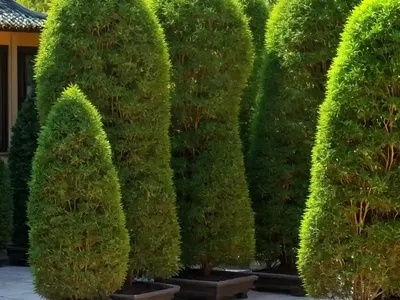
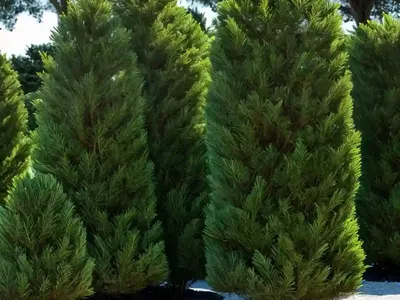
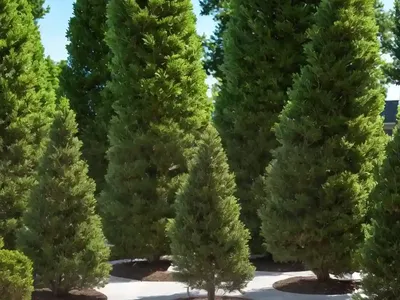
Taxodium Distichum Var. Imbricarium ‘Nutans’ (Nodding Pond Cypress)
In the world of horticulture, Taxodium distichum var. imbricarium ‘Nutans’, commonly known as Nodding Pond Cypress, captivates gardeners and plant.
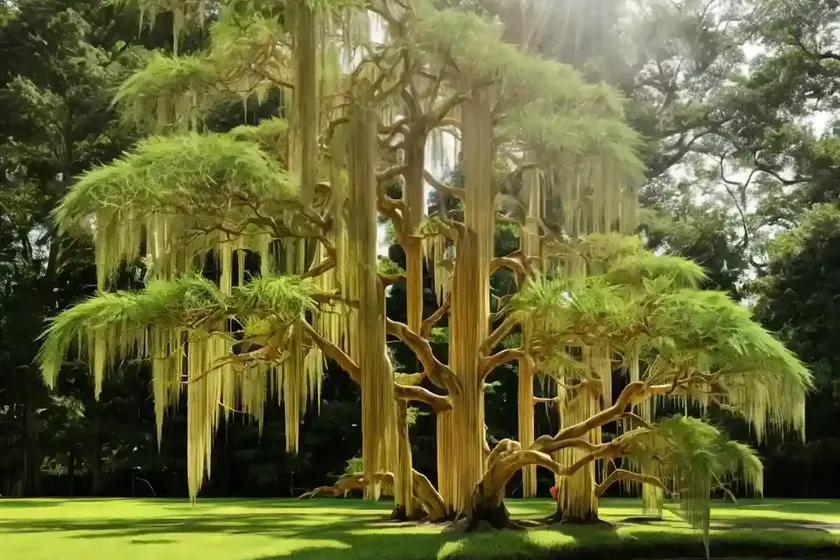
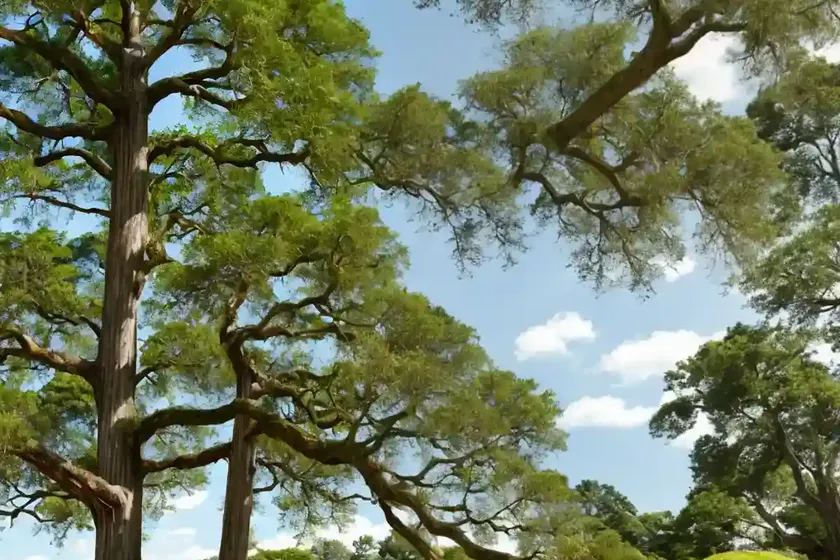
In the world of horticulture, Taxodium distichum var. imbricarium ‘Nutans’, commonly known as Nodding Pond Cypress, captivates gardeners and plant enthusiasts with its unique features and remarkable beauty. This article serves as a comprehensive guide to understanding and cultivating this distinct plant, offering insights into its culture, uses, care requirements, and much more.
What is Taxodium distichum var. imbricarium ‘Nutans’ (Nodding Pond Cypress)?
Taxodium distichum var. imbricarium ‘Nutans,’ a cultivar of the Taxodium distichum species, belongs to the Cupressaceae family. It is commonly referred to as the Nodding Pond Cypress due to the delicate and graceful drooping habit of its branches. This deciduous coniferous tree is native to North America and is often found in wetland habitats such as swamps, floodplains, and along riverbanks.
The Nodding Pond Cypress is renowned for its slender, pyramidal shape and attractive foliage, making it a popular choice for landscaping, ecological restoration, and conservation efforts. It is also valued for its ability to thrive in waterlogged soils, making it an excellent candidate for water gardens and wetland preservation projects.
Key Takeaways – Taxodium distichum var. imbricarium ‘Nutans’ (Nodding Pond Cypress)
Before delving into the specifics of cultivating Nodding Pond Cypress, let’s explore the key takeaways associated with this unique plant.
- Plant Name: Taxodium distichum var. imbricarium ‘Nutans’ (Nodding Pond Cypress)
- Family: Cupressaceae
- Common Name: Nodding Pond Cypress
- Native Habitat: North America (wetland habitats)
- Features: Slender and pyramidal form, drooping branches, deciduous foliage
- Uses: Landscaping, wetland preservation, water gardens
- Special Characteristics: Thrives in waterlogged soils, graceful drooping habit
- Cultivar: ‘Nutans’
- Hardiness Zone: 5-10
Now that we have an overview of this captivating plant, let’s dive into the specifics of its culture, uses, and detailed care requirements.
Culture of Taxodium distichum var. imbricarium ‘Nutans’ (Nodding Pond Cypress)
Cultivating Nodding Pond Cypress requires an understanding of its preferred growing conditions, including water, sunlight, fertilizer, soil, and pruning practices. Let’s explore each of these aspects in detail.
Water
One of the most notable features of the Nodding Pond Cypress is its ability to thrive in waterlogged soils, making it a compelling choice for wetland preservation and shoreline stabilization. While it is well-adapted to water, it also tolerates periodic dry spells once established.
Watering Tips
- Young Trees: Provide consistent moisture for newly planted trees to aid in establishment.
- Mature Trees: Once established, Nodding Pond Cypress can withstand periods of drought, but regular watering during dry spells can enhance its overall health and vigor.
Sunlight
Nodding Pond Cypress thrives in full sun to partial shade, exhibiting optimal growth and foliage density in locations with ample sunlight. When selecting a planting site, consider providing the tree with sufficient exposure to sunlight, especially in cooler northern regions.
Sunlight Preferences
- Full Sun: Ideally, choose a location that receives at least 6-8 hours of direct sunlight daily.
- Partial Shade: While tolerant of partial shade, Nodding Pond Cypress achieves its best form and density in locations with ample sunlight exposure.
Fertilizer
While Nodding Pond Cypress is relatively low-maintenance, occasional fertilization can support its growth and vitality, particularly in nutrient-deficient soils. Utilize a balanced, slow-release fertilizer to provide essential nutrients without overwhelming the tree with excessive growth.
Fertilization Guidelines
- Timing: Apply fertilizer in late winter or early spring before the onset of new growth.
- Application: Spread the fertilizer evenly around the tree’s drip line, following the manufacturer’s recommendations for dosage.
Soil
The Nodding Pond Cypress thrives in moist, well-drained soils, with a particular affinity for acidic to neutral pH levels. In its natural habitat, it often grows in swampy or waterlogged soils, showcasing its adaptability to challenging growing conditions.
Soil Requirements
- Moisture: Well-drained soil is essential to prevent waterlogging, particularly in urban and suburban landscapes.
- Acidity: Preference for acidic to neutral soil pH (pH 5.0-7.0).
Pruning
Pruning Nodding Pond Cypress is generally minimal, focusing on the removal of dead or damaged branches and periodic shaping to maintain its desired form. Pruning tasks are best performed during the dormant season to minimize stress on the tree.
Pruning Techniques
- Remove Deadwood: Clear out any dead, diseased, or damaged branches to promote overall tree health.
- Shaping: Prune sparingly to maintain the tree’s natural growth habit and silhouette.
Now that we’ve explored the cultural requirements of Nodding Pond Cypress, let’s delve into its uses in landscaping, propagation methods, common diseases, and pest management strategies.
Uses of Taxodium distichum var. imbricarium ‘Nutans’ (Nodding Pond Cypress)
Nodding Pond Cypress offers a range of uses in landscaping, ecological restoration, and wildlife habitat creation, distinguishing it as a versatile and valuable plant species. Understanding its varied applications can inspire gardeners, conservationists, and landscape designers to integrate this remarkable tree into diverse projects.
Landscaping
In landscaping, Nodding Pond Cypress contributes to the creation of visually striking and ecologically functional settings. Its slender form, graceful foliage, and distinctive drooping branches make it an appealing choice for:
- Water Gardens: Nodding Pond Cypress thrives in waterlogged soils, making it an excellent addition to water gardens and pond margins.
- Wetland Restoration: As a native plant in wetland habitats, Nodding Pond Cypress plays a pivotal role in wetland restoration and preservation efforts, contributing to ecosystem health and biodiversity.
- Specimen Tree: Its unique form and foliage establish Nodding Pond Cypress as an elegant and eye-catching specimen tree in large landscapes and park settings.
Propagation
Nodding Pond Cypress can be propagated through various methods, enabling gardeners and horticulturists to expand its presence in diverse landscapes and conservation initiatives. Common propagation techniques include:
- Seed Propagation: Collecting and sowing seeds from mature cones, followed by careful nurturing of seedlings in nursery settings.
- Cutting Propagation: Employing semi-hardwood cuttings to propagate new plants, fostering genetic diversity and resilience.
Common Diseases
While relatively resilient, Nodding Pond Cypress may be susceptible to certain diseases, including phytophthora root rot and other fungal infections. Understanding these potential threats allows for proactive management and disease prevention.
Disease Diagnosis
- Root Rot: Symptoms include wilting, yellowing foliage, and overall decline. Examine the tree’s root system for signs of rot and take prompt remedial action if detected.
- Fungal Infections: Monitor for leaf discoloration, lesions, or abnormal growth, and implement appropriate fungicidal treatments if necessary.
Common Pests
In addition to diseases, Nodding Pond Cypress may encounter pests that can impact its health and vigor. Vigilant monitoring and early intervention are crucial in managing potential pest infestations.
Common Pests
- Bagworms: These pests can defoliate trees if left uncontrolled. Hand-picking and appropriate insecticidal treatments can manage infestations effectively.
- Spider Mites: Monitor for symptoms such as stippled foliage and webbing, and employ horticultural oils or insecticidal soaps to mitigate mite populations.
With an understanding of Nodding Pond Cypress’s uses, propagation methods, diseases, and pests, let’s explore in more detail the botanist’s tips for cultivating and maintaining this remarkable tree.
Botanist’s Tips for Nodding Pond Cypress
Cultivating and caring for Nodding Pond Cypress requires thoughtful attention to its specific needs and growth habits. Botanists and horticulturists offer valuable insights and tips to ensure the successful establishment and sustained health of this captivating plant.
Care Tips
- Ensure Adequate Moisture: While tolerant of periodic dry spells, Nodding Pond Cypress benefits from consistent moisture, particularly during the initial establishment phase.
- Monitor Soil Conditions: Regularly assess soil moisture levels to prevent extended waterlogging, especially in urban and suburban settings.
- Prune Thoughtfully: Minimize extensive pruning, focusing on selective branch removal and shaping to maintain the tree’s natural elegance.
- Address Potential Pests and Diseases Promptly: Regularly inspect the tree for signs of pest infestations and diseases, intervening early to prevent widespread damage.
Now that we’ve covered the foundational aspects of cultivating and caring for Nodding Pond Cypress, including its cultural requirements, uses, and botanist’s tips, we’ll delve into some fun facts and fascinating characteristics that further underscore the significance of this remarkable tree.
Fun Facts about Nodding Pond Cypress
Discovering intriguing and captivating details about Nodding Pond Cypress enriches our understanding and appreciation of this remarkable plant, offering insights into its ecological significance, historical relevance, and unique features.
- Historical Significance: Nodding Pond Cypress holds historical significance as an ancient tree species, with fossil evidence dating back to the Mesozoic era, highlighting its enduring presence on the planet.
- Wildlife Attraction: The presence of Nodding Pond Cypress in wetland habitats provides critical habitat and resources for diverse wildlife, including birds, amphibians, and insects, contributing to ecosystem health and biodiversity.
- Seasonal Changes: Observing Nodding Pond Cypress throughout the seasons unveils its striking transformations, from fresh green spring growth to vibrant autumnal foliage and the graceful bare branches of winter.
- Ecological Benefits: In wetland preservation projects, Nodding Pond Cypress contributes to water filtration, erosion control, and habitat creation, fostering healthy and resilient ecosystems.
By embracing these captivating fun facts, we deepen our appreciation for the ecological importance and enduring charm of Nodding Pond Cypress. Now, let’s transition to an exploration of additional resources and references, providing further insights into the cultivation, ecological relevance, and conservation applications of this exceptional tree.
Links to External Resources
To further enrich your understanding of Nodding Pond Cypress, consider exploring the following external resources, offering valuable information and insights into its cultivation, ecological significance, and conservation applications:
- Planting and Care Guide for Nodding Pond Cypress: Access detailed guidelines for planting, watering, and caring for Nodding Pond Cypress, enhancing your ability to support its healthy growth and vitality.
- Ecological Role of Nodding Pond Cypress in Wetland Ecosystems: Delve into the ecological significance of Nodding Pond Cypress, exploring its role in wetland preservation, restoration, and habitat creation.
- Conservation Strategies Utilizing Nodding Pond Cypress: Gain insights into the use of Nodding Pond Cypress in conservation initiatives, including strategies for ecological restoration and biodiversity enhancement.
By engaging with these external resources, you can expand your knowledge and appreciation for Nodding Pond Cypress, and further contribute to its conservation and sustainable cultivation.
In conclusion, Taxodium distichum var. imbricarium ‘Nutans’ (Nodding Pond Cypress) stands as an emblem of grace, resilience, and ecological significance, enriching landscapes and wetland habitats with its distinct form and enduring beauty. By embracing its unique cultural requirements, uses in landscaping, propagation methods, and insights from botanists, we deepen our connection with this captivating plant, fostering its conservation and sustainable cultivation. Let’s continue to celebrate and steward the remarkable presence of Nodding Pond Cypress, honoring its role in ecological preservation and aesthetic enrichment.
Remember to always consult with local horticultural experts and conservation authorities for region-specific guidance on cultivating and conserving Nodding Pond Cypress, and enjoy the rich rewards of nurturing and preserving this exceptional tree.