Bald Cypress (Taxodium Distichum)
Bald Cypress (Taxodium Distichum) is a magnificent tree that holds a special place in the hearts of plant enthusiasts and environmentalists alike. With its.
Introduction to Bald Cypress
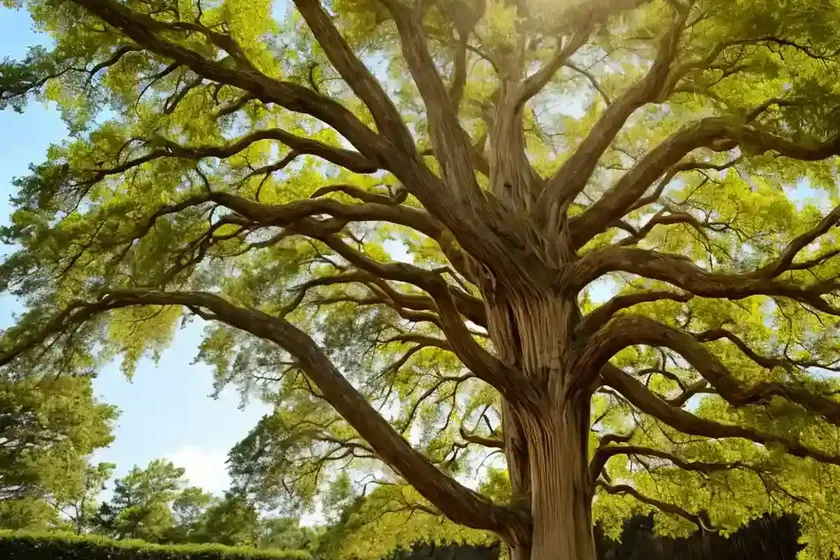
Bald Cypress (Taxodium Distichum) is a magnificent tree that holds a special place in the hearts of plant enthusiasts and environmentalists alike. With its majestic stature and numerous benefits, the Bald Cypress has become a popular choice for landscaping, conservation efforts, and timber production. In this comprehensive guide, we will delve into the various aspects of the Bald Cypress, including its characteristics, growth habits, care instructions, diseases, propagation, natural habitat, and more. Whether you are a seasoned horticulturist or a novice plant lover, this guide will equip you with valuable insights into the world of Taxodium Distichum.
Taxodium Distichum Characteristics
Bald Cypress, scientifically known as Taxodium Distichum, is a deciduous conifer that belongs to the family Cupressaceae. It is native to the southeastern United States and is renowned for its adaptation to wetland environments. The species is recognized for its buttressed trunk, distinctive cypress knees, and feathery, needle-like leaves. Here are some key characteristics of the Bald Cypress:
- Plant Type: Deciduous conifer
- Hardiness Zones: 4 to 10
- Mature Height: 50 to 70 feet
- Mature Spread: 20 to 30 feet
- Growth Rate: Fast
- Leaf Type: Feathery needles
- Fall Color: Rusty brown
- Bark: Fibrous and reddish-brown
- Root System: Shallow and spreading
- Insect Pests:
- Cypress weevil
- Bald cypress leafroller
- Bald cypress borer
Bald Cypress Tree Facts
The Bald Cypress holds several fascinating attributes that make it a noteworthy tree species in the botanical world. Here are some intriguing facts about the Taxodium Distichum:
- Adaptability: Bald Cypress is known for its remarkable adaptability to a variety of soil types and moisture levels, including both wet and dry conditions.
- Water Durability: It is remarkably resistant to water, making it a prevalent choice for wetland restoration and erosion control projects.
- Longevity: Bald Cypress trees are revered for their longevity, with some specimens living for over a millennium.
- Habitat for Wildlife: The species provides a vital habitat for various wildlife, including birds, mammals, and insects, enhancing the biodiversity of ecosystems.
Taxodium Distichum Growth Habits
Understanding the growth habits of Bald Cypress is essential for successful cultivation and management. Here are the key growth habits to consider:
- Rate of Growth: Rapid growth rate, especially in optimal growing conditions with access to abundant water and sunlight.
- Root System: Shallow and spreading roots, making the tree well-suited for stabilizing soil and preventing erosion.
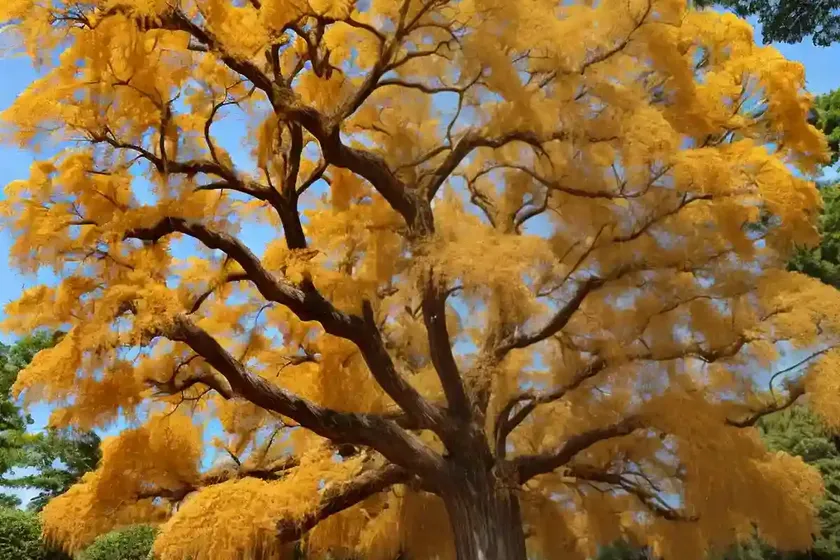
- Foliage: The feather-like leaves are arranged in flat sprays and turn a stunning rusty brown in the fall before shedding.
Benefits of Planting Bald Cypress
The Bald Cypress offers an array of benefits that make it a valuable addition to landscapes and conservation projects. Some of the primary benefits include:
- Erosion Control: The species is an excellent choice for stabilizing soil in wetland areas and controlling erosion along water bodies.
- Wildlife Habitat: Bald Cypress provides shelter, nesting sites, and food sources for diverse wildlife species, contributing to ecological balance.
- Aesthetic Appeal: The tree’s unique appearance, including its buttressed trunk and attractive fall color, adds visual interest to landscapes.
- Timber Production: The durable, rot-resistant wood of the Bald Cypress is highly prized for various construction and woodworking applications.
Taxodium Distichum Care Instructions
Caring for Bald Cypress involves providing suitable growing conditions and minimal maintenance to ensure its health and vigor. Here are the key care instructions for cultivating and nurturing Taxodium Distichum:
Water
- Water Requirements: Bald Cypress thrives in moist to wet soil conditions and can tolerate periodic flooding. Established trees typically do not require supplemental watering unless experiencing prolonged drought.
Sunlight
- Sun Exposure: The species prefers full sun to partial shade. When planted in shaded areas, it may exhibit reduced growth and a less vibrant fall color.
Fertilizer
- Fertilization: Ideally, fertilization is not necessary for Bald Cypress growing in natural habitats or wetland settings. In urban or landscaped environments, a balanced fertilizer can be applied in early spring to promote healthy growth.
Soil
- Soil Type: Bald Cypress is adaptable to a wide range of soil types, including clay, loam, and sandy soils. It thrives in acidic to slightly alkaline soil pH.
Pruning
- Pruning Requirements: Minimal pruning is necessary for shaping young trees or removing dead or diseased branches. Pruning is best performed during the dormant season to avoid excessive sap bleeding.
Bald Cypress Tree Diseases
While generally resistant to many diseases, Bald Cypress may occasionally encounter certain fungal infections and other health issues. The following are some of the common diseases that can affect Taxodium Distichum:
- Canker Diseases: Various canker pathogens, such as Botryosphaeria and Seiridium spp., can cause dieback and cankers on branches.
- Root Rot: Prolonged waterlogged conditions can lead to root rot, weakening the tree’s root system and causing decline.
- Leaf Spot: Fungal leaf spot diseases can affect the foliage, leading to the development of dark spots and premature leaf drop.
Taxodium Distichum Propagation
Propagation of Bald Cypress can be accomplished through several methods, including seeds, cuttings, and layering. However, the most common and reliable method is propagation from seeds. Here are the basic steps for seed propagation:
Seed Propagation
-
Seed Collection: Harvest mature cones during the fall when they begin to open and release seeds. Collect seeds from the cones and air dry them for a few days to stabilize moisture content.
-
Seed Stratification: To break seed dormancy, cold stratification is typically required. Place the seeds in a damp paper towel or peat moss, seal them in a plastic bag, and refrigerate for 60 to 90 days.
-
Sowing: After stratification, sow the seeds in containers or nursery beds filled with a well-draining potting mix. Keep the soil consistently moist and maintain warm temperatures to facilitate germination.
-
Transplanting: Once the seedlings have developed several sets of true leaves, they can be transplanted into larger containers or directly into the landscape.
Bald Cypress Tree Identification
Identifying Bald Cypress involves recognizing its distinctive features, including its leaves, bark, and overall growth habit. Here are some key characteristics to aid in the identification of Taxodium Distichum:
Leaf Characteristics
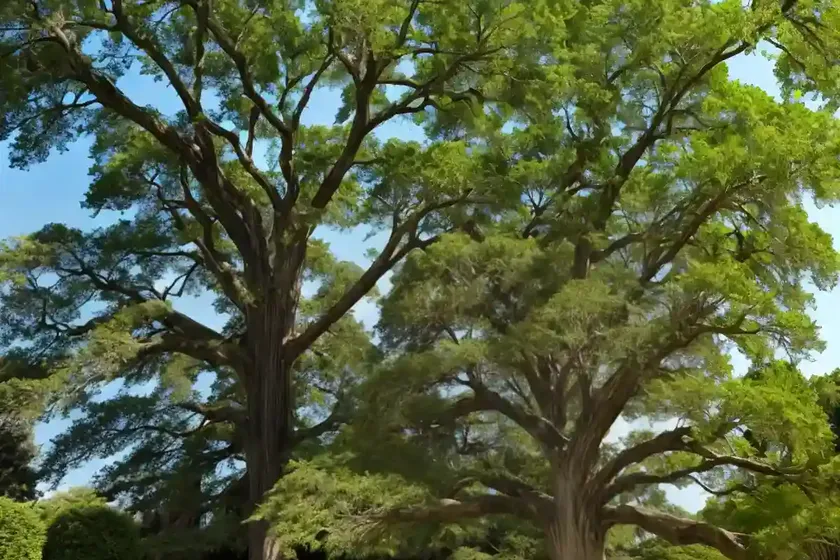
- Needle-Like Foliage: The leaves of Bald Cypress are thin and feathery, resembling needles and arranged in flattened sprays.
- Fall Color: In the autumn, the leaves transition to a rich, rusty brown hue, creating a striking visual display before shedding.
Bark Features
- Texture: The bark of mature Bald Cypress trees is fibrous, with a distinctive reddish-brown coloration. The bark becomes deeply furrowed with age, adding to the tree’s rugged charm.
Taxodium Distichum Natural Habitat
Bald Cypress is inherently associated with wetland habitats, including swamps, floodplains, and riverbanks. Its natural range extends from the southeastern United States along the Gulf Coast, where it thrives in the following environments:
- Hydrology: The species tolerates regular flooding and inundation, making it well-adapted to areas with fluctuating water levels.
- Soil Conditions: It can grow in a range of soil types, from poorly drained to well-drained, as long as adequate moisture is present.
Bald Cypress Tree Lifespan
When provided with suitable growing conditions and proper care, Bald Cypress trees have the potential to live for centuries. Some venerable specimens have been documented to exceed 1,000 years of age, demonstrating the remarkable longevity of the species.
Taxodium Distichum Water Requirements
Water is a vital element for the growth and well-being of Bald Cypress trees, especially in their natural wetland habitats. Here are the water requirements for optimum growth:
- Moisture Tolerance: The species is highly tolerant of moist to waterlogged soil conditions, thriving along riverbanks, in swamps, and other water-logged environments.
- Drought Tolerance: While it prefers moist conditions, established trees display moderate drought tolerance once their root systems are well-established.
Advantages of Growing Bald Cypress
Cultivating Bald Cypress offers numerous advantages, contributing to environmental conservation, landscaping, and economic sustainability. Some key advantages include:
- Wetland Restoration: By planting Bald Cypress, you can contribute to the restoration of wetland habitats and aid in the conservation of biodiversity.
- Erosion Control: The species effectively stabilizes soil in flood-prone areas and along water bodies, preventing erosion and promoting soil health.
- Timber and Lumber: The durable wood of the Bald Cypress has valuable properties and is utilized in various construction, decking, and woodworking applications.
Taxodium Distichum Planting Tips
When planning to plant Bald Cypress, certain considerations and planting tips can enhance the success of establishment and long-term growth:
- Site Selection: Choose a location with sufficient space for the species to reach its mature size, considering its height and spread.
- Soil Preparation: Ensure that the soil is well-draining and amend it with organic matter if necessary to improve moisture retention.
- Watering Regimen: During the establishment phase, provide regular irrigation to support root development and overall growth.
Bald Cypress Tree Maintenance
Minimal maintenance is required to keep Bald Cypress healthy and aesthetically pleasing. Here are some maintenance practices to consider:
- Mulching: Apply a layer of organic mulch around the base of the tree to conserve soil moisture and suppress weed growth.
- Fertilization: Young trees in urban or landscaped settings may benefit from annual fertilization in early spring to promote robust growth.
- Pruning: As a general rule, minimal pruning is necessary, mainly to remove dead wood and maintain an attractive shape.
Taxodium Distichum Root System
The root system of Bald Cypress plays a crucial role in anchoring the tree, absorbing water and nutrients, and contributing to soil stability. Here are some key features of the Taxodium Distichum root system:
- Shallow Roots: The roots tend to spread out near the soil surface, adapting to waterlogged conditions and stabilizing the tree in wetland habitats.
- Erosion Prevention: The interlocking network of roots helps prevent soil erosion, particularly in riparian and floodplain environments.
Bald Cypress Tree Uses
The versatile nature of Bald Cypress lends itself to various practical and decorative uses in landscaping, environmental conservation, and commercial applications. Some common uses of Bald Cypress include:
- Landscaping: Its striking appearance and adaptability make Bald Cypress an ideal choice for ornamental landscaping, providing visual interest and structural diversity.
- Conservation: The species is crucial for wetland restoration projects and serves as a keystone species in preserving the ecological balance of wetland ecosystems.
- Timber Production: Bald Cypress wood is highly valued for its durability and resistance to decay, making it sought after for construction, decking, and other outdoor applications.
Taxodium Distichum Leaf Characteristics
The leaves of Bald Cypress are a defining feature of the species, contributing to its aesthetic appeal and ecological functions. Here are the key characteristics of Taxodium Distichum leaves:
- Needle-Like Foliage: The leaves are arranged in flattened sprays, with fine, feathery needles that create a soft, lacy appearance.
- Fall Color: During the autumn season, the foliage undergoes a dramatic transformation, turning into a rich, rusty brown color before ultimately shedding.
Bald Cypress Tree Landscaping Ideas
In landscaping, Bald Cypress can be utilized to create visually stunning and ecologically beneficial designs. Here are some landscaping ideas incorporating the use of Taxodium Distichum:
- Water Gardens: Planting Bald Cypress along the edges of ponds, lakes, or water features adds a touch of elegance and helps stabilize the shoreline.
- Natural Screening: The species can be strategically planted to provide natural screening and privacy, especially in settings where a tall, dense backdrop is desired.
- Riparian Plantings: Along riverbanks and stream edges, Bald Cypress help contribute to riparian buffer zones, minimizing soil erosion and enhancing water quality.
Taxodium Distichum Bark Features
The bark of Bald Cypress is distinctive and adds to the tree’s visual appeal and textural interest. Here are the key features of the Taxodium Distichum bark:
- Texture: The bark is fibrous and commonly displays a reddish-brown coloration with age. As the tree matures, the bark becomes deeply furrowed, creating a rugged and picturesque appearance.
Bald Cypress Tree Pruning Techniques
Pruning of Bald Cypress should be carried out with care and consideration for the tree’s natural growth habit and health. Here are some essential pruning techniques for managing Taxodium Distichum:
- Deadwood Removal: Regularly inspect the tree for dead or diseased branches and promptly remove them to maintain the tree’s vitality and structural integrity.
- Shaping: Minimal shaping can be undertaken to guide the growth of young trees or to maintain clearance from structures and walkways.
- Cypress Knees: If desired, cypress knees (protrusions from the roots) can be pruned to manage their appearance, although this is not necessary for the tree’s health.
Taxodium Distichum Wood Properties
The wood of Bald Cypress possesses exceptional properties that make it a highly sought-after material for various applications. Here are the key properties and uses of Taxodium Distichum wood:
- Durability: The heartwood of Bald Cypress is renowned for its natural resistance to decay, making it ideal for outdoor construction, such as decks and docks.
- Workability: The wood is relatively easy to work with, facilitating its use in carpentry, furniture-making, and other woodworking projects.
- Color and Grain: It exhibits a pleasing color range from pale yellow to a warm, honey brown, with a straight, fine grain that enhances its visual appeal.
Bald Cypress Tree Climate Suitability
Bald Cypress exhibits a notable tolerance for diverse climate conditions, making it adaptable to various regions and climates. Here are the primary climate considerations for growing Taxodium Distichum:
- Hardiness Zones: The species is well-suited to hardiness zones 4 to 10, encompassing a wide range of temperate and subtropical climates.
- Temperature Tolerance: It can withstand both hot and cold temperatures, with proven resilience to winter cold and summer heat.
Taxodium Distichum Leaf Shedding Patterns
The annual shedding of foliage is a notable feature of Bald Cypress, occurring in a predictable and visually striking manner. Here are the key patterns of leaf shedding exhibited by Taxodium Distichum:
- Deciduous Nature: Bald Cypress is a deciduous conifer, shedding its needle-like leaves in the autumn, unlike most other conifers that retain their needles year-round.
- Fall Color: Before shedding, the leaves transition to a rich, rusty brown color, creating a beautiful and ephemeral display of autumn foliage.
Bald Cypress Tree Insect Pests
Though generally resilient to pests, Bald Cypress can occasionally be affected by certain insect pests that can impact its health and appearance. Some notable insect pests to be aware of include:
- Cypress Weevil (Eudociminus mannerheimi): This weevil species feeds on the shoots and young foliage of Bald Cypress, potentially causing disfiguration and stunting of growth.
- Bald Cypress Leafroller (Archips goyerana): The larvae of this moth species can feed on the foliage, leading to the formation of webbed shelters and defoliation in severe infestations.
- Bald Cypress Borer (Agrilus subrobustus): The larvae of this buprestid beetle can bore into the wood and disrupt the vascular system of the tree, causing damage and weakening the tree.
Taxodium Distichum Timber Uses
The timber produced from Bald Cypress possesses valuable attributes that make it highly sought after for a variety of construction and woodworking purposes. Here are the primary uses of Taxodium Distichum timber:
- Outdoor Construction: The durable, rot-resistant wood is commonly used in outdoor applications such as decking, fencing, and boardwalks.
- Siding and Panels: It is utilized for exterior siding, paneling, and trim due to its resistance to decay and attractive grain patterns.
- Boatbuilding: Due to its strength, aesthetic appeal, and water resistance, Bald Cypress is favored for boatbuilding and marine applications.
Bald Cypress Tree Root Growth
Understanding the root growth patterns of Bald Cypress is essential for managing its establishment and potential impact on surrounding structures and landscapes. Here are the key factors related to the root growth of Taxodium Distichum:
- Shallow Root System: The roots tend to spread near the soil surface, adapting to wetland and floodplain conditions and providing stability in waterlogged environments.
- Cypress Knees: The species may produce unique above-ground structures known as cypress knees, which are thought to aid in obtaining oxygen in waterlogged soil.
Taxodium Distichum Soil Preferences
Bald Cypress exhibits remarkable adaptability to various soil types, making it suitable for a range of growing conditions. Here are the primary soil preferences for cultivating Taxodium Distichum:
- Drainage: While tolerant of waterlogged conditions, well-drained soil is generally preferred to prevent issues such as root rot in urban or landscaped environments.
- pH Range: It can thrive in a wide pH range, from acidic to slightly alkaline, but typically prefers slightly acidic soil conditions.
Bald Cypress Tree Wildlife Habitat
The presence of Bald Cypress within an ecosystem creates a vital habitat for many species of wildlife, supporting biodiversity and ecological balance. Here are the key ways in which Taxodium Distichum serves as a wildlife habitat:
- Nesting Sites: The dense foliage and sturdy branches offer secure nesting sites for various bird species, contributing to local avian populations.
- Food Sources: The tree provides food in the form of seeds, insects, and other invertebrates, supporting a diverse array of wildlife, including mammals and aquatic species.
- Shelter and Cover: Bald Cypress offers shelter from predators and adverse weather conditions, serving as a refuge for small mammals, reptiles, and amphibians.
Taxodium Distichum Flood Tolerance
Bald Cypress exhibits an exceptional degree of flood tolerance, thriving in environments with fluctuating water levels and periodic inundation. Here are the key traits associated with the flood tolerance of Taxodium Distichum:
- Adaptation: The species has evolved adaptations, such as aeration structures in its roots, to cope with prolonged waterlogged conditions.
- Erosion Control: Its ability to thrive in flood-prone areas makes Bald Cypress an effective tool for controlling soil erosion and stabilizing riparian zones.
Bald Cypress Tree Fall Color
One of the alluring aspects of Bald Cypress is its vibrant fall color display, adding seasonal interest to landscapes. Here are the captivating fall color attributes demonstrated by Taxodium Distichum:
- Transformation: As autumn approaches, the needle-like leaves of Bald Cypress transition from a vibrant green to a rich, rusty brown.