Plant Scientist’s Guide to Tarragon (Artemisia dracunculus)
Tarragon, scientifically known as Artemisia dracunculus, is an aromatic and flavorful herb that is widely used in culinary dishes. With its unique taste and versatility, tarragon has been a beloved ingredient in cooking for centuries. In addition to its culinary uses, tarragon also possesses certain medicinal properties, making it a valuable herb in traditional medicine. As a plant scientist, I am excited to delve into the world of tarragon, exploring its cultivation, uses, and fascinating attributes.
What is Tarragon (Artemisia dracunculus)?
Tarragon, a member of the genus Artemisia, is a perennial herb that belongs to the family Asteraceae. It is native to Eurasia and North America, and there are two primary varieties of tarragon: Artemisia dracunculus var. sativa, known as French tarragon, and Artemisia dracunculus var. inodora, known as Russian tarragon. French tarragon is favored for its superior flavor and is commonly used in culinary applications, while Russian tarragon has a slightly bitter taste and is considered less desirable for cooking purposes.
The distinct flavor of tarragon is characterized by its subtle notes of licorice and sweetness, making it a sought-after herb in the culinary world. It is often described as having an anise-like taste, which adds depth and complexity to a wide range of dishes. Tarragon is a key ingredient in traditional French cuisine, where it is used to flavor vinegars, sauces, and various meat and vegetable dishes.
Key Takeaways – Tarragon (Artemisia dracunculus)
Before diving into the details of tarragon cultivation and care, let’s take a moment to explore the key takeaways associated with this esteemed herb:
- Tarragon, scientifically known as Artemisia dracunculus, is a perennial herb with a distinctive anise-like flavor.
- There are two primary varieties of tarragon: French tarragon (Artemisia dracunculus var. sativa) and Russian tarragon (Artemisia dracunculus var. inodora).
- French tarragon is favored for its superior flavor and is widely utilized in culinary dishes, particularly in traditional French cuisine.
- Tarragon possesses both culinary and medicinal properties, making it a versatile and valuable herb.
Now that we have a foundational understanding of tarragon, let’s explore the various aspects of cultivating and caring for this remarkable herb.
Cultivation of Tarragon (Artemisia dracunculus)
Cultivating tarragon requires an understanding of its specific environmental needs and growth habits. Whether you are an experienced gardener or a novice enthusiast, implementing the right cultivation practices is essential for ensuring the health and vitality of tarragon plants.
Water
Proper watering is crucial for the successful growth of tarragon. As a general rule, tarragon plants prefer consistently moist soil, but they are susceptible to root rot if they are overwatered. When establishing tarragon in a garden or container, it is important to strike a balance between providing adequate moisture and preventing waterlogged conditions.
- Watering Tips:
- Water tarragon plants when the top inch of soil feels dry to the touch.
- Aim to keep the soil evenly moist, avoiding both prolonged dry spells and excessive saturation.
Sunlight
Tarragon thrives in well-drained soil and requires ample sunlight to flourish. When selecting a location for planting tarragon, it is essential to choose a spot that receives at least 6-8 hours of direct sunlight per day. Without sufficient sunlight, tarragon plants may become leggy and fail to produce robust foliage.
- Sunlight Requirements:
- Plant tarragon in a location with full sun to partial shade, ensuring that it receives adequate sunlight throughout the day.
Soil
The type of soil in which tarragon is planted can significantly impact its growth and development. Tarragon prefers moderately rich, well-drained soil with a slightly acidic to neutral pH. Amending the soil with organic matter, such as compost or aged manure, can improve its texture and fertility, creating an ideal growing environment for tarragon.
- Soil Preparation:
- Prior to planting, incorporate organic matter into the soil to improve its structure and nutrient content.
- Aim for a soil pH of 6.5 to 7.5 to create favorable growing conditions for tarragon.
Fertilizer
Although tarragon is not considered a heavy feeder, providing it with a balanced fertilizer can support its growth and overall vigor. A complete, slow-release fertilizer with a balanced NPK ratio (nitrogen, phosphorus, and potassium) can be applied in the spring as new growth emerges. However, it is important to avoid over-fertilization, as excessive nutrients can lead to an imbalance in tarragon’s growth and flavor.
- Fertilization Guidelines:
- Apply a balanced, slow-release fertilizer in early spring, following the manufacturer’s recommendations for application rates.
- Exercise caution to prevent over-fertilization, which can negatively impact the quality of tarragon foliage.
Pruning
Pruning plays a vital role in maintaining the health and productivity of tarragon plants. Regular pruning helps to encourage bushier growth, prevent the plant from becoming woody, and promote the production of fresh, flavorful leaves. To maintain the desired shape and size of the plant, it is recommended to prune tarragon throughout the growing season, focusing on the removal of any damaged or overgrown foliage.
- Pruning Techniques:
- Use clean, sharp pruners to selectively trim the stems and leaves of the tarragon plant.
- Prune tarragon regularly to maintain its overall appearance and harvest fresh growth for culinary purposes.
Propagation
Propagating tarragon can be achieved through several methods, including division, stem cuttings, and seed propagation. Each approach offers unique benefits and challenges, allowing growers to select the most suitable propagation method based on their preferences and resources.
- Propagation Methods:
- Division: Divide mature tarragon plants in the early spring, ensuring that each division has a healthy root system and sufficient top growth.
- Stem Cuttings: Take 4- to 6-inch stem cuttings from the parent plant, remove the lower leaves, and place the cuttings in a rooting medium to develop new root systems.
- Seed Propagation: Sow tarragon seeds indoors in the early spring, providing warmth and consistent moisture to facilitate germination.
Container Cultivation
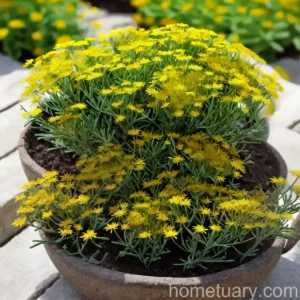
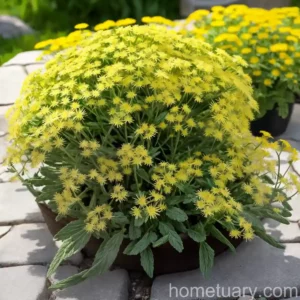
Tarragon can thrive in containers, making it an excellent choice for gardeners with limited space or those who prefer to grow herbs indoors. When cultivating tarragon in containers, it is essential to select an appropriately sized pot, provide adequate drainage, and meet the herb’s specific growing requirements.
- Container Growing Tips:
- Choose a container with drainage holes to prevent waterlogging and promote soil aeration.
- Use a well-draining potting mix and position the container in a location with ample sunlight.
Popularity of Tarragon
Tarragon has garnered widespread popularity among chefs, home cooks, and herbal enthusiasts due to its exceptional flavor profile and culinary versatility. The herb’s association with French cuisine has contributed to its esteemed status in culinary circles, where it is valued for its ability to impart a unique, anise-like essence to a variety of dishes.
- Culinary Appeal:
- Tarragon is a staple herb in classic French sauces, such as Béarnaise and Hollandaise, where its distinctive flavor elevates the overall taste experience.
- The herb is used to flavor vinegars, dressings, and marinades, adding a layer of complexity to these culinary preparations.
Common Diseases
Despite its overall resilience, tarragon is susceptible to certain diseases and health issues that can impact its growth and vitality. Recognizing the symptoms of common tarragon diseases and implementing appropriate management strategies is essential for safeguarding the health of tarragon plants.
Disease Diagnosis
When observing potential signs of disease or stress in tarragon, it is crucial to accurately diagnose the underlying issue to implement targeted treatment measures. The following are common diseases and health concerns that may affect tarragon plants:
- Root Rot: Prolonged periods of waterlogged soil can lead to root rot in tarragon, resulting in wilting, yellowing foliage, and stunted growth.
- Powdery Mildew: Powdery mildew, characterized by white, powdery patches on the leaves, can affect tarragon plants during periods of high humidity and poor air circulation.
Disease Management
Implementing proactive measures and cultural practices can help mitigate the impact of common tarragon diseases, fostering the plant’s resilience and long-term health.
- Preventive Strategies:
- Ensure proper soil drainage to prevent waterlogged conditions and reduce the risk of root rot.
- Promote good air circulation around tarragon plants and avoid overhead watering to minimize the likelihood of powdery mildew.
Common Pests
In addition to diseases, tarragon may also be susceptible to insect pests that can compromise its growth and overall vitality. Identifying common tarragon pests and deploying effective pest management techniques is essential for protecting the herb from potential infestations.
Pest Identification
Several insect pests pose a threat to tarragon, and understanding their characteristics and feeding habits is critical for implementing targeted pest control measures.
- Aphids: These small, soft-bodied insects feed on the sap of tarragon plants, causing leaf distortion and the secretion of honeydew.
- Spider Mites: These minuscule pests can infest tarragon, resulting in stippled, discolored foliage and the formation of fine webbing on the plant.
Pest Control
Managing pest infestations in tarragon can be achieved through a combination of cultural, mechanical, and biological control methods, minimizing the reliance on chemical pesticides.
- Integrated Pest Management (IPM):
- Introduce natural predators, such as ladybugs and lacewings, to deter aphid populations and maintain ecological balance.
- Use a strong blast of water to dislodge spider mites from tarragon plants and reduce their numbers.
Botanist’s Tips
As a plant scientist with a passion for understanding the intricacies of botanical species, I offer the following tips to fellow gardeners and herb enthusiasts who are keen on cultivating tarragon:
- Optimal Growing Conditions: Provide tarragon with well-drained soil, ample sunlight, and appropriate moisture levels to support its growth and flavor development.
- Pruning Practices: Regularly prune tarragon to encourage bushy growth and prevent the plant from becoming woody, promoting the production of fresh, aromatic leaves.
- Propagation Techniques: Explore various methods of propagating tarragon, such as division and stem cuttings, to expand your herb garden and share tarragon with fellow gardening enthusiasts.
- Disease and Pest Management: Monitor tarragon plants for signs of diseases and pests, and take proactive measures to prevent and address potential issues before they escalate.
Fun Facts
In addition to its culinary and medicinal attributes, tarragon harbors intriguing and lesser-known facts that contribute to its appeal and allure. Here are a few engaging tidbits about tarragon:
- Tarragon Vinegar: Tarragon-infused vinegar is a popular condiment that is valued for its distinctive flavor and aromatic essence, making it a cherished addition to a variety of culinary preparations.
- Folklore and Tradition: Tarragon has been steeped in folklore and tradition, with historical references to its use in herbal remedies and its symbolic significance in different cultures.
Links to External Resources
For further exploration of tarragon’s culinary and medicinal applications, as well as its cultivation and care, I recommend the following external resources:
- Culinary Uses of Tarragon
- Medicinal Properties of Tarragon
- Tarragon Growing Tips
- Herbal Remedies Featuring Tarragon
In conclusion, tarragon, with its distinctive flavor and remarkable versatility, stands as a captivating herb that holds both culinary and medicinal significance. By understanding and embracing the cultivation practices and usage of tarragon, individuals can savor its unique taste in diverse culinary creations while appreciating its historical and cultural significance. With its enduring appeal and multifaceted attributes, tarragon continues to captivate the senses and inspire a profound appreciation for the treasures of the plant kingdom.
Note: The content provided in this blog post is for informational purposes only. The reader is encouraged to consult relevant professionals and resources for specific guidance related to plant cultivation, health, and usage in culinary and medicinal applications.