Everything You Need to Know About California Sagebrush (Artemisia californica ‘Canyon Gray’)
Introduction to California Sagebrush
California sagebrush, scientifically known as Artemisia californica ‘Canyon Gray’, is a beautiful and aromatic plant that is native to California and a few western states of the United States. This perennial shrub belongs to the Asteraceae family and is cherished for its lovely foliage, its strong, herbal scent, and its ability to thrive in various landscapes and conditions. In this comprehensive guide, we will explore the key aspects of California sagebrush, including its habitat, care needs, uses, and its significance in the ecosystem and human society.
California Sagebrush Habitat
California sagebrush is predominantly found in coastal sage scrub habitats, chaparral regions, and dry slopes. It is a plant that is well-adapted to the Mediterranean climate of California, thriving in areas with well-drained soils and limited water availability. This plant is known for its ability to withstand drought-like conditions, making it an essential component of the native California landscape.
Key Takeaways – California Sagebrush (Artemisia californica ‘Canyon Gray’)
Overview:
- Scientific Name: Artemisia californica ‘Canyon Gray’
- Common Name: California sagebrush
- Family: Asteraceae
- Origin: California and western United States
- Type: Perennial shrub
Characteristics:
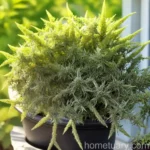
- Aromatic silvery-grey foliage
- Densely branched habit
- Height: 3-5 feet
- Spread: 4-6 feet
- Drought-tolerant
Uses:
- Landscaping
- Medicinal properties
- Wildlife habitat
- Fragrant foliage
Habitat:
- Coastal sage scrub
- Chaparral regions
- Dry slopes
Culture of California Sagebrush
Water
California sagebrush is well-known for its ability to thrive in dry conditions, making it suitable for xeriscaping and water-wise garden designs. Once established, it is relatively low-maintenance in terms of water requirements, needing infrequent watering in the absence of rainfall. Overwatering can lead to root rot and other issues, so it is crucial to allow the soil to dry out between waterings. In the case of drought, providing occasional deep watering can help maintain the plant’s health.
Sunlight
California sagebrush prefers full sun exposure for optimal growth and flowering. It is essential to place it in a location that receives at least 6-8 hours of direct sunlight daily. Insufficient sunlight can lead to leggy growth and decreased flowering.
Fertilizer
This plant is not heavy feeders and generally does not require regular fertilization. It is best to refrain from applying excessive fertilizer, as it can lead to overly lush growth and diminish the aromatic qualities of the foliage. If necessary, a light application of a balanced fertilizer in early spring can support healthy growth.
Soil
Well-drained soil is critical for the successful cultivation of California sagebrush. It can tolerate a variety of soil types, including sandy, loamy, or rocky soils, as long as they offer good drainage. Amending the soil with organic matter can enhance its structure and drainage, promoting better growth.
Pruning
Pruning of California sagebrush is generally minimal and primarily aimed at maintaining its shape, improving air circulation, and removing any damaged or dead growth. It is advisable to prune this plant in late winter or early spring before new growth emerges. When pruning, it is advisable to use sharp, sterilized pruners to prevent the spread of diseases.
Propagation
California sagebrush can be propagated through seeds or softwood cuttings. Sow seeds in a well-draining mix, and keep them moist until germination occurs. Softwood cuttings can be taken in late spring to early summer and rooted in a suitable growing medium.
Container Popularity
California sagebrush is a great candidate for container gardening, especially for individuals with limited outdoor space. When growing it in a container, ensure that the pot has adequate drainage holes and use a well-draining potting mix.
Common Diseases
California sagebrush is relatively resistant to diseases and pests when provided with proper growing conditions. However, overwatering can lead to root rot and other fungal issues. It is crucial to ensure that the soil is well-drained to prevent waterlogging.
Disease Diagnosis
Identifying diseases in California sagebrush typically involves observing changes in foliage color, wilting, or any unusual growth patterns. If signs of disease are noticed, it is vital to promptly address the issue through appropriate cultural practices or targeted treatments.
Common Pests
California sagebrush is generally resistant to most pests, but it can occasionally encounter challenges from aphids, spider mites, and scale insects. Regularly inspecting the plant for the presence of pests and addressing infestations promptly can prevent significant damage.
Botanist’s Tips
- Select a well-drained planting location to support the plant’s drought tolerance.
- Prune the plant regularly to maintain its shape and improve air circulation.
- Refrain from overwatering to prevent root rot and other moisture-related issues.
Fun Facts
- California sagebrush (Artemisia californica ‘Canyon Gray’) is highly valued for its herbal fragrance, often used in potpourri and sachets.
- The plant has been traditionally used for medicinal purposes by indigenous communities, known for its healing properties.
Links to External Resources
For further details and insights about California sagebrush, consider exploring the following resources:
- California Native Plant Society
- The Jepson Herbarium: Artemisia californica
- Calscape: California Sagebrush
In conclusion, California sagebrush, with its adaptability, aromatic foliage, and ecological significance, is a valuable addition to gardens, landscapes, and native plant habitats. By understanding and meeting its specific cultural needs, individuals can enjoy the beauty and benefits of this remarkable plant while supporting local biodiversity and conservation efforts.