Wormwood (Artemisia Absinthium)
Wormwood, scientifically known as Artemisia absinthium, is a perennial herb indigenous to Europe, Asia, and North Africa. It belongs to the Asteraceae.
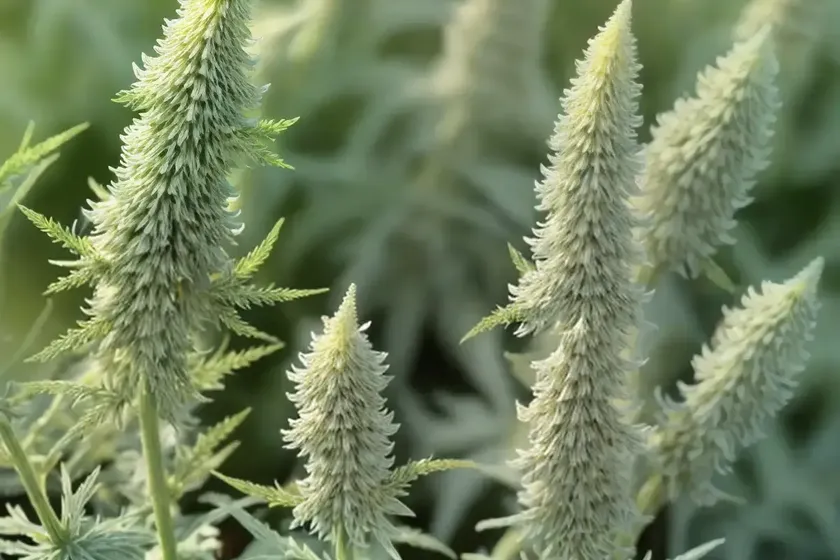
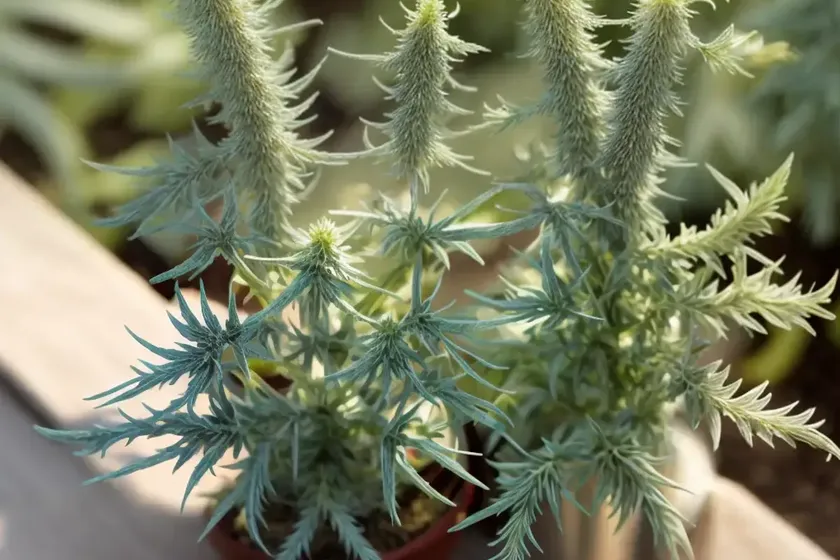
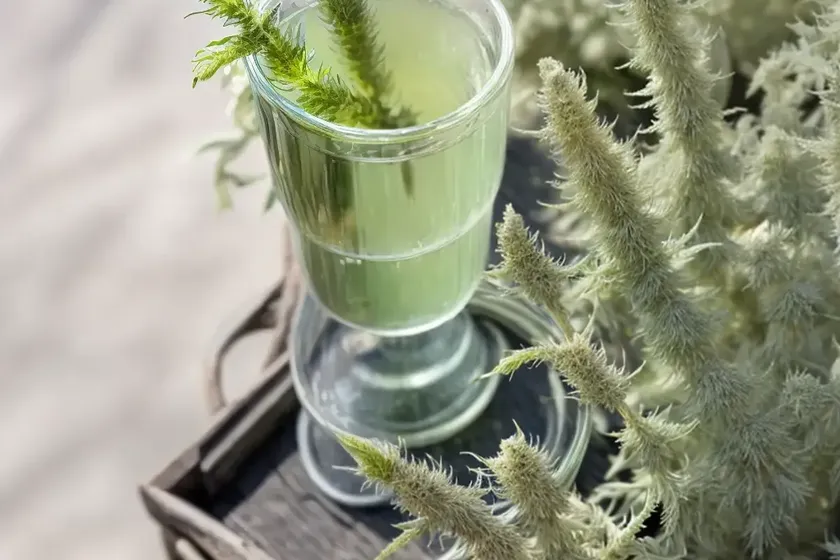
Wormwood, scientifically known as Artemisia absinthium, is a perennial herb indigenous to Europe, Asia, and North Africa. It belongs to the Asteraceae family and is renowned for its diverse uses, ranging from medicinal and culinary to pest control. In this comprehensive guide, we will delve into the various aspects of wormwood, including its culture, uses, care requirements, common diseases, pests, and propagation techniques. Additionally, we will explore its historical significance, folklore, and symbolization in different cultures.
What is Wormwood (Artemisia absinthium)?
Wormwood has a rich history of both positive and negative associations. Mythologically, it is linked to bitterness and grief and is often referenced in the context of enhancing mental clarity and spiritual awareness. The plant is characterized by its silver-green foliage and aromatic scent. Wormwood has been recognized for its medicinal properties, especially in traditional herbal medicine and apothecaries.
Key Takeaways
Before delving into the specifics of Artemisia absinthium, let’s explore some key takeaways about this intriguing plant:
1. Medicinal Properties: Wormwood has a long history of use in traditional medicine and herbal remedies dating back centuries.
2. Culinary Uses: It is utilized in the production of absinthe, a potent alcoholic beverage, and is also employed in various culinary applications.
3. Natural Pest Control: Certain compounds in wormwood have insect-repelling properties, making it an eco-friendly choice for pest management.
4. Symbolism and Folklore: The plant has been associated with themes of bitterness, grief, and absolution, as well as with enhancing mental clarity and spiritual awareness.
Culture
Uses
The uses of Artemisia absinthium are incredibly diverse, ranging from medicinal and culinary to pesticidal and ornamental. The plant has been utilized for centuries in different cultures for various purposes, which we will explore in more detail later in this article.
Water
Wormwood has modest water requirements and thrives in well-drained soil. It is crucial to avoid overwatering, as this can lead to root rot and other detrimental conditions. Instead, aim to water the plant deeply but infrequently, allowing the soil to dry out slightly between watering sessions.
Sunlight
In terms of sunlight, wormwood thrives in full sun and can tolerate a range of light conditions. When grown in partial shade, it may become leggy and produce fewer flowers. Thus, it is best suited to locations with ample sunlight exposure for optimal growth and development.
Fertilizer
Wormwood is not particularly demanding in terms of fertilizer. In fact, excessive fertilization can lead to an overgrowth of foliage at the expense of essential oils, which are responsible for the plant’s distinct aroma and medicinal properties. A light application of balanced fertilizer in early spring is typically sufficient to support its growth and vitality.
Soil
The ideal soil for Artemisia absinthium is well-draining and relatively dry. It is tolerant of poor, rocky, and alkaline soils and is well-adapted to challenging growing conditions. To ensure proper drainage, consider incorporating sand or perlite into the soil if necessary.
Pruning
Regular pruning is beneficial for maintaining the compactness and shape of wormwood. In late winter or early spring, prune the plant to remove any dead or damaged foliage, as well as to promote robust new growth. Additionally, deadheading the flowers after they fade can encourage prolonged blooming.
Propagation
Wormwood can be propagated from seeds, cuttings, or division. While seeds may take longer to establish, cuttings and division often yield quicker results and are therefore preferred for propagating specific cultivars or varieties.
Container Popularity
Given its adaptable nature, wormwood is well-suited to container cultivation. It is an excellent choice for container gardens, where its silvery foliage and aromatic qualities can be appreciated up close. Container cultivation also allows for greater control over soil conditions and moisture levels.
Common Diseases
Wormwood is relatively resilient to diseases and pests, owing to its natural compounds that repel many common garden nuisances. However, it is still susceptible to certain issues, including:
- Powdery Mildew: This fungal disease presents as a powdery white substance on the plant’s leaves and stems. To prevent powdery mildew, ensure adequate air circulation and avoid overhead watering.
- Root Rot: Overwatering or poorly-draining soil can lead to root rot in wormwood. To prevent this, ensure the soil is well-drained and allow it to dry out between waterings.
Disease Diagnosis
When diagnosing diseases in wormwood, consider the plant’s growing conditions, including water and light exposure, as well as any recent changes in its environment. Additionally, closely inspect the leaves, stems, and roots for any signs of discoloration, wilting, or abnormal growth.
Common Pests
Wormwood possesses natural compounds that act as insect repellents, making it relatively resistant to many common garden pests. However, some pests may still pose a threat, including:
- Aphids: These small, sap-sucking insects can be found clustered on the undersides of leaves, causing yellowing and distortion of the foliage.
- Spider Mites: These minuscule pests can cause stippling and webbing on the plant’s leaves, leading to reduced vigor and growth.
To address pest infestations, consider employing natural pest control methods, such as introducing beneficial insects like ladybugs and lacewings, or utilizing insecticidal soaps as a targeted intervention.
Botanist’s Tips
When cultivating wormwood, it is essential to consider the following botanist’s tips to ensure its success and longevity:
- Adequate Drainage: Provide well-draining soil to prevent waterlogged conditions, which can be detrimental to the plant’s health.
- Sun Exposure: Place the plant in a location with abundant sunlight to promote robust growth and encourage flowering.
- Pruning: Regularly prune the plant to maintain its shape and vigor, while also removing any dead or damaged foliage to prevent disease and pest issues.
Fun Facts
- Wormwood (Artemisia absinthium) is the primary ingredient in the production of absinthe, a potent alcoholic beverage with a storied history and cultural significance.
- The plant’s name, Artemisia, is derived from Artemis, the Greek goddess of the hunt, wilderness, and childbirth, highlighting its historical and mythological associations.
Links to External Resources
For more in-depth information on wormwood (Artemisia absinthium), consider exploring the following external resources:
– The Herb Society – Artemisia absinthium
– RHS – Artemisia absinthium
Stay tuned for the next installment of this comprehensive guide, where we will delve into the medicinal properties of Artemisia absinthium and its diverse uses in herbal medicine, culinary applications, and more!