The Fascinating World of Mugwort (Artemisia afra)
Mugwort, botanical name Artemisia afra, is a remarkable plant that has been revered for centuries for its numerous cultural, medicinal, and spiritual uses. This versatile herb has a rich history of cultivation and applications that make it a valuable addition to any garden. In this comprehensive guide, we will delve into the intriguing world of Artemisia afra, exploring its cultural significance, uses, cultivation, and practical tips for plant enthusiasts.
What is Mugwort (Artemisia afra)?
Mugwort (Artemisia afra), also known as African wormwood, is a perennial herb native to many parts of Southern Africa. It belongs to the Asteraceae family, which is renowned for its diverse range of flowering plants. The term Artemisia is derived from the Greek goddess Artemis, who was associated with wilderness and childbirth, underscoring the historical and mythological importance of this genus.
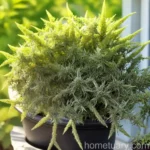
This herbaceous plant typically grows up to 2 meters in height and is characterized by its deeply lobed, fern-like leaves and small, inconspicuous flowers that bloom in dense clusters. The leaves of Artemisia afra are silvery-green and emit a distinct aroma when crushed, adding to its allure as a sensory plant.
The cultural significance of mugwort spans a multitude of traditions and practices, making it a plant of great value and interest. Its applications range from medicinal and culinary uses to spiritual practices and pest control, cementing its status as a versatile and multifaceted botanical gem.
Key Takeaways – Mugwort (Artemisia afra)
Before we embark on a detailed exploration of mugwort and its cultivation, let’s outline some key takeaways to set the stage for our journey:
- Medicinal uses of mugwort: Artemisia afra has a rich history of medicinal applications, with uses ranging from digestive disorders and respiratory health to menstrual pain relief and wound healing.
- Cultural and spiritual significance: Mugwort holds a revered position in various cultural and spiritual practices, featuring prominently in rituals, aromatherapy, and traditional medicine.
- Natural pest control: The aromatic properties of mugwort serve as a natural insect repellent and herbal insecticide, making it a valuable ally in pest management.
- Container cultivation: Artemisia afra can be effectively grown in containers, offering an accessible and versatile cultivation option for enthusiasts with limited space.
With these key insights in mind, let’s embark on a comprehensive journey through the world of mugwort, exploring its cultivation, uses, and fascinating attributes.
Cultivation of Mugwort (Artemisia afra)
Cultivating mugwort offers a delightful and rewarding experience for plant enthusiasts, whether they are seasoned gardeners or beginners seeking to expand their plant collection. Understanding the specific requirements for nurturing Artemisia afra is crucial for promoting its health and vitality. Let’s delve into the essential elements of cultivating this remarkable herb, encompassing water, sunlight, fertilizer, soil, and pruning.
Water
Mugwort is a resilient and adaptable plant when it comes to water requirements. It flourishes in well-draining soil and is tolerant of drought conditions once established. However, to facilitate optimal growth and vitality, it is important to provide regular watering, particularly during dry spells or periods of intense heat. It is advisable to monitor the soil moisture levels and adjust the watering frequency based on the plant’s needs and environmental conditions.
Sunlight
Adequate sunlight is essential for the healthy development of Artemisia afra. This herb thrives in full sun to partial shade, preferring at least 6 hours of direct sunlight per day. When selecting a planting location, prioritize areas that receive ample sunlight to support vigorous growth and promote the plant’s natural resilience.
Fertilizer
Mugwort is not particularly demanding in terms of fertilizer requirements. In fact, excessive fertilization can lead to rampant growth and potentially diminish the aromatic and medicinal qualities of the plant. A balanced, organic fertilizer applied sparingly in early spring can provide the necessary nutrients for robust growth without overwhelming the plant with excessive inputs.
Soil
The ideal soil for cultivating mugwort is loose, well-draining, and moderately fertile. It thrives in a slightly alkaline to neutral pH range and is capable of adapting to various soil types, including sandy, loamy, or rocky soils. Prioritize soil conditions that mimic its native environment, ensuring that the growing medium promotes healthy root development and overall plant vigor.
Pruning
Pruning plays a vital role in maintaining the form and vitality of Artemisia afra. Regular pruning helps to manage its growth, prevent overcrowding, and rejuvenate the plant, ultimately contributing to its overall health and aesthetic appeal. Trim back any spent or leggy growth, and consider harvesting the leaves for culinary or medicinal purposes to promote continuous growth and productivity.
Propagation of Mugwort (Artemisia afra)
Propagating Artemisia afra offers an exciting opportunity to expand your plant collection and share the remarkable qualities of this herb with fellow enthusiasts. This can be achieved through various methods, including division, cuttings, and seed propagation. Let’s explore these approaches to propagating mugwort and the key considerations for each method.
Division
Dividing mature mugwort plants is an effective method for propagation, especially for spreading and rejuvenating established clumps. Dividing the plant in early spring allows for ample time for the divisions to establish and develop strong root systems before the onset of intense summer heat. When dividing Artemisia afra, ensure that each division possesses healthy roots and several shoots to promote successful establishment and subsequent growth.
Cuttings
Propagating mugwort through cuttings offers a convenient and reliable method for producing new plants with identical characteristics to the parent plant. Select healthy, non-flowering stems for cuttings, and trim them to create segments approximately 5-8 inches in length. Remove the lower leaves, dip the cut ends in a rooting hormone (if desired), and plant the cuttings in a well-draining, moist growing medium. Maintain consistent moisture and provide indirect light to facilitate root development and subsequent establishment.
Seed Propagation
Growing mugwort from seeds is an accessible and fulfilling way to propagate this herb, offering the opportunity to observe the entire lifecycle of the plant, from germination to maturity. Sow the seeds in a seed-starting mix or directly in the garden, ensuring that they are lightly covered with soil and kept consistently moist until germination occurs. As the seedlings develop, thin them to provide adequate space for growth, promoting healthy, vigorous plants in the process.
Container Cultivation of Mugwort (Artemisia afra)
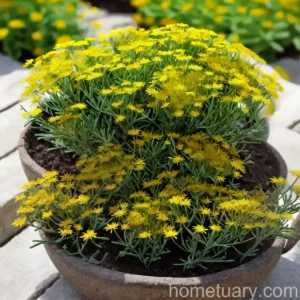
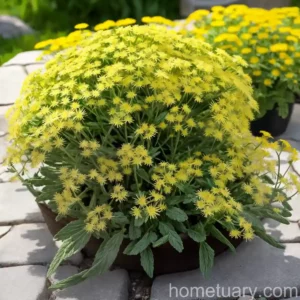
The versatility of Artemisia afra extends to its adaptability to container cultivation, offering a convenient and accessible option for plant enthusiasts with limited space or those seeking to contain its growth. Whether grown in pots, planters, or other suitable containers, mugwort thrives in these settings, provided that certain considerations regarding water, sunlight, and container size are taken into account.
Water
When growing mugwort in containers, it is crucial to monitor the soil moisture levels diligently. Containers can dry out more rapidly than garden beds, necessitating frequent watering during warm, dry periods. Implement a consistent watering regimen, ensuring that the soil remains evenly moist without becoming waterlogged, thus promoting healthy growth and vitality.
Sunlight
Selecting an appropriate location for containers of mugwort is paramount to ensure that the plants receive the requisite sunlight for robust growth. Position the containers in areas that receive ample sunlight, whether it is on a patio, balcony, or in a sunny corner of the garden. Adequate sunlight is essential for promoting the plant’s natural resilience and overall health when cultivated in containers.
Container Size
Choosing the right container size is essential for facilitating the healthy development of Artemisia afra in a confined environment. Select containers that provide ample space for the plant’s root system to spread and grow, thereby preventing potential issues related to root confinement and restricted growth. Aim for containers with sufficient depth and width to accommodate the plant and promote optimal development.
Uses of Mugwort (Artemisia afra)
Mugwort (Artemisia afra) is renowned for its diverse and multifaceted uses, encompassing medicinal, culinary, and cultural applications. Its rich history of traditional and contemporary uses underscores the remarkable versatility and value of this herb, making it a treasured addition to any garden or herbal repertoire.
Medicinal Uses of Mugwort
Mugwort has a storied history of medicinal applications, spanning various cultures and traditions. Its therapeutic properties have made it a staple in herbal medicine, with uses that extend to digestive disorders, respiratory health, menstrual pain relief, wound healing, and relaxation. Let’s delve into some of the prominent medicinal uses of Artemisia afra:
- Digestive Disorders: Mugwort is valued for its ability to support digestive health, offering relief from indigestion, bloating, and other related ailments.
- Respiratory Health: Inhalation of mugwort smoke or vapors has been employed to alleviate respiratory discomfort and promote overall respiratory wellness.
- Menstrual Pain Relief: Artemisia afra is recognized for its potential to ease menstrual cramps and promote comfort during menstruation.
- Wound Healing: The leaves of mugwort possess properties that are conducive to wound healing, making it a valuable addition to herbal first aid remedies.
- Relaxation and Sleep: Mugwort is associated with relaxation and enhanced sleep quality, often utilized in tonics and herbal preparations to promote tranquility.
The medicinal applications of mugwort extend far and wide, embodying the rich history and enduring relevance of this remarkable herb in the realm of natural health and wellness.
Culinary Uses
In addition to its medicinal properties, mugwort also offers intriguing culinary applications, particularly in traditional cuisines and herbal preparations. The leaves of Artemisia afra can be utilized in various culinary creations, infusing dishes with their unique flavor and aromatic profile. Some culinary uses of mugwort include:
- Herbal Teas: Infusions prepared from the leaves of mugwort yield a delightful herbal tea with a distinctive character, offering a soothing and aromatic beverage option.
- Seasoning: Dried mugwort leaves can be used as a seasoning in culinary creations, imparting a nuanced flavor profile to a wide array of dishes.
- Baking: Mugwort has been utilized in baking, adding a subtle herbal note to breads, pastries, and other baked goods, enriching their taste and sensory appeal.
The culinary potential of mugwort invites exploration and experimentation, providing a unique and enriching dimension to traditional and contemporary cuisines.
Cultural and Spiritual Significance
Mugwort holds a revered position in various cultural and spiritual practices, featuring prominently in rituals, aromatherapy, and traditional medicine. This herb has been celebrated for its mystical and symbolic significance, offering a connection to ancient traditions and contemporary wellness practices. Some cultural and spiritual uses of mugwort include:
- Aromatherapy: The aromatic properties of mugwort have been harnessed in aromatherapy, offering a means of promoting relaxation, mental clarity, and spiritual purification.
- Herbal Baths: Mugwort has been utilized in herbal baths to promote overall well-being, relaxation, and a sense of rejuvenation. This practice is rooted in ancient traditions and holistic wellness practices.
- Spiritual Purification: Mugwort is associated with spiritual purification and cleansing rituals, utilized to create sacred spaces and promote positive energy flow.
- Historical Uses: The historical significance of mugwort is deeply embedded in various cultures, serving as a symbol of protection, healing, and mystical resonance.
The cultural and spiritual dimensions of mugwort underscore its enduring relevance and timeless contributions to holistic well-being and traditional practices.
Pest Control
The aromatic qualities of mugwort contribute to its role as a natural insect repellent, offering a valuable means of pest control in gardens and outdoor spaces. Artemisia afra helps deter certain pests with its characteristic scent, making it an eco-friendly and sustainable option for pest management. Some uses of mugwort in pest control include:
- Natural Insect Repellent: The fragrance emitted by mugwort serves as a natural deterrent to insects, helping protect surrounding plants and garden areas from pest infestations.
- Herbal Insecticide: Mugwort possesses properties that make it effective as a herbal insecticide, offering non-toxic and environmentally friendly pest control solutions.
Mugwort stands as a testament to the harmonious relationship between plants and their surroundings, offering practical and natural solutions to common gardening challenges.
Common Diseases and Pests
Despite its resilience, Artemisia afra may encounter certain diseases and pests that pose potential challenges to its health and vitality. Understanding these common issues and implementing proactive measures can help safeguard mugwort plants and promote their long-term well-being. Let’s explore some common diseases and pests that may affect Artemisia afra and the corresponding methods of diagnosis and control.
Common Diseases
Mugwort is generally resistant to many diseases, owing to its natural resilience and adaptability. However, certain environmental conditions and factors may contribute to the development of diseases, necessitating vigilance and proactive management. Some common diseases that may affect mugwort include:
- Powdery Mildew: This fungal disease can manifest as a white, powdery coating on the leaves, often occurring in humid or poorly ventilated conditions. To diagnose powdery mildew, inspect the foliage for characteristic signs of the fungal growth, and implement measures such as improving air circulation and employing natural fungicidal remedies to manage the issue.
- Root Rot: Excessive moisture or poor drainage can lead to the development of root rot, causing the roots to become waterlogged and susceptible to rotting. Diagnosis involves examining the roots for signs of discoloration and decay, and addressing the underlying moisture issues to restore optimal growing conditions.
Disease Diagnosis
Diagnosing diseases in Artemisia afra involves careful observation of the plant’s foliage, stems, and overall growth patterns to identify any irregularities or signs of infection. Visual cues such as discoloration, wilting, or unusual growth patterns may indicate potential disease issues, warranting further investigation and targeted interventions to address the underlying causes.
Common Pests
Mugwort exhibits natural resistance to many pests, owing to its aromatic and deterrent properties. However, certain pests may still pose potential challenges and require proactive measures for effective management. Some common pests that may affect mugwort include:
- Aphids: These small, sap-sucking insects can congregate on the undersides of leaves, leading to stunted growth and potential foliage damage. Control aphids through methods such as manual removal, natural predators, or organic insecticidal solutions.
- Spider Mites: These tiny arachnids can inflict damage by feeding on plant sap, leading to discoloration and webbing on the foliage. Mitigate spider mite infestations through measures such as regular monitoring, moisture management, and natural predatory mite introductions.
Understanding the common diseases and pests that may affect mugwort empowers enthusiasts to implement proactive strategies for disease prevention and pest management, thereby promoting the overall health and vitality of their plants.
Botanist’s Tips for Growing Mugwort (Artemisia afra)
As you embark on your journey of cultivating Artemisia afra, consider the following tips from botanists and plant experts to optimize the growth and well-being of your mugwort plants:
- Choose Well-Draining Soil: Prioritize loose, well-draining soil for cultivating mugwort, ensuring that excess moisture is effectively dispelled to prevent potential issues such as root rot.
- Provide Sunlight: Position your Artemisia afra plants in areas that receive ample sunlight to support robust growth and encourage the development of its aromatic and medicinal qualities.
- Monitor Moisture: Vigilantly monitor the soil moisture levels and adjust your watering regimen as needed to provide consistent, appropriate moisture for your mugwort plants.
- Prune Regularly: Incorporate regular pruning into your maintenance routine to manage the growth of Artemisia afra, prevent overcrowding, and promote overall plant vigor.
- Explore Container Cultivation: If space is limited, consider growing mugwort in containers to enjoy its benefits and versatility within a confined setting.
These invaluable tips offer practical insights and guidance for successfully cultivating Artemisia afra, enriching your journey as a plant enthusiast.
Fun Facts about Mugwort (Artemisia afra)
Embrace the enchanting world of mugwort with these delightful and intriguing fun facts that showcase the captivating qualities of Artemisia afra:
- Historical Significance: Mugwort holds a prominent place in folklore, herbal traditions, and mystical practices, underscoring its deep historical roots and enduring relevance.
- Aromatic Qualities: The distinctive aroma of mugwort is a defining feature of this herb, captivating the senses and adding to its allure as a sensory plant.
- Cultural and Spiritual Uses: Across various cultures and traditions, mugwort has been utilized for its cultural, spiritual, and therapeutic attributes, weaving a rich tapestry of significance and symbolic resonance.
- Resilience and Adaptability: Artemisia afra exhibits remarkable resilience and adaptability, thriving in diverse environmental conditions and sustaining its vitality in a multitude of settings.
- Herbal Dynamics: The leaves of mugwort boast a wealth of herbal dynamics, offering multifaceted applications that encompass medicinal, culinary, and pest deterrent qualities.
These fun facts offer a glimpse into the captivating world of Artemisia afra, inviting you to discover the myriad dimensions of this remarkable plant.
Links to External Resources
For additional information and insights on mugwort, explore the following external resources to enhance your understanding and appreciation of Artemisia afra:
- Medicinal Uses of Mugwort
- Culinary Applications of Mugwort
- Botanical Profile of Mugwort
- Mugwort as a Natural Insect Repellent
- Traditional Uses of Artemisia afra
External resources provide valuable insights and perspectives on mugwort, offering a comprehensive view of its cultural, medicinal, and practical significance.
In conclusion, Artemisia afra stands as a beacon of botanical intrigue and versatility, offering a wealth of insights, applications, and cultural resonance. From its medicinal and culinary uses to its historical and spiritual significance, mugwort embodies a multifaceted and captivating presence in the world of plants. As you embark on your journey with Artemisia afra, may these insights and practical tips serve as a guiding light, enriching your experience and nurturing your appreciation for this extraordinary herb.
Plant Name: “mugwort (Artemisia afra)”
Incorporating the remarkable world of mugwort into your botanical pursuits offers an enriching and rewarding endeavor, highlighting the enduring allure and practical value of Artemisia afra. Whether you are drawn to its medicinal properties, culinary potential, or cultural significance, Artemisia afra invites exploration and discovery, presenting a tapestry of captivating attributes and dynamic applications. As you cultivate, propagate,