Tagetes Erecta (African Marigold)
Tagetes erecta, commonly known as African Marigold, is a vibrant and versatile flowering plant that has been cherished for generations due to its.

Tagetes erecta, commonly known as African Marigold, is a vibrant and versatile flowering plant that has been cherished for generations due to its ornamental value, cultural significance, and practical uses. As a plant scientist, I am excited to take you through an in-depth exploration of this remarkable plant, covering its characteristics, cultivation, care tips, and much more. In this comprehensive guide, we will delve into the various aspects of Tagetes erecta, ranging from its cultural significance to its environmental benefits. Whether you are a gardening enthusiast, a nature lover, or simply curious about the world of plants, this guide aims to provide valuable insights and practical advice for anyone interested in Tagetes erecta.
What is Tagetes erecta (African Marigold)?
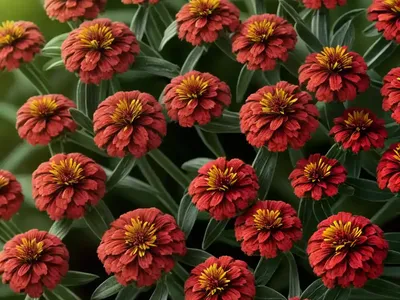
Tagetes erecta, belonging to the family Asteraceae, is an annual flowering plant that is native to Mexico and Central America. It is known for its vibrant and aromatic flowers, which come in a range of warm hues, including shades of yellow, orange, and red. The plant typically grows to a height of 30 to 100 cm, with sturdy stems and finely divided, pinnate green leaves.
African Marigolds have been cultivated for centuries, and their significance extends beyond their aesthetic appeal. In various cultures, they hold symbolic and practical importance, being used in religious rituals, traditional medicine, and even insect repellent formulations. This multifaceted plant has also found its way into modern landscapes, where it serves as a valuable ornamental addition to gardens, parks, and urban spaces.
Key Takeaways – Tagetes erecta (African Marigold)
Let’s delve into the key takeaways of African Marigold, covering its culture, uses, and essential care requirements:
Culture
Tagetes erecta has a rich cultural heritage and holds significant symbolism across various traditions and practices. It has been used in religious ceremonies, cultural celebrations, and symbolic rituals, adding a touch of vibrancy and meaning to diverse events and occasions.
Uses
The uses of African Marigold are multifaceted, spanning ornamental, medicinal, and practical applications. Its vibrant flowers make it a popular choice for decorative purposes, while its aromatic properties have earned it a place in traditional medicine and pest control remedies.
Water
African Marigolds thrive in well-drained soil and require regular watering to support healthy growth and prolific flowering. However, they are also known for their tolerance to relatively dry conditions, making them a suitable choice for gardens with varying moisture levels.
Sunlight
Being sun-loving plants, African Marigolds flourish in full sunlight and require a minimum of 6 hours of direct sun exposure per day. Adequate sunlight not only promotes robust growth but also enhances the development of vibrant flower colors and fragrances.
Fertilizer
When it comes to fertilization, African Marigolds benefit from a balanced, water-soluble fertilizer that is applied during their active growth phase. A fertilizer with a slightly higher potassium content can also contribute to abundant flowering and overall plant vigor.
Soil
Well-drained, moderately fertile soil is ideal for African Marigolds. They are adaptable to different soil types, but they thrive in loamy, slightly acidic to neutral soils. Good soil structure is essential for supporting healthy root development and moisture management.
Pruning
Regular deadheading and pruning of African Marigolds can promote continuous blooming and maintain a tidy, compact growth habit. Removing spent flowers and trimming leggy stems can encourage the plant to divert its energy into producing new blooms.
Propagation
African Marigolds can be propagated from seeds, which germinate relatively quickly under favorable conditions. Seed propagation offers an economical and straightforward method for growing new plants, allowing for the continuation of their vibrant presence in gardens and landscapes.
Container Popularity
The compact growth habit and colorful blooms of African Marigolds make them popular choices for container gardening. Whether grown in individual pots or mixed container arrangements, they add a cheerful and eye-catching element to outdoor and indoor spaces.
Container Common Diseases
While container-grown African Marigolds are generally resilient, they may still be susceptible to certain diseases and issues. Proper watering practices, adequate air circulation, and attention to soil health can help prevent common container diseases such as root rot and powdery mildew.
Disease Diagnosis
Identifying and addressing plant diseases is crucial for maintaining the health and vitality of African Marigolds. Early detection, accurate diagnosis, and prompt intervention are key in managing and preventing disease outbreaks, ensuring the long-term well-being of the plants.
Common Pests
African Marigolds are known for their natural pest-repelling properties, but they may still encounter pests such as aphids, spider mites, and whiteflies. Integrated pest management strategies and natural pest control solutions can help safeguard the plants from potential infestations.
Botanist’s Tips
Drawing from botanical insights and practical observations, experts offer valuable tips for successfully cultivating and caring for African Marigolds. These tips cover aspects such as soil preparation, companion planting, and harnessing the plant’s natural properties to enhance gardening experiences.
Fun Facts
Exploring the intriguing and lesser-known aspects of African Marigolds, fun facts shed light on the plant’s cultural significance, historical uses, and fascinating features. These tidbits of information offer a delightful glimpse into the world of Tagetes erecta.
With the key takeaways outlined, let’s delve deeper into the multifaceted world of African Marigold, exploring its benefits, cultivation, care tips, and much more.
Tagetes erecta Benefits
Tagetes erecta, or African Marigold, offers a range of benefits that make it a valuable addition to gardens, landscapes, and cultural practices. Let’s explore the diverse benefits associated with this vibrant and versatile plant:
Medicinal Properties
African Marigolds have a rich history of medicinal use, with various traditional healing systems incorporating the plant for its therapeutic properties. The flowers, leaves, and essential oils of Tagetes erecta have been utilized to treat ailments and promote wellness.
Environmental Benefits
Beyond its ornamental and medicinal value, African Marigold contributes to environmental sustainability through its pest-repelling properties, soil-enhancing abilities, and potential role in supporting beneficial insect populations.
Cultural Significance
Tagetes erecta holds cultural significance in numerous traditions and ceremonies, where it symbolizes concepts such as celebration, protection, and blessings. Its vibrant flowers add a touch of color, fragrance, and symbolism to diverse cultural practices.
Ornamental Value
The vibrant and long-lasting blooms of African Marigold make it a popular choice for ornamental purposes, ranging from landscape design to floral arrangements. Its cheerful presence and diverse color palette contribute to visually appealing garden displays.
Companion Planting
African Marigolds are valued for their role in companion planting, where they can help repel pests, attract beneficial insects, and support the growth of neighboring plants. Their aromatic properties and natural pest-repelling qualities make them valuable allies in garden ecosystems.
Culinary and Herbal Uses
While primarily known for their ornamental and medicinal uses, African Marigolds have also been utilized in culinary and herbal applications in certain cultures. From flavoring dishes to crafting herbal remedies, the plant’s versatile nature extends to culinary and herbal spheres.
Folklore and Traditions
Folklore and traditions surrounding African Marigolds enrich their cultural significance, portraying them as symbols of love, protection, and positive energy. Myths, legends, and traditional beliefs highlight the enduring appeal and symbolic depth of Tagetes erecta.
Aromatic Properties
The aromatic profile of African Marigold, characterized by its distinct fragrance, adds a sensory dimension to gardens and floral compositions. Its uplifting scent contributes to sensory experiences and makes it a sought-after element in fragrant gardens.
With these diverse benefits in mind, African Marigold emerges as a plant of remarkable versatility, offering a blend of ornamental, cultural, and practical attributes.
African Marigold Uses
The uses of African Marigold encompass a wide spectrum, spanning decorative, medicinal, and practical applications. Let’s explore the various ways in which Tagetes erecta is utilized and appreciated for its diverse properties:
Ornamental Uses
African Marigold’s vibrant and long-lasting blooms make it a popular choice for ornamental purposes, including landscaping, garden borders, and floral arrangements. Its striking colors and sturdy growth habit contribute to visually appealing displays.
Medicinal Uses
Tagetes erecta has a history of medicinal use, attributed to its potential therapeutic properties. Extracts, essential oils, and preparations derived from the plant have been employed in traditional medicine to address various health concerns.
Pest Repellent
The natural pest-repelling properties of African Marigold make it a valuable ally in pest management strategies. Its presence can help deter certain insect pests, contributing to the protection of neighboring plants and garden spaces.
Soil Enhancement
African Marigolds are known for their potential to enhance soil health through mechanisms such as allelopathy and the suppression of nematodes. Their root exudates and biochemical interactions can influence soil microorganisms and contribute to overall soil vitality.
Companion Planting
The practice of companion planting involves using African Marigolds to benefit neighboring plants by repelling pests, attracting beneficial insects, and contributing to overall garden health. This approach harnesses the plant’s natural properties to create synergistic plant communities.
Decorative Crafts
Beyond garden settings, African Marigolds have been used in decorative crafts and artistic expressions, where their vibrant flowers add a touch of color and symbolism to floral arrangements, wreaths, and decorative arts.
Traditional Cuisine
In certain cultures, African Marigolds have been employed as a culinary ingredient, imparting flavor and aromatic properties to dishes and beverages. Their culinary uses add a unique dimension to the plant’s versatility.
Floral Symbolism
The symbolic meanings associated with African Marigold vary across cultures, portraying the plant as a symbol of celebration, protection, and positive energy. Its colorful blooms carry significance in traditional ceremonies and symbolic expressions.
Aromatic Profiles
The distinct fragrance of African Marigold has inspired its use in perfumery, aromatherapy, and sensory experiences. The uplifting scent of the plant contributes to its appeal in aromatic applications.
Herbal Remedies
In traditional medicine systems, African Marigold has been utilized in herbal remedies, with preparations derived from the plant addressing specific health and wellness needs. Its herbal uses highlight its potential benefits beyond ornamental and culinary realms.
From ornamental displays to medicinal formulations, African Marigold’s uses encompass a rich tapestry of applications, reflecting its cultural, practical, and aesthetic relevance.
Tagetes erecta Cultivation
The cultivation of Tagetes erecta, or African Marigold, encompasses various aspects of plant care and management. Whether grown in gardens, containers, or indoor settings, understanding the cultivation requirements of African Marigold is essential for fostering its health and vitality.
Planting Guide
African Marigold cultivation begins with selecting an appropriate planting site that receives ample sunlight and provides well-drained soil. The plant’s growth habits, moisture requirements, and potential interactions with neighboring species should be considered when planning its placement in the garden.
Growth Requirements
To support healthy growth and abundant flowering, African Marigolds require optimal growing conditions, including adequate sunlight, well-drained soil, regular watering, and nutrient support. Meeting these growth requirements is essential for nurturing robust and vigorous plants.
Seasonal Blooming
African Marigolds exhibit seasonal blooming patterns, with their vibrant flowers adding bursts of color and fragrance to outdoor spaces. Understanding the plant’s blooming cycles and seasonal preferences can aid in planning and designing garden displays.
Landscape Uses
In landscape design, African Marigolds are valued for their colorful display, compact growth habit, and potential for attracting beneficial insects. Their use in garden borders, mass plantings, and mixed flower beds contributes to visually appealing and ecologically beneficial landscapes.
Container Gardening
The versatile nature of African Marigolds makes them well-suited for container gardening, where their vibrant blooms and aromatic properties enliven outdoor and indoor spaces. Choosing suitable containers, providing proper care, and selecting companion plants are essential considerations for successful container displays.
Indoor Cultivation
African Marigolds can also be grown indoors, allowing enthusiasts to enjoy their vibrant blooms and aromatic presence within indoor spaces. With proper lighting, soil, and watering, indoor cultivation offers an opportunity to bring the charm of Tagetes erecta into home environments.
Landscaping Tips
Landscaping with African Marigolds involves considering factors such as color schemes, plant combinations, and ecological interactions. Incorporating these tips can help create visually striking, ecologically conscious landscapes that showcase the plant’s ornamental and practical attributes.
Soil Requirements
Well-drained, moderately fertile soil is ideal for African Marigold cultivation, with considerations for soil pH, structure, and nutrient content. Understanding the plant’s soil preferences is key to providing a suitable growing environment.
Drought Tolerance
African Marigolds exhibit a degree of drought tolerance, making them resilient in conditions of reduced water availability. Their ability to withstand dry spells contributes to their adaptability in various garden and landscape settings.
Ethnobotany
The ethnobotanical significance of African Marigolds encompasses their historical uses, cultural symbolism, and traditional practices associated with the plant. Exploring the ethnobotanical dimensions of Tagetes erecta offers insights into its multifaceted cultural and practical roles.
Cultivating African Marigold involves a blend of horticultural practices, landscape considerations, and ecological awareness, all aimed at nurturing the plant’s vitality and harnessing its ornamental and practical potential.
African Marigold Care Tips
Caring for African Marigolds involves understanding their specific needs and implementing best practices to support their health, flowering, and overall well-being. By following these care tips, enthusiasts can cultivate robust and vibrant Tagetes erecta plants:
Watering
Providing regular, consistent watering is essential for African Marigolds, particularly during their active growth phase and flowering periods. Avoiding waterlogged conditions while ensuring adequate soil moisture promotes healthy root development and abundant flowering.
Sunlight
African Marigolds thrive in full sunlight and require a minimum of 6 hours of direct sun exposure per day. Providing ample sunlight not only supports robust growth but also enhances the development of vibrant flower colors and fragrances.
Fertilization
Applying a balanced, water-soluble fertilizer during the active growth phase can bolster the vigor and flower production of African Marigolds. Consider using a fertilizer with a slightly higher potassium content to promote prolific blooming and overall plant vitality.
Pruning and Deadheading
Regular deadheading and pruning of spent blooms and leggy stems can encourage continuous flowering and maintain the plant’s compact growth habit. This practice redirects the plant’s energy to new growth and bloom production.
Disease Management
Monitoring for signs of disease, practicing good sanitation, and ensuring proper air circulation can contribute to disease prevention in African Marigolds. Prompt identification and intervention are crucial for managing common diseases such as powdery mildew.
Pest Control
While African Marigolds possess natural pest-repelling properties, they may still encounter pests such as aphids and spider mites. Integrated pest management strategies, natural repellents, and vigilant monitoring can help safeguard the plants from potential infestations.
Propagation Methods
African Marigolds can be propagated from seeds, offering an economical and straightforward method for growing new plants. Timing, seed quality, and environmental conditions influence the success of seed propagation.
Companion Planting Considerations
Utilize the natural pest-repelling properties of African Marigolds in companion planting schemes, strategically positioning them to support neighboring plants and deter common garden pests. Consider the plant’s interactions with other species when planning companion plant pairings.
Soil Health
Maintaining well-drained, moderately fertile soil and addressing soil health can support the long-term vitality of African Marigolds. Attention to soil structure, pH, and nutrient levels contributes to robust growth and abundant flowering.
Seasonal Care
Adapt care practices to suit seasonal variations, taking into account factors such as temperature fluctuations, sunlight availability, and moisture levels. Seasonal care adjustments can optimize plant health and performance throughout the year.
Environmental Considerations
Consider the ecological impact of African Marigolds in garden and landscape settings, including their potential to attract beneficial insects, contribute to pollinator habitat, and serve as natural pest deterrents.
Floral Arrangements
Harness the vibrant blooms of African Marigolds in floral arrangements and decorative crafts, showcasing their colorful and aromatic presence in indoor and outdoor settings.
DIY Projects
Explore creative DIY projects and crafts that incorporate African Marigolds, allowing for artistic expressions and practical uses of the plant’s blooms and foliage.
Garden Design
Integrate African Marigolds into garden design schemes, considering factors such as color combinations, plant pairings, and ecological interactions to create visually appealing and ecologically conscious landscapes.
By implementing these care tips, individuals can foster the health, vigor, and ornamental value of African Marigolds, creating thriving plant displays and contributing to the plant’s multifaceted uses.
Tagetes erecta Varieties
The diverse world of Tagetes erecta encompasses an array of cultivars and varieties, each offering distinct characteristics, flower colors, and growth habits. From compact dwarf selections to tall, imposing forms, the varieties of African Marigold showcase the plant’s adaptability and ornamental diversity:
Dwarf Varieties
Compact and low-growing, dwarf African Marigold varieties are well-suited for container gardening, edging, and small garden spaces. Their vibrant blooms and tidy growth habit make them versatile additions to outdoor and indoor displays.
Tall Varieties
Tall African Marigold varieties feature imposing stature and large, showy blooms, making them prominent elements in garden borders and landscape plantings. Their striking presence and vibrant colors command attention in garden settings.
Single Flowered Cultivars
With single-layered blooms and diverse color options, single flowered African Mar,ild cultivars offer a spectrum of choices for garden displays, floral arrangements, and ornamental uses. Their simple, yet striking, flowers add visual interest to outdoor spaces.
Double Flowered Cultivars
The double-layered blooms of African Marigold cultivars exhibit an abundance of petals, creating lush, full flower heads in various hues. These cultivars are valued for their ornamental impact and floral abundance in garden settings.
Unique Color Variations
African Marigold varieties come in an array of colors, including shades of yellow, orange, red, and gold. Unique color variations and patterns contribute to the plant’s ornamental diversity and potential for creating visually striking garden displays.
Specialized Varieties
Some varieties of African Marigold are bred for specific attributes, such as compact growth, extended blooming periods, or specific color palettes. These specialized varieties cater to diverse gardening preferences and design needs.
Hybrid Selections
Hybrid African Marigold selections offer a range of features, including improved disease resistance, uniform growth habits, and enhanced flowering performance. These hybrids showcase the ongoing breeding advancements and cultivar developments within the plant species.
Scented Varieties
Certain African Marigold varieties exhibit aromatic properties, infusing garden spaces with their uplifting scents. These scented selections add a sensory dimension to garden displays, inviting appreciation of their visual and olfactory attributes.
Vintage Varieties
Some older or heirloom varieties of African Marigold hold historical significance and cultural value, presenting unique flower forms, growth habits, and color patterns. These vintage selections reflect the enduring popularity and charm of traditional cultivars.
Regional Favorites
Across different regions, certain African Marigold varieties have gained popularity and recognition for their