Tagetes Erecta Big Duck Orange F1 (African Marigold)
Plants are living organisms belonging to the kingdom Plantae. They are multicellular organisms with cell walls composed of cellulose. They primarily obtain
Plant Name: Tagetes erecta Big Duck Orange F1
Common Name: African Marigold
What is a Plant?
Plants are living organisms belonging to the kingdom Plantae. They are multicellular organisms with cell walls composed of cellulose. They primarily obtain energy through photosynthesis using light, water, and carbon dioxide to produce food. From towering trees to tiny algae, the plant kingdom encompasses a wide variety of species, each with its unique characteristics and requirements.
Tagetes erecta Big Duck Orange F1 (African Marigold)
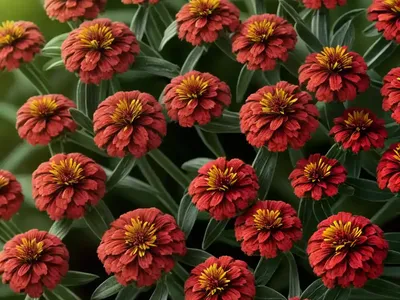
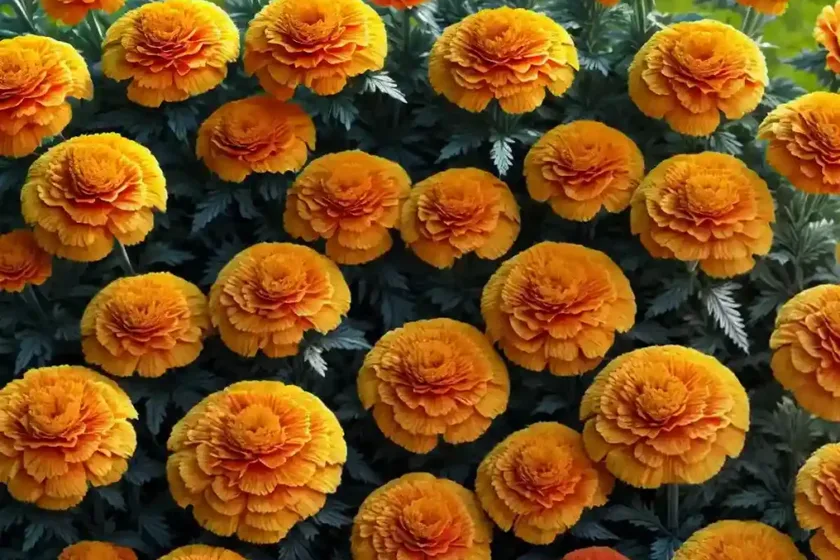
The Tagetes erecta Big Duck Orange F1 or African Marigold is a vibrant and popular flowering plant known for its striking orange blooms. It is a member of the Tagetes genus, which comprises many species of marigolds. The Big Duck Orange F1 variety displays large, fully double flowers on robust, vigorous plants that are well-suited for borders, beds, and containers.
Key Takeaways
Culture
- Scientific Name: Tagetes erecta
- Common Name: African Marigold
- Variety: Big Duck Orange F1
- Family: Asteraceae
- Type: Annual
Uses
- Tagetes erecta Big Duck Orange F1 is commonly used for:
- Ornamental purposes
- Companion planting
- Medicinal properties in some traditional practices
Water
- Watering Frequency: Regular watering, allowing the soil to dry out between waterings
- Watering Method: Direct soil at the base to avoid wetting the foliage
Sunlight
- Sunlight Needs: Full sun (6-8 hours of direct sunlight per day)
- Preferred Temperature: Thrives in warm temperatures
Fertilizer
- Fertilization Schedule: Monthly during the growing season
- Preferred Fertilizer: Balanced, water-soluble fertilizer
Soil
- Soil Type: Well-draining, fertile soil
- pH Range: 6.0-7.5 (slightly acidic to neutral)
Pruning
- Pruning Needs: Regular deadheading (removing spent blooms) to promote continuous flowering
Propagation
- Propagation Method: From seeds
- Propagation Timing: Usually started indoors 6-8 weeks before the last frost
Container Popularity
- Tagetes erecta Big Duck Orange F1 is popular for container gardening due to its prolific blooms and compact growth habit.
Container Common Diseases
- Common Container Diseases: Overwatering leading to root rot
- Prevention: Ensure proper drainage in containers
Disease Diagnosis
- Regularly inspect the foliage and stems for any signs of disease such as wilting, discoloration, or unusual growths.
Common Pests
- Common Pests: Aphids, spider mites, and caterpillars
- Pest Management: Regular monitoring and using insecticidal soap if an infestation occurs
Botanist’s Tips
- Tip 1: Ensure adequate air circulation to prevent fungal diseases
- Tip 2: Deadhead regularly to prolong flowering
Fun Facts
-
- African Marigolds were named after a characteristic of the gold currency used in early Greece, known as the “marigold.”
-
- In Mexico, marigolds play a significant role in the festival of Dia de los Muertos (Day of the Dead).
african marigold big duck orange f1, tagetes erecta big duck orange f1, tagetes erecta african marigold big duck orange, big duck orange f1 african marigold, african marigold seeds, tagetes erecta big duck orange varieties, african marigold plant care, big duck orange f1 marigold, tagetes erecta african marigold characteristics, big duck orange f1 marigold seeds, african marigold cultivation tips, tagetes erecta big duck orange flowers, big duck orange f1 plant, african marigold varieties, tagetes erecta african marigold care, big duck orange f1 marigold plant, african marigold growing guide, tagetes erecta big duck orange traits, big duck orange f1 marigold flowers, african marigold planting instructions, tagetes erecta african marigold benefits, big duck orange f1 marigold care tips, african marigold medicinal properties, tagetes erecta big duck orange characteristics, big duck orange f1 plant care, african marigold garden, tagetes erecta african marigold varieties, big duck orange f1 marigold benefits, african marigold pests and diseases, tagetes erecta big duck orange cultivation, big duck orange f1 marigold growing tips, african marigold flower arrangements, tagetes erecta african marigold uses, big duck orange f1 marigold planting instructions, african marigold companion plants, tagetes erecta big duck orange flowering period, big duck orange f1 marigold cultivation tips, african marigold edible flowers, tagetes erecta african marigold varieties for landscaping, big duck orange f1 marigold garden design, african marigold fragrance, tagetes erecta big duck orange pollination, big duck orange f1 marigold pests and diseases, african marigold butterfly attractor, tagetes erecta african marigold soil requirements, big duck orange f1 marigold indoor growing, african marigold ecological benefits, tagetes erecta big duck orange ornamental plant, big duck orange f1 marigold container gardening, african marigold ethnobotanical uses
As a plant scientist, my aim is to provide comprehensive information about the cultivation, care, and uses of Tagetes erecta Big Duck Orange F1. In the following sections, I will delve into various aspects of this beautiful marigold variety, from its cultural requirements to its potential pests and diseases. Let’s embark on a journey to uncover the secrets of the African Marigold.
African Marigold: An Overview
Botanical Description
Tagetes erecta is a species of marigold that is native to Mexico and Central America. It is characterized by its robust, bushy growth habit and the abundance of colorful blooms it produces. The flowers are typically large, double, and come in various shades ranging from yellow and orange to deep gold. This species is known for its distinctive pungent scent, which can act as a natural repellent for certain pests in the garden.
Cultivar Highlight: Big Duck Orange F1
The Big Duck Orange F1 variety of Tagetes erecta is a standout cultivar that showcases an intense orange hue in its blooms. Its name, “Big Duck,” hints at the large size of its flowers, which can reach diameters of 3-4 inches. This compact and uniform plant is well-suited for beds, borders, and containers, making it a versatile choice for gardeners seeking vibrant color and a long flowering period.
African Marigold Cultivation
Sunlight
Like most plants in the Asteraceae family, Tagetes erecta thrives in full sun. To ensure optimal growth and abundant flowering, provide at least 6-8 hours of direct sunlight daily. In areas with extremely hot summers, some light afternoon shade may be beneficial to prevent stress on the plants.
Soil Requirements
A well-draining, fertile soil is essential for the successful cultivation of African Marigolds. It is important to avoid waterlogged conditions, as these can lead to root rot and other complications. Enriching the soil with organic matter such as compost prior to planting can improve its structure and nutrient content.
Watering
Maintaining moderate soil moisture is key for healthy growth and flowering. While African Marigolds are relatively drought-tolerant, they perform best with regular watering. However, it’s important to allow the soil to dry out slightly between waterings to prevent issues such as root rot. When watering, direct the water at the base of the plants to avoid wetting the foliage, as this can contribute to disease development.
Fertilization
To support continuous blooming and robust plant growth, regular fertilization is recommended. A balanced, water-soluble fertilizer can be applied monthly during the growing season. It is important to follow the manufacturer’s instructions regarding the application rates to avoid overfeeding, which can lead to excessive foliage at the expense of flowers.
Pruning
Deadheading, or the removal of spent flowers, is an important practice for African Marigolds. This not only keeps the plants looking tidy but also encourages the production of new blooms. Regular deadheading can prolong the flowering period and prevent the formation of seeds, directing the plant’s energy towards continuous flower production.
Propagation
African Marigolds can be easily propagated from seeds. Whether starting the seeds indoors or directly sowing them in the garden, it’s essential to provide a warm and sunny environment for germination. Seeds can be sown indoors 6-8 weeks before the last expected frost, and transplanted outdoors after all danger of frost has passed.
Container Gardening
The compact nature and prolific blooming of Tagetes erecta Big Duck Orange F1 make it an excellent choice for container gardening. When growing this marigold variety in containers, be sure to use a high-quality potting mix that provides adequate drainage. Additionally, fertilize regularly to compensate for the nutrients that may leach out with watering.
Uses of African Marigold
Ornamental Purposes
Perhaps the most well-known use of African Marigolds is for ornamental purposes. Their bright, cheerful blooms add a burst of color to gardens, borders, and containers. Whether planted en masse for a stunning visual impact or used as accent plants, the vibrant orange flowers of the Big Duck Orange F1 variety are sure to captivate onlookers.
Companion Planting
African Marigolds are esteemed for their ability to repel certain pests due to the pungent compounds they release. This characteristic makes them valuable additions to companion planting schemes. Planting them alongside vegetables and other ornamentals can help deter nematodes, aphids, and other insect pests. Additionally, some gardeners believe that marigolds can attract beneficial insects such as ladybugs and hoverflies.
Medicinal Properties
In various traditional practices, marigolds have been used for their potential medicinal properties. They are believed to possess anti-inflammatory and antiseptic qualities, with applications ranging from soothing skin irritations to promoting healing. While further scientific research is needed to validate these claims, it is a testament to the longstanding cultural significance of this remarkable plant.
African Marigold Maintenance
Common Diseases
African Marigolds are generally resilient plants, but they can be susceptible to certain diseases, particularly if grown in unfavorable conditions. Overwatering can lead to root rot, while excessive humidity can encourage fungal diseases such as powdery mildew. Regular inspection of the plants can aid in the early detection of any issues, allowing for prompt intervention.
Disease Diagnosis
When observing signs of disease such as wilting, yellowing, or unusual spots on the foliage, it is important to identify the cause promptly. Some diseases can be effectively managed through cultural practices such as improving air circulation and avoiding overhead watering. If necessary, targeted treatments such as fungicides may be used, following the recommendations on the product label.
Common Pests
Aphids, spider mites, and caterpillars are among the common pests that may target African Marigolds. Regular monitoring of the plants can help in the early detection of pest infestations. In the case of minor infestations, physical removal of the pests or the use of insecticidal soap can be effective. Introducing beneficial insects, such as parasitic wasps, can also help in maintaining a natural balance in the garden.
Botanist’s Tips for Growing African Marigolds
Tip 1: Air Circulation
Adequate air circulation is crucial in preventing the onset of fungal diseases in African Marigolds. When planting, ensure proper spacing between the plants to allow for good airflow. Avoid overcrowding, as this can create a favorable environment for the development and spread of fungal pathogens.
Tip 2: Deadheading for Prolonged Blooms
Regular deadheading not only keeps the plants looking attractive but also promotes continuous flowering. By preventing the formation of seeds, deadheading encourages the plant to channel its energy into producing more blooms. This simple practice can extend the flowering period and enhance the overall visual appeal of the garden.
In the comprehensive guide above, we have explored the various facets of Tagetes erecta Big Duck Orange F1 (African Marigold) cultivation, care, and uses. From its cultural preferences to its potential pests and diseases, this vibrant marigold variety offers a wealth of possibilities for gardeners and enthusiasts. Whether grown in garden beds or elegantly displayed in containers, the striking orange blooms of the Big Duck Orange F1 variety are certain to leave a lasting impression.
Plants have the incredible ability to bring joy, beauty, and even practical benefits to our lives. The African Marigold serves as a reminder of the inherent wonders of the botanical world, captivating us with its dazzling flowers and intriguing cultural significance. As we continue to explore and appreciate the diverse array of plant species, we deepen our connection to the natural world and gain a deeper understanding of the vital role that plants play in our lives.
I hope this guide has provided valuable insights and inspiration for anyone seeking to cultivate Tagetes erecta Big Duck Orange F1 or develop a deeper appreciation for the fascinating world of marigolds.
For further information and resources on African Marigold cultivation, care, and more, here are some external links and references:
- The Old Farmer’s Almanac – Growing Marigolds
- Royal Horticultural Society – Tagetes
- University of Wisconsin-Madison Extension – Marigolds in the Garden
- North Carolina State University Extension – Marigolds for Vegetable Pest Management
- National Garden Bureau – All About Marigolds
The journey of discovery and appreciation for plants continues, and I encourage everyone to embrace the wonders of the natural world, one plant at a time.
Happy gardening, and may your days be filled with the vibrant glow of African Marigolds.