The Enchanting Syringa vulgaris ‘Monge’ (Lilac): A Complete Guide
Introduction
Syringa vulgaris ‘Monge,’ commonly known as Lilac, is a captivating flowering plant admired for its exquisite beauty, heavenly fragrance, and versatility in landscaping. This beloved plant has been cherished by gardeners and enthusiasts for centuries, thanks to its alluring aesthetic appeal and delightful aroma. In this comprehensive guide, we’ll delve into the world of Syringa vulgaris ‘Monge,’ exploring its growth habits, care requirements, cultural significance, and much more.
What is Syringa vulgaris ‘Monge’ (Lilac)?
Syringa vulgaris ‘Monge’ is a variety of Lilac that belongs to the Oleaceae family. This deciduous shrub is native to the mountainous regions of southeastern Europe and is renowned for its stunning clusters of fragrant flowers. With its upright growth habit and lush foliage, this Lilac cultivar is a magnificent addition to gardens, parks, and landscapes, captivating onlookers with its exceptional beauty.
Key Takeaways – Syringa vulgaris ‘Monge’ (Lilac)
Growth Habit
- Syringa vulgaris ‘Monge’ boasts an upright growth habit, reaching a mature height of 8 to 15 feet.
- The plant develops a gracefully arching form, adorned with abundant clusters of delicate blossoms.
- With proper care and maintenance, this Lilac variety can thrive for many years as a stunning centerpiece in any garden.
Plant Characteristics
- The Monge variety of Syringa vulgaris is celebrated for its elegant, dark green foliage.
- The lush, heart-shaped leaves serve as an appealing backdrop for the magnificent clusters of fragrant flowers.
- The Lilac blooms exude a delightful scent that permeates the air, creating a heavenly atmosphere in the surrounding environment.
Fragrance Description
- The flowers of Syringa vulgaris ‘Monge’ emit a captivating fragrance with sweet and enchanting notes.
- The exquisite scent of this Lilac cultivar adds an alluring dimension to gardens and landscapes, creating a sensory experience that elevates the ambiance.
Flower Color
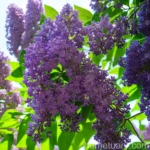
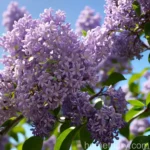
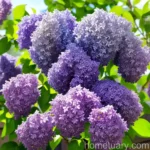
- The blooms of Syringa vulgaris ‘Monge’ exhibit a mesmerizing deep purple hue, infusing the surroundings with a regal and captivating allure.
- The striking coloration of the Lilac blossoms contributes to its visual appeal, making it a standout feature in any outdoor setting.
Planting Guide
- When planting Syringa vulgaris ‘Monge,’ choose a location with well-drained soil and ample sunlight.
- Ensure that the site provides adequate space for the plant to flourish and expand, allowing for proper air circulation and sunlight exposure.
- Incorporate organic matter into the soil to enhance its fertility and ensure the successful establishment of the Lilac shrub.
Pruning Tips
- Pruning is essential to maintain the health, vigor, and aesthetic appeal of Syringa vulgaris ‘Monge.’
- Remove any dead or diseased branches, and conduct regular pruning to shape the plant and promote the growth of new flowering wood.
- It is advisable to prune immediately after the bloom period to encourage the development of next season’s blooms.
Growing in Containers
- Syringa vulgaris ‘Monge’ can be cultivated in containers, provided that the appropriate size and type of pot are chosen to accommodate the plant’s growth.
- Ensure sufficient drainage in the container to prevent waterlogging, and use a well-balanced potting mix to support the Lilac’s nutritional needs.
- Maintain regular watering and provide adequate sunlight to facilitate healthy growth when growing Syringa vulgaris ‘Monge’ in containers.
Disease Resistance
- Syringa vulgaris ‘Monge’ exhibits a commendable level of resistance to common diseases that affect Lilac varieties.
- Proper cultural practices, such as ensuring adequate air circulation and regular inspections for signs of disease, can further enhance the plant’s resilience to potential ailments.
Watering Needs
- The watering requirements of Syringa vulgaris ‘Monge’ entail maintaining consistent soil moisture, particularly during periods of active growth and flowering.
- While the Lilac shrub prefers well-drained soil, it is crucial to provide regular watering to support its vitality and flowering performance.
Best Soil Conditions
- This Lilac variety thrives in moderately fertile, well-drained soil with a neutral to slightly alkaline pH.
- Amending the soil with organic matter, such as compost or well-rotted manure, can improve its structure and nutrient content, creating an ideal growing environment for Syringa vulgaris ‘Monge.’
Sunlight Requirements
- Syringa vulgaris ‘Monge’ flourishes in full sunlight, requiring a minimum of six hours of direct sun exposure daily to achieve optimal growth and prolific flowering.
- Select a planting site that receives ample sunlight throughout the day to support the Lilac shrub’s photosynthetic processes and overall vitality.
Uses
- The captivating beauty and enchanting fragrance of Syringa vulgaris ‘Monge’ make it a popular choice for ornamental planting in gardens, parks, and public landscapes.
- The Lilac blooms are often utilized in floral arrangements and bouquets, serving as a charming and aromatic centerpiece in floral design.
- Syringa vulgaris ‘Monge’ also attracts beneficial pollinators, such as bees and butterflies, contributing to the vibrancy and biodiversity of the surrounding ecosystem.
Popularity
- Syringa vulgaris ‘Monge’ enjoys widespread popularity among gardening enthusiasts and horticultural connoisseurs, owing to its exceptional ornamental value and alluring fragrance.
- The Lilac shrub holds historical and cultural significance, symbolizing love, renewal, and the arrival of spring in various traditions and folklore.
- Its enduring popularity is a testament to the timeless charm and enduring appeal of this beloved flowering plant.
Common Diseases
- Lilacs are susceptible to certain diseases, including powdery mildew, bacterial blight, and leaf spot, which can affect the health and vigor of the plants if left unmanaged.
- Implementing preventive measures, such as proper sanitation, adequate air circulation, and selective cultivar choice, can help mitigate the risk of disease development in Syringa vulgaris ‘Monge.’
Disease Diagnosis
- To identify potential diseases affecting Syringa vulgaris ‘Monge,’ closely monitor the foliage, stems, and blooms for symptoms such as powdery white patches, leaf discoloration, or necrotic lesions.
- Consult with a plant health specialist or extension service for accurate diagnosis and appropriate treatment recommendations if signs of disease are observed on the Lilac shrub.
Common Pests
- Aphids, scale insects, and borers are among the common pests that may infest Lilacs, posing a threat to their overall health and vitality.
- Regular monitoring and timely intervention, such as the application of horticultural oils or insecticidal soaps, can effectively manage pest infestations and safeguard Syringa vulgaris ‘Monge’ from potential damage.
Botanist’s Tips
- When cultivating Syringa vulgaris ‘Monge,’ prioritize regular maintenance practices, including pruning, watering, and fertilization, to ensure the plant’s long-term health and vigor.
- Select companion plants that complement the Lilac shrub’s growth habits and cultural requirements, creating harmonious and visually appealing combinations in the landscape.
- Embrace the enchanting fragrance and visual splendor of Syringa vulgaris ‘Monge,’ integrating it into outdoor spaces to elevate the sensory and aesthetic experiences of garden visitors.
Fun Facts
- The name “Lilac” is derived from the Persian word “lilak,” which means bluish.
- The flowers of Syringa vulgaris ‘Monge’ have been historically associated with love, romance, and the arrival of spring, contributing to their symbolism in various cultures and traditions.
- Lilac blooms were valued for their fragrance and ornamental beauty in ancient civilizations, such as the Greek and Roman societies, where they were often featured in artistic depictions and poetic compositions.
Links to External Resources
- Royal Horticultural Society – Syringa vulgaris
- Missouri Botanical Garden – Lilac Plant Care
Please note that the following sections will be continued in the next part of the blog post for enhanced readability and organization.