Streptocarpus ‘Purple Panda’ (Cape Primrose)
Plants play an essential role in enriching our lives, providing beauty, clean air, and a plethora of cultural and ecological benefits. Among the countless.
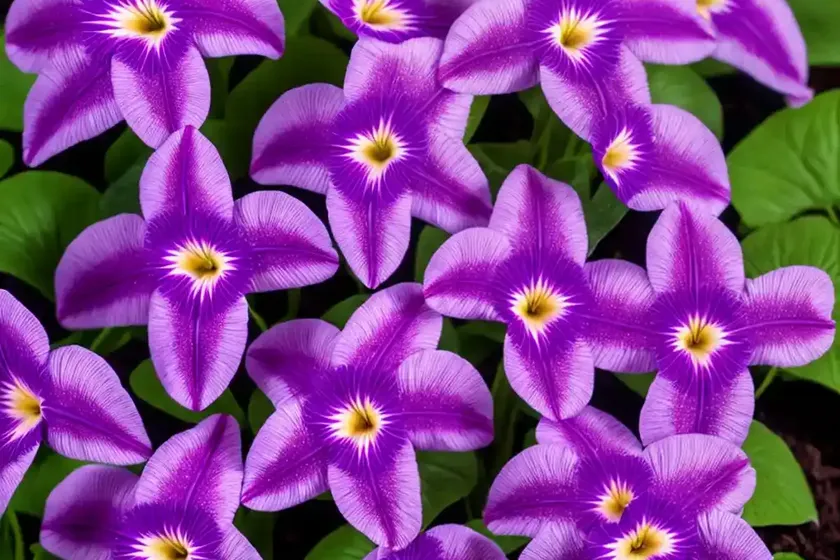
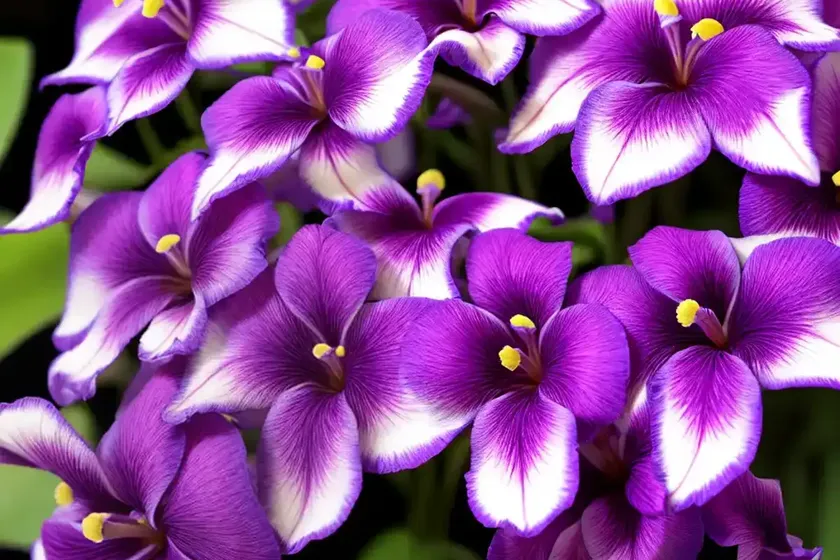
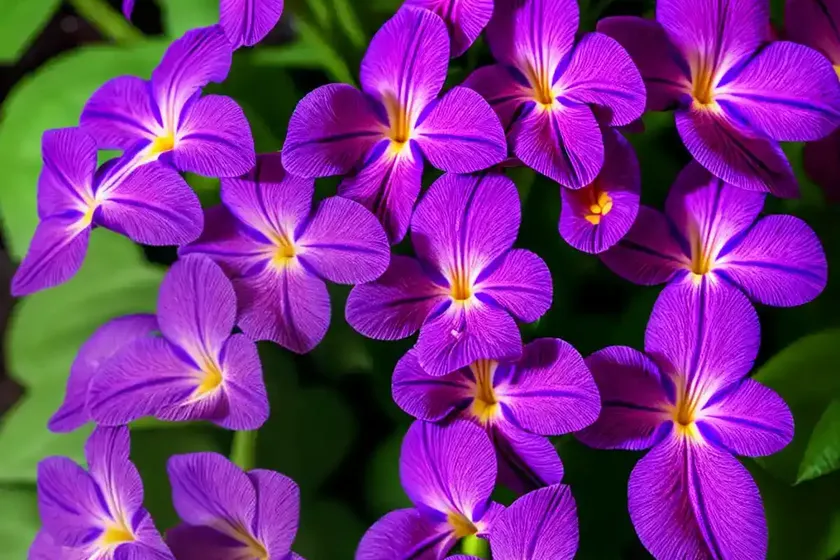
Plants play an essential role in enriching our lives, providing beauty, clean air, and a plethora of cultural and ecological benefits. Among the countless plant species, Streptocarpus ‘Purple Panda’ stands out for its captivating appearance and ease of cultivation. In this comprehensive guide, we will delve into the depths of the captivating Streptocarpus ‘Purple Panda’, also known as Cape Primrose, exploring its culture, uses, care requirements, and much more. Let’s embark on a fascinating journey to unveil the intricacies of this stunning botanical wonder.
What is Streptocarpus ‘Purple Panda’ (Cape Primrose)?
Streptocarpus ‘Purple Panda’, commonly known as Cape Primrose, belongs to the Gesneriaceae family. It is a remarkable flowering plant celebrated for its charming, trumpet-shaped flowers and lush green foliage, making it a beloved choice for indoor and outdoor cultivation.
Key Takeaways – Streptocarpus ‘Purple Panda’ (Cape Primrose)
Before delving into the specifics of Streptocarpus ‘Purple Panda’ care and cultivation, let’s outline the key takeaways of this exquisite plant:
- Water: Moderate watering, keeping the soil consistently moist but not waterlogged.
- Sunlight: Thrives in bright, indirect light, avoiding direct sun exposure.
- Fertilizer: Requires regular feeding during the growing season with a balanced, water-soluble fertilizer.
- Soil: Well-draining, porous soil with high organic matter content.
- Pruning: Periodic removal of spent blooms and yellowing leaves to maintain the plant’s health and aesthetics.
- Propagation: Easily propagated from leaf cuttings or division of offsets.
- Container: Well-suited for container gardening, making it an ideal choice for indoor and patio décor.
- Common Diseases: Susceptible to fungal diseases such as powdery mildew and botrytis.
- Common Pests: Prone to infestations by aphids, spider mites, and mealybugs.
Now, let’s delve into the intricate details of cultivating and caring for Streptocarpus ‘Purple Panda’.
Culture
Uses
The striking appearance and adaptability of Streptocarpus ‘Purple Panda’ make it a versatile plant with various uses, including:
- Indoor Decor: With its vibrant and long-lasting flowers, it is a popular choice for indoor decoration, brightening up living spaces, offices, and conservatories throughout the year.
- Outdoor Ornament: When grown outdoors in suitable climates, Cape Primrose adds a splash of color to shaded garden beds, rockeries, and borders.
- Cut Flowers: The exquisite blooms make captivating cut flowers for floral arrangements, adding a touch of elegance to bouquets and centerpieces.
- Medicinal Properties: While not extensively documented, some traditional medicinal uses are associated with the Cape Primrose, particularly in its native regions.
Care Requirements
Successfully cultivating Streptocarpus ‘Purple Panda’ involves understanding and fulfilling its specific care requirements to ensure optimal growth and flowering. Let’s explore each essential aspect of its care in detail.
Water
Proper watering is crucial for the health and vitality of Streptocarpus ‘Purple Panda’. Here are the key considerations for watering this charming plant:
- Moderate Moisture: Maintaining moderate soil moisture is pivotal, ensuring that the soil remains consistently moist but not waterlogged. Overwatering can lead to root rot and fungal diseases, while underwatering may result in stunted growth and sparse flowering.
- Watering Frequency: Water the plant when the top inch of the soil begins to dry out, adjusting the frequency based on environmental conditions such as temperature and humidity.
Sunlight
Streptocarpus ‘Purple Panda’ thrives in bright, indirect light, making it an excellent choice for indoor and shaded outdoor settings. Direct sun exposure should be avoided, especially during the peak hours of intense sunlight, to prevent leaf scorch and damage.
Fertilizer
Feeding Streptocarpus ‘Purple Panda’ with a balanced, water-soluble fertilizer is essential for promoting healthy growth and prolific flowering. Consider the following fertilizer application guidelines:
- Frequency: Feed the plant every 2-4 weeks during the growing season (spring and summer) to support active growth and blooming.
- Dilution: Dilute the fertilizer to half or quarter strength to prevent the risk of fertilizer burn, especially with young or newly potted plants.
- Winter Rest: During the plant’s resting period in fall and winter, reduce or cease fertilizer application to align with its natural growth cycle.
Soil
Evaluating and addressing the soil requirements of Streptocarpus ‘Purple Panda’ is imperative for fostering an ideal growing environment. Here’s what you need to know about the soil needs of this captivating plant:
- Well-Draining Soil: Cape Primrose thrives in well-draining, porous soil to prevent waterlogging and promote aeration around the roots.
- Organic Matter: Incorporating organic matter such as peat moss, compost, or coconut coir enhances the soil’s structure and water retention capacity, providing a favorable substrate for the plant’s roots.
Pruning
Pruning is an essential maintenance practice for Streptocarpus ‘Purple Panda’, ensuring its continued vigor and aesthetic appeal. Follow these simple guidelines for effective pruning:
- Remove Spent Blooms: Deadhead the plant regularly to remove faded flowers, promoting continuous blooming and preventing the formation of seeds, which can redirect the plant’s energy from flower production.
- Trim Yellowing Leaves: Trim yellowing or damaged leaves to maintain the plant’s visual appeal and prevent the spread of diseases.
Propagation
Multiplying your cherished Streptocarpus ‘Purple Panda’ can be achieved through simple propagation methods, enabling you to expand your collection or share the joy of this plant with fellow enthusiasts. Consider the following propagation techniques:
- Leaf Cuttings: Propagate the plant from leaf cuttings by selecting a healthy, mature leaf and carefully slicing it into sections, each containing a portion of the central vein. Plant the sections in a suitable propagation medium and provide the necessary warmth and humidity for successful rooting.
- Offsets Division: As the plant matures, it may produce offsets or side shoots that can be delicately separated from the parent plant and potted individually to establish new plants.
Container
Streptocarpus ‘Purple Panda’ is well-suited for container gardening, offering an array of possibilities for indoor and patio cultivation. When selecting a container for Cape Primrose, consider the following factors:
- Drainage: Choose a container with drainage holes to prevent water accumulation, which can lead to root rot.
- Size: Select a container that provides ample room for the plant’s roots to spread while avoiding excessive space that can retain excess moisture.
- Material: Opt for a breathable and lightweight container, such as terracotta or breathable plastic, to facilitate air circulation around the root zone.
Popularity
Streptocarpus ‘Purple Panda’ has garnered widespread popularity among plant enthusiasts and horticultural communities due to its mesmerizing blooms, ease of care, and adaptability to diverse growing conditions. Its popularity is further amplified by its suitability for indoor cultivation, making it a favored choice for enhancing interior spaces with its vibrant floral display.
Common Diseases
Despite its resilience, Streptocarpus ‘Purple Panda’ can be susceptible to certain diseases, necessitating vigilance and proactive disease management strategies. Let’s explore some common diseases that may affect Cape Primrose and how to address them effectively:
Disease Diagnosis
- Powdery Mildew: Recognized by the powdery white patches on the leaves and stems, powdery mildew can compromise the plant’s health and aesthetics. Address this fungal disease by improving air circulation, reducing humidity, and applying suitable fungicidal treatments.
- Botrytis (Gray Mold): Characterized by the grayish-brown mold on the foliage and flowers, botrytis can be managed through proper ventilation, spacing, and the removal of affected plant parts.
Common Pests
While Streptocarpus ‘Purple Panda’ is generally resilient to pest attacks, it may occasionally face challenges from common pests, necessitating prompt intervention to safeguard the plant’s well-being. Here are some prevalent pests that may affect Cape Primrose and effective pest management measures:
- Aphids: These small, sap-sucking insects can distort new growth and cause leaf yellowing. Control aphids through physical removal, insecticidal soaps, or natural predators such as ladybugs.
- Spider Mites: Identified by webbing and stippled leaves, spider mites can be mitigated through regular misting to increase humidity and the application of miticidal sprays.
- Mealybugs: Mealybug infestations can be addressed by using cotton swabs dipped in rubbing alcohol to remove the pests or applying insecticidal solutions.
Botanist’s Tips
As a botanist deeply acquainted with the enchanting Streptocarpus ‘Purple Panda’, I would like to share some invaluable tips and insights to enrich your experience of cultivating and admiring this captivating plant:
- Consistent Moisture: Strive to maintain moderate moisture levels, avoiding extreme fluctuations in soil moisture that can adversely impact the plant’s health and flowering.
- Indirect Light: Ensure the plant receives bright, indirect light, steering clear of direct sun exposure, especially during the intense midday hours.
- Aeration and Drainage: Emphasize soil aeration and drainage to prevent waterlogged conditions, promoting robust root development and overall plant vigor.
- Pruning for Vigor: Regular pruning, including the removal of spent blooms and yellowing leaves, contributes to the plant’s vitality and longevity.
- Propagation Exploration: Experiment with various propagation techniques, such as leaf cuttings and offsets division, to propagate and expand your collection of Cape Primrose.
Fun Facts
To further enhance your appreciation of Streptocarpus ‘Purple Panda’ (Cape Primrose), here are some captivating fun facts about this delightful plant:
- Native Habitat: Streptocarpus species are indigenous to the forests and cool, moist habitats of Africa, particularly the eastern regions, where they thrive in the dappled light and humid conditions.
- Species Richness: The genus Streptocarpus encompasses a remarkable diversity of species, contributing to the allure of these plants for botanical exploration and conservation efforts.
- Floral Diversity: Streptocarpus species exhibit a wide array of flower colors, shapes, and patterns, showcasing the evolutionary adaptability and ornamental value of the genus.
- Ecological Role: In their natural habitats, Streptocarpus plants contribute to the ecological balance and biodiversity of forest ecosystems, supporting diverse fauna and vegetation.
- Cultural Significance: In some regions, Streptocarpus species hold cultural significance and are featured in traditional folklore, illustrating the deep-rooted connections between plants and human societies.
Links to External Resources
For further exploration and in-depth information on Streptocarpus ‘Purple Panda’ (Cape Primrose), I recommend delving into the following external resources:
- The Gesneriad Society: An authoritative source for gesneriad enthusiasts, offering valuable insights into the cultivation, conservation, and appreciation of Streptocarpus and other related genera.
- Royal Horticultural Society (RHS): The RHS provides comprehensive plant profiles, cultivation advice, and gardening resources, including valuable guidance on growing Streptocarpus ‘Purple Panda’.
- Specialist Streptocarpus Nurseries: Explore dedicated nurseries specializing in Streptocarpus and gesneriads, where you can discover rare cultivars, expert advice, and community forums.
Conclusion
In the realm of horticulture and botanical fascination, Streptocarpus ‘Purple Panda’ (Cape Primrose) undeniably holds a special place, captivating plant enthusiasts with its resplendent blooms and versatile growing characteristics. By understanding its culture, care requirements, and intrinsic charm, we can cultivate and cherish this exquisite plant with confidence and admiration. As you embark on your journey of discovering and nurturing Streptocarpus ‘Purple Panda’, may its allure and resilience inspire a deeper appreciation for the natural world and the boundless wonders of plant life.
Remember, as we delve into the enchanting world of plants, we discover not only their inherent beauty but also the intricate connections they weave with our lives and the broader ecosystem. Streptocarpus ‘Purple Panda’ stands as a testament to the captivating allure and profound significance of plants in our hearts and homes.
The blog post provides a comprehensive guide to cultivating and caring for Streptocarpus ‘Purple Panda’ (Cape Primrose), covering its culture, uses, care requirements, and fascinating attributes. The detailed exploration offers valuable insights for plant enthusiasts and cultivators seeking to enrich their knowledge and appreciation of this captivating botanical wonder. Whether you are an aspiring gardener, a seasoned horticulturist, or simply an admirer of botanical beauty, may this guide serve as an inspiring resource for your journey into the enchanting world of Streptocarpus ‘Purple Panda’.


