Tropaeolum Peregrinum (Canary Creeper)
Plants bring life and vitality to any space, be it a garden, balcony, or indoors. Their diverse shapes, colors, and forms add beauty to our surroundings.
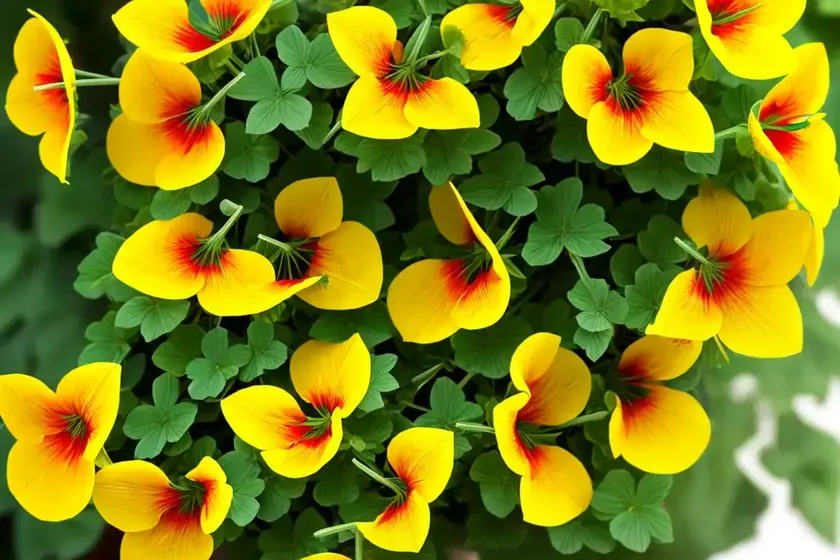
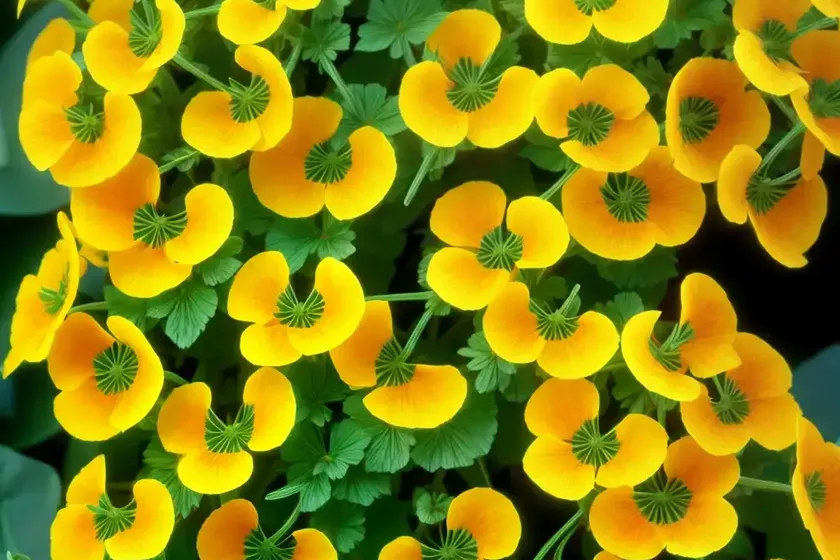
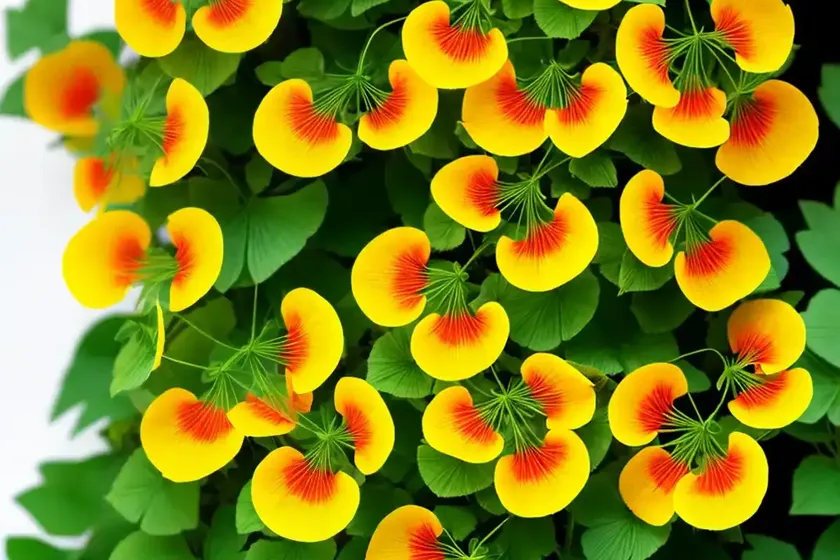
Plants bring life and vitality to any space, be it a garden, balcony, or indoors. Their diverse shapes, colors, and forms add beauty to our surroundings and create a sense of connection to nature. Among the vast array of plants, one that stands out for its vibrant blooms and unique growth habits is the Tropaeolum peregrinum, commonly known as the Canary Creeper.
In this comprehensive guide, we will delve into the intriguing world of Tropaeolum peregrinum, exploring its cultural significance, uses, care requirements, and much more. Whether you are a seasoned gardener or just starting your plant journey, this article will equip you with valuable insights to cultivate and appreciate this enchanting plant.
What is Tropaeolum peregrinum (Canary Creeper)?
Tropaeolum peregrinum, belonging to the Tropaeolaceae family, is a flowering plant native to South America. It is known for its ornamental and trailing growth habit, making it an excellent choice for hanging baskets, trellises, and containers. The plant’s distinct yellow flowers and unique foliage add a cheerful touch to any garden or landscape.
Key Takeaways – Tropaeolum peregrinum (Canary Creeper)
Before delving into the specific aspects of Tropaeolum peregrinum care and cultivation, let’s outline the key takeaways regarding this captivating plant.
- Common Name: Canary Creeper
- Scientific Name: Tropaeolum peregrinum
- Plant Type: Annual Vine
- Native Habitat: South America
- Growth Habit: Trailing/Climbing
- Flower Color: Bright Yellow
- Foliage: Unique, Rounded Leaves
- Special Features: Ornamental Flowers, Edible Leaves and Flowers
Now that we have a general understanding of Tropaeolum peregrinum, it’s time to explore the nuances of caring for and nurturing this fascinating plant.
Culture
Understanding the cultural requirements of Tropaeolum peregrinum is vital for ensuring its healthy growth and development. By considering its specific needs for water, sunlight, soil, and other factors, you can create an optimal environment for this plant to thrive.
Uses
The Canary Creeper boasts a range of uses and applications, making it a versatile addition to gardens, landscapes, and even culinary endeavors. Let’s explore some of the prominent uses of Tropaeolum peregrinum:
-
Ornamental Purposes: The vibrant yellow flowers and trailing growth habit make Tropaeolum peregrinum a popular choice for ornamental plantings. It adds a bright and cheerful touch to hanging baskets, trellises, and containers, enhancing the visual appeal of any space.
-
Edible Qualities: Beyond its aesthetic appeal, Tropaeolum peregrinum offers edible benefits. The plant’s leaves and flowers are known for their slightly tangy, peppery flavor, making them a delightful addition to salads and garnishes. They contribute not only to visual spreads but also to culinary creativity.
-
Attracting Wildlife: Tropaeolum peregrinum’s nectar-rich flowers have the potential to attract pollinators such as bees and butterflies, adding a dynamic ecological dimension to the garden. The plant’s ability to support biodiversity and wildlife adds to its appeal as a multifaceted garden addition.
Water
Watering is a critical aspect of Tropaeolum peregrinum care, as it directly influences the plant’s growth, flowering, and overall health. Understanding the plant’s water requirements can help you maintain an appropriate moisture level without subjecting it to water-related stress.
-
Watering Needs: Tropaeolum peregrinum thrives in moderately moist soil. While it appreciates consistent moisture, it is essential to avoid waterlogging, as excessive water can lead to root rot and other issues. During the growing season, monitor the soil moisture regularly and adjust your watering frequency based on the plant’s needs and environmental conditions.
-
Establishment Period: When initially establishing Tropaeolum peregrinum in the garden or containers, pay special attention to watering. Providing consistent moisture during the plant’s early stages of growth can support strong root development and overall establishment.
-
Drought Tolerance: Once established, Tropaeolum peregrinum exhibits moderate drought tolerance. However, prolonged periods of drought may lead to reduced flowering and overall stress on the plant. During dry spells, supplement the plant with adequate water to support its vitality.
Sunlight
Sunlight plays a pivotal role in shaping Tropaeolum peregrinum’s growth, flowering, and overall vigor. Understanding the plant’s sunlight requirements can help you identify suitable planting locations and provide the necessary light conditions for optimal performance.
-
Sunlight Requirements: Tropaeolum peregrinum thrives in full sun to partial shade. It appreciates at least 6-8 hours of direct sunlight per day, allowing it to produce abundant blooms and maintain robust growth. In regions with intense summer heat, providing some afternoon shade can help protect the plant from excessive stress.
-
Indoor Considerations: If cultivating Tropaeolum peregrinum indoors, ensure that it receives ample sunlight. Placing the plant near south-facing windows or providing supplemental grow lights can help compensate for lower light levels and support healthy growth.
-
Sunlight Adaptability: While the plant prefers full sun, it can also tolerate partial shade, making it versatile for various garden settings. Understanding its adaptability to different light conditions can help you make informed planting decisions.
Fertilizer
Fertilizing Tropaeolum peregrinum is an essential aspect of its care regimen, providing the necessary nutrients for robust growth, flowering, and overall vitality. By selecting suitable fertilizers and applying them judiciously, you can support the plant’s nutritional needs and enhance its ornamental qualities.
-
Fertilizer Type: Tropaeolum peregrinum benefits from a balanced, all-purpose fertilizer, such as a 10-10-10 formulation or a similar balanced blend. These fertilizers provide a mix of essential nutrients, promoting healthy foliage, strong stems, and prolific flowering.
-
Application Frequency: During the growing season, apply fertilizer to Tropaeolum peregrinum every 4-6 weeks to support continuous growth and blooming. Dilute the fertilizer to half or quarter strength to avoid overfeeding the plant, as excessive fertility can lead to lush foliage at the expense of flowers.
-
Avoiding Excessive Nitrogen: While nitrogen is essential for promoting vigorous growth, excessive nitrogen can lead to an abundance of foliage at the expense of flowering. By maintaining a balanced fertilization approach, you can encourage a harmonious balance of foliage and blooms in Tropaeolum peregrinum.
Soil
Understanding the soil requirements of Tropaeolum peregrinum is crucial for creating an optimal growing medium that supports the plant’s health, root development, and overall performance. By selecting well-draining and nutrient-rich soil, you can provide a conducive environment for the plant to thrive.
-
Well-Draining Soil: Tropaeolum peregrinum thrives in well-draining soil that prevents waterlogging and promotes aeration around the roots. A mix of quality potting soil and organic amendments, such as compost or perlite, can enhance soil drainage and structure for container-grown plants.
-
Nutrient-Rich Medium: Incorporating organic matter into the soil can provide essential nutrients and improve soil fertility, supporting Tropaeolum peregrinum’s growth and flowering. Consider amending the soil with compost, well-rotted manure, or organic fertilizers to enhance its nutritional content.
-
pH Considerations: Tropaeolum peregrinum prefers slightly acidic to neutral soil with a pH range of 6.0-7.0. Monitoring and adjusting the soil pH as needed can help create an ideal growing environment for the plant, promoting nutrient uptake and overall health.
Pruning
Pruning is an important aspect of Tropaeolum peregrinum care, allowing you to shape the plant, manage its growth, and promote a tidy appearance. By employing pruning techniques at the right times, you can enhance the plant’s visual appeal and overall vigor.
-
Deadheading: Regularly removing spent flowers through deadheading can encourage continuous blooming in Tropaeolum peregrinum. This practice redirects the plant’s energy from seed production towards producing new flowers, extending the flowering period and enhancing the plant’s ornamental value.
-
Trimming and Shaping: As Tropaeolum peregrinum exhibits trailing or climbing growth, periodic trimming can help manage its overall size and shape. By selectively pruning wayward stems or excessive growth, you can maintain a neat and compact appearance for the plant, especially in container and hanging basket settings.
-
Winter Pruning: In regions with frost or cold winters, Tropaeolum peregrinum may experience dieback or reduced vigor. Pruning the plant in late fall or early winter can help remove any damaged or non-productive growth, preparing it for a rejuvenated start in the following growing season.
Propagation
Propagating Tropaeolum peregrinum allows you to expand your plant collection, share it with others, or renew aging specimens. By employing effective propagation methods, you can create new plants with characteristics similar to the parent, ensuring a consistent and reliable growing experience.
Seed Propagation
-
Seed Collection: Tropaeolum peregrinum produces seeds after the flowering period, typically in late summer or fall. Collect mature seeds from the plant by gently plucking them from the seed pods or receptacles, ensuring they are fully developed and viable for germination.
-
Seed Starting: To propagate Tropaeolum peregrinum from seeds, start by sowing them in seed-starting trays or small pots filled with a well-draining potting mix. Plant the seeds at a shallow depth and cover them lightly with soil, ensuring they receive adequate moisture and warmth for germination.
-
Germination Conditions: Ensure the seedlings receive consistent moisture and warmth during the germination period, typically 10-14 days. Provide indirect light and maintain an optimum temperature range of 65-75°F (18-24°C) to support successful seedling emergence.
Division and Cuttings
-
Division: Tropaeolum peregrinum can be propagated through division, especially if the plant has developed multiple crowns or offshoots. Carefully dig up the plant and separate the individual crowns, ensuring each division has sufficient roots and growing points to establish itself.
-
Rooted Cuttings: Taking stem cuttings from healthy Tropaeolum peregrinum plants offers another propagation option. Select non-flowering stems and trim them to include several leaf nodes. Place the cuttings in a moist rooting medium, such as perlite or a mix of peat and perlite, and provide the necessary humidity and warmth for root development.
Container Popularity
Tropaeolum peregrinum’s trailing and climbing growth habit makes it a popular choice for container gardening, where it can cascade elegantly from hanging baskets, spill over the edges of raised planters, or adorn trellises with its vibrant blooms. The plant’s adaptability to containers opens up creative possibilities for both indoor and outdoor settings, adding a touch of natural beauty to various spaces.
Container Considerations
-
Container Size: Select a container that accommodates Tropaeolum peregrinum’s trailing growth and provides ample room for root development. Hanging baskets, window boxes, and tall planters can all serve as suitable containers, allowing the plant to flourish and drape gracefully.
-
Drainage: Ensure the container has adequate drainage holes to prevent waterlogging and root suffocation. By promoting healthy soil moisture levels, proper drainage can safeguard Tropaeolum peregrinum from water-related issues and support its overall well-being.
-
Support Structures: For climbing varieties of Tropaeolum peregrinum, incorporating trellises, obelisks, or vertical supports in the container can facilitate upward growth and enhance the plant’s ornamental display. As the plant explores its climbing tendencies, it can create a striking visual impact within the confines of the container.
-
Indoor Display: When cultivating Tropaeolum peregrinum indoors, consider placing the containers near sunny windows or under artificial grow lights to provide the necessary light conditions for vigorous growth and blooming. Periodically rotating the containers can help promote even growth on all sides of the plant.
Common Diseases
As with any plant, Tropaeolum peregrinum is susceptible to certain diseases and issues that can impact its health and appearance. Understanding common diseases and their management techniques can help you prevent and address potential problems effectively.
Disease Diagnosis
-
Powdery Mildew: Tropaeolum peregrinum may experience powdery mildew, characterized by a white, powdery coating on the foliage. This fungal disease often arises in humid or crowded conditions. To manage powdery mildew, promote good air circulation, avoid overhead watering, and consider applying fungicidal treatments as needed.
-
Botrytis Blight: Botrytis blight, or gray mold, manifests as fuzzy gray mold on the plant’s foliage and flowers. This fungal disease thrives in cool, damp conditions and can result from excessive moisture. To address botrytis blight, ensure proper air circulation, employ careful watering practices, and promptly remove and dispose of affected plant parts.
-
Aphid Infestation: Aphids, small sap-sucking insects, can infest Tropaeolum peregrinum, leading to distorted growth and weakened plant vigor. Introduce natural predators such as ladybugs, employ insecticidal soaps, or use a strong stream of water to dislodge aphids from the plant. Vigilant monitoring and early intervention can help control aphid populations effectively.
Common Pests
In addition to diseases, Tropaeolum peregrinum can attract various pests that may compromise its health and visual appeal. By familiarizing yourself with common pests and implementing appropriate management strategies, you can protect your plant from potential infestations.
Pest Identification
-
Spider Mites: Spider mites are tiny pests that feed on Tropaeolum peregrinum’s foliage, causing stippling, webbing, and reduced plant vitality. To manage spider mite infestations, employ natural predators, such as predatory mites, and apply horticultural oils or insecticidal soaps to control the population.
-
Slugs and Snails: These common garden pests can feed on Tropaeolum peregrinum’s tender foliage and flowers, causing unsightly damage. Use physical barriers, such as copper tape or diatomaceous earth, to deter slugs and snails from reaching the plant. Additionally, handpicking and properly disposing of these pests can help reduce their impact on the plant.
-
Whiteflies: Whiteflies, small insects with white, powdery wings, can congregate on the underside of Tropaeolum peregrinum’s leaves, sucking sap and potentially spreading viral diseases. Employing reflective mulches, insecticidal soaps, or yellow sticky traps can help control whitefly populations and minimize their impact on the plant.
Botanist’s Tips
To assist in your journey of cultivating and appreciating Tropaeolum peregrinum, here are some valuable tips from botanists and experienced growers:
-
Consistent Monitoring: Regularly observe Tropaeolum peregrinum for any signs of stress, insect infestations, or disease, allowing for timely intervention and maintenance. Vigilant monitoring can help you address potential issues before they escalate, supporting the plant’s overall health and vitality.
-
Balanced Nutrition: Ensure Tropaeolum peregrinum receives a balanced diet of essential nutrients, avoiding excessive nitrogen or phosphorus that may disrupt its flowering patterns. By providing adequate nutrition, you can promote lush foliage and abundant blooms, enriching the plant’s ornamental value.
-
Climbing Support: For climbing or trailing varieties of Tropaeolum peregrinum, offering reliable support structures can guide their growth and enhance their visual impact. Incorporate trellises, arches, or obelisks in the garden to showcase the plant’s climbing habits in an artful and coherent manner.
Fun Facts
As you embark on your Tropaeolum peregrinum journey, consider these intriguing and delightful fun facts about the plant:
-
Historical Significance: Tropaeolum species, including Tropaeolum peregrinum, were cultivated by the ancient Incas for both ornamental and culinary purposes, highlighting their enduring appeal and cultural significance.
-
Edible Blooms: The flowers of Tropaeolum peregrinum are not only visually striking but also edible, with a slightly spicy flavor reminiscent of watercress. Incorporating the bright blossoms into culinary creations can add a unique and flavorful touch to dishes.
-
Global Adaptation: Tropaeolum peregrinum’s adaptability to various climates and garden settings has cemented its status as a beloved garden plant across continents, showcasing its resilience and enduring popularity.
Links to External Resources
For additional insights, inspiration, and in-depth information on Tropaeolum peregrinum, explore the following external resources:
- Royal Horticultural Society (RHS) – Tropaeolum peregrinum
- Missouri Botanical Garden – Canary Creeper Plant Profile
Conclusion
Tropaeolum peregrinum, or the Canary Creeper, embodies a captivating blend of ornamental beauty, culinary potential, and adaptable growth habits. By understanding its cultural requirements, uses, and propagation techniques, you can cultivate and appreciate this distinctive plant with confidence and enthusiasm. Whether adorning a trellis, trailing from a hanging basket, or enriching a garden bed, Tropaeolum peregrinum brings a touch of vibrancy and allure to any landscape, inviting us to connect with nature’s intricate tapestry.
As you embark on your exploration of Tropaeolum peregrinum, may the insights and tips provided in this comprehensive guide serve as valuable companions on your plant-filled journey.
With all the elements outlined in this guide, from cultural practices and uses to propagation techniques and fun facts, you have comprehensive insights to forge a rewarding relationship with Tropaeolum peregrinum. Embrace the beauty and versatility of this enchanting plant, and welcome its cheerful blooms and cascading foliage into your garden, balcony, or indoor spaces.
Remember to be attentive to the plant’s needs, embodying the nurturing spirit of a devoted caretaker, and celebrating the unique gifts that Tropaeolum peregrinum brings to your botanical tapestry.
Feel free to reach out to the gardening community, specialists, or local experts for additional advice and shared experiences in cultivating Tropaeolum


