Comfrey (Symphytum x uplandicum ‘Axminster Gold’)
Comfrey, scientifically known as Symphytum x uplandicum ‘Axminster Gold’, is a herbaceous perennial plant that belongs to the family Boraginaceae. It is renowned for its versatile uses, ranging from medicinal and herbal remedies to gardening and soil improvement. This article aims to delve into the various aspects of comfrey, focusing on its culture, uses, propagation, common diseases, and pests. Additionally, it will provide insights from a botanist’s perspective, fun facts, and essential tips for nurturing this remarkable plant.
What is Comfrey?
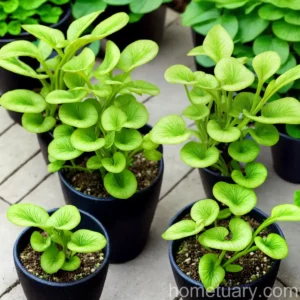
Comfrey, also referred to as Symphytum x uplandicum ‘Axminster Gold’, is a herbaceous perennial that hails from the family Boraginaceae. This robust and fast-growing plant is characterized by its striking foliage, adorned with vivid golden-yellow variegation. Its botanical name is derived from the Greek words “sympho,” meaning to unite, and “phyton,” denoting plant. This nomenclature alludes to the plant’s traditional use in promoting the healing of wounds and fractures.
The ‘Axminster Gold’ cultivar specifically stands out for its ornamental value, featuring attractive golden-green leaves that make it a visually appealing addition to gardens and landscapes.
Comfrey has a rich history, with references to its uses dating back centuries. Its traditional applications in herbal medicine and gardening have garnered widespread recognition, making it a cherished plant among herbalists, gardeners, and plant enthusiasts worldwide.
Key Takeaways – Comfrey (Symphytum x uplandicum ‘Axminster Gold’)
Before delving into the intricacies of cultivating and utilizing comfrey, let’s explore some key takeaways about this remarkable plant and its cultivar ‘Axminster Gold’:
- Common Name: Comfrey
- Scientific Name: Symphytum x uplandicum ‘Axminster Gold’
- Family: Boraginaceae
- Characteristics: Fast-growing, herbaceous perennial with striking variegated foliage
- Uses: Medicinal, herbal, and gardening purposes
- Cultivar Features: ‘Axminster Gold’ – Notable for its attractive golden-green leaves
- Historical Significance: Traditional use in promoting wound healing and bone fractures
- Popularity: Widely recognized and valued by herbalists, gardeners, and plant enthusiasts
Now, let us delve into various aspects of cultivating and utilizing the comfrey plant, including its culture, uses, propagation, common diseases, and pests.
Culture
Cultivating comfrey, specifically the Symphytum x uplandicum ‘Axminster Gold’ cultivar, involves understanding its specific requirements concerning water, sunlight, soil, and fertilization. Implementing appropriate cultural practices is essential for promoting its vigor, aesthetic appeal, and overall well-being.
Water
Comfrey is generally known for its resilience and ability to adapt to varying moisture conditions. However, maintaining consistent moisture levels in the soil is essential, particularly during the plant’s early stages of growth and establishment. Adequate water supply promotes robust foliage development and supports the plant’s overall vitality.
- Watering Frequency: Provide regular watering, especially during dry spells, to ensure the soil remains moderately moist. Avoid waterlogged conditions, as excessive moisture can lead to root rot.
- Established Plants: Once comfrey is well-established, it becomes more tolerant of occasional dry periods. However, consistent moisture is beneficial for optimal growth and performance.
Sunlight
Proper sunlight exposure plays a pivotal role in shaping the visual appeal and development of comfrey plants, including the ‘Axminster Gold’ cultivar. Understanding its sunlight requirements is crucial for optimizing its ornamental and medicinal potential.
- Sunlight Requirements: Plant comfrey in locations that receive partial to full sunlight. Adequate sunlight exposure is vital for fostering robust growth and promoting the distinctive variegation of ‘Axminster Gold’ leaves.
- Shade Tolerance: While comfrey thrives in well-lit areas, it also demonstrates some tolerance to partial shade. However, to fully showcase its ornamental attributes, providing sufficient sunlight is recommended.
Fertilizer
Employing appropriate fertilization practices contributes to the overall health and vigor of comfrey plants, supporting their lush foliage and vibrant visual appeal.
- Organic Fertilizers: Utilize organic fertilizers, such as well-rotted compost or aged manure, to provide essential nutrients to the soil. These natural amendments contribute to the fertility of the soil and support the plant’s nutritional requirements.
- Avoid Excessive Nitrogen: While comfrey benefits from adequate nutrient supplementation, excessive nitrogen levels can lead to excessive foliage growth at the expense of flower and root development. Balancing fertilizer application is crucial in promoting a harmonious growth pattern.
Soil
Understanding the soil preferences of comfrey, particularly the ‘Axminster Gold’ cultivar, is essential for creating an optimal growing environment and ensuring its long-term health and productivity.
- Well-Drained Soil: Plant comfrey in well-drained, loamy soil with good moisture retention capacity. Well-draining soil prevents water stagnation around the roots, reducing the risk of root diseases.
- pH Preference: Comfrey thrives in neutral to slightly alkaline soil conditions, with a pH range of 6.0 to 7.0 being ideal. Conduct soil tests to assess the pH levels and make necessary amendments to create a conducive growth environment.
- Mulching: Apply organic mulch around comfrey plants to conserve moisture, suppress weed growth, and improve soil structure. Mulching also contributes to the gradual enrichment of the soil as the organic matter decomposes.
Pruning
Pruning plays a crucial role in maintaining the vigor, shape, and ornamental appeal of comfrey plants, including the ‘Axminster Gold’ cultivar. Strategic pruning practices contribute to the plant’s aesthetic appeal while encouraging healthy growth and rejuvenation.
- Deadheading: Regularly remove spent flowers to stimulate continuous blooming and prevent self-seeding. Deadheading also channels the plant’s energy into robust vegetative growth, promoting a lush foliage display.
- Renovation Pruning: Periodically rejuvenate comfrey plants by cutting back the foliage to ground level. This practice allows for fresh growth and prevents the plant from becoming woody and less productive over time.
- Division: Divide mature comfrey plants every few years to rejuvenate their vigor and prevent overcrowding. Dividing the plant also offers an opportunity to propagate new specimens for expansion or sharing with fellow gardening enthusiasts.
Uses
Comfrey, particularly the ‘Axminster Gold’ cultivar, offers a myriad of uses, encompassing medicinal, herbal, and gardening applications. Its versatile nature and beneficial properties make it a cherished plant with a multitude of valuable uses.
Medicinal and Herbal Uses
Comfrey has a rich history of traditional medicinal use, with its renowned healing properties being harnessed for various therapeutic applications. While the usage of comfrey in internal preparations has raised concerns due to potential adverse effects, topical applications and external preparations have been valued for their healing potential.
- Healing Poultices and Salves: Comfrey leaves and roots are utilized in the preparation of healing poultices and salves, which are applied topically to promote the healing of bruises, wounds, sprains, and strains.
- Bone and Tissue Healing: Comfrey has been traditionally renowned for promoting the healing of bone fractures and accelerating tissue regeneration. External applications of comfrey-infused preparations are valued for their potential in supporting bone health and healing.
- Skin Health: Comfrey poultices and salves are cherished for their skin-nourishing properties, offering relief from skin irritations, minor burns, and abrasions. Comfrey is also lauded for its potential in addressing conditions such as eczema and dermatitis.
- Herbal Infusions: Comfrey leaves are used to prepare herbal infusions and teas, which are consumed to support respiratory health, digestive wellness, and overall vitality.
Gardening and Soil Improvement
Comfrey is esteemed for its role in gardening and soil enhancement, showcasing dynamic accumulator characteristics that contribute to soil fertility and plant nutrition.
- Natural Fertilizer: Comfrey, particularly its nutrient-rich leaves, can be utilized to produce organic fertilizers and compost additives. Comfrey fertilizer and compost serve as valuable soil amendments, enriching the soil with essential nutrients and trace elements.
- Mulching Material: The abundant foliage of comfrey can be harvested and used as a nutrient-rich mulch in garden beds and around perennial plants. Comfrey mulch contributes to soil moisture retention, weed suppression, and gradual nutrient release.
- Companion Planting: Comfrey is valued as a companion plant, offering beneficial attributes to neighboring crops and ornamental plants. Its deep-rooted nature enables it to mine nutrients from the soil, making these nutrients available to surrounding plants and enhancing overall garden productivity.
- Permaculture Integration: Comfrey is a favored plant in permaculture systems, where its dynamic accumulator qualities are harnessed to promote sustainable soil improvement and nutrient cycling. Its resilience and versatility align with the principles of permaculture design, making it a valuable addition to holistic gardening approaches.
Botanist’s Tips
Nurturing comfrey, specifically the ‘Axminster Gold’ cultivar, demands an understanding of its specific cultivation requirements and insightful tips for fostering its optimal growth and performance. Here are some botanist’s tips for successfully cultivating and utilizing comfrey in various applications:
- Propagation: Propagate comfrey through division, root cuttings, or seed sowing. The division of mature plants and the utilization of root cuttings offer effective methods for expanding comfrey plantings and sharing specimens with fellow gardening enthusiasts.
- Harvesting: Harvest comfrey foliage for medicinal and gardening applications when the plants are in their vigorous growth phase. Regularly harvesting the foliage promotes new growth while providing an ample supply for crafting herbal preparations and garden enhancements.
- Prudent Use: Exercise caution and prudence when employing comfrey for internal use, particularly in herbal infusions and internal medicinal preparations. Due to the presence of potentially toxic pyrrolizidine alkaloids, it is essential to seek guidance from qualified herbal practitioners before internal usage.
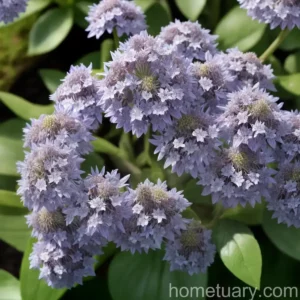
- Bee Attractant: Comfrey plants, with their flowering spikes adorned with pink to purple blooms, attract pollinators such as bees and butterflies. Embracing comfrey in garden settings can support pollinator populations and contribute to ecological diversity.
Fun Facts
Delving into the realm of comfrey unveils a trove of fascinating facts and intriguing facets of its history, uses, and botanical characteristics. Here are some delightful fun facts about comfrey and the ‘Axminster Gold’ cultivar:
- Historical Significance: Comfrey’s historical use in promoting wound healing and bone fractures dates back to ancient times, earning it the common name “knitbone.”
- Ornamental Value: The ‘Axminster Gold’ cultivar stands out for its stunning foliage, featuring golden-green leaves with striking variegation. Its ornamental appeal adds a touch of elegance to gardens and landscapes.
- Dynamic Accumulator: Comfrey’s deep taproot enables it to access nutrients from deeper soil layers, making it a valuable accumulator of essential minerals and trace elements. This quality contributes to its significance in soil improvement and organic gardening.
- Traditional Herbalism: Comfrey has been a staple in traditional herbal practices, boasting a reputation for its healing potential in addressing various ailments and promoting overall wellness.
Common Diseases
Comfrey, like many plants, is susceptible to certain diseases that can impact its health and vigor. Understanding the common diseases affecting comfrey plants is crucial for employing preventive measures and timely treatments to preserve their well-being.
Disease Diagnosis
Diagnosing diseases in comfrey involves recognizing and addressing symptoms indicative of specific infections or physiological disorders. From fungal diseases to viral infections, identifying the signs of comfrey ailments is essential for implementing appropriate management strategies.
- Powdery Mildew: This fungal disease presents as a powdery, white coating on the leaves, stems, and flowers of comfrey plants. It thrives in humid conditions and can lead to defoliation and reduced plant vigor.
- Rust: Rust diseases manifest as rusty-colored pustules on the foliage, resulting in unsightly blemishes and impaired photosynthetic capacity. Rust infections can weaken the plant and impact its overall health.
- Viral Infections: Various viral diseases can affect comfrey plants, leading to symptoms such as mottling, leaf distortion, and stunted growth. Viral infections pose challenges in management, often requiring preventive measures such as eliminating infected plants and implementing strict hygiene practices.
- Root Rots: Excessive moisture and poorly drained soil can predispose comfrey plants to root rot diseases, resulting in wilting, yellowing foliage, and root decay. Addressing soil drainage and avoiding waterlogged conditions helps mitigate the risk of root rots.
Disease Management and Prevention
Implementing effective disease management and prevention strategies is essential for safeguarding the health and vitality of comfrey plants, facilitating their optimal growth and longevity.
- Cultural Practices: Promote good air circulation and reduce humidity around comfrey plants by spacing them adequately and avoiding overhead watering. Mulching with organic materials also helps prevent soil splashing and reduce the risk of certain fungal diseases.
- Sanitation: Practice good garden hygiene by promptly removing and destroying infected plant material. Regularly clean and sterilize garden tools to minimize the spread of diseases.
- Resistant Varieties: When available, consider selecting disease-resistant comfrey varieties or cultivars that demonstrate heightened tolerance to common pathogens.
- Fungicidal Treatments: In cases of severe fungal diseases, consider applying appropriate fungicidal treatments following label instructions. Preventive applications of fungicides may be warranted in high-risk environments or during periods conducive to disease development.
Common Pests
While comfrey is generally resilient and less prone to pest infestations, certain insects can pose challenges to its health and vigor. Identifying common pests that affect comfrey plants is instrumental in deploying effective pest management strategies.
Pest Identification
Recognizing the signs of pest infestations and identifying specific culprits is essential for implementing targeted pest control measures and preserving the well-being of comfrey plants.
- Aphids: These small, sap-sucking insects can cluster on the undersides of comfrey leaves, causing distortion, yellowing, and stunted growth. Aphid infestations can also lead to the development of sooty mold on the foliage.
- Mites: Spider mites are microscopic pests that feed on comfrey foliage, causing stippling, discoloration, and reduced vigor. Their presence may be signaled by fine webbing on the undersides of leaves and along stems.
- Slugs and Snails: These mollusks are known for feeding on comfrey leaves, resulting in ragged, irregular damage. Their activity is often more pronounced during periods of high moisture and in shaded, sheltered areas.
- Caterpillars: Various caterpillar species may feed on comfrey foliage, leading to defoliation and damage. Identifying and addressing caterpillar pests is crucial for preserving the plant’s aesthetic appeal and overall health.
Pest Control and Management
Employing integrated pest management (IPM) strategies is pivotal in addressing pest challenges and minimizing the impact of infestations on comfrey plants. IPM encompasses a holistic approach that integrates preventive, cultural, and targeted control measures to manage pests effectively.
- Natural Predators: Encourage beneficial insects such as ladybugs, lacewings, and predatory mites in the garden to prey on aphids, mites, and other pest species. Providing habitat and nectar sources for beneficial insects enhances natural pest control.
- Physical Barriers: Implement physical barriers such as copper tape or diatomaceous earth to deter slugs and snails from feeding on comfrey plants. Creating barriers around vulnerable areas helps limit pest access and feeding damage.
- Handpicking: Periodically inspect comfrey plants for pest activity and handpick larger pests such as caterpillars and snails. This manual approach helps reduce pest populations and minimize damage.
- Horticultural Oils: Utilize horticultural oils to manage aphid and mite infestations, applying them according to label instructions. These oils suffocate and disrupt the pests, providing effective control while minimizing environmental impact.
Links to External Resources
For further exploration of comfrey, its uses, and cultivation practices, the following external resources offer valuable insights, guidance, and additional information:
- The American Botanical Council
- Royal Horticultural Society – Gardening Advice
- NC State Extension – Comfrey for Garden and Orchard Management
As with any plant, comfrey cultivars, including ‘Axminster Gold,’ hold remarkable potential and offer a wealth of opportunities for herbal, medicinal, and gardening applications. By embracing the cultural, medicinal, and horticultural aspects of comfrey, plant enthusiasts can fully appreciate its intrinsic value and contribute to its continued legacy in diverse landscapes and gardens.
In conclusion, comfrey, specifically the ‘Axminster Gold’ cultivar, embodies a fusion of ornamental grace and functional practicality, making it an exceptional addition to gardens, herbal apothecaries, and permaculture systems. Its rich history, versatile uses, and dynamic attributes position comfrey as a plant of enduring significance, weaving its presence into the tapestry of traditional herbalism, contemporary gardening practices, and ecological resilience.
As I conclude this exploration of the remarkable comfrey plant and the ‘Axminster Gold’ cultivar, I trust that the insights shared have kindled a deeper appreciation for the intrinsic beauty and manifold uses of this exceptional botanical treasure.
By gaining a comprehensive understanding of comfrey’s culture, uses, propagation, common diseases, and pests, we can enhance our appreciation for this exceptional plant. Through informed cultivation practices, we can capitalize on its benefits in both medicinal and horticultural applications. The remarkable versatility of comfrey as a natural fertilizer, dynamic accumulator, and herbal remedy continues to captivate enthusiasts and practitioners alike, affirming its enduring significance in diverse realms of plant science and holistic well-being.