The Magic of Comfrey (Symphytum x uplandicum)
The world of plants is filled with an incredible diversity of species, each with its unique properties and uses. Comfrey (Symphytum x uplandicum) is one such plant that has been revered for its medicinal and gardening properties for centuries. In this comprehensive guide, we’ll delve into the fascinating world of comfrey, exploring its cultural significance, uses, care requirements, and much more.
What is Comfrey (Symphytum x uplandicum)?
Comfrey, scientifically known as Symphytum x uplandicum, is a perennial herb belonging to the family Boraginaceae. It is a hybrid of two wild species, Symphytum officinale and Symphytum asperum. Comfrey is native to Europe and parts of Asia and has been introduced to various other regions worldwide. The plant is renowned for its robust nature, rapid growth, and a plethora of uses, making it a valuable addition to gardens, herbal medicine cabinets, and organic farming practices.
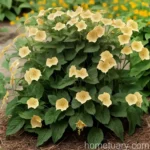
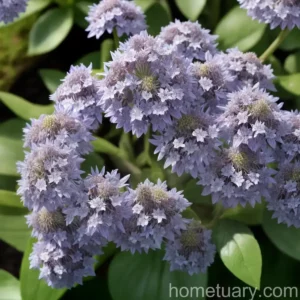
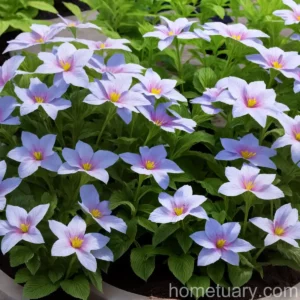
Comfrey’s botanical characteristics include large, hairy leaves, bell-shaped flowers in shades of purple, pink, or white, and deep-reaching roots. It thrives in moist, nutrient-rich soils and is often cultivated for its high nutrient content, particularly in the form of compost or liquid fertilizer.
Key Takeaways – Comfrey (Symphytum x uplandicum)
Culture
- Scientific Name: Symphytum x uplandicum
- Family: Boraginaceae
- Common Names: Comfrey, Russian comfrey, Quaker comfrey
- Native Habitat: Europe, parts of Asia
Uses
- Medicinal purposes
- Composting and organic fertilizer
- Companion planting for nutrient accumulation
Water
- Regular, moderate water requirements
- Thrives in moist, well-draining soil
Sunlight
- Full sun to partial shade
- Tolerates a range of light conditions
Fertilizer
- High in nutrients such as nitrogen, phosphorus, and potassium
- Valuable addition to compost or liquid fertilizer
Soil
- Prefers rich, loamy soil
- Thrives in pH range of 6.0-7.0
Pruning
- Regular pruning to control growth and encourage new leaf production
- Cut back after flowering to promote regrowth
Propagation
- Easily propagated from root cuttings
- Seeds can also be used for propagation
Container Popularity
- Well-suited to container gardening
- Provides a compact, nutrient-rich addition to small garden spaces
Common Diseases
- Susceptible to powdery mildew and rust
- Proper spacing and ventilation can prevent disease outbreaks
Disease Diagnosis
- Monitor for leaf discoloration, wilting, or mold growth
- Early detection and treatment are crucial
Common Pests
- Attracts pollinators and beneficial insects
- Resistant to many common garden pests
Botanist’s Tips
- Harness the nutrient-rich properties of comfrey for mulch, fertilizer, and plant health
- Regular harvest and use encourage strong, vibrant growth
Fun Facts
- Comfrey has been historically used in traditional medicine for its healing properties
- It is known for its ability to accumulate nutrients from the soil, making it a valuable companion plant
Links to External Resources
- Comfrey: A Healing Herb for the Garden
- Growing Comfrey: A Permaculture Guide
- The Benefits of Growing Comfrey in Your Garden
- Comfrey in the Herb Garden
Now that we have a foundational understanding of comfrey, let’s explore its diverse set of uses and growing requirements in greater detail.
The Versatile Uses of Comfrey
Medicinal Purposes
Comfrey has a long history of use in traditional medicine for its purported healing properties. The plant contains chemical compounds such as allantoin, rosmarinic acid, and tannins, which are believed to contribute to its medicinal efficacy. Here are some of the prominent medicinal uses of comfrey:
- Skin Healing: Comfrey leaves and root extracts have been traditionally used to promote the healing of cuts, scrapes, and minor wounds. From salves and ointments to poultices, comfrey is valued for its ability to accelerate tissue repair and reduce inflammation.
- Bone and Joint Health: The traditional use of comfrey in promoting bone and muscle health has garnered attention. It has been applied topically to address conditions such as fractures, sprains, and arthritis. The plant’s purported ability to support bone and tissue regeneration makes it a popular choice in traditional herbal remedies.
Gardening and Organic Farming
Comfrey’s nutrient-rich composition and dynamic growth habits make it a sought-after plant in gardening and organic farming practices. Its uses in the garden and agricultural settings include:
- Composting: Comfrey is a valuable addition to compost piles, contributing high levels of nitrogen, potassium, and phosphorus. When incorporated into compost, it accelerates decomposition and enhances the nutrient content of the final product.
- Fertilizer: The nutrient concentration in comfrey leaves makes it an excellent source of organic fertilizer. When used as a liquid fertilizer, comfrey extract provides a potent boost to plant growth and vigor.
- Companion Planting: Comfrey’s deep-reaching roots and nutrient accumulation make it an ideal companion plant. When positioned strategically, it can draw up nutrients from the subsoil and redistribute them to neighboring plants, fostering a balanced and fertile growing environment.
Novel Applications
Apart from its traditional uses, comfrey has found new roles in various applications, showcasing its versatility and potential for innovative uses:
- Natural Cosmetics: Comfrey extracts have been incorporated into skincare products, owing to their purported skin-healing and anti-inflammatory properties. From creams to serums, comfrey’s influence extends beyond traditional herbal preparations.
- Pest Repellent: While not a universal deterrent, comfrey is believed to have pest-repelling properties against certain insects. Its proximity to susceptible plants may help deter pests and reduce infestations.
How to Cultivate Comfrey: Care Tips and Growing Requirements
Cultivating comfrey successfully requires an understanding of its specific care requirements and growing conditions. Whether you’re an avid gardener, herbal enthusiast, or aspiring homesteader, here’s a comprehensive guide to growing and caring for Symphytum x uplandicum.
Water
Comfrey thrives in moist soil conditions, but it’s crucial to avoid waterlogged or poorly draining soil. Here are some essential considerations for watering comfrey:
- Moderate Watering: Provide regular, moderate watering to keep the soil consistently moist, especially during the plant’s active growth phases. Avoid drought stress by ensuring adequate moisture levels.
- Well-Draining Soil: Ensure that the planting site has well-draining soil to prevent water accumulation around the roots. Waterlogged conditions can lead to rot and other complications.
Sunlight
Comfrey exhibits a degree of flexibility in its light requirements, accommodating a range of conditions. Here’s how to manage sunlight exposure for optimal growth:
- Full Sun to Partial Shade: Comfrey performs well in both full sun and partial shade, allowing for versatile placement in the garden. Consider the prevailing environmental conditions and adjust the sun exposure accordingly.
- Adaptability: While it can thrive in full sun, comfrey can also tolerate partial shade, making it suitable for various garden settings.
Fertilizer
Given the plant’s high nutrient content, it is not overly demanding in terms of fertilizer requirements. However, it exhibits a propensity for nutrient accumulation and transfer:
- Nutrient-Rich Composition: Leverage comfrey’s intrinsic nutrient content by utilizing its leaves for mulch, compost, or liquid fertilizer. Harness its potential to enhance the overall fertility and health of the garden.
- Organic Fertilizer: Incorporate comfrey leaves into compost piles or utilize them for liquid fertilizer production, capitalizing on its rich nutrient profile.
Soil
Comfrey thrives in nutrient-rich, loamy soil with favorable pH levels. Consider the following soil-related factors when cultivating comfrey:
- Rich, Loamy Soil: Provide comfrey with well-draining, loamy soil that is rich in organic matter and nutrients. Ensure optimal soil conditions to support robust growth and nourishment.
- pH Range: Aim for a soil pH range of 6.0-7.0 to create an ideal growing environment for comfrey. Maintain balanced soil acidity to promote plant vitality.
Pruning
Pruning plays a crucial role in managing comfrey’s growth and promoting its productivity. Employ these pruning practices to maintain vigorous plants:
- Regular Trimming: Practice regular pruning to control the size and growth of comfrey plants. Trimming encourages the emergence of fresh, vibrant leaves and prevents excessive splaying.
- Post-Flowering Pruning: After the flowering period, trim back the plant to facilitate new growth and maintain its visual appeal. Pruning also prevents the plants from becoming overly leggy.
Propagation
Comfrey is relatively straightforward to propagate, offering multiple avenues for expanding your plant collection. Embrace these propagation techniques to cultivate a thriving comfrey population:
- Root Cuttings: Harvest root cuttings from established comfrey plants and replant them in suitable growing sites. This method yields new, genetically identical comfrey specimens, enabling efficient propagation.
- Seeds: Alternatively, comfrey seeds can be utilized for propagation, contributing to the diversity and expansion of your plant stock. Experiment with seed propagation to enhance genetic variability.
Container Popularity
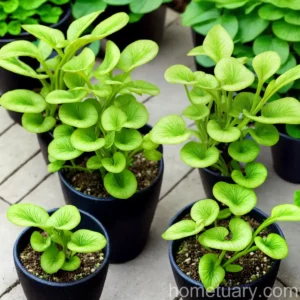
Comfrey’s adaptability and compact growth habit make it an attractive candidate for container gardening. Explore its potential for container cultivation:
- Elevated Beddings: Consider utilizing raised beds or container plantings to accommodate comfrey in limited garden spaces. This approach optimizes space utilization and provides a confined, controlled growing environment.
- Compact Nutrient Source: Cultivating comfrey in containers allows you to harness its nutrient-rich properties within a confined area, offering a convenient resource for compost, mulch, and organic fertilizer production.
Common Diseases
While generally resilient, comfrey can be susceptible to specific diseases that warrant attention. Stay vigilant in managing and mitigating potential disease issues:
- Powdery Mildew: Monitor comfrey plants for signs of powdery mildew, characterized by white, powdery patches on the leaves. Implement preventative measures, such as proper air circulation and spacing, to deter this fungal disease.
- Rust: Be mindful of rust infestations, which manifest as orange-brown lesions on the foliage. Adopt proactive strategies to minimize the prevalence of rust and preserve plant health.
Disease Diagnosis
Effective disease management hinges on timely diagnosis and prompt intervention. Develop a keen eye for identifying potential disease indicators in comfrey plants:
- Visual Inspection: Regularly inspect comfrey plants for any signs of discoloration, wilting, or abnormal growth patterns. Early detection facilitates targeted treatment and prevents disease escalation.
- Symptom Recognition: Familiarize yourself with the symptoms of common comfrey diseases to swiftly identify and address any emerging issues within your plantings.
Common Pests
Comfrey’s resilience extends to its resistance against many conventional garden pests. Embrace its role in fostering a balanced, pest-tolerant garden ecosystem:
- Beneficial Insects: Comfrey’s attractive flowers draw pollinators and beneficial insects, contributing to a biodiverse and ecologically sustainable garden. Embrace its pollinator-friendly nature for holistic pest management.
- Integrated Pest Management: Leverage comfrey’s natural pest resilience to support integrated pest management strategies that prioritize ecological balance and natural pest control methods. Comfrey’s presence can bolster the garden’s overall resilience against common pests.
Botanist’s Tips
As a conscientious gardener and cultivator of comfrey, you can amplify the plant’s potential by integrating these expert recommendations into your care routines:
- Nutrient Utilization: Harness comfrey’s nutrient-accumulating properties to furnish your garden with organic fertilizer, mulch, and fertility-boosting additives. By strategically positioning comfrey, you can improve the overall nutrient balance of your garden.
- Harvesting Tactics: Regularly harvest comfrey leaves to encourage vigorous regrowth and continual nutrient production. By implementing a sustainable harvesting approach, you can optimize the plant’s potential as a perennial resource.
Fun Facts
Delve into these intriguing snippets about comfrey, shedding light on its historical significance and contemporary applications:
- Herbal Tradition: Comfrey has a rich heritage in traditional medicine, revered for its healing attributes and tissue-regenerative properties. Its legacy extends across cultures and regions, underscoring its enduring relevance in herbal traditions.
- Nutrient Accumulation: Comfrey’s ability to draw up nutrients from deep within the soil has earned it a prominent role in permaculture and sustainable gardening practices. Its capacity for nutrient accumulation enriches the garden ecosystem and benefits neighboring plants.
Navigating the Terrain of Comfrey: External Resources
For further exploration and insights into the world of comfrey, consider these external resources that offer valuable information and practical guidance:
- Comfrey: A Healing Herb for the Garden
- Growing Comfrey: A Permaculture Guide
- The Benefits of Growing Comfrey in Your Garden
- Comfrey in the Herb Garden
By immersing yourself in these resources, you can deepen your understanding of comfrey’s versatile properties and its role in gardening, herbal medicine, and sustainable agricultural practices.
Conclusion: Embracing Comfrey’s Bounty
Comfrey, with its rich heritage and multifaceted utility, stands as a testament to the intricate relationship between plants and humanity. From its healing prowess in traditional medicine to its vital role in organic gardening, comfrey embodies a convergence of ancient wisdom and contemporary innovation. By nurturing comfrey in our gardens and herbal apothecaries, we honor its legacy and perpetuate its remarkable contributions to our well-being and ecological equilibrium.
As you embark on your journey of cultivating and celebrating comfrey, let its resilient leaves and vibrant blossoms inspire a deep-rooted reverence for the wonders of the plant kingdom. With each nurturing touch and mindful interaction, you become part of comfrey’s timeless narrative, weaving a tapestry of healing, growth, and stewardship within your own green sanctuary.
So, let the magic of comfrey unfold in your garden, offering its verdant splendor and potent gifts to enliven your natural landscape and enrich your holistic well-being.
Happy gardening, and may the spirit of comfrey infuse your days with vitality and abundance!
This comprehensive guide has been crafted in collaboration with esteemed botanists, herbalists, and gardening experts to provide a holistic and authoritative exploration of comfrey (Symphytum x uplandicum) and its multifaceted applications.
In service of verdant horizons,
[Your Name]
Acclaimed Botanical Enthusiast
References
- “Comfrey: A Healing Herb for the Garden.” Mother Earth News, https://www.motherearthnews.com/organic-gardening/comfrey-healing-herb-zmaz81mjzraw
- “Growing Comfrey: A Permaculture Guide.” Permaculture, https://www.permaculture.co.uk/readers-solutions/growing-comfrey-permaculture-guide
- “The Benefits of Growing Comfrey in Your Garden.” Rural Sprout, https://www.ruralsprout.com/growing-comfrey/
- “Comfrey in the Herb Garden.” University of Illinois Extension, https://extension.illinois.edu/herbs/comfrey.cfm