The Wonders of Comfrey (Symphytum officinale)
Comfrey, with its scientific name Symphytum officinale, is a herbaceous perennial plant that has been celebrated for centuries for its various uses, including medicinal, agricultural, and cosmetic purposes. From its healing properties to its role in permaculture, comfrey is a fascinating and versatile plant. In this comprehensive guide, we will delve into the world of comfrey, exploring its cultivation, uses, benefits, and much more.
What is Comfrey (Symphytum officinale)?
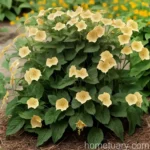
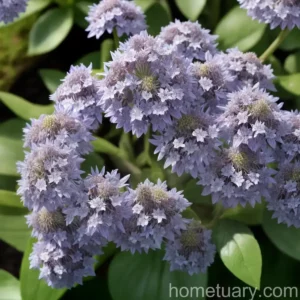
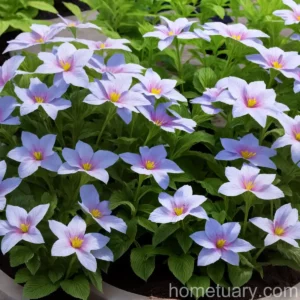
Comfrey, or Symphytum officinale, is a member of the Boraginaceae family and is native to Europe and Asia. It is a robust perennial herb that can grow up to 1.2 meters in height. The plant features broad, hairy leaves and clusters of bell-shaped flowers that can range in color from white to pink or purple. Comfrey is known for its deep-reaching taproots, which enable it to accumulate nutrients from the soil, making it a valuable addition to gardens and agricultural settings.
Key Takeaways – Comfrey (Symphytum officinale)
Before we delve deeper into the world of comfrey, here are some key takeaways about this remarkable plant:
- Scientific Name: Symphytum officinale
- Family: Boraginaceae
- Native Range: Europe and Asia
- Growth Habit: Herbaceous perennial
- Uses: Medicinal, agricultural, and cosmetic
- Notable Features: Hairy leaves, bell-shaped flowers, deep taproots
Now, let’s embark on a journey to unravel the myriad uses, cultivation techniques, and benefits of comfrey.
Cultivation of Comfrey
Water
Comfrey is known for its resilience and ability to thrive in various soil and moisture conditions. While it can tolerate dry spells, ensuring adequate moisture is beneficial, particularly during its active growth periods. When cultivating comfrey, it is essential to provide consistent watering, especially in well-draining soils. However, it is important to avoid waterlogged conditions as they can lead to root rot and other potential issues.
Sunlight
Comfrey thrives in full sun to partial shade. When selecting a site for planting, aim to provide the plant with at least six hours of sunlight per day. Although comfrey can tolerate shade, it may lead to reduced flower production and overall growth.
Fertilizer
Due to its deep-rooting nature, comfrey is adept at extracting nutrients from the soil. However, providing additional organic matter, such as compost, can further enrich the soil and support robust growth. Before planting comfrey, amending the soil with well-rotted compost or manure can enhance its vigor and nutrient content.
Pruning
Pruning comfrey can help manage its growth and productivity. The plant can be cut back to ground level after it has finished flowering to encourage new growth and prevent self-seeding. Additionally, regular pruning can promote bushier, healthier plants, particularly in garden settings.
Propagation
Comfrey can be propagated from root cuttings or divisions. When dividing comfrey, ensure that each division contains a portion of the root system and several growing points. Root cuttings can be taken in early spring or fall and should be planted at a depth of 5-8 cm. Both methods are effective for propagating comfrey and can yield new plants with relative ease.
Container Popularity
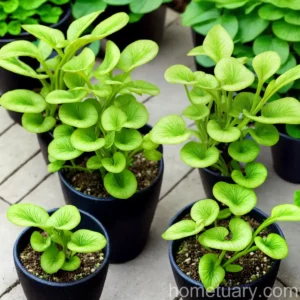
Comfrey’s robust growth habit and deep roots make it an ideal candidate for container gardening. Its resilience and nutrient-absorbing capabilities make it well-suited for potted environments, where it can thrive while benefiting from regular harvesting and maintenance.
Common Diseases
While comfrey is generally resilient to pests and diseases, it can occasionally be susceptible to issues such as powdery mildew and crown rot. Ensuring proper air circulation, avoiding overhead watering, and maintaining healthy soil conditions can help mitigate the risk of these ailments.
Disease Diagnosis
Diagnosing comfrey diseases involves careful observation of the plant’s foliage, stems, and overall growth. Symptoms such as white powdery spots on leaves or wilting can indicate specific diseases. Prompt identification and appropriate remedial actions, such as adjusting watering practices or implementing organic fungicidal treatments, can help manage and prevent the spread of diseases.
Common Pests
Comfrey is relatively resistant to pests, thanks to its robust growth and natural deterrents. However, it may attract aphids, caterpillars, or slugs in certain conditions. Implementing natural pest control methods, such as introducing beneficial insects or using organic repellents, can help manage pest populations without compromising the plant’s natural balance.
Botanist’s Tips
- When harvesting comfrey for medicinal or garden use, it is best to select young, vibrant leaves for their optimal nutrient content.
- Comfrey can be used as a nutrient-rich mulch around other plants, providing valuable organic matter and benefiting the surrounding soil and plant life.
- Regularly monitoring comfrey for signs of nutrient deficiencies or infestations can help maintain its health and productivity.
Fun Facts
- Comfrey has been historically nicknamed “knitbone” due to its traditional use in aiding bone and wound healing.
- The plant’s rich nutrient content has made it a popular addition to compost heaps, contributing to the decomposition process.
Links to External Resources
For further information on comfrey’s uses, cultivation, and medicinal properties, refer to the following resources:
1. National Center for Complementary and Integrative Health – Comfrey
2. Royal Horticultural Society – Comfrey as an Herbal Remedy
3. Permaculture Research Institute – Comfrey in Permaculture
4. The Herb Society – Growing Comfrey
5. North Carolina State University – Comfrey Production Guide
In conclusion, comfrey, with its diverse applications and resilience, stands as a remarkable plant that continues to captivate gardeners, herbalists, and agricultural enthusiasts alike. Whether used for its medicinal properties, soil-enhancing abilities, or ornamental value, comfrey remains a cherished component of diverse landscapes and ecosystems.
Now that we’ve explored the many facets of comfrey, from its cultivation to its health benefits, we hope you feel inspired to explore the wonders of this versatile herb and discover its manifold uses in your own garden, home, or community.