Plant Scientist’s Guide to Symphytum caucasicum (Caucasian Comfrey)
Plants are an essential part of our ecosystem and are crucial for sustaining life on earth. They provide food, shelter, oxygen, and have medicinal properties that have been harnessed by humans for centuries. In this comprehensive guide, we will delve into the world of Symphytum caucasicum also known as Caucasian Comfrey. From its cultural significance to its ecological importance, this guide will cover everything a plant enthusiast or gardener needs to know about this fascinating plant.
What is Symphytum caucasicum (Caucasian Comfrey)?
Symphytum caucasicum, commonly referred to as Caucasian Comfrey, is a herbaceous perennial plant belonging to the Boraginaceae family. Native to the Caucasus region, this plant has gained popularity not only for its ornamental value but also for its various traditional and medicinal uses.
Key Takeaways – Symphytum caucasicum (Caucasian Comfrey)
Before we jump into the details of care, cultivation, and uses of Symphytum caucasicum, let’s take a quick look at the key takeaways of this plant.
- Common Name: Caucasian Comfrey
- Family: Boraginaceae
- Native to: Caucasus region
- Type: Herbaceous perennial
- Uses: Medicinal, ornamental
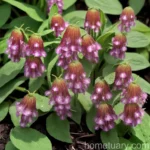
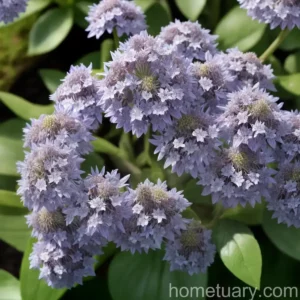
- Characteristics: Clump-forming, hairy leaves, bell-shaped flowers
- Cultural Significance: Folklore beliefs, traditional uses
- Growth Requirements: Moderate water, full to partial sunlight, well-draining soil
- Propagation: Seeds, root division
- Common Diseases: Rust, powdery mildew
- Common Pests: Aphids, spider mites
- Ecological Importance: Wildlife habitat, biodiversity
- Popularity: Growing interest in sustainable gardening and traditional herbal remedies
Now that we have a brief understanding of Symphytum caucasicum, let’s explore its culture, uses, and how to care for this plant in greater detail.
Culture
Understanding the cultural requirements of a plant is essential for its successful growth. Let’s delve into the cultural aspects of Symphytum caucasicum.
Water
Caucasian Comfrey thrives best in moderately moist soil. While it is drought-tolerant once established, consistent watering is crucial, especially during dry spells and in hot climates. Over-watering should be avoided, as it can lead to root rot.
Sunlight
For optimal growth and flowering, Symphytum caucasicum requires full to partial sunlight. In regions with intense heat, providing partial shade during the hottest part of the day can benefit the plant.
Fertilizer
This plant typically does not require heavy feeding. However, to encourage robust growth and flowering, a balanced fertilizer can be applied during the growing season. A slow-release organic fertilizer or a diluted liquid feed applied every 4-6 weeks can provide the necessary nutrients.
Soil
Symphytum caucasicum thrives in rich, well-draining soil. A loamy soil with ample organic matter is ideal for its growth. It is important to ensure that the soil is not waterlogged, as this can lead to root rot and other issues.
Pruning
Pruning is an essential part of caring for Symphytum caucasicum. Regular deadheading of spent flowers can extend the blooming period and promote new growth. Additionally, cutting back the plant in late fall can help prevent winter damage and encourage healthy regrowth in the following season.
Propagation
Symphytum caucasicum can be propagated through seeds or root division. When propagating through root division, it is best to do so in early spring or fall. The root clumps can be carefully divided, ensuring that each division has sufficient roots and shoots to support its growth.
Container Popularity
The use of containers for growing Symphytum caucasicum has gained popularity, especially among urban gardeners and those with limited outdoor space. The compact nature of this plant makes it well-suited for container gardening.
Container Common Diseases
When grown in containers, Symphytum caucasicum may be susceptible to certain diseases such as root rot and powdery mildew. Adequate drainage and proper air circulation around the plant can help minimize the risk of these diseases.
Disease Diagnosis
Diagnosing diseases in Symphytum caucasicum often involves inspecting the leaves, stems, and overall plant appearance for signs of discoloration, wilting, or unusual growth. In some cases, sending a sample to a plant pathology laboratory may be necessary for a definitive diagnosis.
Common Pests
Aphids and spider mites are among the common pests that can affect Symphytum caucasicum. Regularly inspecting the plant for signs of pest infestation and taking appropriate measures such as spraying with insecticidal soap can help keep these pests at bay.
Botanist’s Tips
For those looking to cultivate Symphytum caucasicum, here are some botanist-approved tips to ensure its success:
- Plant Symphytum caucasicum in a location with well-draining soil and adequate sunlight.
- Water the plant consistently, especially during dry spells, while avoiding over-watering.
- Prune the plant regularly to remove spent flowers and maintain its shape.
- Keep an eye out for common pests and diseases, and address them promptly for the plant’s health.
Fun Facts
No journey into the world of plants is complete without a few fun facts. Here are some intriguing tidbits about Symphytum caucasicum:
- The genus name “Symphytum” is derived from the Greek word “symphyo,” meaning “to unite,” alluding to the plant’s historical use in healing wounds and fractures.
- Caucasian Comfrey has been utilized in traditional medicine for its purported healing properties, earning it the reputation of a natural remedy for various ailments.
Now that we have a solid understanding of the culture, uses, and care of Symphytum caucasicum, let’s explore its uses in gardening and its role in ecological sustainability.
Symphytum caucasicum Uses in Gardening
Herbal Remedies
Symphytum caucasicum has been utilized in herbal medicine for centuries. The plant’s roots and leaves are believed to possess healing properties, leading to its use in various traditional remedies for conditions such as skin irritations, bruises, and bone fractures.
Folklore Beliefs
In folklore, Symphytum caucasicum has been associated with beliefs and superstitions, with some cultures attributing mystical powers to the plant. Its presence in herbal folklore underscores its historical significance in traditional medicine and cultural practices.
Traditional Uses
The traditional uses of Symphytum caucasicum extend beyond medicinal applications. The plant has also been utilized in organic gardening practices, such as being incorporated into compost or used as a natural fertilizer due to its nutrient-rich properties.
Therapeutic Uses
The therapeutic properties of Symphytum caucasicum have been recognized in various cultures, where preparations derived from the plant have been used to address ailments related to the skin, bones, and inflammation.
Symphytum caucasicum Cultivation
Cultivating Symphytum caucasicum is not only a rewarding endeavor for gardeners but also contributes to the preservation of traditional plant knowledge and practices. Its cultivation allows for the continuation of its historical uses and ensures its place in the modern herbal and medicinal landscape.
Growing Tips
- When growing Symphytum caucasicum from seeds, it is advisable to start them indoors and then transplant the seedlings outside after the last frost date.
- Incorporating well-rotted organic matter into the soil before planting can provide the plant with the necessary nutrients for healthy growth.
- Mulching around the plant can help conserve moisture and suppress weed growth, creating an optimal environment for Symphytum caucasicum.
Care
- Regular watering, adequate sunlight, and occasional feeding with a balanced fertilizer are essential components of caring for Symphytum caucasicum.
- Monitoring the plant for pests and diseases and addressing any issues promptly can help maintain its health and vigor.
Symphytum caucasicum in Sustainable Gardening
The resurgence of interest in traditional herbal remedies and sustainable gardening practices has brought plants like Symphytum caucasicum into the spotlight. Its potential as a natural remedy and its ecological significance make it a valuable addition to sustainable gardening efforts.
Ecological Importance
Symphytum caucasicum contributes to biodiversity and ecological sustainability by providing habitat and nectar for pollinators. Its role in supporting local wildlife and promoting biodiversity underscores its significance in ecological conservation.
Ethnobotanical Significance
The ethnobotanical significance of Symphytum caucasicum lies in its historical uses and cultural importance. By cultivating and preserving this plant, gardeners and conservationists contribute to the preservation of traditional knowledge and practices associated with the plant.
Wildlife Habitat
The flowers of Symphytum caucasicum attract pollinators such as bees and butterflies, enhancing its role in supporting local wildlife. By providing nectar sources, the plant contributes to the overall health of pollinator populations.
Symphytum caucasicum: Growing Conditions and Characteristics
Understanding the specific growing conditions and characteristics of Symphytum caucasicum is essential for successful cultivation. Let’s delve into the details of its preferred growing environment and distinct features.
Growing Conditions
Symphytum caucasicum thrives in soil with good drainage and a slightly acidic to neutral pH. It prefers moderate moisture and should be watered when the soil becomes dry. The plant also benefits from a location with full to partial sunlight, depending on the climate.
Soil Requirements
Well-draining, loamy soil enriched with organic matter is ideal for Symphytum caucasicum. Amending the soil with compost or well-rotted manure can provide the plant with essential nutrients for healthy growth.
Sun Exposure
Full to partial sunlight is preferred for Symphytum caucasicum. In regions with intense heat, providing partial shade during the hottest part of the day can help prevent stress on the plant and maintain its vigor.
Water Needs
Moderate watering is crucial for the health and growth of Symphytum caucasicum. While the plant is drought-tolerant once established, consistent moisture is beneficial, especially during dry spells.
Symphytum caucasicum: Pest Control and Diseases
Like all plants, Symphytum caucasicum is susceptible to certain pests and diseases. Understanding how to manage and prevent these issues is essential for maintaining the plant’s health.
Common Pests
Aphids and spider mites are among the common pests that can affect Symphytum caucasicum. Regularly inspecting the plant for signs of pest infestation and taking appropriate measures such as spraying with insecticidal soap can help keep these pests at bay.
Diseases
Diseases such as rust and powdery mildew can affect Symphytum caucasicum under certain conditions. Providing adequate air circulation, avoiding overhead watering, and maintaining overall plant health can help minimize the risk of these diseases.
Pest and Disease Diagnosis
Diagnosing pests and diseases in Symphytum caucasicum involves careful observation of the plant for signs of infestation or infection. In some cases, consulting with a plant health specialist can aid in accurate diagnosis and treatment recommendations.
Symphytum caucasicum: Propagation Methods
Propagating Symphytum caucasicum allows for the expansion of its presence in gardens and landscapes. Let’s explore the methods of propagating this plant to create new individuals.
Seeds
Symphytum caucasicum can be propagated from seeds, which should be sown in well-prepared soil in either early spring or fall. The seeds can be lightly covered with a thin layer of soil and kept consistently moist until they germinate.
Root Division
Root division is another effective method of propagating Symphytum caucasicum. This process involves carefully dividing the root clumps and ensuring that each division has sufficient roots and shoots to support its growth.
Symphytum caucasicum: Pruning Techniques
Pruning plays a vital role in maintaining the health and appearance of Symphytum caucasicum. Let’s explore the techniques and best practices for pruning this plant.
Deadheading
Regular deadheading of spent flowers is beneficial for Symphytum caucasicum. This practice not only extends the blooming period but also encourages the production of new flower buds, resulting in a longer display of blooms.
Winter Pruning
In late fall, pruning Symphytum caucasicum can help prepare the plant for the winter months. Trimming back the plant and removing any damaged or dead growth can aid in preventing disease and promoting healthy regrowth in the following season.
Symphytum caucasicum: Companion Plants and Garden Design
Incorporating Symphytum caucasicum into garden designs and considering its compatibility with other plants is essential for creating aesthetically pleasing and harmonious landscapes.
Companion Plants
Symphytum caucasicum can be paired with a variety of plants to create visually appealing combinations and provide mutual benefits. Plants such as astilbe, hosta, and heuchera can complement the foliage and flowers of Symphytum caucasicum.
Garden Design
Including Symphytum caucasicum in garden designs can add texture, color, and a touch of wild beauty to the landscape. Whether incorporated into mixed perennial borders, cottage gardens, or naturalistic plantings, this versatile plant can contribute to diverse garden styles.
Symphytum caucasicum in Pots
The use of containers for growing Symphytum caucasicum offers versatility and allows for its inclusion in various settings, from small urban balconies to expansive patios and outdoor living spaces.
Container Gardening
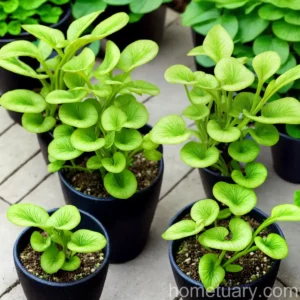
When growing Symphytum caucasicum in pots, it is essential to choose containers with adequate drainage holes and sizeable enough to accommodate the plant’s root system. Selecting a well-draining potting mix and providing regular care can support the plant’s growth in containers.
Garden Benefits
Including Symphytum caucasicum in container gardens allows for the enjoyment of its ornamental qualities and potential therapeutic benefits in a compact and manageable setting. The plant’s foliage and flowers can contribute to the overall aesthetic appeal of container plantings.
Symphytum caucasicum: Ecological Importance
The ecological significance of Symphytum caucasicum stems from its role in supporting wildlife, enhancing biodiversity, and contributing to sustainable gardening practices.
Ethnobotanical Significance
The ethnobotanical significance of Symphytum caucasicum lies in its historical uses and cultural importance. By cultivating and preserving this plant, gardeners and conservationists contribute to the preservation of traditional knowledge and practices associated with the plant.
Pollinators
The flowers of Symphytum caucasicum attract a variety of pollinators, including bees and butterflies, contributing to the overall health and diversity of pollinator populations in the area.
Wildlife Habitat
Symphytum caucasicum provides habitat and food sources for local wildlife, supporting the ecosystem and contributing to the overall biodiversity of the area where it is cultivated.
Biodiversity
By incorporating Symphytum caucasicum into garden landscapes, gardeners can contribute to the conservation of plant diversity and promote the ecological integrity of their local environments.
Conclusion
Symphytum caucasicum or Caucasian Comfrey is a plant of immense cultural, ecological, and practical significance. Its traditional uses, ornamental value, and contributions to sustainable gardening make it a plant of interest for gardeners, conservationists, and herbal enthusiasts alike. Understanding its cultural requirements, uses, and care practices is essential for cultivating and appreciating the unique qualities of this remarkable plant.
As we continue to explore the world of plants and their significance in our lives, the preservation and promotion of plants like Symphytum caucasicum play an essential role in maintaining the vitality of our natural environments and the traditions associated with these plants.
Symphytum caucasicum serves as a reminder of the deep connection between plants and human culture, and its presence in gardens underscores the enduring relevance of traditional plant knowledge in modern times.
Dive deeper into the world of Symphytum caucasicum and discover the richness of its heritage and the beauty of its presence in garden landscapes and ecological settings.
References
-
Ghorbanpour, M., Hatami, M., & Hatami, M. (2016). Biological and physiological aspects of comfrey (Symphytum): a review. Advances in Horticultural Science, 30(3-4), 95-111. https://www.jstor.org/stable/24921219
-
Sarfaraz, S., Azra, Y., & Aziz, A. (2017). Ethnobotanical, Phytochemical and Pharmacological Properties of Symphytum. Journal of Pharmaceutical Sciences and Research, 9(3), 194-198. https://www.jpsr.pharmainfo.in/Documents/Volumes/vol9Issue03/jpsr09031707.pdf
-
Levy, M. (2014). Comfrey: A Clinical Overview. Alternative and Complementary Therapies, 20(2), 99-103. https://www.liebertpub.com/doi/10.1089/act.2014.20405
-
Vujanovic, V., Chu, M., & Udenigwe, C. C. (2015). Potential of Comfrey (Symphytum officinale L.) for Biodiesel and Ethanol Production. The Scientific World Journal, 2015, 1-16. https://www.hindawi.com/journals/tswj/2015/504321/
-
Strobel, W., Severich, G., & Magura, T. (2011). The Production and Use of Comfrey: A Literature Review. UK: CABI. https://www.cabi.org/upp/
-
European Medicines Agency (EMA). (2012).