Sempervivum Tectorum (Common Houseleek)
Sempervivum tectorum, commonly known as Common houseleek, is a succulent perennial plant that belongs to the Crassulaceae family. This plant is native to.
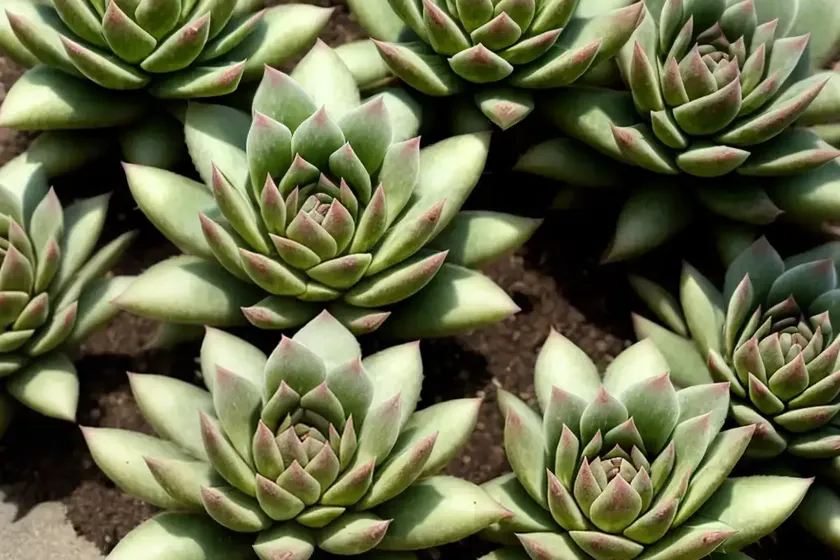
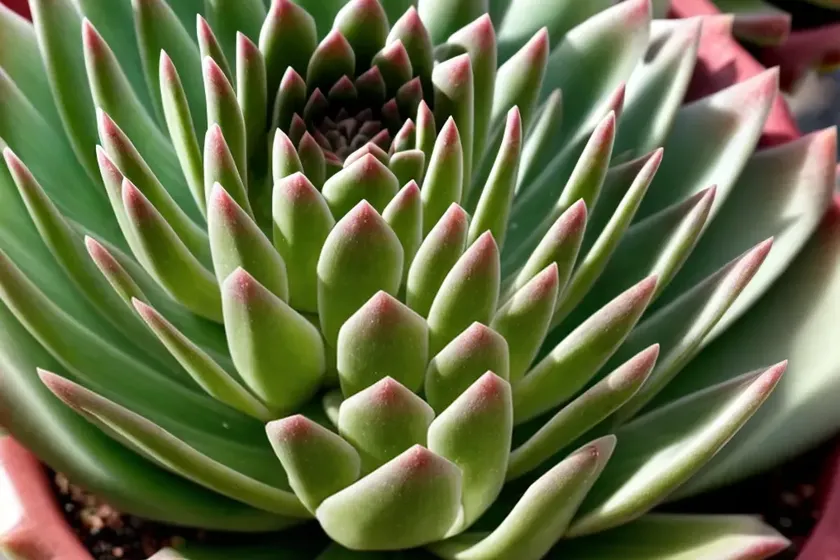
Sempervivum tectorum, commonly known as Common houseleek, is a succulent perennial plant that belongs to the Crassulaceae family. This plant is native to the mountainous regions of Europe and has gained popularity as an ornamental plant due to its low maintenance requirements and attractive rosette formation. In this comprehensive guide, we will explore the culture, uses, care requirements, propagation, common diseases, and interesting facts about Sempervivum tectorum. Whether you are a gardening enthusiast or looking to add an interesting plant to your collection, this guide will provide you with all the essential information you need to cultivate and care for Common houseleek.
What is Sempervivum tectorum (Common Houseleek)?
Sempervivum tectorum, also known as Common houseleek or simply houseleek, is a species of flowering plant in the family Crassulaceae. The name “Sempervivum” is derived from the Latin words “semper,” meaning always, and “vivus,” meaning living, which reflects the plant’s hardy and persistent nature. The species name “tectorum” translates to “of roofs” in Latin, referencing the plant’s historical habit of growing on thatched roofs and tiles.
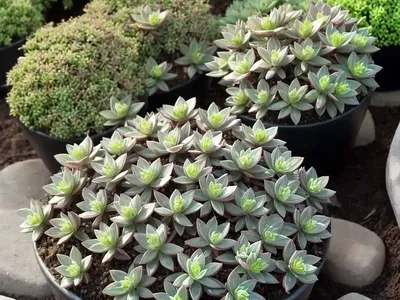
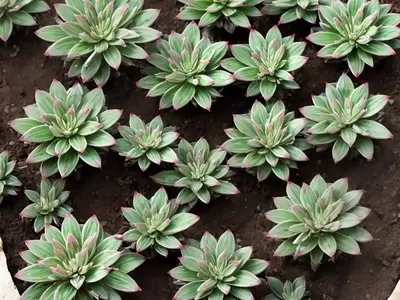
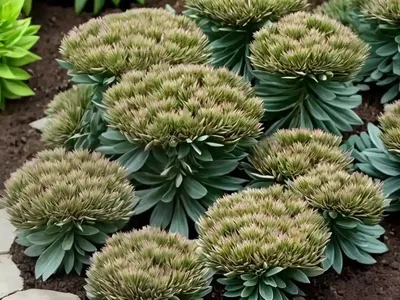
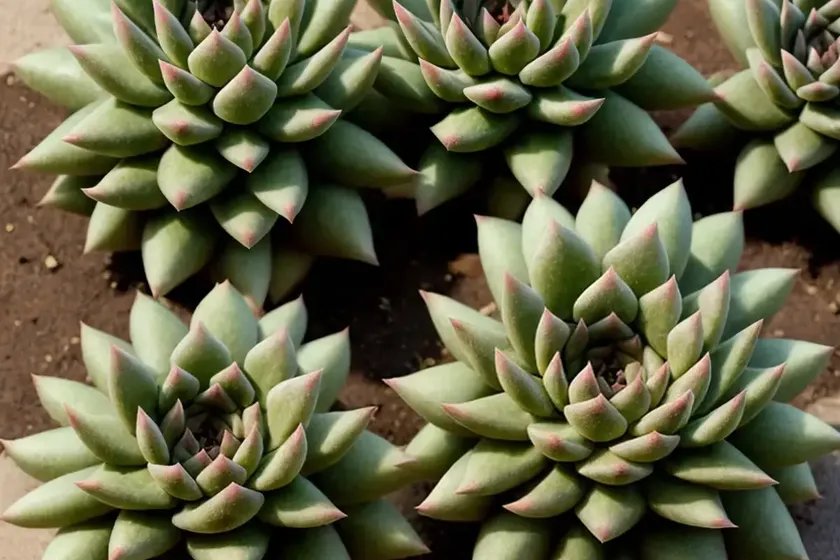
Common houseleek is a low-growing, evergreen succulent that forms attractive rosettes of fleshy leaves. The leaves are often arranged in a spiral pattern, giving the plant a visually striking appearance. In the summer, Sempervivum tectorum produces tall, slender stalks adorned with clusters of star-shaped flowers in varying shades of pink, red, or white, adding further ornamental value to the plant.
Key Takeaways – Sempervivum tectorum (Common Houseleek)
Before delving into the details of cultivating and caring for Sempervivum tectorum, let’s start by summarizing the key takeaways:
-
Culture: Common houseleek is a hardy succulent that thrives in well-draining soil and requires minimal maintenance. It is well-suited for rock gardens, containers, and alpine plantings.
-
Uses: Common houseleek is primarily cultivated as an ornamental plant for its striking rosettes and low maintenance requirements. It is also known for its historical medicinal uses.
-
Water: Sempervivum tectorum has low water requirements and is susceptible to root rot if overwatered. It is drought-tolerant and prefers to dry out between waterings.
-
Sunlight: This succulent thrives in full sun to partial shade and benefits from ample sunlight for healthy growth and vibrant leaf coloration.
-
Fertilizer: Common houseleek has minimal fertilizer needs and can thrive in nutrient-poor soils. Excessive fertilization can lead to leggy growth and decreased resilience.
-
Soil: Well-draining, gritty soil is essential for Sempervivum tectorum. It prefers lean, rocky, or sandy soils with excellent drainage to prevent waterlogged conditions.
-
Pruning: While minimal pruning is required, removing spent flower stalks and dead leaves can improve the plant’s appearance and overall health.
-
Propagation: This plant can be easily propagated from offsets, seeds, or leaf cuttings, making it a rewarding choice for beginner gardeners and succulent enthusiasts.
-
Container: Common houseleek is well-suited for container gardening, provided that the containers have drainage holes and the appropriate growing medium.
-
Popularity: Due to its resilience and ornamental appeal, Sempervivum tectorum has gained popularity in rock gardens, xeriscapes, and container plantings.
-
Common Diseases: While generally resistant to pests and diseases, common houseleek may experience issues such as rot and fungal infections under unfavorable growing conditions.
Now, let’s explore each of these key takeaways in greater detail to gain a comprehensive understanding of cultivating and caring for Sempervivum tectorum.
Cultivation of Sempervivum tectorum (Common Houseleek)
Uses
Common houseleek is valued for its ornamental attributes and adaptability to various growing conditions. Whether planted directly in the ground, nestled among rocks, or displayed in containers, Sempervivum tectorum adds visual interest to gardens and landscapes. Beyond its decorative appeal, Common houseleek holds historical significance, being associated with traditional folklore and medicinal uses.
Water
One of the most appealing traits of Sempervivum tectorum is its ability to thrive in dry conditions, making it an excellent choice for water-wise gardens and landscapes. Properly established Common houseleek plants are highly drought-tolerant and can endure extended periods of dryness. This attribute is largely attributed to their succulent leaves, which store water for sustained periods of time. However, while Sempervivum tectorum is resilient in dry conditions, excessive or prolonged moisture can lead to detrimental consequences.
The watering requirements for Sempervivum tectorum can be summarized as follows:
-
Establishment: During the establishment phase, it is crucial to provide sufficient moisture to allow the plants to develop a robust root system. Water newly planted Common houseleek until the soil is moderately moist, but not saturated. Once established, gradually reduce watering frequency.
-
Mature Plants: Mature Sempervivum tectorum plants have low water requirements and are best left to dry out between waterings. When in doubt, it is advisable to err on the side of underwatering rather than overwatering.
-
Seasonal Adjustments: In regions with distinct seasons, adjust the watering frequency based on environmental conditions. During the active growing season, provide moderate watering as needed, while reducing the frequency during the winter months when the plant experiences dormancy.
-
Container-Grown Plants: When growing Sempervivum tectorum in containers, ensure that the pots have drainage holes to prevent waterlogging. Additionally, monitor the moisture levels more closely, especially during periods of high heat or rainfall.
Sunlight
Sempervivum tectorum thrives in locations with ample sunlight, making it an ideal candidate for sunny spots in the garden or landscape. Full sun exposure promotes healthy growth, vibrant foliage colors, and robust rosette formation. However, Common houseleek can also tolerate partial shade, particularly in regions with intense afternoon sun or during periods of extreme heat.
The sunlight needs of Sempervivum tectorum can be summarized as follows:
-
Optimal Sun Exposure: Plant Common houseleek in a location where it can receive at least 6 hours of direct sunlight per day. This will ensure vigorous growth and enhance the plant’s ornamental appeal.
-
Partial Shade: While Sempervivum tectorum prefers full sun, it can adapt to partial shade, especially in hot climates where excessive sun exposure may cause leaf scorch.
-
Indoor Care: When grown indoors, place Common houseleek in a bright, sunny window or under full spectrum grow lights to ensure adequate light exposure.
It is important to position Sempervivum tectorum in a manner that maximizes its sunlight intake, thereby promoting strong, healthy growth and vibrant foliage coloration.
Fertilizer
The nutritional requirements of Sempervivum tectorum are minimal, as this succulent is adapted to thrive in lean, nutrient-poor soils. Excessive fertilization can lead to overgrowth, weak rosette formation, and increased susceptibility to pests and diseases. Therefore, it is essential to approach fertilization with restraint, focusing on maintaining the plant’s natural resilience and compact growth habit.
Key considerations for fertilizing Sempervivum tectorum include:
-
Minimal Fertilization: Common houseleek has low fertilizer needs and can thrive without regular feeding. Occasional, light applications of a balanced, liquid fertilizer diluted to half strength may be applied during the active growing season, but this is not a strict requirement.
-
Timing: If fertilization is deemed necessary, apply the diluted fertilizer solution sparingly in the early spring, when Sempervivum tectorum emerges from dormancy and begins its active growth phase. Avoid fertilizing during the winter months or periods of dormancy.
-
Natural Soil Nutrients: Sempervivum tectorum is well-adapted to lean, gritty soils, where it can access trace minerals naturally present in its growing medium. Aiming to replicate these conditions will support the plant’s overall health and vigor without relying on artificial fertilizers.
By adopting a conservative and mindful approach to fertilization, gardeners can maintain the natural robustness and compact form of Sempervivum tectorum, contributing to its long-term success in the garden or landscape.
Soil
Optimal soil conditions are essential for the healthy growth and development of Sempervivum tectorum. The right soil composition ensures adequate drainage, prevents waterlogging, and supports the overall well-being of the plant. When cultivating Common houseleek, it is crucial to prioritize well-draining, gritty soils that mimic its native habitat and promote optimal root health.
The soil requirements for Sempervivum tectorum can be summarized as follows:
-
Well-Draining Medium: Plant Sempervivum tectorum in a well-draining soil mix that provides excellent drainage to prevent waterlogged conditions. A combination of sandy soil, perlite, and coarse sand or gravel can create an ideal growing medium for Common houseleek.
-
Lean Nutrient Content: Common houseleek prefers nutrient-poor soils, as excessive fertility can lead to overgrowth and diminished resilience. Avoid rich, organic soils and prioritize lean, gritty substrates that closely resemble the plant’s natural environment.
-
Rocky or Sandy Soils: Given its natural habitat in rocky, mountainous areas, Sempervivum tectorum thrives in soils with a rocky or sandy texture. These types of soils promote efficient drainage and prevent excess moisture around the roots.
-
Container Medium: When planting Common houseleek in containers, use a well-draining, gritty growing medium specifically formulated for succulents and cacti. Avoid standard potting soils, which may retain excessive moisture.
By addressing the soil needs of Sempervivum tectorum, gardeners can create an optimal growing environment that supports the plant’s resilience, health, and ornamental attributes.
Pruning and Propagation of Sempervivum tectorum
Pruning
While minimal pruning is required for Sempervivum tectorum, occasional maintenance can enhance the plant’s overall appearance and health. The primary pruning tasks for Common houseleek include removing spent flower stalks and trimming dead or damaged leaves. By performing these simple maintenance activities, gardeners can promote tidy, vigorous growth and prolong the ornamental lifespan of the plant.
Key considerations for pruning Sempervivum tectorum include:
-
Remove Spent Flower Stalks: Once the flowering period is complete, trim the spent flower stalks at the base to redirect the plant’s energy back into foliage growth.
-
Trim Dead Leaves: Periodically inspect Sempervivum tectorum for any dead or decaying leaves and carefully remove them to prevent the spread of disease and maintain a neat appearance.
By practicing minimal but consistent pruning, gardeners can promote the long-term vitality and attractiveness of Sempervivum tectorum, contributing to its overall ornamental value in the garden or landscape.
Propagation
Common houseleek is a prolific propagator, readily producing offsets and seeds that can be used to expand a collection or share with fellow gardening enthusiasts. Furthermore, Sempervivum tectorum can be propagated from leaf cuttings, offering additional opportunities to cultivate new plants from existing specimens. The ease of propagation makes Sempervivum tectorum a rewarding plant for both beginner and experienced gardeners, providing a sense of accomplishment and abundance in the garden.
Key methods of propagating Sempervivum tectorum include:
-
Offsets (Chicks): Sempervivum tectorum frequently produces offsets, or “chicks,” around the base of mature plants. These offsets can be carefully detached and planted in a separate location to establish new colonies of Common houseleek.
-
Leaf Cuttings: Select healthy leaves from mature Sempervivum tectorum plants and allow the cut ends to callus for a few days. Once callused, place the leaf cuttings on well-draining, gritty soil and lightly water as needed. Over time, new plantlets will emerge from the leaf cuttings, signaling successful propagation.
-
Seeds: Sempervivum tectorum produces tiny seeds after flowering. Collect the mature seeds and sow them in a well-draining seed-starting mix. Provide consistent moisture and moderate light to encourage germination, and transplant the seedlings once they have developed several true leaves.
By exploring the various propagation methods and embracing the inherent prolific nature of Sempervivum tectorum, gardeners can multiply their plant collection and share the joy of growing Common houseleek with others.
Container Gardening with Sempervivum tectorum
Sempervivum tectorum is well-suited for container gardening, offering an opportunity to appreciate its compact, rosette-forming habit up close. When cultivated in containers, Common houseleek thrives in well-draining, gritty growing medium and benefits from strategic placement to maximize sunlight exposure.
Pot Selection
When selecting containers for growing Sempervivum tectorum, it is essential to prioritize function over aesthetics. Choose containers that offer ample drainage and provide sufficient space for the plant’s root system to develop. Terracotta pots, hypertufa containers, or shallow trays are all suitable choices for planting Common houseleek.
Container Medium
Use a well-draining, gritty growing medium specifically formulated for succulents and cacti when planting Sempervivum tectorum in containers. Combining materials such as coarse sand, perlite, and succulent-specific potting mix will ensure optimal drainage and create a hospitable environment for the plant.
Placement and Care
Position containers of Sempervivum tectorum in locations with ample sunlight, such as sunny windowsills, patios, or outdoor garden spaces. Rotate the containers periodically to promote even growth and prevent the development of leggy or unevenly shaped rosettes.
When watering container-grown Common houseleek, apply moisture sparingly, allowing the top inch of the growing medium to dry out between waterings. Additionally, monitor the drainage of the containers to prevent water accumulation at the base, which can compromise the plant’s health.
Popularity of Sempervivum tectorum in Container Gardening
The resilience, decorative appeal, and low maintenance requirements of Sempervivum tectorum have contributed to its popularity in container gardening. Common houseleek is cherished by enthusiasts and beginners alike for its adaptability to small spaces and its ability to thrive in containers of various sizes and styles.
Complementing other succulents, alpine plants, or rock garden species, Sempervivum tectorum adds a touch of elegance and charm to container arrangements. Its rosette-forming habit and striking foliage colors make it an ideal choice for mixed succulent planters, vertical gardens, and miniature garden displays.
By integrating Sempervivum tectorum into container gardening projects, enthusiasts can enjoy a versatile and visually captivating plant that brings year-round interest to urban, compact, or limited gardening spaces.
Common Diseases and Pests of Sempervivum tectorum
Disease Diagnosis
Sempervivum tectorum is generally resistant to most common diseases; however, under unfavorable growing conditions, it can be susceptible to fungal infections and rot. Recognizing the symptoms of potential diseases and prompt intervention can help preserve the health and vitality of Common houseleek.
Common Diseases:
-
Botrytis: Also known as gray mold, botrytis can affect Sempervivum tectorum during periods of excessive moisture. Symptoms include grayish-brown fungal growth on the leaves and a general decline in plant health. Remove affected leaves and adjust watering practices to prevent further spread.
-
Root Rot: Overwatering or poorly draining soils can lead to root rot in Sempervivum tectorum. Symptoms include wilting, yellowing leaves, and a foul odor emanating from the soil. If diagnosed with root rot, take corrective measures such as adjusting the watering regimen and repotting the plant in well-draining soil.
Common Pests
Sempervivum tectorum is relatively resistant to pests, thanks to the deterrent properties of its succulent leaves. However, under certain conditions, the plant may attract common garden pests. Vigilance and timely intervention can minimize pest-related damage and preserve the overall health of Common houseleek.
Common Pests:
-
Aphids: These small, soft-bodied insects may occasionally infest Sempervivum tectorum, particularly during periods of new growth. Rinse the affected plants with a strong spray of water or introduce natural predators, such as ladybugs, to control the aphid population.
-
Snails and Slugs: In humid or shaded locations, snails and slugs may feed on the leaves of Common houseleek, leaving ragged holes and unsightly damage. Use physical barriers, such as copper tape or diatomaceous earth, to prevent snail and slug infestations.
By remaining vigilant and monitoring the health of Sempervivum tectorum, gardeners can swiftly address any signs of disease or pest activity, preserving the plant’s resilience and ornamental appeal.
Botanist’s Tips for Growing Sempervivum tectorum
To ensure the successful cultivation and long-term vitality of Sempervivum tectorum, consider the following botanist’s tips:
-
Prioritize Drainage: Whether planting in the ground or in containers, prioritize well-draining, gritty soils to prevent waterlogged conditions and promote optimal root health.
-
Monitor Sun Exposure: Position Common houseleek in locations with ample sunlight, ensuring at least 6 hours of direct sun exposure per day for vigorous growth and vibrant foliage colors.
-
Water Sparingly: Embrace the plant’s drought-tolerant nature and water sparingly, allowing the soil to dry out between waterings to prevent root rot and other moisture-related issues.
-
Practice Minimal Intervention: Sempervivum tectorum thrives with minimal intervention, and excessive care can lead to decreased resilience and overgrowth. Embrace the plant’s natural hardiness and adaptability.
-
Embrace Propagation: Explore various propagation methods to expand your Sempervivum tectorum collection and share the joy of growing houseleeks with fellow enthusiasts.
-
Monitor for Diseases and Pests: Regularly inspect Sempervivum tectorum for signs of disease or pest activity, addressing any issues promptly to preserve the plant’s health and ornamental value.
By incorporating these botanist’s tips into your approach to growing Sempervivum tectorum, you can foster a resilient, visually striking plant that thrives in diverse garden settings and brings year-round appeal to outdoor and indoor spaces.
Fun Facts about Sempervivum tectorum
In addition to its ornamental and cultural significance, Common houseleek is associated with various intriguing and noteworthy traits:
- Historical Roofing Applications: Sempervivum tectorum earned its common