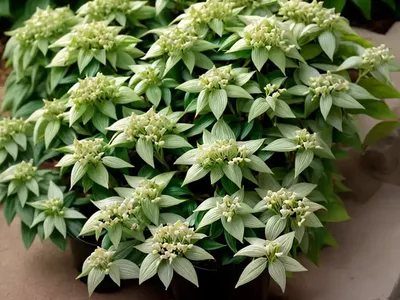
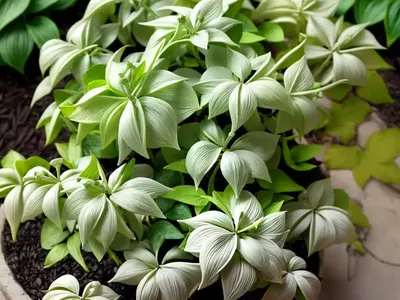
Sweet Box (Sarcococca Hookeriana)
Sarcococca hookeriana, commonly known as sweet box, is an evergreen shrub that brightens up winter gardens with its lovely fragrance and delicate flowers..
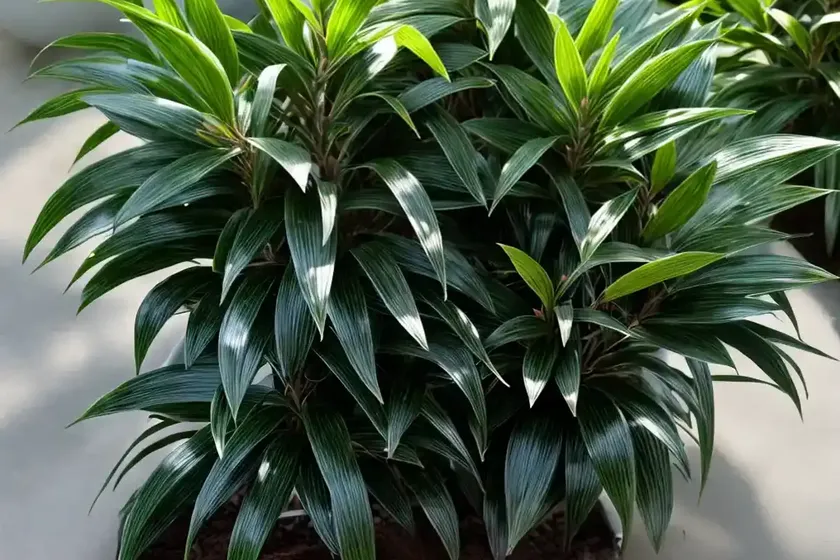
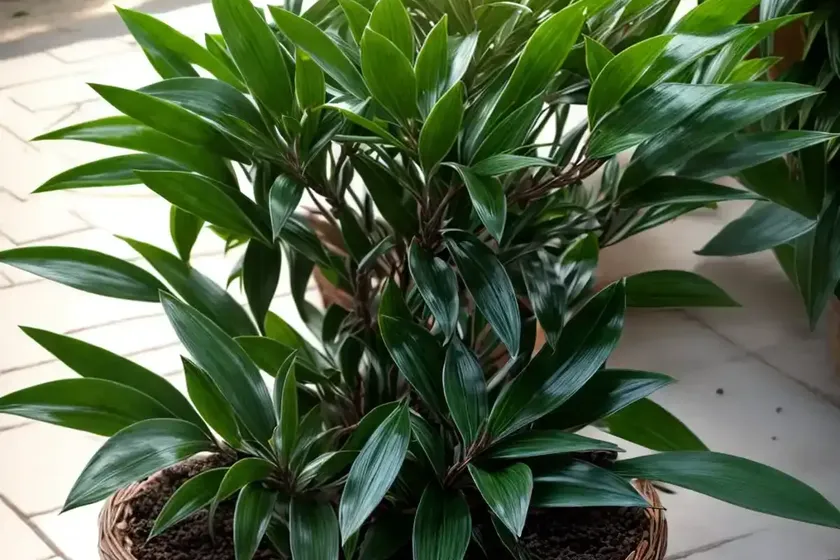
Sarcococca hookeriana, commonly known as sweet box, is an evergreen shrub that brightens up winter gardens with its lovely fragrance and delicate flowers. This versatile plant is a popular choice for shaded areas, adding a touch of elegance and charm to any landscape. Its low-maintenance nature and adaptability make it an excellent choice for both beginner and experienced gardeners.
In this comprehensive guide, we will delve into the culture, uses, care, and cultivation of sweet box plants. We’ll explore everything from its ideal growing conditions to potential diseases and pests, as well as tips from botanists and interesting facts about Sarcococca hookeriana. Whether you’re considering adding this plant to your garden or already have one, this guide is your go-to resource for unlocking the full potential of sweet box plants.
Key Takeaways – Sweet Box (Sarcococca hookeriana)
Before we dive into the details, let’s take a quick look at the key takeaways about sweet box (Sarcococca hookeriana):
- Sarcococca hookeriana is a fragrant winter plant known for its small, sweet-scented flowers.
- It is an evergreen shrub that thrives in shaded areas, making it a perfect choice for winter garden design.
- Sweet box plants are low-maintenance, shade-tolerant, and adaptable to various soil conditions.
- The plant is popular for its aromatic qualities and is often used for landscape borders, ground covers, and hedges.
- Sarcococca hookeriana is prized for its winter blooms, making it a standout choice for adding interest to the winter garden.
Now, let’s explore the various aspects of sweet box (Sarcococca hookeriana) in detail.
What is Sweet Box (Sarcococca hookeriana)?
Sarcococca hookeriana, commonly known as sweet box, is a species of flowering plant in the box family, Buxaceae. Native to China and the Himalayas, this evergreen shrub is prized for its highly fragrant flowers and glossy, dark green foliage. It typically grows to a height of 3-5 feet with a similar spread, making it a relatively compact shrub that fits well in small to medium-sized gardens.
The species name “hookeriana” is an homage to Sir Joseph Dalton Hooker, a prominent 19th-century British botanist and explorer known for his significant contributions to plant taxonomy and exploration of the Himalayan region.
One of the most appealing features of sweet box is its ability to bloom during the winter months. The tiny, white flowers may appear inconspicuous at first glance, but their enchanting fragrance makes them a standout feature, especially in the cold, dreary months when many other plants are dormant.
Culture of Sweet Box (Sarcococca hookeriana)
Understanding the cultural requirements of sweet box is essential for ensuring its optimal growth and performance in the garden. Let’s take a closer look at the key cultural aspects of Sarcococca hookeriana.
Water
Sweet box plants prefer consistently moist soil, especially during the establishment phase. Once the plant is well-established, it exhibits good drought tolerance, but regular watering is still essential, particularly during periods of prolonged dryness. When watering, it’s important to ensure that the soil is evenly moist, but not waterlogged, as excessive moisture can lead to root rot.
Sunlight
One of the distinguishing features of sweet box is its ability to thrive in shaded conditions, making it an ideal choice for gardens with limited sunlight. While the plant can tolerate some morning sun, it generally prefers partial to full shade, especially in regions with hotter climates. In dense shade, the plant may exhibit slightly looser growth habits, so finding a balance with dappled sunlight is often ideal.
Fertilizer
Sweet box plants generally have low fertilizer requirements. A balanced, slow-release fertilizer applied in spring can help support healthy growth and abundant flowering. It’s important to avoid excessive fertilization, as this can lead to overly lush foliage at the expense of flowers and fragrance.
Soil
Sarcococca hookeriana thrives in moist, well-drained soil with a slightly acidic to neutral pH. While it is adaptable to various soil types, including clay, loam, or sandy soils, providing rich, organic matter in the soil mix can help promote vigorous growth and overall health of the plant.
Pruning
Pruning sweet box is generally minimal, as the plant maintains an attractive, naturally compact form. However, light pruning may be required to remove damaged or overgrown branches, or to shape the plant as desired. Pruning is best carried out after the flowering period to avoid interfering with the next season’s blooms.
Propagation
Sweet box plants can be propagated through semi-hardwood cuttings taken in late summer or early autumn. Propagation through division of mature plants is also possible, especially if the plant has developed multiple stems or clusters. Propagating sweet box allows gardeners to expand their collection or share this delightful plant with fellow gardening enthusiasts.
Container Popularity
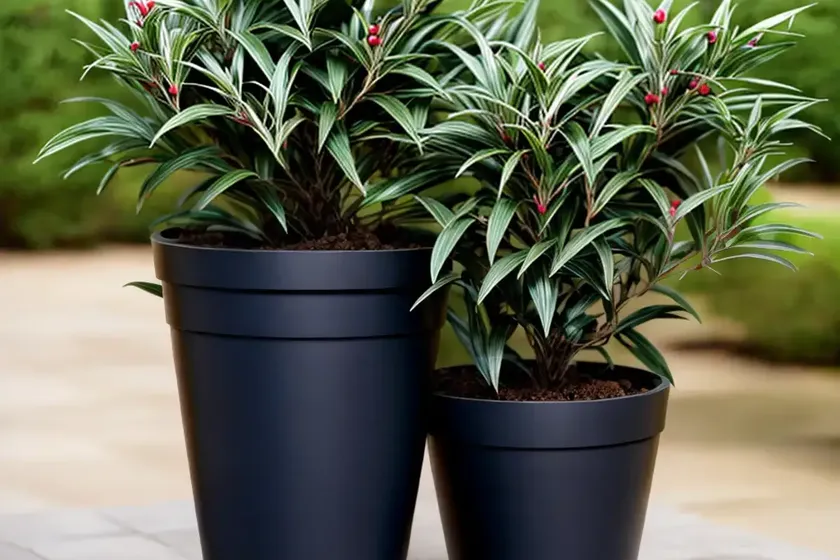
Due to its compact growth habit and shade tolerance, sweet box is a popular choice for container gardening. It can thrive in containers placed on shaded patios, balconies, or under trees, adding seasonal interest and fragrance to these outdoor spaces. When grown in containers, it’s important to ensure adequate moisture and provide occasional fertilization to support the plant’s growth.
Uses of Sweet Box (Sarcococca hookeriana)
Sweet box has a range of uses in garden and landscape design, thanks to its versatile nature and appealing characteristics. Let’s explore the various uses of Sarcococca hookeriana that make it a valuable addition to any garden.
Landscape Borders and Edging
The dense, evergreen foliage of sweet box, combined with its modest height, makes it an excellent choice for delineating garden borders and edging. Its adaptability to shady conditions allows gardeners to create visually appealing borders even in areas with limited sunlight.
Ground Cover
Sweet box serves as an effective ground cover in shaded areas, where it can create a lush carpet of glossy green foliage and provide a delightful fragrance during the winter months. Its low-growing habit and tolerance for varying soil conditions make it well-suited for filling in bare spots and underplanting in woodland gardens.
Fragrance and Aesthetic Appeal
The exceptionally fragrant flowers of sweet box are a major draw for gardeners seeking to enhance the sensory experience of their outdoor spaces. The subtle, sweet scent can lift spirits on winter days and create an inviting atmosphere in the garden. Additionally, the plant’s year-round glossy foliage contributes to its aesthetic appeal.
Hedge and Screen
The dense, compact growth of Sarcococca hookeriana makes it well-suited for creating hedges or screens, particularly in shaded or semi-shaded locations. It can be used to define garden boundaries, create privacy screens, or soften harsh transitions between different garden areas.
Container Gardening
Sweet box shines as a container plant, adding fragrance and visual interest to outdoor living spaces. It thrives in shaded containers on patios, porches, and balconies, providing year-round greenery and seasonal blooms. The compact nature of the plant makes it a natural fit for container gardening, especially in urban and small-space environments.
Common Diseases of Sweet Box (Sarcococca hookeriana)
While sweet box is generally resilient, it can be susceptible to certain diseases under unfavorable growing conditions. Understanding the common diseases and their diagnosis is crucial for maintaining the health and vigor of Sarcococca hookeriana in the garden.
Disease Diagnosis
Some of the common diseases that may affect sweet box include:
-
Leaf Spot: Leaf spot diseases, caused by various fungal pathogens, can lead to the development of discolored spots on the leaves. In severe cases, the leaves may exhibit extensive browning or yellowing, leading to defoliation and reduced plant vigor.
-
Powdery Mildew: Powdery mildew is a fungal disease that often appears as a powdery white coating on the leaves and stems of affected plants. It can hinder the plant’s ability to photosynthesize and compromise overall health.
-
Root Rot: Overly moist or waterlogged soil can create ideal conditions for the development of root rot, a condition caused by fungal pathogens that attack the plant’s root system. Symptoms include wilting, yellowing foliage, and stunted growth.
Common Pests
While sweet box is generally resistant to most pests, it can occasionally fall victim to certain insect infestations. Some of the common pests that may affect the plant include:
-
Aphids: These small, soft-bodied insects can cluster on the undersides of leaves, feeding on plant sap and potentially causing leaf distortion and stunted growth.
-
Scale Insects: Scale insects can appear as small, waxy bumps on the stems and leaves of sweet box plants. They feed on plant fluids and can lead to weakened growth and yellowing foliage.
-
Spider Mites: These tiny arachnids can infest the foliage of sweet box, causing stippling and webbing on the leaves. Severe infestations can lead to reduced plant vigor and decline.
Botanist’s Tips
To prevent and manage common diseases and pests of sweet box, consider the following botanist’s tips:
-
Prune Carefully: Regularly inspect and prune sweet box plants to remove any diseased or infested foliage. Proper pruning can improve air circulation and reduce the risk of fungal diseases.
-
Monitor Moisture Levels: Ensure that the soil is well-drained and avoid overwatering, as excessively moist conditions can contribute to the development of root rot and fungal diseases.
-
Natural Predators: Encourage beneficial insects and natural predators, such as ladybugs and lacewings, to help manage aphid and scale insect populations in the garden.
Fun Facts about Sweet Box (Sarcococca hookeriana)
As we explore the world of sweet box (Sarcococca hookeriana), it’s fascinating to uncover some lesser-known facts that contribute to the plant’s allure and botanical significance. Here are some fun and interesting facts about sweet box:
-
The sweet scent of Sarcococca hookeriana’s flowers is often likened to that of vanilla or honey, adding a delightful fragrance to winter gardens and landscapes.
-
The glossy, dark green foliage of sweet box serves as an attractive backdrop for the delicate white flowers, creating a striking contrast in the garden.
-
Sarcococca hookeriana has been used in traditional medicine for its purported medicinal properties, with extracts from the plant believed to possess anti-inflammatory and antioxidant properties.
-
The species name “hookeriana” pays tribute to Sir Joseph Dalton Hooker, a renowned botanist and explorer who made significant contributions to the study of Himalayan flora.
-
Sweet box berries, which develop after the flowers, are a valuable food source for birds, adding ecological value to the plant beyond its ornamental appeal.
-
In addition to its winter blooms, sweet box exhibits attractive, evergreen foliage that remains vibrant throughout the year, providing year-round interest in the garden.
Links to External Resources
As we deepen our understanding of sweet box (Sarcococca hookeriana) and its diverse attributes, it’s beneficial to explore additional resources that provide valuable insights and information about this plant. Here are some external resources that offer further guidance and knowledge about sweet box:
- Royal Horticultural Society (RHS) – Sarcococca hookeriana
- University of California Integrated Pest Management (IPM) Program – Sarcococca spp.
- Missouri Botanical Garden – Sarcococca hookeriana
- American Society for the Prevention of Cruelty to Animals (ASPCA) – Toxic and Non-Toxic Plants: Sweet Box
Conclusion
Sarcococca hookeriana, or sweet box, is undeniably a standout plant that brings joy and fragrance to winter landscapes. Its adaptability to shaded conditions, low-maintenance nature, and charming blooms make it a valuable addition to gardens and outdoor spaces. Whether used as a ground cover, hedge, or container plant, sweet box has the potential to transform any garden with its delightful attributes.
As we continue to appreciate the beauty and versatility of sweet box, it’s important to consider its cultural needs, potential uses, and methods for protecting it from common diseases and pests. By arming ourselves with comprehensive knowledge about this remarkable plant, we can cultivate thriving sweet box specimens and create captivating winter gardens that enthrall all who encounter them.
Remember, whether you’re a novice gardener or a seasoned horticultural enthusiast, there’s always something new to discover and appreciate about the extraordinary world of plants like sweet box. Embrace the aromatic allure and enduring charm of Sarcococca hookeriana, and let it inspire your winter garden designs and horticultural endeavors.