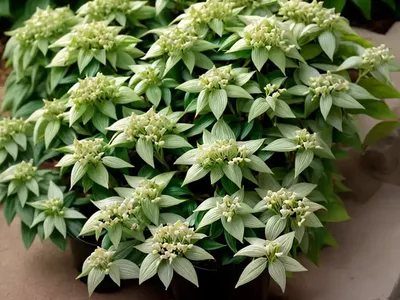
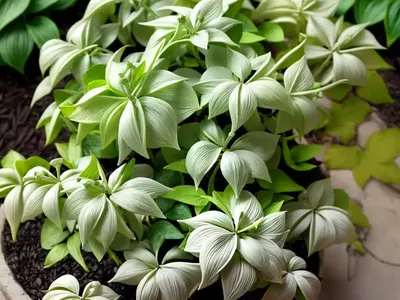
Sweet Box (Sarcococca Hookeriana Var. Humilis ‘Sarsid2’ FRAGRANT MOUNTAIN)
Sweet box (Sarcococca hookeriana var. humilis ‘Sarsid2’ FRAGRANT MOUNTAIN) is a delightful and versatile evergreen shrub that is part of the Sarcococca.
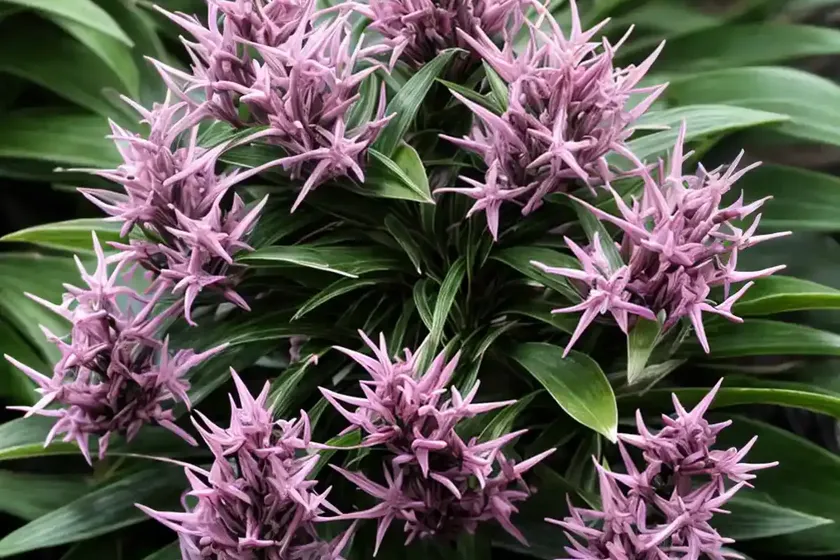
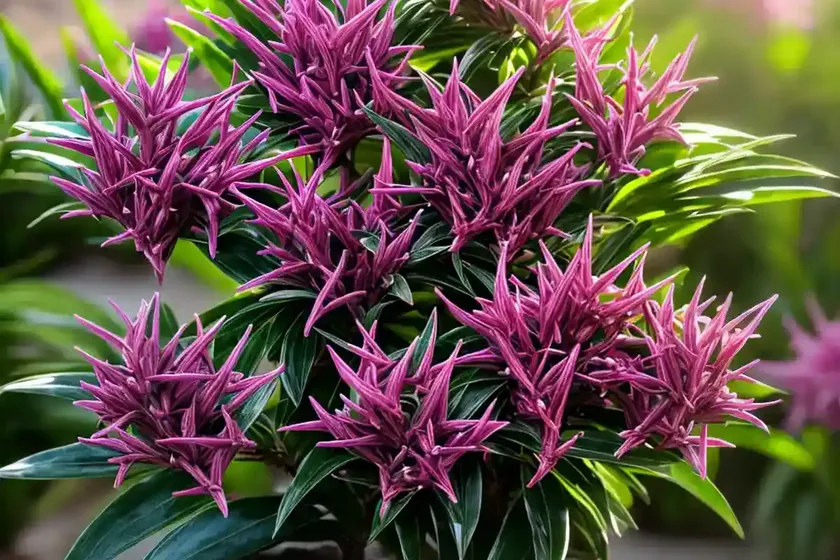
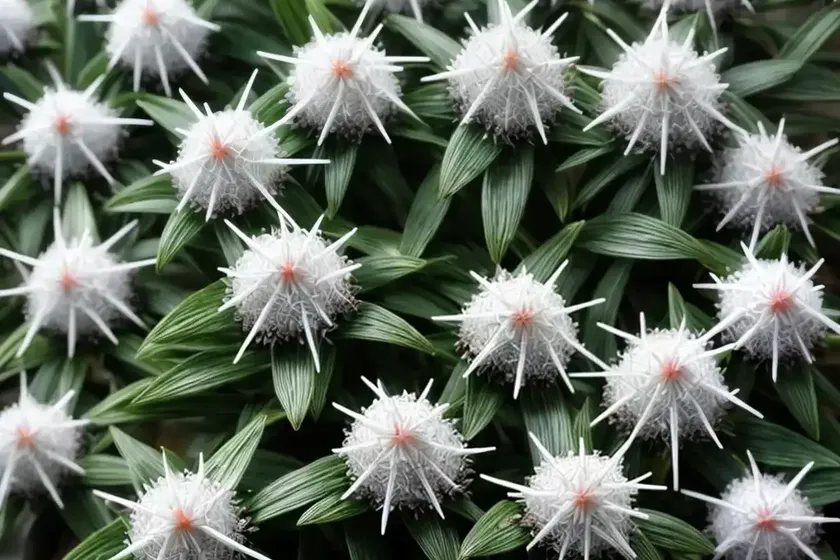
Sweet box (Sarcococca hookeriana var. humilis ‘Sarsid2’ FRAGRANT MOUNTAIN) is a delightful and versatile evergreen shrub that is part of the Sarcococca family. It is popular for its fragrant foliage and compact growth habit, making it an excellent choice for gardens, containers, and landscaping. In this comprehensive guide, we will explore the essential aspects of sweet box cultivation, including its culture, uses, maintenance, and common pests and diseases. Let’s delve into the enchanting world of this aromatic plant and uncover its unique characteristics and growing requirements.
What is Plant: Sweet Box (Sarcococca hookeriana var. humilis ‘Sarsid2’ FRAGRANT MOUNTAIN)
Key Takeaways
Before we dive into the intricacies of sweet box cultivation, let’s summarily explore the key takeaways associated with this delightful plant:
- Sweet box (Sarcococca hookeriana var. humilis ‘Sarsid2’ FRAGRANT MOUNTAIN) is an evergreen shrub known for its fragrant foliage and flowering.
- It belongs to the Sarcococca family, renowned for its aromatic plants.
- Sweet box is also referred to as Fragrant Mountain, highlighting its ability to create a fragrant landscape.
- This plant is characterized by its dwarf, low-growing nature, making it an ideal choice for ground cover, containers, and borders.
- It thrives in shaded areas, making it a valuable addition to landscapes with limited sunlight.
- Sweet box is prized for its fragrance, making it a desirable choice for fragrance gardens and adding a delightful aroma to outdoor spaces.
Culture
Water
Sweet box is relatively low-maintenance when it comes to watering. It prefers consistently moist but well-drained soil. During periods of dry weather, regular watering is essential, especially for newly planted shrubs. However, it’s crucial to avoid overwatering, as excessive moisture can lead to root rot and other water-related issues.
Sunlight
One of the most remarkable features of sweet box is its ability to thrive in shaded areas. It enjoys dappled shade or partial shade, making it an excellent choice for gardens or landscapes with limited direct sunlight. However, it can also tolerate some morning sun or filtered sunlight, particularly in cooler climates.
Fertilizer
In terms of feeding, sweet box generally has modest fertilizer needs. A balanced, slow-release fertilizer applied in spring can provide the necessary nutrients for healthy growth and flowering. It’s essential to follow the specific guidelines for the chosen fertilizer and avoid over-fertilization, which can lead to excessive foliage at the expense of flowers and fragrance.
Soil
Sweet box prefers well-drained, humus-rich soil with a slightly acidic to neutral pH. It thrives in fertile, moisture-retentive soils and can adapt to various soil types, including loamy and sandy soils. Ensuring good soil preparation before planting and incorporating organic matter can significantly contribute to the plant’s overall health and vigor.
Uses
Sweet box offers a multitude of uses in garden settings, landscaping, and container gardening. Here are some primary applications of this versatile shrub:
- Ground Cover: Its low-growing, spreading habit makes it an ideal choice for ground cover, particularly in shaded areas where other plants may struggle to thrive. It forms a dense, evergreen carpet that adds texture and beauty to the landscape.
- Borders and Edging: The compact and tidy growth habit of sweet box makes it well-suited for borders and edging along paths, flower beds, and other garden features.
- Containers: As a dwarf shrub, sweet box is well-suited for container planting, adding fragrance and evergreen interest to outdoor spaces, patios, and balconies.
- Fragrance Gardens: The sweet, powerful fragrance of this plant makes it a perfect addition to fragrance gardens, where its aromatic presence can be enjoyed.
Pruning
Pruning sweet box is relatively straightforward and generally involves minimal maintenance. Regular pruning is not a necessity, but if required, it’s best to carry out the pruning in late spring or early summer after the flowering period. The goal is to maintain the desired shape, remove any damaged or dead branches, and encourage a dense, compact growth habit. Additionally, light pruning can help manage the size of the plant and rejuvenate its appearance.
Propagation
Sweet box can be propagated through several methods, including:
- Seeds: While possible, propagation from seeds is a slow process and may not produce plants that are true to the parent characteristics.
- Cuttings: Semi-ripe cuttings taken in late summer or early autumn can be rooted to produce new plants. These cuttings should include a heel, and rooting hormones can be used to improve the success rate.
Container Popularity
Sweet box is highly popular for container gardening due to its compact size, attractive foliage, and delightful fragrance. When grown in containers, it can be placed strategically in outdoor spaces, such as patios, balconies, or near entrances, where its fragrance can be readily enjoyed. The evergreen nature of sweet box also ensures year-round interest in container displays.
Common Diseases
Disease Diagnosis
While sweet box is generally resilient, it can be susceptible to certain diseases under specific conditions. Common diseases that may affect sweet box include:
- Leaf Spot: Characterized by dark spots on the leaves, typically caused by fungal pathogens under humid and warm conditions.
- Root Rot: Caused by overly wet soil conditions, leading to the decay of the plant’s root system.
- Powdery Mildew: A common fungal disease that leads to the development of a white, powdery coating on the leaves.
Regular inspection of the plant for any signs of disease, coupled with appropriate cultural practices, can help prevent and manage the occurrence of these diseases.
Common Pests
Botanist’s Tips
Sweet box is generally resistant to most pests, but occasional pest infestations may occur. Common pests that may affect sweet box include:
- Aphids: These small, soft-bodied insects can cluster on the undersides of leaves and cause damage by feeding on the plant’s sap. They can often be controlled by spraying the plant with a strong jet of water or using insecticidal soap.
- Scale Insects: Scale insects can appear as small, waxy bumps on the plant’s stems and leaves. They can be addressed through manual removal or insecticidal treatments.
- Spider Mites: These tiny arachnids can cause stippling and discoloration of the leaves. Regularly spraying the plant with water can help prevent and manage spider mite infestations.
Regular monitoring and early intervention are key to managing pest issues effectively and preventing them from causing significant damage to the plant.
Fun Facts
- The sweet box (Sarcococca) genus comprises around 11 species, primarily distributed across eastern and southeastern Asia.
- The name “Sarcococca” is derived from the Greek words “sarx,” meaning flesh, and “kokkos,” meaning berry, a reference to the fleshy fruits produced by the plants.
- Sweet box is prized not only for its fragrant flowers but also for its glossy, dark green foliage, which provides year-round interest in the garden.
Links to External Resources
Plant Name: “Sweet Box (Sarcococca hookeriana var. humilis ‘Sarsid2’ FRAGRANT MOUNTAIN)”
For further information about sweet box and its cultivation, the following external resources can provide valuable insights:
- “Sarcococca hookeriana var. humilis ‘Sarsid2’ FRAGRANT MOUNTAIN” – Royal Horticultural Society (RHS)
- “Fragrant Mountain Sweet Box” – Monrovia
- “Sarcococca Species” – Missouri Botanical Garden
- “Sarcococca hookeriana ‘Sarsid2’ – Fragrant Mountain” – The American Gardens
In conclusion, sweet box (Sarcococca hookeriana var. humilis ‘Sarsid2’ FRAGRANT MOUNTAIN) is a remarkable evergreen shrub celebrated for its fragrant foliage, compact growth habit, and versatile uses in garden and landscape settings. Its appeal as an aromatic, low-maintenance plant makes it a favorite choice for those seeking to introduce fragrance and evergreen interest to their outdoor spaces. By understanding its cultural requirements, maintenance practices, and potential challenges, plant enthusiasts can successfully cultivate and appreciate the charm of this delightful shrub.