Thai Lime (Citrus hystrix): A Comprehensive Guide
Citrus hystrix, commonly known as Thai lime, is a tropical fruit tree that belongs to the Rutaceae family. This evergreen plant is well-recognized for its culinary and medicinal uses, as well as for its ornamental value. In this guide, we will explore the various aspects of Thai lime, including its culture, uses, care requirements, propagation, and common diseases and pests. Whether you are a seasoned gardener or a beginner, this guide offers valuable insights into maximizing the potential of the Thai lime plant in your garden or indoor space.
What is Thai Lime (Citrus hystrix)?
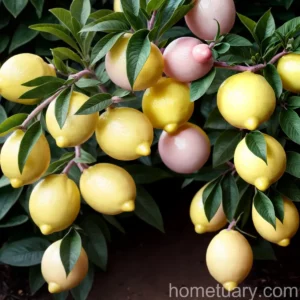
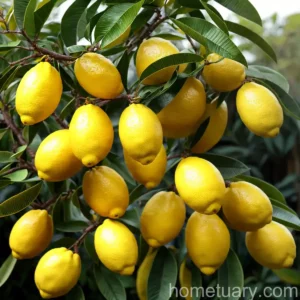
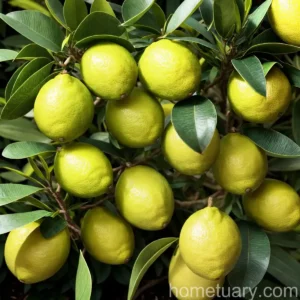
Thai lime, scientifically known as Citrus hystrix, is a thorny, bushy tree that is native to tropical Southeast Asia. It is widely cultivated in countries such as Thailand, Malaysia, and Indonesia, where it is a staple ingredient in local cuisine and traditional medicine. The plant is characterized by its small, round, and bumpy fruits, which are highly aromatic and possess a distinct citrusy flavor. Thai lime is also valued for its glossy, dark green leaves, which exude a refreshing fragrance when crushed or bruised.
Key Takeaways – Thai Lime (Citrus hystrix)
Before delving into the specific aspects of Thai lime cultivation and care, let’s highlight some key takeaways about this fascinating plant:
- Thai lime is a tropical fruit tree known for its culinary uses in Southeast Asian cuisine, as well as for its medicinal properties.
- The plant requires well-drained soil, ample sunlight, and regular watering to thrive.
- Thai lime leaves and fruits are essential ingredients in various dishes, and the plant’s essential oil is valued for its aromatic and therapeutic properties.
- Pruning and fertilizing are essential aspects of Thai lime tree care, and propagation can be achieved through seeds or cuttings.
- Thai lime is susceptible to certain diseases and pests, requiring proactive measures for prevention and management.
Now, let’s explore each aspect of Thai lime in more detail, covering its culture, uses, care requirements, and maintenance practices.
Culture
Uses
Culinary Uses
Thai lime is highly esteemed for its culinary uses, particularly in Southeast Asian cuisine. The aromatic leaves and zesty fruits of the Thai lime tree are essential ingredients in a wide range of dishes, including curries, soups, stir-fries, and marinades. The distinctive flavor and fragrance of Thai lime add depth and complexity to both savory and sweet culinary creations. The leaves, in particular, are used to impart a citrusy and floral aroma to traditional dishes, and they are often added whole or shredded for infusion purposes. Additionally, the juice and zest of Thai lime are prized for their ability to brighten flavors and add a refreshing tang to various recipes, making the plant a versatile and indispensable component of regional cooking.
Medicinal and Aromatic Uses
Beyond its role in cooking, Thai lime also holds significance in traditional medicine and aromatherapy. The essential oil extracted from the plant’s leaves possesses antimicrobial and mood-boosting properties, and it is often used in aromatherapy to promote relaxation and mental clarity. In traditional medicine, the fruit, leaves, and essential oil of Thai lime are utilized for their medicinal benefits, including digestive support, immune enhancement, and relief from respiratory ailments. The plant’s aromatic qualities and therapeutic attributes underscore its multifaceted utility, making it a valuable resource in both culinary and holistic wellness practices.
Water
Water Needs
Thai lime trees have moderate water needs, and it is important to maintain a consistent watering schedule to support healthy growth and fruit development. While the plant requires regular irrigation, it is essential to avoid waterlogging the root system, as excessive moisture can lead to root rot and other complications. During the growing season, it is recommended to water the tree deeply once or twice a week, allowing the soil to dry out slightly between waterings. In contrast, during the dormant period or in cooler weather, the frequency of watering can be reduced, ensuring that the soil does not remain excessively moist for prolonged periods.
Sunlight
Sunlight Requirements
As a tropical plant, Thai lime thrives in full sunlight, benefiting from at least 6-8 hours of direct sunlight each day. Adequate exposure to sunlight is crucial for promoting robust growth, flowering, and fruiting. When grown indoors, it is important to position the plant in a location that receives ample natural light, such as near a south-facing window or under grow lights to supplement sunlight. A lack of sufficient light can result in reduced fruit production, poor overall growth, and increased susceptibility to diseases and pests, underscoring the plant’s reliance on sunlight for its vitality.
Fertilizer
Fertilizer Requirements
To ensure optimal growth and fruit development, Thai lime trees benefit from regular fertilization with a balanced, slow-release fertilizer formulated specifically for citrus plants. A fertilizer with a NPK (nitrogen-phosphorus-potassium) ratio of 2:1:1 or 3:1:1 is generally suitable for supporting the nutritional needs of the plant. During the active growing season, which typically spans from spring to early fall, the tree can be fertilized every 4-6 weeks. It is important to follow the manufacturer’s recommendations regarding application rates and to avoid over-fertilization, which can result in excessive foliage growth at the expense of fruit production.
Soil
Soil pH Preferences
Thai lime trees prefer well-draining, slightly acidic to neutral soil with a pH range of 6.0-7.5. A loamy, sandy soil mixture that offers good drainage and aeration is ideal for cultivating Thai lime plants. Additionally, incorporating organic matter, such as well-rotted compost or peat moss, into the soil can improve its structure and fertility, supporting the plant’s nutrient uptake and overall health. When growing Thai lime in containers, a high-quality potting mix formulated for citrus plants can provide the necessary balance of moisture retention and drainage, promoting robust root development and vigor.
Pruning
Pruning Techniques
Pruning is an essential aspect of Thai lime tree care, serving to maintain the plant’s shape, promote airflow, and remove diseased or damaged foliage. Pruning should be conducted during the late winter or early spring, before the onset of new growth. The following pruning techniques are commonly employed for Thai lime trees:
- Thinning: Removing overcrowded or inward-growing branches to improve light penetration and air circulation within the canopy.
- Height Reduction: Trimming the topmost branches to control the overall height of the tree and facilitate ease of maintenance.
- Deadwood Removal: Eliminating dead, dying, or diseased branches to prevent the spread of pathogens and enhance the plant’s aesthetic appeal.
- Shaping: Pruning to encourage a desirable growth habit and canopy structure, promoting a balanced and attractive appearance.
Pruning tools such as sharp bypass pruners, loppers, and pruning saws should be used to achieve clean cuts and minimize stress on the tree. It is important to sanitize the pruning equipment before and after use to prevent the transmission of diseases between plants.
Propagation
Propagation Methods
Thai lime trees can be propagated through both seeds and cuttings, each method offering its own advantages and considerations:
-
Propagation from Seeds: Thai lime seeds can be extracted from ripe fruits and sown in a well-draining seed-starting mix. The seeds should be planted at a shallow depth and kept consistently moist until germination occurs. While seed propagation is relatively straightforward, it typically results in variability in fruit quality and characteristics due to genetic variation.
-
Propagation from Cuttings: Stem cuttings taken from healthy, vigorous branches can be utilized to propagate Thai lime through vegetative means. The cuttings should be taken from semi-hardwood growth, approximately 6-8 inches in length, and stripped of their lower leaves. They can be rooted in a sterile, well-aerated medium, such as a mix of perlite and peat moss, under warm and humid conditions. While vegetative propagation yields genetically identical offspring, it may require more specialized care and attention compared to seed propagation.
Both propagation methods require diligence in providing suitable environmental conditions, including warmth, humidity, and protection from direct sunlight, to support successful establishment and root development.
Container Popularity
Container Gardening
The compact size and decorative appeal of Thai lime trees make them well-suited for container gardening, allowing individuals with limited outdoor space to enjoy the beauty and utility of this tropical plant. When grown in containers, Thai lime trees can thrive on patios, balconies, or indoors, provided that their specific care requirements are met. Selecting a spacious and well-draining container, preferably with drainage holes, is essential for accommodating the plant’s root system and preventing waterlogged soil conditions. Container-grown Thai lime trees benefit from regular monitoring of soil moisture, prudent watering, and periodic repotting to refresh the growing medium and maintain the plant’s vitality.
Common Diseases
Disease Diagnosis
Thai lime trees are susceptible to various diseases, including fungal, bacterial, and viral infections, which can impair the plant’s growth and productivity. Some common diseases that affect Thai lime trees include:
-
Citrus Canker: Caused by the bacterium Xanthomonas axonopodis, citrus canker results in the formation of raised, sunken lesions on leaves, twigs, and fruits, leading to defoliation and fruit drop. Infected plant parts should be removed and destroyed, and preventive copper-based sprays can be applied to reduce the spread of the disease.
-
Root Rot: Excessive soil moisture and poor drainage can predispose Thai lime trees to root rot, a condition caused by fungal pathogens such as Phytophthora spp. and Fusarium spp. Affected plants exhibit wilting, yellowing foliage, and overall decline. Implementing appropriate watering practices and ensuring well-draining soil can help mitigate the risk of root rot.
-
Citrus Black Spot: This fungal disease, caused by the pathogen Guignardia citricarpa, manifests as dark, raised lesions on leaves and fruits, impacting the aesthetic quality and marketability of the produce. Fungicidal sprays and good sanitation practices are instrumental in managing and preventing citrus black spot.
Diagnosing and managing diseases in Thai lime trees necessitates vigilant monitoring, timely intervention, and a proactive approach to promoting overall plant health. When confronted with persistent or severe infections, consulting with a plant health specialist or agricultural extension service can provide valuable guidance in addressing specific disease challenges.
Common Pests
Pest Control Methods
In addition to diseases, Thai lime trees are vulnerable to infestations by various pests, which can adversely affect the plant’s vigor and yield. Some common pests that may afflict Thai lime trees include:
-
Citrus Leafminer (Phyllocnistis citrella): The larvae of this moth species tunnel into and feed on the leaves of citrus plants, resulting in the formation of serpentine mines and distorted foliage. Applying horticultural oils or insecticidal soaps can help manage leafminer populations and protect the plant from excessive damage.
-
Citrus Red Mite (Panonychus citri): These tiny arachnids feed on the leaves of citrus trees, causing stippling, yellowing, and premature leaf drop. Miticides or predatory mites can be employed to control red mite infestations and mitigate their impact on plant health.
-
Asian Citrus Psyllid (Diaphorina citri): This sap-sucking insect is a carrier of the bacterium responsible for citrus greening disease, posing a significant threat to citrus cultivation globally. Integrated pest management strategies, including biological control agents and systemic insecticides, are essential in combating the spread of the psyllid and its associated diseases.
Implementing integrated pest management (IPM) practices, which encompass cultural, biological, and chemical control measures, can help safeguard Thai lime trees from pest-related issues while minimizing environmental impact and preserving beneficial organisms. Regular monitoring, early detection, and strategic intervention are integral components of an effective pest management strategy.
Botanist’s Tips
Thai Lime Plant Care Instructions
Based on the specific characteristics and requirements of Thai lime (Citrus hystrix), the following tips can guide successful cultivation and maintenance of the plant:
-
Selecting a Suitable Planting Site: When growing Thai lime outdoors, choose a location with well-draining, fertile soil and ample sunlight to promote optimal growth and fruiting.
-
Monitoring Soil Moisture: Maintain balanced soil moisture levels, avoiding both prolonged dryness and excessive water accumulation, to support healthy root function and overall plant vitality.
-
Applying Organic Mulch: Regularly applying a layer of organic mulch around the base of the tree can conserve soil moisture, suppress weed growth, and enhance soil structure and fertility.
-
Pruning for Airflow: Conduct routine pruning to improve air circulation within the canopy, minimize disease susceptibility, and promote the development of strong, productive branches.
-
Implementing Integrated Pest Management: Monitor for signs of pest activity and disease development, and employ a combination of preventative and curative measures to manage potential threats effectively.
-
Regular Fertilization: Provide balanced, citrus-specific fertilizer during the growing season to supply essential nutrients and support robust growth, flowering, and fruit set.
By adhering to these care instructions and best practices, gardeners and enthusiasts can optimize the health and performance of Thai lime trees, fostering a thriving and productive plant for culinary and ornamental purposes.
Fun Facts
-
The essential oil of Thai lime leaves is prized for its invigorating scent and is utilized in perfumery and aromatherapy products.
-
Thai lime leaves are commonly used to infuse broths, teas, and beverages, imparting a distinctive citrus aroma and flavor.
-
In Thai and Malaysian cuisine, Thai lime leaves are utilized in the preparation of dishes such as tom yum soup, green curry, and seafood-based recipes.
-
Thai lime trees are valued for their ornamental appeal, featuring glossy foliage, white flowers, and vibrant green fruits that add visual interest to gardens and landscapes.
-
Citrus hystrix is known by various names in different languages, such as “makrut lime” and “kaffir lime,” reflecting its cultural and linguistic diversity across regions.
-
The utilization of Thai lime in traditional medicine extends to its application for relieving insect bites and soothing skin irritations, harnessing the plant’s natural antiseptic and anti-inflammatory properties.
Links to External Resources
For further insights and information on Thai lime (Citrus hystrix), the following external resources offer valuable guidance, illustrations, and data that can enrich your understanding and appreciation of this remarkable plant:
- Citrus Hystrix (Makrut Lime) – Plant Profile
- Growing Citrus Hystrix (Kaffir Lime)
- Citrus Hystrix: The Auspicious Plant for Home Garden
These resources offer a comprehensive exploration of Thai lime, encompassing its botany, cultivation, and practical applications, and provide a valuable reference for enthusiasts and cultivators seeking to expand their knowledge of this intriguing plant.
In conclusion, the Thai lime (Citrus hystrix) stands as a captivating and versatile species, revered for its culinary significance, aromatic allure, and cultural importance. By attending to the plant’s specific care requirements, utilizing its leaves and fruits in diverse culinary and wellness contexts, and appreciating its intrinsic beauty, gardeners and enthusiasts can cultivate a rewarding and enriching relationship with this remarkable tropical plant.
As a plant scientist and enthusiast, I thoroughly enjoyed exploring the multifaceted world of Thai lime (Citrus hystrix) and crafting this comprehensive guide. The plant’s rich history, diverse uses, and unique characteristics inspire a sense of admiration and appreciation for the natural beauty and bounty it offers. If further insights or guidance on Thai lime are desired, I invite you to explore the embedded links to external resources, where additional illuminating content can be discovered. Thank you for joining me on this journey through the captivating realm of Citrus hystrix, and may your gardening endeavors be filled with abundance and vitality.