Tatarian Dogwood (Cornus alba ‘Gouchaultii’)
Tatarian Dogwood, scientifically known as Cornus alba ‘Gouchaultii’, is an ornamental deciduous shrub that belongs to the dogwood family, Cornaceae. This remarkable plant is renowned for its stunning variegated foliage, vibrant twigs, and unique winter appeal. In this comprehensive guide, we will delve into the characteristics, cultivation, uses, and maintenance of Tatarian Dogwood, providing valuable insights for plant enthusiasts and horticulturists alike.
Key Takeaways:
Before diving into the details of Tatarian Dogwood, let’s explore the key takeaways of this remarkable plant.
- Scientific Name: Cornus alba ‘Gouchaultii’
- Characteristics: Variegated foliage, bright red twigs, medium-sized deciduous shrub
- Varieties: Multiple cultivars with distinct foliage colors and patterns
- Pruning Tips: Prune during late winter to early spring to maintain the plant’s shape and size
- Growing Conditions: Requires well-drained soil, moderate watering, and full to partial sunlight
- Care Guide: Regular watering, mulching, and occasional fertilization
- Landscaping Ideas: Suitable for hedges, borders, and mass plantings
- Soil Preference: Adaptable to various soil types but thrives in moist, fertile soil
- Propagation Methods: Can be propagated through cuttings or seeds
- Flowering Season: Produces small white flowers in late spring, followed by attractive berries
- Disease Prevention: Prune to enhance air circulation and prevent fungal diseases
- Planting Instructions: Plant in fall or early spring, ensuring proper spacing
- Hardiness Zones: Suitable for USDA hardiness zones 3 to 7
- Sun Requirements: Thrives in full sun to partial shade
- Water Needs: Moderate watering; tolerant of short drought periods
- Height and Spread: Typically grows 6 to 8 feet tall and wide
- Common Pests: Susceptible to aphids, scale insects, and borers
- Wildlife Attractant: Attracts birds and butterflies with its berries and shelter
- Container Gardening: Suitable for large containers to add color and texture to patios
- Winter Appeal: Known for its vibrant red twigs, adding interest to winter landscapes
- Fall Foliage: Exhibits stunning variegated foliage with red and yellow hues
- Companion Plants: Pair with spring-blooming bulbs, ornamental grasses, and evergreen shrubs
- Shade Tolerance: Tolerates partial shade but thrives in full sun
- Disease Resistance: Resistant to many common diseases, especially when provided with proper care
- Leafing Pattern: Opposite, simple leaves with variegated coloration
- Winter Hardiness: Withstands cold temperatures and adds visual interest in winter gardens
Now, let’s explore the detailed aspects of Tatarian Dogwood, including its culture, uses, propagation, maintenance, and more.
What is Tatarian Dogwood (Cornus alba ‘Gouchaultii’)?
Tatarian Dogwood, scientifically known as Cornus alba ‘Gouchaultii’, is a deciduous shrub cherished for its ornamental features and adaptability to various growing conditions. This distinctive shrub is a cultivar of Cornus alba, a species native to Siberia, northern China, and Korea. Tatarian Dogwood is valued for its graceful arching branches, variegated foliage, and bright red twigs, which provide visual interest throughout the year. The cultivar name ‘Gouchaultii’ is derived from the French botanist Jules Gouchault, who contributed to the hybridization and selection of this splendid cultivar.
Characteristics of Cornus alba ‘Gouchaultii’
Tatarian Dogwood (Cornus alba ‘Gouchaultii’) is celebrated for its striking attributes, making it a popular choice for landscape enhancement. Here are the key characteristics of this exquisite shrub:
-
Variegated Foliage: The leaves of Cornus alba ‘Gouchaultii’ display a captivating variegation, featuring a blend of green, creamy white, and pink hues. This distinctive foliage adds a touch of elegance to the plant, enriching its aesthetic appeal.
-
Vibrant Twig Color: One of the most striking features of Tatarian Dogwood is its vibrant red twigs, which become increasingly prominent during the winter months. The bright twigs create a stunning contrast against the backdrop of snow, adding visual allure to the winter landscape.
-
Medium-sized Deciduous Shrub: Tatarian Dogwood typically grows as a multi-stemmed shrub, reaching a moderate height of 6 to 8 feet and spreading equally wide. Its compact growth habit and graceful form make it a versatile addition to diverse garden settings.
-
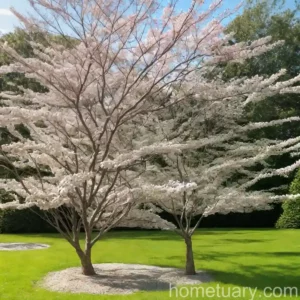
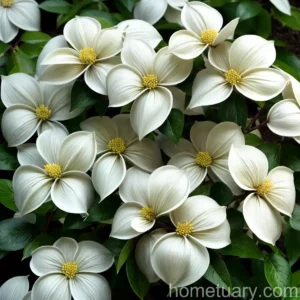
Seasonal Interest: Throughout the year, Tatarian Dogwood offers an ever-changing display of colors and textures. From the delicate white flowers in spring to the variegated foliage in summer, culminating in the vivid red twigs in winter, this shrub holds continuous appeal across the seasons.
With its exceptional attributes and year-round beauty, Tatarian Dogwood (Cornus alba ‘Gouchaultii’) stands out as a desirable ornamental plant with a wide range of uses in residential, commercial, and public landscapes.
Culture of Tatarian Dogwood
To cultivate Tatarian Dogwood successfully, it is crucial to understand its specific cultural requirements, including its needs for water, sunlight, fertilizer, soil, and pruning. By providing the optimal growing conditions, the plant can thrive and showcase its full ornamental potential.
Water
Tatarian Dogwood thrives in moderately moist soil and benefits from regular watering, particularly during its establishment phase. Adequate soil moisture is essential for the plant’s growth and vigor, especially during periods of hot, dry weather. However, it is important to avoid overwatering, as excessive moisture can lead to root rot and other detrimental effects. Once established, Tatarian Dogwood exhibits good drought tolerance, making it suitable for landscapes with periodic water scarcity.
Sunlight
In terms of sunlight requirements, Tatarian Dogwood flourishes in full sun to partial shade. While it can adapt to diverse light conditions, providing ample sunlight encourages robust growth, vibrant foliage colors, and an abundant display of winter twigs. When planted in partial shade, the shrub may exhibit slightly reduced vigor and a less pronounced display of its ornamental features, yet it can still thrive under these conditions.
Fertilizer
When it comes to fertilization, Tatarian Dogwood benefits from a balanced, slow-release fertilizer applied in early spring. The added nutrients support healthy growth, foliage development, and overall plant vitality. It is imperative to follow the manufacturer’s recommendations and avoid overfertilization, as excessive nutrient levels can have adverse effects on the plant’s health.
Soil
Tatarian Dogwood is adaptable to various soil types, but it prefers well-drained, fertile soil with a slightly acidic to neutral pH. Amending the soil with organic matter, such as compost or well-rotted manure, can enhance its nutrient content and water retention capacity. Moreover, ensuring good soil drainage is essential to prevent waterlogging, which can compromise the plant’s root health.
Pruning Tatarian Dogwood
Pruning plays a vital role in maintaining the health, shape, and aesthetic appeal of Tatarian Dogwood. Proper pruning techniques contribute to the plant’s longevity and optimize its ornamental attributes. Here are essential pruning tips for Tatarian Dogwood:
-
Timing: The best time to prune Tatarian Dogwood is during late winter to early spring, while the plant is still dormant. This period allows for clear visibility of the plant’s structure and facilitates the removal of damaged, diseased, or crossing branches.
-
Thinning: Thinning out congested or older branches helps improve air circulation within the shrub, reducing the risk of foliar diseases and promoting overall plant vigor. Selective thinning can also enhance the plant’s natural form and architectural appeal.
-
Renewal Pruning: Periodic renewal pruning, which involves the removal of one-third of the oldest stems near the base of the plant, rejuvenates Tatarian Dogwood and encourages the growth of vibrant, colorful twigs.
-
Disinfection: It is essential to sterilize pruning tools before and after use to prevent the spread of diseases between plants. Using a diluted solution of household disinfectant or rubbing alcohol can effectively sanitize the equipment.
By implementing these pruning practices, gardeners can ensure that Tatarian Dogwood maintains an attractive, healthy appearance while promoting its long-term vitality.
Propagation of Tatarian Dogwood
The propagation of Tatarian Dogwood can be achieved through several methods, including cuttings and seeds. Each approach offers unique advantages and considerations, allowing horticulturists to expand the presence of this valuable shrub in various landscapes.
Propagation from Cuttings
-
Softwood Cuttings: Softwood cuttings taken in late spring or early summer can be rooted in a well-draining propagation medium. By providing adequate moisture and warmth, the cuttings can develop roots and establish themselves as independent plants.
-
Hardwood Cuttings: Collected during the dormant season, hardwood cuttings are prepared from mature branches and are typically propagated in the following spring. These cuttings require patience and diligent care to ensure successful root development.
Propagation from Seeds
-
Seed Collection: The berries of Tatarian Dogwood mature in late summer and can be collected for seed propagation. It is important to extract the seeds from the berries and clean them thoroughly before sowing.
-
Stratification: To overcome seed dormancy, the extracted seeds are often stratified by subjecting them to a period of cold, moist conditions, mimicking the natural process the seeds undergo before germination in the wild.
By employing these propagation methods, enthusiasts and horticultural professionals can propagate Tatarian Dogwood effectively, contributing to the preservation and expansion of this exceptional shrub’s presence in various landscapes.
Uses of Tatarian Dogwood
Tatarian Dogwood offers a multitude of uses in landscaping, horticulture, and environmental enhancement, making it an invaluable addition to diverse outdoor spaces. Here are notable uses and applications of Tatarian Dogwood:
-
Hedging and Screening: With its dense growth habit and elegant appearance, Tatarian Dogwood serves as an excellent choice for creating formal or informal hedges, providing privacy, wind protection, and aesthetic appeal.
-
Border Planting: Planted as a border or edging shrub, Tatarian Dogwood delineates garden beds, pathways, and property boundaries, adding visual interest and structure to the landscape.
-
Mass Plantings: When utilized in mass plantings, Tatarian Dogwood forms striking visual displays, especially when the vibrant red twigs are showcased against a backdrop of snow or contrasting foliage.
-
Wildlife Shelter: The dense foliage and berry production of Tatarian Dogwood attract birds, providing them with food and shelter, while also supporting biodiversity in the surrounding environment.
-
Soil Erosion Control: Tatarian Dogwood’s root system offers effective soil stabilization, making it suitable for erosion-prone areas and slopes.
-
Winter Interest: The vivid red twigs of Tatarian Dogwood create eye-catching focal points in winter gardens, adding vibrant color and texture to the dormant landscape.
-
Container Gardening: Due to its refined appearance and manageable size, Tatarian Dogwood can be cultivated in large containers, enriching patios, balconies, and outdoor living spaces with its ornamental charm.
Tatarian Dogwood’s versatility and adaptability make it a valuable asset in diverse gardening and landscaping endeavors, offering aesthetic, ecological, and functional benefits to outdoor environments.
Common Diseases of Tatarian Dogwood
While Tatarian Dogwood is generally resilient to many common diseases, it can be susceptible to certain fungal infections and environmental stressors, especially when grown in suboptimal conditions. Awareness of potential diseases and their prevention measures is crucial for maintaining the plant’s health and vitality.
Disease Diagnosis and Prevention
-
Powdery Mildew: A common foliar disease, powdery mildew manifests as white, powdery spots on the leaves, often caused by high humidity and poor air circulation. To prevent powdery mildew, ensure proper spacing between plants, adequate air circulation, and avoid overhead watering.
-
Anthracnose: Anthracnose, characterized by dark, sunken lesions on leaves and twigs, can affect Tatarian Dogwood during periods of prolonged wet weather. Pruning to improve airflow and removing infected plant material can help control this disease.
-
Canker Diseases: Canker diseases may cause sunken, discolored areas on the bark and branches. Implementing proper pruning practices and maintaining plant vigor through adequate watering and soil management can reduce the risk of canker infections.
-
Root Rot: Excessive soil moisture and poor drainage may lead to root rot, causing wilting, yellowing leaves, and stunted growth. Well-draining soil and mindful watering practices aid in preventing this detrimental condition.
By closely monitoring Tatarian Dogwood for signs of disease, implementing preventative measures, and addressing any issues promptly, gardeners can safeguard the plant from common ailments and ensure its long-term well-being.
Common Pests Affecting Tatarian Dogwood
In addition to potential diseases, Tatarian Dogwood may encounter various insect pests that can impact its health and appearance. Recognizing the signs of infestation and employing targeted pest management strategies are essential for protecting the plant from detrimental insect damage.
Common Pests
-
Aphids: These small, sap-feeding insects may appear in large numbers and can cause distortion and discoloration of the leaves. Natural predators, such as ladybugs, lacewings, and parasitic wasps, can aid in controlling aphid populations.
-
Scale Insects: Scale insects, which often appear as immobile, waxy coverings on branches, can weaken the plant by feeding on its sap. Horticultural oils or insecticidal soaps can be used to manage scale infestations.
-
Borers: Borers are serious pests that tunnel into the wood of Tatarian Dogwood, causing structural damage and compromising the plant’s overall health. Preventive measures, such as maintaining plant vigor and promptly removing infested branches, are crucial for managing borers.
By carefully monitoring Tatarian Dogwood for signs of pest activity, utilizing targeted pest control methods, and promoting a balanced garden ecosystem, gardeners can effectively mitigate the impact of common pests on the plant’s well-being.
Botanist’s Tips for Growing Tatarian Dogwood
To ensure the successful cultivation and long-term health of Tatarian Dogwood, it is beneficial to consider the following expert tips from botanists and horticultural professionals:
-
Planting Location: Select a planting site with well-drained soil and sufficient sunlight, ensuring that the shrub has ample space to grow and showcase its ornamental features.
-
Mulching: Apply a layer of organic mulch, such as shredded bark or compost, around the base of the plant to conserve soil moisture, suppress weeds, and insulate the root zone.
-
Regular Watering: Provide consistent, moderate watering, especially during the plant’s establishment phase, while avoiding standing water or prolonged drought conditions.
-
Fertilization: Apply a balanced, slow-release fertilizer in early spring to provide essential nutrients for healthy growth and development.
-
Protection from Winter Damage: In regions with harsh winters, consider protecting Tatarian Dogwood from potential damage caused by heavy snow or ice accumulation by gently shaking off accumulated snow or providing temporary physical support for branches.
-
Monitoring and Maintenance: Regularly monitor the plant for signs of pests, diseases, or stress, and promptly address any issues through appropriate management practices.
By adhering to these botanical recommendations and practices, gardeners can foster the optimal growth and resilience of Tatarian Dogwood, enabling it to thrive in diverse gardening and landscaping settings.
Fun Facts about Tatarian Dogwood
Uncover captivating and noteworthy facts about Tatarian Dogwood that showcase its unique charm and remarkable characteristics:
-
Colorful Winter Twigs: Tatarian Dogwood is renowned for its vivid red twigs, which become particularly prominent during the winter months, adding a burst of color to the dormant landscape.
-
Wildlife Habitat: The berries produced by Tatarian Dogwood serve as a valuable food source for birds, attracting avian visitors and supporting local wildlife populations.
-
Distinctive Variegation: The variegated foliage of Tatarian Dogwood exhibits an enchanting blend of green, creamy white, and pink tones, creating a visually captivating display across the seasons.
-
Ornamental Appeal: Whether used as a standalone focal point or incorporated into mixed plantings, Tatarian Dogwood lends an elegant and dynamic presence to gardens and landscapes.
-
Cold Tolerance: Tatarian Dogwood is prized for its ability to withstand cold temperatures, making it suitable for regions with harsh winter climates.
These fun facts shed light on the exceptional allure and ecological significance of Tatarian Dogwood, underscoring its multifaceted appeal in the horticultural and environmental spheres.
Links to External Resources
For further exploration of Tatarian Dogwood (Cornus alba ‘Gouchaultii’), the following external resources offer valuable insights, cultivation guidance, and horticultural information:
- The Spruce: Tatarian Dogwood – Plant Profile and Growing Guide
- Missouri Botanical Garden: Cornus alba ‘Gouchaultii’
- Royal Horticultural Society: Dogwood (Cornus alba and C. sanguinea)
- University of Florida IFAS Extension: Tatarian Dogwood
- North Carolina State University Extension: Tatarian Dogwood for the Home Landscape
By accessing these resources, gardeners and plant enthusiasts can delve deeper into the cultivation, care, and appreciation of Tatarian Dogwood, expanding their knowledge and enhancing their gardening endeavors.
In conclusion, Tatarian Dogwood (Cornus alba ‘Gouchaultii’) is a captivating and versatile ornamental shrub that enriches landscapes with its variegated foliage, vibrant twigs, and year-round aesthetic appeal. Through an understanding of its cultural requirements, uses, propagation methods, and maintenance practices, gardeners can harness the full potential of this remarkable plant, infusing beauty and ecological benefits into outdoor spaces. With its vibrant colors, wildlife value, and adaptability, Tatarian Dogwood stands as an esteemed asset in horticulture and landscape design, captivating hearts and enlivening environments with its enduring charm.