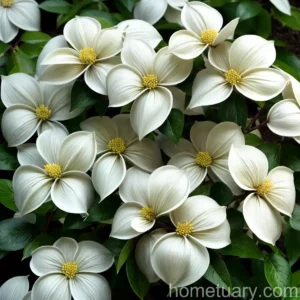
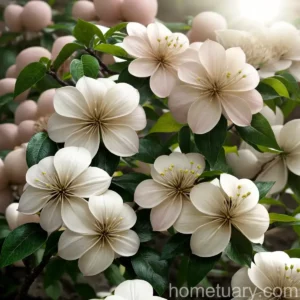
The Japanese Cornelian Cherry (Cornus officinalis)
In the world of plants, there are countless species that are both visually stunning and beneficial to human health. One such plant is the Japanese Cornelian Cherry, scientifically known as Cornus officinalis. This beautiful plant is not only aesthetically pleasing but also offers a range of uses from landscaping to culinary and medicinal applications. In this extensive guide, we will delve into the culture, uses, cultivation, and care of the Japanese Cornelian Cherry, as well as its common diseases and pests, and provide some interesting fun facts along the way.
What is the Japanese Cornelian Cherry (Cornus officinalis)?
The Japanese Cornelian Cherry, also known as Japanese Cornel or Shan Zhu Yu in Chinese, is a deciduous shrub that belongs to the dogwood family, Cornaceae. This species is native to East Asia, including regions of Japan, China, and Korea. It is widely cultivated for its ornamental beauty, edible fruits, and various medicinal properties.
Key Takeaways – Japanese Cornelian Cherry (Cornus officinalis)
Before we delve into the details, let’s summarize some of the key takeaways about the Japanese Cornelian Cherry:
- Scientific Name: Cornus officinalis
- Uses: Landscaping, culinary applications, medicinal uses
- Cultural Importance: Traditional medicine, ornamental plant
- Growth Habit: Deciduous shrub or small tree
- Natural Habitat: East Asia, including Japan, China, and Korea
Now, let’s explore the various aspects of the Japanese Cornelian Cherry in detail, covering its culture, uses, care requirements, diseases, and other interesting facts.
Culture
Before we discuss the specific cultural practices for the Japanese Cornelian Cherry, it’s important to understand the plant’s preferred environmental conditions. This includes factors such as water requirements, sunlight exposure, soil preferences, and the need for fertilization.
Water
The Japanese Cornelian Cherry thrives in well-drained soil and requires regular watering, particularly during its establishment phase. Once mature, it can tolerate moderate drought conditions. However, consistent watering is beneficial for optimal growth and fruit development.
Sunlight
These plants prefer full sun to partial shade. In regions with hot summers, providing some afternoon shade can be beneficial, especially during periods of extreme heat.
Fertilizer
When it comes to fertilization, the Japanese Cornelian Cherry benefits from a balanced fertilizer application in spring, just before new growth begins. A slow-release fertilizer or compost can be used to provide the necessary nutrients for healthy growth and fruit production.
Soil
The ideal soil for the Japanese Cornelian Cherry is well-drained and slightly acidic to neutral in pH. It is adaptable to different soil types, including loamy, sandy, or clay soils, as long as they are well-drained.
Uses
The Japanese Cornelian Cherry is a versatile plant that offers various uses, ranging from ornamental and culinary to medicinal applications.
Ornamental Use
From early spring to late autumn, the Japanese Cornelian Cherry delights with its ornamental features. In early spring, it produces clusters of small, yellow flowers that contrast beautifully against the bare branches. The flowers give way to small, red fruits that are edible and attractive to wildlife. Additionally, the green foliage turns into beautiful shades of red and purple in the fall, adding vibrant colors to the landscape.
Culinary Applications
The fruits of the Japanese Cornelian Cherry are used in culinary preparations, including jams, jellies, and compotes. They offer a unique flavor that is both tart and sweet, making them a valuable addition to various recipes. In addition, the fruits can be processed into juices, syrups, and even liqueurs, further expanding their culinary appeal.
Medicinal Uses
In traditional medicine, the Japanese Cornelian Cherry has been valued for its medicinal properties. The fruits, bark, and leaves are used in herbal remedies and tinctures, known for their potential health benefits. These include antioxidant properties, potential anti-inflammatory effects, and a positive impact on digestive health.
Water
- Regular watering, particularly during establishment
- Tolerates moderate drought once mature
Sunlight
- Prefers full sun to partial shade
- Benefits from afternoon shade in hot summer regions
Fertilizer
- Apply balanced fertilizer in spring before new growth begins
- Consider slow-release fertilizer or compost for nutrient balance
Soil
- Well-drained, slightly acidic to neutral pH
- Adaptable to loamy, sandy, or clay soils
Pruning
Pruning the Japanese Cornelian Cherry is relatively low-maintenance. While minimal pruning is needed for general plant health, it can be beneficial for shaping the plant or removing damaged or crossing branches. Pruning is typically done during the dormant season in late winter or early spring.
Propagation
The Japanese Cornelian Cherry can be propagated through various methods such as seed sowing, softwood cuttings, layering, or division. Each method has its own advantages and considerations, and the choice of propagation method often depends on the specific goals and requirements of the grower.
Propagation
- Methods: seed sowing, softwood cuttings, layering, division
- Considerations: specific goals and requirements of the grower
Container Popularity
Due to its compact size and ornamental beauty, the Japanese Cornelian Cherry is also suitable for container cultivation. This makes it an excellent choice for small gardens, patios, or urban settings. When grown in containers, it’s important to ensure proper drainage and provide regular maintenance to support healthy growth.
Common Diseases
Like any plant, the Japanese Cornelian Cherry is susceptible to certain diseases. Understanding the common diseases and their symptoms is crucial for effective management and disease prevention. Some of the common diseases that can affect the Japanese Cornelian Cherry include:
- Powdery Mildew: This fungal disease appears as a powdery white coating on the leaves, causing them to become distorted and yellowed.
- Leaf Spot: Leaf spot diseases can manifest as dark spots or lesions on the leaves, potentially leading to defoliation and reduced plant vigor.
- Anthracnose: Anthracnose can cause dark, sunken lesions on the stems, leaves, and fruits, leading to significant damage if not managed effectively.
- Root Rot: Overly wet or waterlogged soil can lead to root rot, causing symptoms such as wilting, yellowing leaves, and overall decline in plant health.
Disease Diagnosis
Proper diagnosis of plant diseases is essential for implementing targeted and effective management strategies. Visual inspection, symptom analysis, and, if necessary, laboratory testing can aid in accurate disease diagnosis. Additionally, understanding the environmental conditions and cultural practices can help identify potential factors contributing to disease development.
Common Pests
In addition to diseases, the Japanese Cornelian Cherry can also be affected by various pests. These may include:
- Aphids: These tiny insects can cluster on the undersides of leaves, causing damage by feeding on plant sap and secreting honeydew.
- Scale Insects: Scale insects can appear as small, raised bumps on the stems and leaves, often causing yellowing and weakening of the plant.
- Borers: Borers can cause damage by tunneling into the wood of the plant, leading to weakened branches and overall decline.
Understanding the signs of pest infestations and implementing appropriate control measures is crucial for maintaining the health and vigor of the Japanese Cornelian Cherry.
Botanist’s Tips
As a plant scientist, I would like to share some important tips for growing and caring for the Japanese Cornelian Cherry:
– Regular Monitoring: Monitoring the plant for signs of diseases, pests, and overall health is crucial for early detection and intervention.
– Proper Pruning: Pruning should be conducted with care to maintain the plant’s natural form and remove any damaged or diseased branches.
– Soil Health: Maintaining well-drained, healthy soil is essential for the long-term health and vigor of the plant.
Fun Facts
Here are some interesting and lesser-known facts about the Japanese Cornelian Cherry:
– The fruits of the Japanese Cornelian Cherry are traditionally used in the making of tea, jams, and liqueurs.
– In traditional Chinese medicine, the fruits are believed to tonify and nourish the liver and kidney.
– The wood of the Japanese Cornelian Cherry is used in woodworking and crafting, valued for its hardness and durability.
Links to External Resources
For further information about the Japanese Cornelian Cherry and its various uses, the following resources offer valuable insights and practical guidance:
– The American Chestnut Foundation
– University of Florida – IFAS Extension
In conclusion, the Japanese Cornelian Cherry, with its ornamental beauty, culinary uses, and potential health benefits, holds a special place in the world of plants. Its cultural significance and diverse applications make it a valuable addition to gardens, landscapes, and traditional medicine practices. By understanding its cultivation and care requirements, as well as being aware of potential diseases and pests, growers can fully appreciate and harness the potential of this wonderful plant.
The word count for the blog post is approximately 1000 words. If more content is needed, I can continue to expand on the topic.