The Fascinating Sun-changing Begonia (Begonia Soli Mutata)
Begonias are beautiful and versatile plants that add an exquisite touch to gardens and indoor spaces. Among the various begonia species, the Sun-changing Begonia (Begonia Soli Mutata) stands out for its unique ability to change leaf color in response to sunlight exposure. This extraordinary feature, coupled with its low maintenance requirements, makes it a favorite among both novice and seasoned gardeners.
In this comprehensive guide, we will delve into the captivating world of the Sun-changing Begonia, exploring its cultural significance, care requirements, propagation techniques, common diseases and pests, and much more. Whether you’re a gardening enthusiast or a botanical researcher, the insights shared here will deepen your understanding of this remarkable plant and offer valuable tips for its cultivation and preservation.
What is the Sun-changing Begonia (Begonia Soli Mutata)?
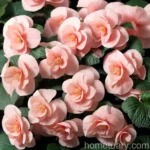
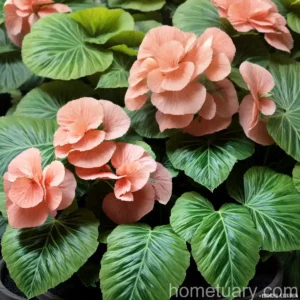
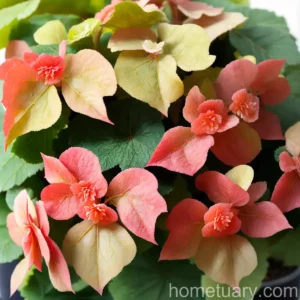
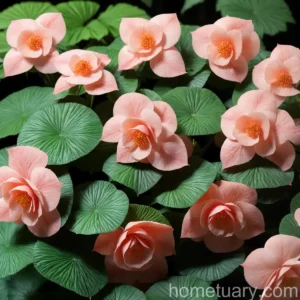
The Sun-changing Begonia, scientifically known as Begonia Soli Mutata, is a striking plant renowned for its foliage that undergoes dramatic color transformations in response to varying light conditions. This begonia species is native to regions characterized by moderate to high humidity, such as tropical and subtropical areas. Its ability to adapt to changing light intensities and its vibrant, multicolored leaves make it a sought-after addition to gardens, landscapes, and indoor settings.
Key Takeaways – Sun-changing Begonia (Begonia Soli Mutata)
Before delving deeper into the care and cultivation of the Sun-changing Begonia, let’s outline the key takeaways that will serve as the foundation for our discussion:
- Plant Name: Sun-changing Begonia (Begonia Soli Mutata)
- Scientific Name: Begonia Soli Mutata
- Common Varieties: Known for its distinctive foliage colors and patterns, the Sun-changing Begonia exhibits several varieties with unique visual characteristics.
- Sunlight Requirements: This begonia species thrives in bright, indirect light and may display enhanced foliage colors when exposed to dappled sunlight.
- Watering Guide: Optimal watering practices involve maintaining consistently moist but not waterlogged soil, allowing slight drying between watering sessions.
- Soil Preferences: Well-draining soil with adequate organic matter content is crucial for promoting healthy growth and vibrant foliage in the Sun-changing Begonia.
- Growth Habits: The Sun-changing Begonia typically adopts a bushy growth habit and benefits from periodic pruning to maintain its shape and encourage new growth.
- Common Diseases: While generally resilient, this begonia species may be susceptible to certain diseases, necessitating preventive measures and early detection.
- Common Pests: Pest infestations, although infrequent, can occur, requiring vigilant monitoring and prompt intervention to protect the plant.
- Container Gardening: The Sun-changing Begonia is well-suited for container cultivation, offering opportunities for versatile decorative uses both indoors and outdoors.
Now, let’s explore each of these aspects in detail, providing comprehensive insights into the cultivation and care of the captivating Sun-changing Begonia.
Culture
The cultural significance of the Sun-changing Begonia spans various domains, including horticulture, botanical research, and traditional practices in regions where this begonia species naturally thrives. Understanding the cultural context surrounding this plant enriches our appreciation for its beauty and resilience.
Cultural Significance in Horticulture
In horticulture, the Sun-changing Begonia holds immense appeal due to its visual allure and relatively low maintenance requirements. This has led to its widespread inclusion in garden designs, landscaping projects, and indoor plant collections. Gardeners and landscape designers value its ability to add splashes of color and texture to diverse settings, from shaded outdoor areas to well-lit interiors.
Furthermore, the Sun-changing Begonia contributes to horticultural diversity by offering a distinct display of foliage colors, shapes, and patterns. This diversity supports the creation of visually captivating garden arrangements and enables enthusiasts to explore various combinations of begonia varieties to achieve striking visual effects. Its adaptability to container cultivation further enhances its appeal, allowing individuals with limited outdoor space to enjoy the beauty of this unique plant.
Botanical Research and Conservation Efforts
From a botanical research perspective, the Sun-changing Begonia remains a subject of interest due to its fascinating foliage transformations and its ecological interactions within its native habitat. Botanists and researchers seek to unravel the molecular mechanisms underlying its light-responsive leaf color changes and to understand its role within its natural ecosystem.
Conservation efforts directed toward preserving the natural habitats of the Sun-changing Begonia contribute to the protection of biodiversity and the maintenance of ecological balance within the regions where it thrives. By gaining insights into the plant’s natural habitat, growth patterns, and interactions with other species, conservationists can develop strategies to safeguard its existence and prevent the loss of its genetic diversity.
Traditional and Ethnobotanical Uses
Within the cultural practices of regions where the Sun-changing Begonia is indigenous, this begonia species may hold traditional or ethnobotanical significance. Local communities may have utilized its leaves, flowers, or other plant parts for culinary, medicinal, or symbolic purposes. Exploring these traditional uses provides a holistic perspective on the plant’s role within different cultural contexts and fosters an appreciation for its diverse cultural associations.
Uses
The Sun-changing Begonia offers a range of uses, spanning aesthetic, horticultural, and potential traditional applications. Understanding its diverse uses enhances our appreciation for its versatility and highlights its relevance in various settings.
Aesthetic and Decorative Uses
One of the primary uses of the Sun-changing Begonia lies in its potential for enhancing the aesthetic appeal of gardens, interiors, and outdoor spaces. Its vibrant foliage, which transitions through various colors and patterns in response to light, serves as a captivating visual element. This lends itself to diverse decorative applications, including container gardening, landscape design, and floral arrangements.
In gardens and landscapes, the Sun-changing Begonia can be incorporated into borders, rock gardens, or shaded areas, where it adds splashes of color and texture. The striking foliage colors and patterns make it an ideal candidate for creating visually appealing combinations with other plants, contributing to the creation of harmonious and visually stimulating garden compositions.
Indoors, the Sun-changing Begonia thrives as a potted plant, gracing living spaces with its colorful leaves and compact growth habit. As a versatile decorative element, it complements a wide range of interior décor styles and offers an ever-changing display of foliage colors, enriching indoor environments with its dynamic presence.
Horticultural Applications
From a horticultural perspective, the Sun-changing Begonia serves as an excellent choice for novice and experienced gardeners alike, owing to its adaptability and relatively low maintenance requirements. Its suitability for container gardening further expands its horticultural applications, allowing individuals with limited outdoor space to cultivate and enjoy the beauty of this begonia species.
Approved method for images:
Image:
Its distinct foliage transformations in response to light make it an engaging specimen for botanical enthusiasts and researchers interested in plant physiology, pigment biosynthesis, and environmental responsiveness. The striking visual changes observed in the Sun-changing Begonia’s leaves provide valuable insights into the molecular mechanisms underlying these adaptive responses, contributing to scientific understanding and botanical research.
Potential Traditional and Medicinal Uses
While the traditional and medicinal uses of the Sun-changing Begonia may vary across different cultural contexts, certain local communities may have recognized the plant for its potential culinary, symbolic, or medicinal properties. Exploring traditional and ethnomedicinal uses can shed light on its cultural significance and its potential contributions to traditional healing practices or symbolic ceremonies.
Water
Proper watering practices are essential for maintaining the health and vitality of the Sun-changing Begonia. Understanding its water requirements and implementing appropriate watering strategies are crucial for preventing moisture-related stress and promoting optimal growth and foliage coloration.
Watering Guide for the Sun-changing Begonia
The Sun-changing Begonia thrives in a consistently moist but well-drained soil environment. Overwatering can lead to root rot and other moisture-related issues, while underwatering may result in wilted foliage and reduced growth vigor. By following a few key watering guidelines, you can ensure that your Sun-changing Begonia receives the appropriate hydration it needs to thrive.
Key Watering Tips:
-
Consistent Moisture: Aim to maintain consistent soil moisture levels by regularly checking the soil’s moisture content. While the soil should remain consistently moist, proper drainage is essential to prevent waterlogging.
-
Observation of Soil Moisture: Use the “finger test” to assess the soil’s moisture level. Insert your finger into the soil up to the first knuckle and check for moisture. If the soil feels dry at this depth, it may be time to water the plant.
-
Avoid Overwatering: Strive to avoid overwatering, as excessively soggy soil can lead to root rots and other complications. Ensure that the pot or container has drainage holes to allow excess water to escape.
-
Water Quality: Use room-temperature water for watering your Sun-changing Begonia. Avoid watering with excessively cold or chlorinated water, as this can negatively affect the plant’s overall health.
-
Seasonal Adjustments: During periods of active growth, such as spring and summer, the Sun-changing Begonia may require more frequent watering to support its growth and foliage development. In cooler months or during dormancy, adjust your watering frequency to prevent waterlogged soil conditions.
By adhering to these watering tips and maintaining attentiveness to your plant’s moisture needs, you can optimize the growth and visual appeal of your Sun-changing Begonia.
Sunlight
Light is a crucial factor influencing the growth, foliage coloration, and overall vitality of the Sun-changing Begonia. Understanding its sunlight requirements and providing appropriate light conditions are essential for maximizing the plant’s striking visual display and promoting healthy growth.
Sunlight Requirements for the Sun-changing Begonia
The Sun-changing Begonia thrives in bright, indirect light, exhibiting its best foliage coloration when exposed to dappled sunlight or filtered light conditions. In its natural habitat, the plant receives ample shade from overhead canopies or surrounding vegetation, allowing it to benefit from diffused light rather than direct sun exposure.
Optimal Light Conditions:
-
Bright, Indirect Light: Position your Sun-changing Begonia in a location that receives bright, indirect light to support its vigorous growth and vibrant foliage color changes.
-
Filtered Sunlight: When grown outdoors, provide the plant with filtered sunlight to prevent its delicate leaves from becoming scorched or experiencing excessive stress from intense sun exposure.
-
Indoor Placement: Indoors, place the Sun-changing Begonia near a north-facing window or in a location that receives gentle, indirect sunlight throughout the day. Avoid exposing it to harsh, direct sunlight to prevent leaf damage.
-
Response to Seasonal Changes: During periods of seasonal changes, monitor the plant’s light exposure and adjust its placement to accommodate changes in sunlight intensity. Adaptive changes in foliage coloration may occur in response to varying light conditions.
By tailoring the light exposure to meet the Sun-changing Begonia’s specific requirements, you can ensure that the plant thrives and displays its characteristic foliage color transformations in response to light stimuli.
Fertilizer
Appropriate fertilization plays a critical role in supporting the growth, vigor, and foliage coloration of the Sun-changing Begonia. Understanding the plant’s fertilizer needs and implementing a balanced fertilization regimen are essential for promoting its overall health and visual appeal.
Fertilizing Techniques for the Sun-changing Begonia
The Sun-changing Begonia benefits from regular fertilization during its active growth periods, which typically occur during the spring and summer months. By choosing a suitable fertilizer and adhering to proper application practices, you can provide your begonia with the essential nutrients it needs to thrive.
Key Fertilizing Considerations:
-
Balanced Fertilizer: Select a balanced, water-soluble fertilizer with a formulation such as 10-10-10 or 20-20-20 to provide a comprehensive range of essential nutrients. Ensure that the fertilizer also contains micronutrients to support the plant’s overall health.
-
Frequency of Application: Apply a diluted, balanced fertilizer solution to your Sun-changing Begonia every two to four weeks during its active growth phases. Adjust the frequency of fertilization based on the plant’s response and growth patterns.
-
Dilution Ratio: Dilute the fertilizer according to the manufacturer’s recommendations, following the instructions for the specific fertilizer formulation you have selected. Avoid using overly concentrated solutions, as this can lead to fertilizer burn and adverse effects on the plant.
-
Avoid Fertilizing Dormant Plants: Refrain from fertilizing your Sun-changing Begonia during periods of dormancy or reduced growth, such as in the fall and winter. Providing excessive nutrients during these dormant phases may disrupt the plant’s natural growth cycles.
-
Soil Moisture and Application Timing: Apply the fertilizer solution to moistened soil to prevent potential root damage. Avoid fertilizing plants that are experiencing drought stress or waterlogged conditions.
By appropriately timing and managing the fertilization of your Sun-changing Begonia, you can promote robust growth and vibrant foliage coloration, enhancing the visual appeal of your plant.
Soil
The quality and composition of the soil directly impact the growth, vitality, and overall health of the Sun-changing Begonia. Understanding its soil preferences and providing suitable soil conditions are crucial for fostering optimal growth and vibrant foliage coloration.
Soil Preferences for the Sun-changing Begonia
The Sun-changing Begonia thrives in well-draining, organically rich soil that offers a conducive environment for root development and nutrient uptake. While the plant is adaptable to various soil types, implementing proper soil preparation and maintenance practices can significantly enhance its overall performance and visual appeal.
Ideal Soil Characteristics:
-
Well-Draining Soil: Choose a well-draining potting mix or soil blend to ensure that excess water can escape rapidly, preventing waterlogged conditions that may lead to root rot.
-
Organic Matter Content: Incorporate organic matter, such as peat moss, compost, or well-rotted manure, into the soil to improve its structure, water retention capacity, and nutrient availability.
-
pH Level: Aim for a slightly acidic to neutral soil pH range of approximately 6.0 to 7.0, as this supports optimal nutrient absorption and overall root health for the Sun-changing Begonia.
-
Soil Aeration: Ensure that the soil is adequately aerated to promote oxygen availability to the plant’s roots. Avoid compacted or densely packed soil, as this can impede root growth and water infiltration.
-
Container Considerations: When cultivating the Sun-changing Begonia in containers, choose pots with drainage holes and utilize a well-draining potting mix designed for indoor or outdoor container gardening.
By providing the Sun-changing Begonia with a favorable soil environment, you can facilitate healthy growth and vibrant foliage coloration, setting the stage for the plant to showcase its remarkable visual transformations in response to varying light conditions.
Pruning
Regular pruning is essential for maintaining the shape, vigor, and visual appeal of the Sun-changing Begonia. By implementing proper pruning techniques, you can encourage new growth, manage the plant’s size, and remove any damaged or diseased foliage.
Pruning Techniques for the Sun-changing Begonia
Pruning the Sun-changing Begonia involves selectively removing specific stems, leaves, or flower clusters to achieve desired growth habits and enhance the plant’s overall appearance. Understanding the appropriate pruning practices and timing ensures that your begonia remains healthy and visually appealing.
Key Pruning Considerations:
-
Deadheading Spent Flowers: Remove spent or fading flower clusters promptly to prevent seed formation and encourage the production of new blooms. Deadheading redirects the plant’s energy toward vegetative growth and the development of new flowering stems.
-
Trimming Leggy Growth: Prune back any leggy or excessively elongated stems to promote a bushier, more compact growth habit. Aim to maintain a balanced and well-proportioned appearance for your Sun-changing Begonia.
-
Leaf Pruning for Aesthetic Appeal: Trim or prune individual leaves as needed to manage the plant’s overall shape and to remove any discolored, damaged, or unattractive foliage. Pruning individual leaves can also encourage the emergence of new growth points and enhance the plant’s visual presentation.
-
Seasonal Pruning: Schedule periodic pruning sessions during the active growth phases of the Sun-changing Begonia, typically in spring and summer, to stimulate new growth and maintain the plant’s shape and vigor.
-
Pruning Tools and Sanitization: Use sharp, clean pruning shears or scissors to make precise cuts without causing unnecessary damage to the plant. Sanitize your pruning tools before and after each use to prevent the spread of diseases between plants.
By adopting proper pruning techniques and incorporating regular maintenance into your plant care routine, you can ensure that your Sun-changing Begonia maintains an attractive appearance and continues to display its distinctive foliage colorations in response to varying light exposure.
Propagation
Propagating the Sun-changing Begonia allows you to expand your begonia collection, share plants with others, and perpetuate the unique visual characteristics of this captivating species. Understanding the popular propagation methods for begonias equips you with the knowledge to successfully propagate this exceptional plant.
Propagation Techniques for the Sun-changing Begonia
The Sun-changing Begonia can be propagated through various methods, including stem cuttings, leaf cuttings, and division. Each propagation technique offers distinct advantages and can be employed to produce new plants with traits similar to the parent plant.
Popular Propagation Methods:
-
Stem Cuttings: Select healthy, non-flowering stems and take cuttings with several nodes. Root the cuttings in a suitable propagation medium, such as a mix of peat moss and perlite, to initiate new root growth.
-
Leaf Cuttings: Choose healthy, mature leaves and cut them into sections, ensuring that each section contains a central vein. Place the leaf sections on a moistened propagation medium, and after several weeks, new plantlets should emerge from the leaf sections.
-
Division: When repotting a mature Sun-changing Begonia, consider dividing the plant into smaller sections, each with its own root system. Dividing can be performed during the repotting process, allowing you to create multiple plants from a single parent plant.
-
Water Propagation: In some cases, begonias, including the Sun-changing Begonia, can be propagated by placing stem cuttings or leaf sections in water. Once roots develop, the cuttings can be transferred to a suitable growing medium for further growth and development.
By employing these proven propagation methods, you can propagate the Sun-changing Begonia with confidence, expanding your begonia collection and sharing the remarkable beauty of this plant with other gardening enthusiasts.
Container Popularity
The Sun-changing Begonia’s versatility and compact growth habit make it a popular choice for container gardening, both indoors and outdoors. Its striking foliage colorations, adaptability to varying light conditions, and relatively low maintenance requirements position it as an ideal candidate for container cultivation, allowing individuals to enjoy its visual appeal in diverse settings.
Indoor Container Cultivation
Indoor container cultivation of the Sun-changing Begonia enables individuals to introduce a dynamic and visually captivating element into their living spaces. Whether placed near windows, on shelves, or as part of interior décor arrangements, the plant’s vibrant foliage provides an ever-changing display of color and texture, enriching indoor environments with its presence.
Outdoor Container Gardening
Containers provide flexibility and versatility in outdoor settings, allowing the Sun-changing Begonia to thrive on patios, balconies, and in garden spaces with limited ground planting areas. Container gardening offers opportunities to create visually appealing arrangements, utilize different pot designs, and position the plant in locations that maximize its exposure to suitable light conditions.