Begonia ‘Benitochiba’ (Rex Begonia)
Begonia ‘Benitochiba’, commonly known as Rex Begonia, is a striking and widely admired plant appreciated for its unique foliage and versatility. The “Rex”.
Introduction to Begonia ‘Benitochiba’ (Rex Begonia)
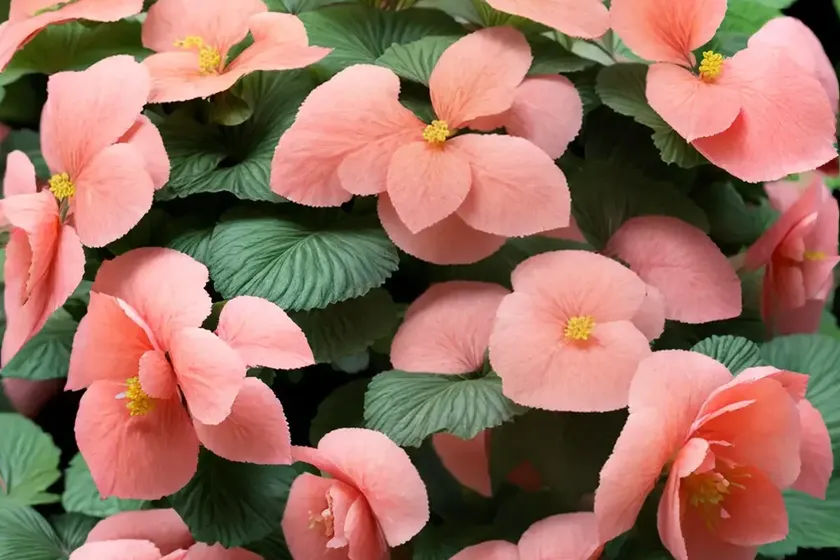
Begonia ‘Benitochiba’, commonly known as Rex Begonia, is a striking and widely admired plant appreciated for its unique foliage and versatility. The “Rex” in its name signifies its royal appearance and elegantly patterned leaves. This cultivar is known for its vibrant and multi-colored foliage, making it a popular choice among plant enthusiasts seeking to add a touch of elegance to their indoor and outdoor spaces.
Renowned for its adaptability and relatively low maintenance requirements, Begonia ‘Benitochiba’ has garnered a devoted following among both novice and experienced gardeners. This comprehensive guide will delve into the intricacies of caring for this stunning plant, exploring its cultural requirements, common uses, propagation methods, and tips for maintaining its health and vigor.
Key Takeaways – Begonia ‘Benitochiba’ (Rex Begonia)
Before we delve deeper into the specifics of growing and caring for Begonia ‘Benitochiba’, it’s essential to highlight the key takeaways for enthusiasts considering this captivating plant:
- Cultural Requirements: Begonia ‘Benitochiba’ thrives in environments with consistent moisture and filtered sunlight, making it ideally suited for indoor settings or shaded outdoor areas.
- Seamless Propagation: This cultivar can be propagated through leaf or stem cuttings, offering a straightforward method for expanding your collection.
- Vibrant Foliage: The striking and variegated foliage of Begonia ‘Benitochiba’ serves as a focal point in any setting, elevating the visual appeal of gardens, interiorscapes, and landscapes.
- Low Maintenance: With proper care, this variety of Begonia exhibits resilience and requires minimal intervention, catering to individuals seeking low-maintenance plant companions.
Now that we’ve outlined the fundamental aspects of Begonia ‘Benitochiba’, let’s embark on a comprehensive exploration of its culture, uses, care requirements, and guidelines for tending to its health and vitality.
1. What is Begonia ‘Benitochiba’?
Description
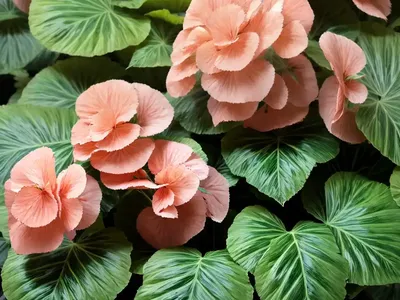
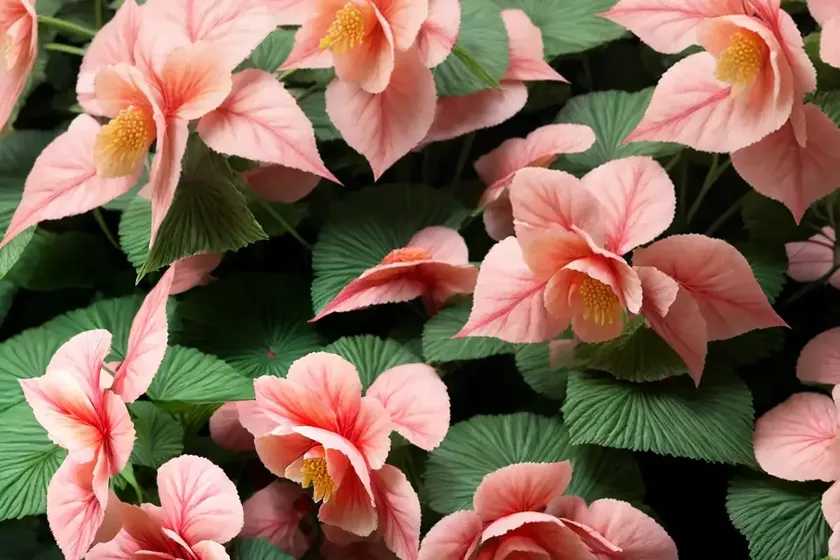
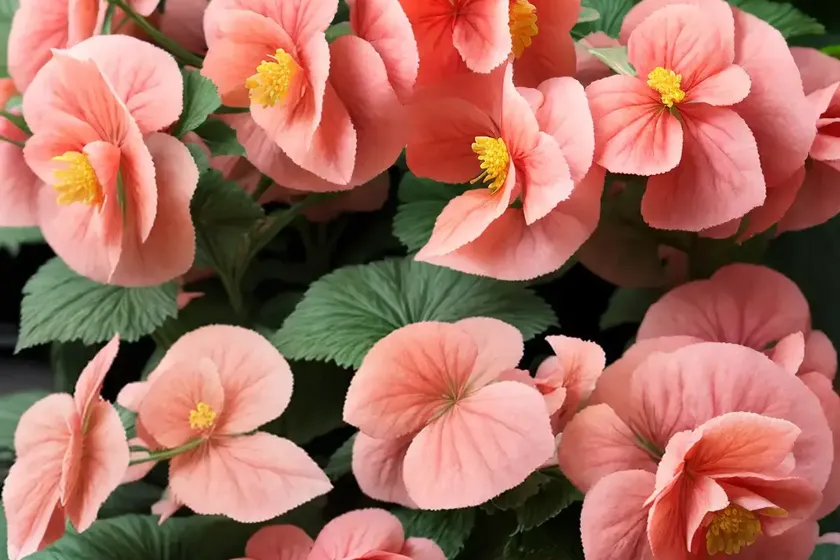
Begonia ‘Benitochiba’, colloquially known as Rex Begonia, is a cultivar admired for its ornate and intricately designed leaves. Its leaves feature a kaleidoscope of colors, often displaying a striking combination of silver, pink, purple, and green shades. These colors are often complemented by a shimmering sheen, further enhancing the plant’s visual allure.
The leaves of Begonia ‘Benitochiba’ are characterized by their asymmetrical and asymmetrically lobed structure, contributing to the cultivar’s distinctive appearance. In addition to the variety seen in leaf coloration, the plant’s foliage may also exhibit dramatic patterns, including spirals, swirls, and intricate veining, adding to its aesthetic appeal.
Botanical Classification
Begonia ‘Benitochiba’ belongs to the Begoniaceae family, which encompasses a diverse array of plant species known for their ornamental value. Within this family, Begonia is renowned for its extensive assortment of hybrids and cultivars, highlighting its horticultural significance.
The correct botanical nomenclature for Begonia ‘Benitochiba’ would be “Begonia rex-cultorum ‘Benitochiba'”, with the term “rex-cultorum” indicating that it is a cultivated variety. This distinction emphasizes the plant’s status as a cultivated form of the species, further underscoring its appeal and relevance in horticulture.
Origin
The history of Begonia ‘Benitochiba’ can be traced back to its origins in tropical regions, where Begonia species are known to thrive in the humid and shaded environs of tropical forests. This lineage has contributed to the cultivar’s preference for environments characterized by consistent moisture and filtered light, aligning with its tropical ancestry.
Additionally, the cultivar’s development and refinement owe much to the ongoing efforts of breeders and horticulturalists dedicated to enhancing the aesthetic and horticultural qualities of Begonia species. Through selective breeding and hybridization, unique cultivars such as Begonia ‘Benitochiba’ have emerged, captivating plant enthusiasts with their captivating foliage.
Common Varieties
Before discussing the specifics of Begonia ‘Benitochiba’, it’s important to acknowledge that the Begonia genus encompasses a vast array of cultivars and varieties. While ‘Benitochiba’ is revered for its distinctive leaf patterns and variegation, several other varieties of Rex Begonias exist, each distinguished by its unique foliage characteristics and growth habits.
Some notable varieties within the Rex Begonia category include:
- Begonia ‘Escargot’: Recognized for its spiral-shaped leaves, featuring an enchanting spiral pattern and vibrant coloration.
- Begonia ‘Tiger Kitten’: Renowned for its tiger-stripe patterns, intertwining shades of green, silver, and burgundy to create a visually striking display.
- Begonia ‘Marmaduke’: Celebrated for its large, striking leaves adorned with a captivating mosaic of colors, offering an eye-catching addition to any collection.
- Begonia ‘Fireworks’: Notable for its dazzling and multicolored foliage resembling a burst of fireworks, captivating the attention of admirers.
These varieties serve to underscore the astonishing diversity within the Rex Begonia category, offering a myriad of options for individuals drawn to the captivating allure of these plants.
2. Culture
Water
Watering Frequency: Begonia ‘Benitochiba’ thrives in environments with consistently moist soil. As such, it is essential to maintain a regular watering schedule to ensure that the plant’s root zone remains adequately hydrated. However, it is vital to avoid waterlogged conditions, as excessive moisture can lead to root rot and other complications.
Moisture Retention: Given the cultivar’s affinity for moist conditions, employing well-draining potting media is crucial to strike a balance between water retention and aeration for the roots. This can be achieved by incorporating a blend of peat moss, perlite, and pine bark into the potting mix, facilitating optimal drainage while retaining ample moisture.
Monitoring Moisture Levels: Assessing the moisture content of the soil through regular checks is instrumental in preventing water-related issues. By utilizing a simple moisture meter or conducting manual checks by inserting a finger into the soil, one can gauge the soil’s moisture levels and adjust the watering frequency accordingly.
Sunlight
Light Requirements: Begonia ‘Benitochiba’ flourishes in settings with filtered or indirect sunlight, making it particularly well-suited for growing indoors. When cultivated outdoors, it thrives in shaded areas or regions with dappled sunlight, shielding it from prolonged exposure to intense, direct sunlight.
Indoor Placement: Indoors, positioning the plant near east or north-facing windows can provide the ideal balance of light, enabling it to bask in the gentle rays without being subjected to the harsh effects of direct, midday sun.
Outdoor Considerations: When situated outdoors, it is advisable to shield the plant from the full force of the sun, potentially positioning it beneath a canopy of trees or in areas where it receives filtered sunlight throughout the day.
Fertilizer
Nutritional Requirements: To support the growth and vigor of Begonia ‘Benitochiba’, providing a balanced and diluted fertilizer solution can help supply the plant with essential nutrients. Opting for a water-soluble, balanced fertilizer formulated specifically for houseplants can cater to the cultivar’s nutritional needs.
Fertilizing Frequency: During the growing season, which typically spans from spring to early fall, fertilizing Begonia ‘Benitochiba’ every two to four weeks can be beneficial in bolstering its overall health and promoting robust foliage development.
Adequate Dilution: When applying fertilizer, it is imperative to dilute the solution according to the manufacturer’s recommendations, thereby preventing the risk of over-fertilization, which can have adverse effects on the plant’s well-being.
Soil
Potting Medium: Begonia ‘Benitochiba’ thrives in a well-aerated yet moisture-retentive potting mix, making a blend of peat moss, perlite, and pine bark an excellent choice for cultivating this cultivar. This type of growing medium provides the necessary drainage while ensuring that the roots have access to consistent moisture.
Acidic pH: The ideal soil pH for Begonia ‘Benitochiba’ hovers around the slightly acidic range, typically ranging from 5.5 to 6.5. Monitoring the soil’s pH levels using a pH meter or commercially available soil testing kits can aid in maintaining an optimal growing environment for the plant.
Root Health: Ensuring adequate aeration within the root zone is crucial, as stagnant conditions can lead to root suffocation and other complications. Periodically repotting the plant to refresh the growing medium and alleviate compacted roots can contribute to its long-term health and vitality.
Pruning
Maintenance Pruning: To maintain the overall health and appearance of Begonia ‘Benitochiba’, periodic pruning can be beneficial in removing damaged, discolored, or excessively leggy foliage. This promotes the growth of new, vibrant leaves and prevents the accumulation of decaying plant material.
Sterile Tools: When engaging in pruning activities, it is advisable to use sanitized pruning shears or scissors to prevent the spread of diseases or infections. This simple practice can safeguard the plant from potential harm and maintain its overall vigor.
Pruning Techniques: Employing precision and care during pruning is crucial, with an emphasis on selective removal of undesirable growth while preserving the plant’s natural form and aesthetic appeal. Avoiding drastic pruning measures is recommended, as Begonia ‘Benitochiba’ typically benefits from minimal intervention.
3. Propagation
Leaf Cuttings
Propagating from Leaf Cuttings: Begonia ‘Benitochiba’ can be successfully propagated through leaf cuttings, offering an advantageous means of expanding one’s plant collection. This method involves carefully selecting a healthy leaf and utilizing it to generate new plants.
Procedure: To propagate through leaf cuttings, a leaf is carefully removed from the parent plant, ensuring that a portion of the leaf’s petiole or stem is intact. The leaf is then placed in a suitable rooting medium, such as a blend of perlite and peat moss, and maintained in a warm, humid environment conducive to root development.
Rooting Hormone: Optionally, applying a rooting hormone to the base of the leaf cutting can expedite the formation of roots, enhancing the likelihood of successful propagation.
Stem Cuttings
Utilizing Stem Cuttings: Stem cuttings present another viable method of propagating Begonia ‘Benitochiba’, enabling growers to create new plants from healthy stem segments.
Cutting Preparation: When selecting stem cuttings for propagation, it is advisable to choose segments with several nodes, as these nodes serve as sites for root initiation. By making clean, precise cuts just below a node, one can prepare the stem cuttings for subsequent rooting.
Rooting Environment: Placing the stem cuttings in a well-draining, sterile rooting medium and providing a warm, humid environment can facilitate the development of roots, marking the initial stages of successful propagation.
Propagation Tips
Humidity: Maintaining high levels of humidity around the leaf or stem cuttings is instrumental in supporting the formation of roots, potentially achieved through the use of a transparent cover or a humidity dome. This creates a microclimate conducive to root development, enhancing the likelihood of successful propagation.
Consistent Moisture: Ensuring that the rooting medium remains consistently moist, without becoming waterlogged, is pivotal in supporting the establishment of roots. Monitor the moisture levels regularly and adjust the watering frequency as needed to prevent desiccation or excessive moisture.
Warmth: Providing a consistently warm environment promotes the metabolic activity of the plant tissues, fostering the development of roots and hastening the propagation process. Maintaining a stable temperature within the range of 70 to 75°F (21 to 24°C) can support optimal root formation.
4. Container Popularity
Indoor Elegance
Interior Décor: Within indoor spaces, the allure of Begonia ‘Benitochiba’ is further accentuated by its elegant and ornate foliage, serving as a captivating focal point in living areas, offices, and conservatories.
Container Planting: Cultivating this cultivar in decorative containers or ornate planters amplifies its visual impact, providing a versatile and low-maintenance option for individuals seeking to enhance their interior aesthetics.
Adaptable Size: The compact nature of Begonia ‘Benitochiba’ makes it well-suited for container cultivation, allowing it to thrive in various-sized pots, from petite planters to larger containers, depending on the grower’s preferences.
Outdoor Ambiance
Shaded Settings: When employed in outdoor container gardening, Begonia ‘Benitochiba’ enlivens shaded or semi-shaded areas, including patios, balconies, and sheltered garden nooks. It harmonizes with other shade-loving plants, contributing to the creation of serene and visually appealing outdoor settings.
Seasonal Flexibility: The portability of containers enables the seamless incorporation of Begonia ‘Benitochiba’ into outdoor arrangements, allowing for easy relocation in response to seasonal changes or aesthetic considerations.
Visual Diversity: From classic terracotta pots to modern, streamlined containers, the adaptability of Begonia ‘Benitochiba’ to various container styles broadens the scope for creative expression and customization within outdoor spaces.
5. Common Diseases
Disease Diagnosis
Powdery Mildew: Evidenced by the presence of powdery, white patches on the plant’s foliage, often occurring in conditions of high humidity or inadequate air circulation.
Botrytis Blight: Characterized by the development of brown or grayish mold on the plant’s leaves, stemming from prolonged exposure to excessively moist conditions and poor air circulation.
Leaf Spot: Manifests as circular, brown lesions on the foliage, signaling the presence of fungal infections resulting from wet foliage and unfavorable environmental conditions.
Rhizoctonia Crown Rot: Identified by the appearance of a slimy, dark decay at the plant’s base, attributed to overwatering, waterlogged soil, or insufficient drainage.
Disease Management
Cultural Modifications: Improving airflow, moderating humidity levels, and preventing overwatering through mindful watering practices can mitigate the risk of fungal diseases, contributing to a healthier growth environment for Begonia ‘Benitochiba’.
Sanitation Practices: Adequate sanitation, including the removal of decaying foliage, routine cleaning of containers, and maintenance of overall cleanliness in the growing area, minimizes the likelihood of disease establishment and spread.
Fungicidal Treatments: In cases where diseases have gained a foothold, applying suitable fungicidal treatments can aid in combating the pathogens, thereby averting further escalation of disease-related issues.
6. Common Pests
Pest Identification
Aphids: Small, soft-bodied insects often found clustered on the undersides of the plant’s leaves, siphoning sap and secreting sticky honeydew, leading to stunted growth and deformation of foliage.
Spider Mites: Minute arachnids that inflict damage by piercing leaf tissues and extracting plant fluids, resulting in stippled, discolored foliage and the formation of fine webbing on the plant.
Mealybugs: Cottony, white insects that congregate on the plant’s stems and leaf axils, draining sap and causing wilting, yellowing, and deformities in the foliage.
Scale Insects: Armored or soft-bodied scale insects attach themselves to the plant and feed on its sap, often presenting as raised, waxy formations on the stems and foliage.
Pest Control
Mechanical Removal: Physically removing pests, such as aphids and mealybugs, through gentle swabbing or using a steady stream of water, can effectively curtail their populations and minimize potential damage.
Horticultural Oils: Applying horticultural oils to the plant’s foliage can suffocate soft-bodied pests and disrupt their feeding activities, effectively controlling populations and preventing further infestations.
Biological Control: Introducing natural predators such as ladybugs or lacewings can serve as an environmentally friendly means of managing pest populations, offering an organic approach to pest control.
7. Botanist’s Tips
Environmental Considerations
Humidity Regulation: Maintaining moderate humidity levels around Begonia ‘Benitochiba’ is essential, achieved through the use of humidifiers, pebble trays, or grouping plants together to create a favorable microclimate, particularly during periods of low atmospheric moisture.
Air Circulation: Facilitating adequate air movement around the plant, whether indoors or outdoors, helps prevent the onset of fungal diseases and discourages the establishment of pest populations.
Temperature Moderation: Shielding the plant from drafts, abrupt temperature fluctuations, and extreme heat or cold ensures that it remains within its preferred temperature range, promoting optimal growth and overall well-being.
Growth Enhancement
Prudent Pruning: Engaging in selective pruning to remove unsightly or damaged foliage can stimulate the growth of new, vibrant leaves, contributing to a fuller and lusher appearance for the plant.
Supportive Fertilization: Administering balanced and diluted fertilizers at regular intervals during the growing season can supply the plant with essential nutrients, promoting vigor and robust growth.
Watchful Monitoring: Regular inspection of the plant for signs of pests, diseases, or growth irregularities allows for early intervention and the implementation of remedial measures, safeguarding the plant’s health.
8. Fun Facts
- Leaf Variability: Each leaf of Begonia ‘Benitochiba’ is a unique masterpiece, with distinct patterns and color combinations, showcasing the remarkable diversity within the cultivar.
- Namesake: The “Rex” in Rex Begonia is derived from Latin, signifying “king” or “royal,” alluding to the plant’s regal and majestic appearance.
- Artistic Inspiration: The captivating foliage of Rex Begonias has inspired artists and designers, serving as a muse for botanical illustrations and textile patterns.
External Resources
- Growing Begonias Indoors
- A Comprehensive Guide to Indoor Gardening
- Pest and Disease Management in Indoor Plants
- Container Planting Techniques
In conclusion, the enchanting allure of Begonia ‘Benitochiba’ stems from its captivating foliage, low maintenance requirements, and adaptability to diverse growing conditions. By providing it with the requisite care, attention, and a conducive environment, enthusiasts and gardeners alike can relish in the exquisite beauty of this remarkable cultivar, further reinforcing its status as a cherished botanical treasure.
By incorporating extensive information on the cultural requirements, propagation techniques, common issues, and expert recommendations for Begonia ‘Benitochiba’ (Rex Begonia), this comprehensive guide aims to enlighten and assist plant enthusiasts in nurturing and appreciating the ornate elegance of this revered cultivar.