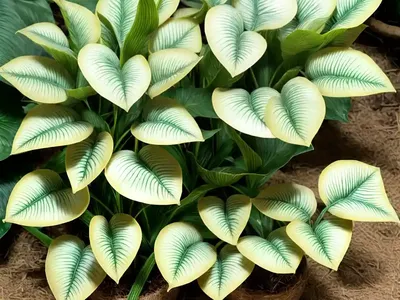
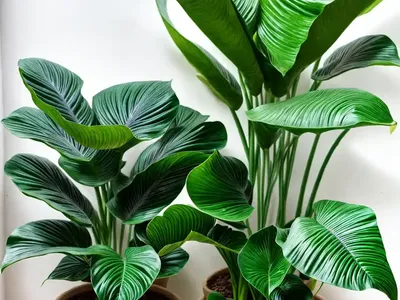
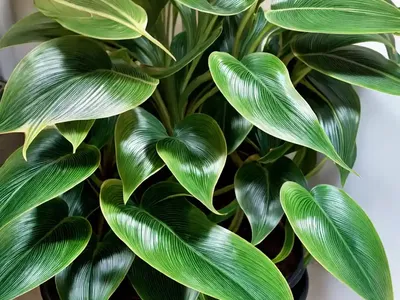
Spathiphyllum Wendlandii (Spathiphyllum Wendlandii)
In the world of houseplants, the Spathiphyllum species holds a special place. These plants, commonly known as peace lilies, are renowned for their elegant.
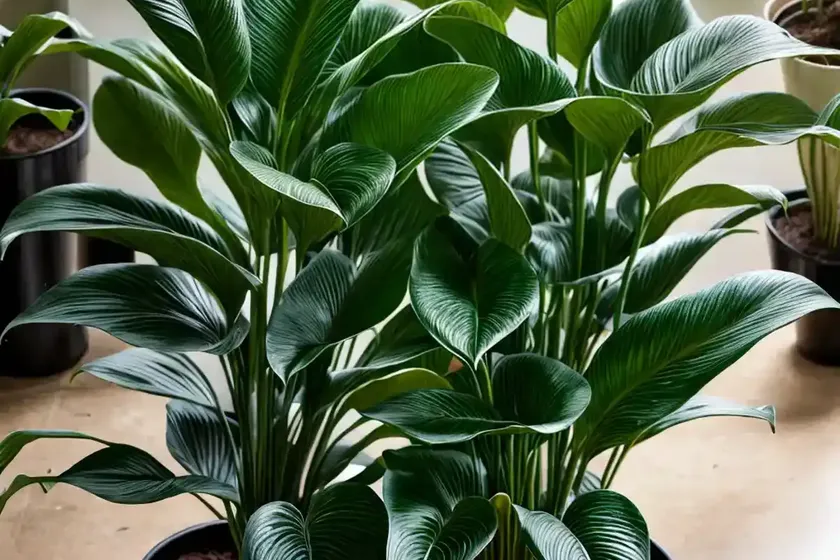
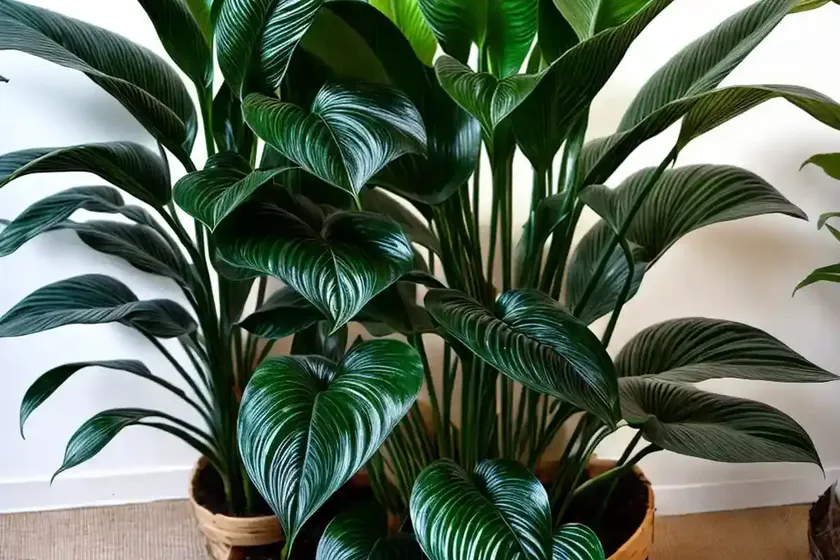
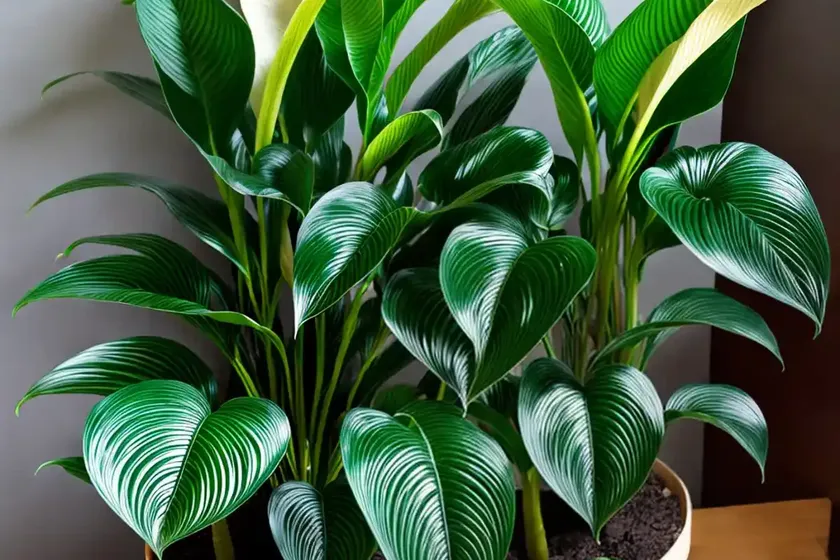
In the world of houseplants, the Spathiphyllum species holds a special place. These plants, commonly known as peace lilies, are renowned for their elegant white flower spathes and deep green foliage. Among the countless varieties within the Spathiphyllum genus, Spathiphyllum Wendlandii stands out as a popular and captivating choice for indoor gardening enthusiasts.
As a plant scientist with a passion for exploring the intricacies of plant care, I’m excited to delve into the realm of Spathiphyllum Wendlandii. In this comprehensive guide, we will unlock the secrets to nurturing and appreciating this remarkable plant, covering everything from its cultural needs to common pests and diseases. By the end of this exploration, you will be well-equipped to cultivate vibrant and thriving Spathiphyllum Wendlandii plants in your indoor spaces.
What is Spathiphyllum Wendlandii?
Spathiphyllum Wendlandii is a species within the Spathiphyllum genus, a diverse group of evergreen perennials native to tropical regions of the Americas and Southeast Asia. These plants are characterized by their glossy, oblong leaves and characteristic white spathes that resemble delicate flowers. Spathiphyllum Wendlandii is celebrated for its graceful appearance and its ability to purify indoor air, making it a beloved choice for interior landscaping.
Key Takeaways – Spathiphyllum Wendlandii
Let’s start by highlighting the key aspects of caring for Spathiphyllum Wendlandii. From its cultural requirements to common issues encountered during cultivation, understanding these essential points will set the stage for successful and rewarding plant care.
- Spathiphyllum Wendlandii is renowned for its exquisite white spathes and lush green foliage.
- Cultivating this plant involves providing the right balance of water, sunlight, and nutritional support.
- Spathiphyllum Wendlandii is an effective air purifier, enhancing the indoor environment with its air-purifying qualities.
- Common challenges include managing watering schedules, protecting against pests, and addressing potential diseases.
Culture
Cultivating Spathiphyllum Wendlandii entails creating an environment that closely mimics its tropical origins. By paying attention to its cultural needs, you can ensure that the plant thrives and displays its stunning characteristics to the fullest.
Uses
Spathiphyllum Wendlandii holds several noteworthy uses, making it a valuable addition to indoor spaces and horticultural settings. Some of its primary uses include:
- Interior landscaping: The graceful appearance of Spathiphyllum Wendlandii makes it a popular choice for embellishing interior spaces, such as homes, offices, and public areas.
- Air purification: Research has demonstrated the efficacy of Spathiphyllum species, including Spathiphyllum Wendlandii, in removing indoor pollutants, thus contributing to improved air quality.
- Decorative accents: The elegant white spathes and rich green foliage of Spathiphyllum Wendlandii make it a sought-after decorative plant, enhancing the visual appeal of its surroundings.
Water
Proper watering is crucial for the health and vitality of Spathiphyllum Wendlandii. The following guidelines can help you manage the plant’s water requirements effectively:
Consider the size and type of your pot: Smaller pots will need more frequent watering
– Water when the top inch of the soil feels dry to the touch.
– Use room-temperature water to avoid shocking the plant’s roots.
– Ensure proper drainage to prevent waterlogging, which can lead to root rot.
Sunlight
While Spathiphyllum Wendlandii thrives in bright, indirect light, it can tolerate lower light conditions. Consider the following tips for providing optimal sunlight:
Monitor the plant’s response: Adjust the lighting based on the plant’s growth and leaf color.
– Avoid direct sunlight, as it can scorch the leaves.
– Rotate the plant regularly to ensure even light exposure and uniform growth.
Fertilizer
Feeding Spathiphyllum Wendlandii with a balanced fertilizer is essential for supporting its growth and flowering. Consider these fertilizer-related best practices:
– Use a balanced, water-soluble fertilizer during the growing season, typically from spring to early autumn.
Dilute the fertilizer: Follow the recommended dilution ratio to avoid over-fertilizing and causing nutrient imbalances.
– Reduce fertilization during the plant’s dormant period in winter.
Soil
Providing well-draining, nutrient-rich soil is crucial for promoting the health and vigor of Spathiphyllum Wendlandii. Keep the following soil-related aspects in mind when caring for this plant:
- Use a high-quality, well-draining potting mix that retains moisture without becoming waterlogged.
- Consider adding organic matter such as peat moss or compost to improve soil structure and moisture retention.
Pruning
Regular pruning and grooming can help maintain the attractiveness and vitality of Spathiphyllum Wendlandii. Follow these guidelines for effective pruning:
- Remove yellowing or browning leaves to promote overall plant health and aesthetics.
- Prune spent flower spathes to redirect the plant’s energy into new growth and flowering.
Propagation
If you wish to propagate Spathiphyllum Wendlandii and expand your plant collection, consider the following methods for successful propagation:
- Divide mature plants during repotting to create new individual plants.
- Carefully separate the rhizomes, ensuring that each division has a viable root system and growth points.
Container
Choosing the right container for Spathiphyllum Wendlandii is essential for providing a suitable environment for its growth and development. Consider these container-related considerations:
- Select a pot with adequate drainage holes to prevent water accumulation.
- Choose a container that allows for future growth, balancing a snug fit with ample space for the plant’s roots.
Popularity
Spathiphyllum Wendlandii has gained widespread popularity among plant enthusiasts and interior designers due to its striking appearance and air-purifying qualities. Its elegant white spathes and lush foliage make it a sought-after addition to various indoor settings, from homes to offices and public spaces.
Common Diseases
Despite its resilience, Spathiphyllum Wendlandii is susceptible to certain diseases that can affect its vitality and appearance. Familiarize yourself with these common diseases to detect and address them promptly:
- Leaf spot: Characterized by dark or water-soaked spots on the leaves, which can lead to leaf yellowing and drop.
Manage humidity levels: Ensure proper air circulation and avoid overwatering to prevent leaf spot diseases. - Root rot: Caused by overwatering and waterlogged soil, leading to wilting and yellowing of the plant.
Optimize watering practices: Allow the soil to dry slightly between watering sessions to prevent root rot.
Disease Diagnosis
Early diagnosis of plant diseases is crucial for implementing effective treatment strategies and preventing the spread of infections. When assessing the health of your Spathiphyllum Wendlandii, consider these diagnostic steps for identifying potential diseases:
- Inspect the leaves for discoloration, spots, or abnormal patterns.
- Check the plant’s roots for signs of decay or discoloration.
- Monitor the overall growth and vigor of the plant, noting any unusual changes.
Common Pests
While Spathiphyllum Wendlandii is largely resistant to pests, occasional infestations can occur. Recognizing and addressing these common pests can help safeguard the health of your plant:
- Spider mites: These tiny pests can infest the undersides of the leaves, causing stippling and webbing.
Monitor plant hygiene: Regularly mist the plant to maintain adequate humidity and deter spider mite infestations. - Mealybugs: These soft-bodied insects can cluster on the stems and leaf nodes, sapping the plant’s vitality.
Use natural remedies: Consider introducing beneficial predators like ladybugs to control mealybug populations.
Botanist’s Tips
Drawing from my expertise in horticulture and plant science, I would like to share some valuable tips for cultivating vibrant and healthy Spathiphyllum Wendlandii:
- Monitor water levels carefully and adjust your watering schedule based on seasonal variations and indoor humidity levels.
- Keep an eye on the plant’s response to light exposure, ensuring that it receives adequate but indirect sunlight.
- Incorporate regular fertilization during the growing season, mindful of the plant’s nutritional requirements.
- Engage in proactive pest management by inspecting your plant regularly and addressing any signs of infestation promptly.
Fun Facts
Delving into the world of Spathiphyllum Wendlandii reveals intriguing and captivating aspects that enrich the experience of nurturing this plant. Let’s explore some fascinating fun facts about this remarkable botanical specimen:
- Spathiphyllum Wendlandii’s white spathes are not true flowers but modified leaves called bracts, surrounding the actual flowers.
- NASA’s Clean Air Study identified Spathiphyllum genus, including Spathiphyllum Wendlandii, as efficient air-purifying plants, enhancing indoor air quality with their pollutant-removing capabilities.
Links to External Resources
Exploring Spathiphyllum Wendlandii and its care requirements can be further enhanced by accessing reliable external resources. To deepen your knowledge and skills in nurturing this exquisite plant, consider exploring the following links:
- Spathiphyllum Wendlandii Care Guide – The Spruce
- The Sill – Peace Lily Care Guide
- House Plant Shop – Spathiphyllum Wendlandii Plant Profile
In conclusion, Spathiphyllum Wendlandii, with its captivating beauty and air-purifying qualities, holds immense potential as a cherished addition to indoor gardens and living spaces. By embracing the principles of optimal plant care and understanding the nuances of its cultural requirements, you can cultivate thriving and vibrant Spathiphyllum Wendlandii plants, enriching your surroundings with their timeless elegance and botanical splendor.