Norway Spruce (Picea Abies)
As plant scientists, we are constantly amazed by the remarkable diversity and complexity of the plant kingdom. Each plant species has its own unique.
Introduction
As plant scientists, we are constantly amazed by the remarkable diversity and complexity of the plant kingdom. Each plant species has its own unique characteristics and offers a myriad of benefits to our environment. In this blog post, we will delve into the captivating world of the Norway Spruce, scientifically known as Picea Abies. We will explore its cultural requirements, uses, care tips, common diseases, and much more. So, let’s embark on this exciting journey and unravel the secrets of the Norway Spruce!
What is the Norway Spruce (Picea Abies)?
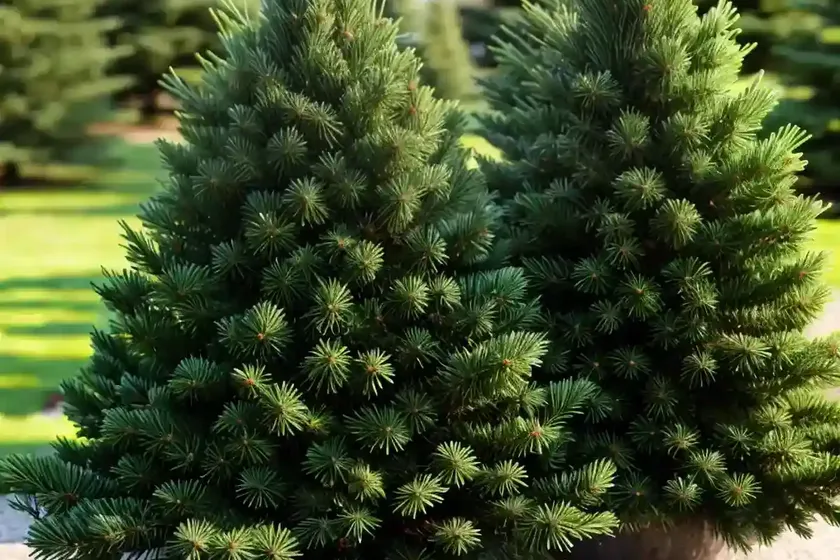
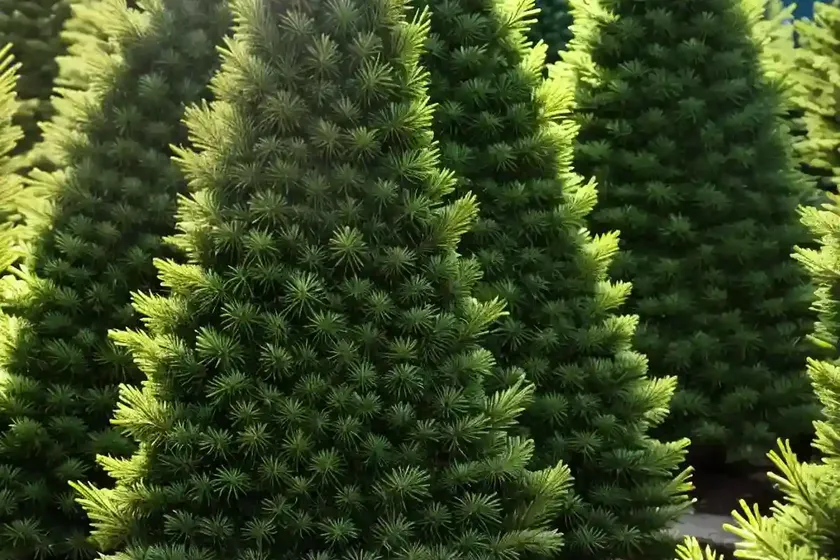
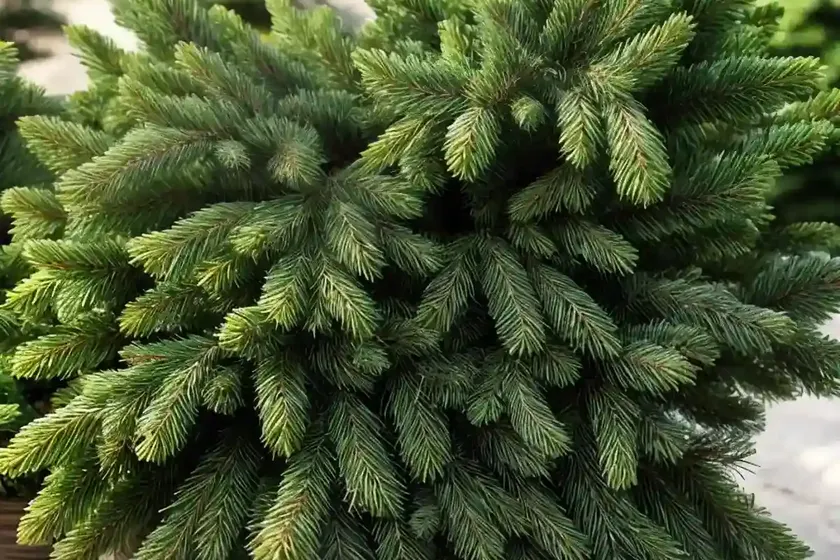
The Norway Spruce (Picea Abies) is a magnificent evergreen tree belonging to the Pinaceae family. It is native to Northern, Central, and Eastern Europe and is widely distributed across these regions. The Norway Spruce is celebrated for its towering height, conical crown, and graceful drooping branches. Its needles are sharp and arranged spirally on the branches, creating a distinctive and appealing appearance. This iconic tree species has a rich history and has been cultivated and revered for centuries, both for its aesthetic appeal and its practical applications.
Key Takeaways – Norway Spruce (Picea Abies)
Cultural Requirements
The successful cultivation of the Norway Spruce depends on understanding and meeting its specific cultural needs. Let’s explore these critical requirements:
Water
- The Norway Spruce thrives in moist, well-drained soils. It is vital to ensure that the tree receives an adequate supply of water, particularly during periods of drought or dry conditions.
- When establishing newly planted Norway Spruce trees, it is essential to provide regular and deep watering to promote healthy root development.
- During the hot summer months, pay close attention to the moisture levels in the soil and adjust the watering frequency accordingly.
Sunlight
- This majestic evergreen tree flourishes in full sun to partial shade. Adequate sunlight is crucial for the Norway Spruce to develop its characteristic dense and lush foliage.
- When selecting a planting site, prioritize locations that receive ample sunlight, especially during the morning hours when the sun’s rays are gentle and beneficial for the tree.
Fertilizer
- The Norway Spruce benefits from regular fertilization to support vigorous growth and vibrant foliage. Opt for a balanced, slow-release fertilizer formulated specifically for evergreen trees.
- Apply the fertilizer in early spring before the onset of new growth to provide the tree with essential nutrients for the upcoming growing season. Avoid excessive application of fertilizers, as it may lead to nutrient imbalances and potential damage to the tree.
Soil
- Well-drained, acidic soils are ideal for the Norway Spruce. The tree thrives in soil with a pH range of 4.5 to 6.0, making it well-suited for a variety of acidic soil types.
- Conduct a soil test to assess the pH and nutrient levels, and amend the soil as needed to create an optimal growing environment for the Norway Spruce.
Pruning
- Pruning is an essential aspect of Norway Spruce maintenance, especially for young trees. Regular pruning helps shape the tree, remove dead or diseased branches, and promote healthy growth.
- Perform pruning during the dormant season to minimize stress on the tree and achieve the best results. Aim to maintain the tree’s natural form while removing any undesirable growth.
Propagation
- Propagating the Norway Spruce can be accomplished through various methods, including seed propagation and stem cuttings. Each method has its own set of guidelines and considerations for successful propagation.
Uses
The Norway Spruce offers a myriad of practical and ornamental uses, making it a versatile and valuable tree species. Let’s explore some of its primary uses:
- Ornamental Landscaping: The Norway Spruce is widely utilized in landscaping for its striking appearance and ability to create visually stunning evergreen backdrops. It serves as an excellent specimen tree, providing year-round beauty and elegance to gardens, parks, and residential landscapes.
- Timber and Wood Products: The timber harvested from mature Norway Spruce trees is highly prized for its quality and versatility. It is used in the production of lumber, furniture, construction materials, and various wood products.
- Wildlife Habitat: The dense and expansive foliage of the Norway Spruce provides valuable habitat and shelter for a diverse array of wildlife, including birds, small mammals, and insects.
- Holiday Decorations: The Norway Spruce is a popular choice for Christmas tree cultivation, adorning countless homes and public spaces during the festive season.
- Soil Stabilization: When planted in suitable locations, the Norway Spruce aids in soil stabilization and erosion control, contributing to environmental conservation efforts.
Popularity
The Norway Spruce has achieved widespread popularity and recognition for its remarkable attributes and contributions. Its enduring appeal and diverse uses have solidified its status as a beloved tree species in various contexts.
Common Diseases
Despite its resilience, the Norway Spruce is susceptible to certain diseases and pests that can impact its health and vigor. Understanding these potential challenges is crucial for implementing effective disease management and prevention strategies.
Disease Diagnosis
Identifying and diagnosing diseases affecting the Norway Spruce is essential for implementing targeted treatment and control measures. Common diseases that may affect this tree species include:
- Needle Cast Diseases: Several fungal pathogens, such as Rhizosphaera and Stigmina, can cause needle cast diseases in Norway Spruce, leading to the browning and premature shedding of needles.
- Cytospora Canker: This destructive fungal disease can cause dieback, canker formation, and resinous bleeding on the branches of the Norway Spruce, ultimately weakening the tree.
- Root Rot: Poorly drained soils and fungal pathogens can contribute to root rot in Norway Spruce trees, leading to decline and potential mortality.
Common Pests
In addition to diseases, the Norway Spruce faces potential infestations from various pests, including:
- Spruce Budworm: The larvae of the spruce budworm can defoliate Norway Spruce trees, leading to diminished growth and overall decline.
- Adelgids: These small, sap-feeding insects can infest the branches and twigs of the Norway Spruce, causing damage and stress to the tree.
- Spider Mites: These tiny arachnids can affect the health of the Norway Spruce by feeding on its foliage, potentially leading to discoloration and reduced vigor.
Botanist’s Tips
To ensure the optimal health and vitality of the Norway Spruce, consider the following expert tips and recommendations:
- Site Selection: Choose planting sites with well-drained, acidic soils and ample sunlight to provide an ideal growing environment for the Norway Spruce.
- Proper Watering: Maintain consistent soil moisture, especially during periods of dry weather, to support the tree’s growth and resilience.
- Disease Monitoring: Regularly inspect the tree for signs of diseases and pests, and promptly address any issues to mitigate their impact on the tree’s health.
- Timely Pruning: Engage in regular pruning to maintain the tree’s form, remove dead or diseased branches, and promote vigorous growth.
- Integrated Pest Management: Implement integrated pest management practices to minimize pest infestations and protect the Norway Spruce from potential damage.
Fun Facts
The Norway Spruce is a captivating tree with a wealth of fascinating attributes and trivia. Here are some fun facts about this remarkable species:
- The Norway Spruce is the tallest native tree in Europe, reaching towering heights of over 60 meters in optimal growing conditions.
- In addition to its majestic stature, the Norway Spruce boasts impressive longevity, with some specimens living for several centuries.
- The resin obtained from the Norway Spruce has been used traditionally for various purposes, including as a natural adhesive and as an ingredient in traditional medicine.
- Norway Spruce forests have significant ecological importance, serving as valuable habitats for wildlife and contributing to the overall biodiversity of forest ecosystems.
Links to External Resources
For further information, resources, and expert insights on the Norway Spruce and its cultivation, care, and uses, we recommend exploring the following links:
- Norway Spruce Care and Cultivation Guide
- Picea Abies Characteristics and Growth Patterns
- Growing Norway Spruce in Home Landscapes
- Picea Abies Varieties and Cultivars
- Landscaping Ideas with Norway Spruce
- Common Diseases of Picea Abies and Disease Management
- Pruning Techniques for Norway Spruce
- Propagation Methods for Picea Abies
- Pest Management and Maintenance for Norway Spruce
- Cultivation and Horticultural Uses of Norway Spruce
- Eco-Friendly Practices with Picea Abies
- Winter Care and Seasonal Considerations for the Norway Spruce
- Companion Plants for Picea Abies in the Garden
- Utilizing Norway Spruce in Landscape Design
- Wildlife Habitat Preservation with Norway Spruce
- Sustainable Timber Practices with Picea Abies
- Water Conservation and Sustainable Practices for Norway Spruce
- Ornamental Uses and Aesthetic Considerations for Picea Abies
- Seasonal Changes and Fall Color of Norway Spruce
- Winter Hardiness and Cold Tolerance of Picea Abies
- Insect Control and Management for Picea Abies
- Mulching Techniques and Soil Care for Norway Spruce
- Root System and Growth Patterns of Picea Abies
- Wood Properties and Commercial Uses of Norway Spruce
- Foliage Texture and Aesthetic Features of Picea Abies
- Utilizing Norway Spruce as a Windbreak
- Needle Retention and Aesthetic Considerations for Picea Abies
- Shade Tolerance and Landscaping Options with Norway Spruce
- Native Habitat and Ecological Significance of Picea Abies
- Preventing Diseases and Disease-Resistant Varieties of Norway Spruce
- Drought Tolerance and Water-Saving Practices for Picea Abies
- Garden Uses and Ornamental Considerations for Norway Spruce
- Promoting Sustainable Practices with Picea Abies
Conclusion
The Norway Spruce (Picea Abies) stands as a testament to the beauty, resilience, and ecological significance of tree species. Its grandeur and multitude of uses make it a cherished component of landscapes, ecosystems, and human endeavors. By understanding its cultural requirements, uses, caring tips, and potential challenges, we can foster a deeper appreciation for this magnificent evergreen tree. As plant scientists, we are committed to promoting sustainable practices and enhancing our understanding of the natural world, and the Norway Spruce embodies these ideals with its enduring presence and contributions to our environment. Let’s continue to celebrate and preserve the extraordinary legacy of the Norway Spruce, ensuring that future generations can cherish its timeless allure and benefits.


