Palm Leaf Begonia (Begonia Luxurians)
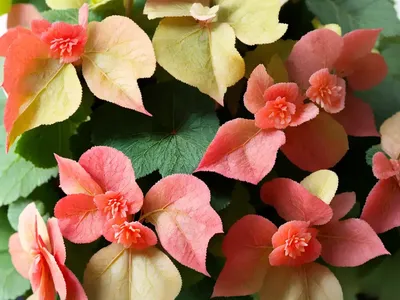
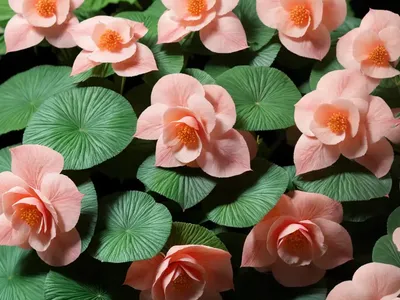
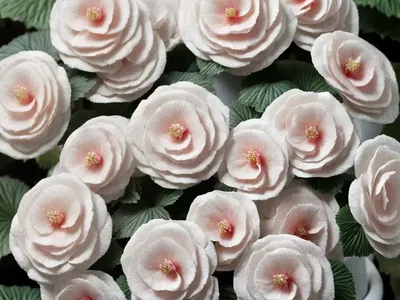
Palm Leaf Begonia, scientifically known as Begonia Luxurians, is a stunning plant adorned with large, palm-like leaves and delicate, small white flowers..
Introduction to Palm Leaf Begonia
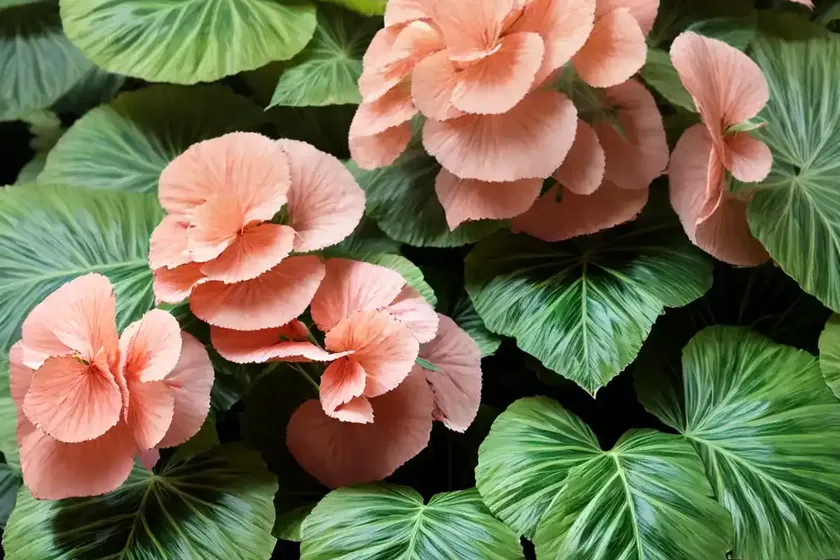
Palm Leaf Begonia, scientifically known as Begonia Luxurians, is a stunning plant adorned with large, palm-like leaves and delicate, small white flowers. This ornamental plant is native to Brazil, where it thrives in the subtropical climate. Its vibrant foliage and low maintenance make it a popular choice for indoor and outdoor gardens worldwide.
In this comprehensive guide, we will delve into the fascinating world of Palm Leaf Begonia, exploring its cultural requirements, propagation techniques, common diseases, and much more. Whether you’re a seasoned plant enthusiast or a novice gardener, you’ll find valuable insights and actionable tips to ensure the healthy growth of your Begonia Luxurians.
Key Takeaways – Palm Leaf Begonia (Begonia Luxurians)
Plant Name: Palm Leaf Begonia (Begonia Luxurians)
1. Culture
- Humidity Preferences: Palm Leaf Begonia thrives in high humidity levels, making it an ideal choice for tropical and subtropical regions.
- Temperature Tolerance: It prefers a warm, stable temperature and can suffer from cold stress if exposed to low temperatures for an extended period.
- Light Requirements: It thrives in bright, indirect light but should be protected from direct sunlight, which can scorch its delicate foliage.
2. Uses
- Ornamental Plant: Palm Leaf Begonia is primarily grown for its striking foliage, adding a tropical touch to indoor and outdoor spaces.
- Indoor and Outdoor Cultivation: It can be cultivated as a houseplant or incorporated into outdoor gardens, provided the climate is suitable.
3. Water
- Watering Needs: Begonia Luxurians requires regular watering, ensuring that the soil is consistently moist but not waterlogged.
- Water Absorption Rate: Understanding its water absorption rate is crucial in preventing overwatering, which can lead to root rot.
4. Sunlight
- Sunlight Exposure: While it thrives in bright, indirect light, direct sunlight should be avoided to prevent leaf scorching.
5. Fertilizer
- Fertilization: Providing a balanced liquid fertilizer during the growing season can enhance the plant’s growth and overall health.
6. Soil
- Potting Mix: A well-draining potting mix rich in organic matter is essential for Palm Leaf Begonia, ensuring adequate aeration and moisture retention.
- Soil Acidity: It prefers slightly acidic soil, with a pH range of 5.5 to 6.5.
7. Pruning
- Pruning Techniques: Regular pruning helps maintain the plant’s shape and remove any damaged or discolored foliage, promoting overall plant health.
8. Propagation
- Propagation Methods: Begonia Luxurians can be propagated through stem cuttings, allowing for the expansion of your plant collection or sharing with fellow gardening enthusiasts.
9. Container Popularity
- Container Gardening: Its compact size and ornamental appeal make it an excellent choice for container gardening, adding a touch of tropical elegance to patios and balconies.
10. Common Diseases
- Disease Diagnosis: Identifying and addressing common diseases, such as powdery mildew and botrytis blight, is crucial for maintaining the plant’s vitality.
11. Common Pests
- Pest Control: Vigilance against common pests, including spider mites and mealybugs, is vital to prevent infestations that can compromise the plant’s health.
12. Botanist’s Tips
- Healthy Plant Indicators: Understanding the signs of a healthy Palm Leaf Begonia and monitoring its growth indicators is essential for proactive plant care.
13. Fun Facts
- Leaf Pattern Variations: Palm Leaf Begonia exhibits a remarkable variety of leaf patterns, adding to its allure as an ornamental plant.
Now, let’s delve into each aspect of Palm Leaf Begonia care and cultivation in detail, empowering you to foster the optimal growth and vibrancy of this enchanting plant.
What is Palm Leaf Begonia (Begonia Luxurians)?
Palm Leaf Begonia, scientifically known as Begonia Luxurians, belongs to the Begoniaceae family and is native to the tropical regions of Brazil. It is revered for its striking palm-like leaves, adorned with intricate patterns and vibrant green hues. The plant’s aesthetic appeal, coupled with its relatively low maintenance requirements, has made it a sought-after addition to both indoor and outdoor gardens.
Plant Characteristics
Palm Leaf Begonia is characterized by the following distinctive features:
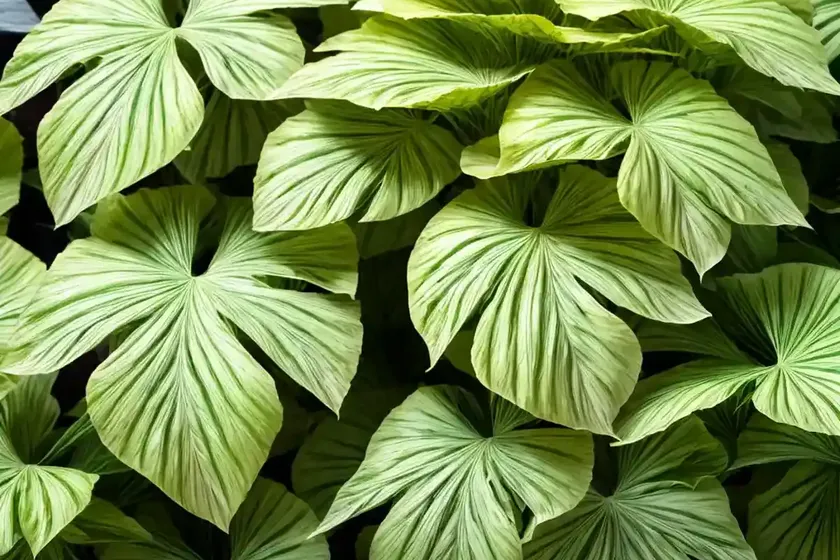
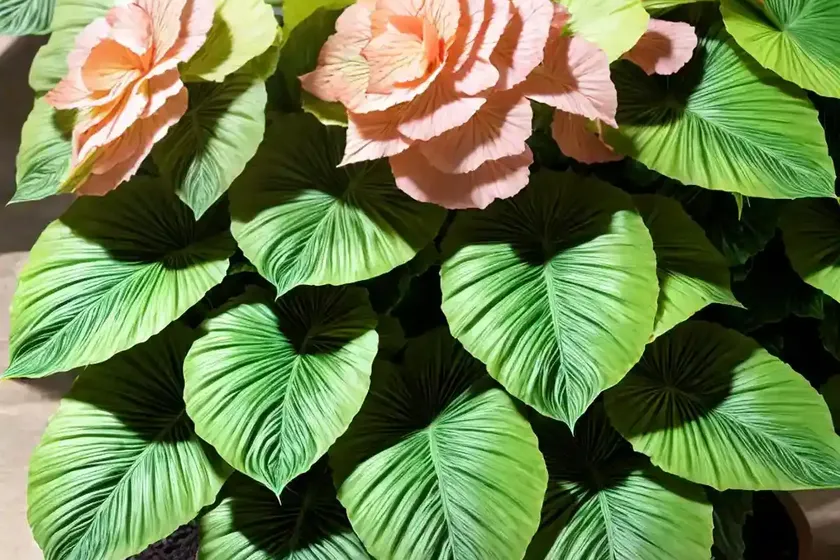
– Foliage: The plant’s large, palm-like leaves display prominent vein patterns and a lustrous green color, adding a tropical touch to any setting.
– Flowers: While not the primary attraction, Palm Leaf Begonia produces delicate, small white flowers that emerge sporadically.
– Size: When cultivated as a houseplant, it typically reaches a height of 2 to 3 feet, making it well-suited for indoor environments.
Natural Habitat
In its native habitat in Brazil, Palm Leaf Begonia thrives in the subtropical climate, where it enjoys high humidity levels and warm temperatures. It is often found in shaded areas with dappled light, a characteristic that informs its light requirements when cultivated as an ornamental plant.
Ornamental Appeal
The ornamental value of Palm Leaf Begonia stems from its impressive foliage and tropical allure. Whether used as a standalone statement plant or integrated into lush indoor or outdoor arrangements, Begonia Luxurians adds a touch of exotic elegance to any space.
Now that we’ve gained a deeper understanding of the plant’s origins and aesthetic appeal, let’s explore the specific care requirements that are essential for nurturing the growth and vitality of Palm Leaf Begonia.
Culture of Palm Leaf Begonia (Begonia Luxurians)
Humidity Preferences
Palm Leaf Begonia thrives in high humidity levels, mirroring its native habitat in the subtropical regions of Brazil. If you’re cultivating this plant in a drier climate, it’s essential to create a humid microclimate around the plant to ensure its optimal growth.
Tips for Increasing Humidity:
- Misting: Regularly misting the foliage can help elevate humidity levels around the plant, providing a moisture-rich environment that mimics its natural habitat.
- Humidifiers: Placing a humidifier near the plant or utilizing a room humidifier in the vicinity can be beneficial, especially during dry seasons or in centrally heated spaces.
Temperature Tolerance
Providing a warm, stable temperature is crucial for the health and vitality of Palm Leaf Begonia. While it can tolerate moderate temperature fluctuations, prolonged exposure to low temperatures can lead to stress and impact the plant’s overall vigor.
Ideal Temperature Range:
- Daytime Temperatures: Maintaining daytime temperatures between 65 to 75°F (18 to 24°C) is optimal for Palm Leaf Begonia’s growth.
- Nighttime Temperatures: Slight drops in temperature at night are acceptable, but ensuring that it doesn’t fall below 60°F (15°C) is essential.
Light Requirements
Palm Leaf Begonia thrives in bright, indirect light, making it an excellent choice for well-lit indoor spaces and sheltered outdoor environments. However, it’s crucial to protect the plant from direct sunlight, which can scorch its delicate foliage and lead to sunburn.
Tips for Providing Adequate Light:
- Indoor Placement: Position the plant near east or west-facing windows to provide bright, indirect light without the risk of direct sun exposure.
- Outdoor Considerations: When incorporating Palm Leaf Begonia into outdoor gardens, ensure that it is placed in locations with filtered light or partial shade to prevent leaf damage from intense sunlight.
Summary of Cultural Requirements:
| Aspect | Cultural Requirement |
|---|---|
| Humidity Preferences | High humidity levels, ideal for tropical and subtropical regions |
| Temperature Tolerance | Warm, stable temperatures, with protection from cold stress |
| Light Requirements | Bright, indirect light, with avoidance of direct sunlight |
With a solid understanding of Palm Leaf Begonia’s cultural needs, you can create an environment that supports its growth and ensures its ornamental beauty flourishes.
Uses of Palm Leaf Begonia (Begonia Luxurians)
Palm Leaf Begonia, with its charismatic foliage and tropical appeal, serves various purposes in both indoor and outdoor settings.
Ornamental Plant
The primary use of Palm Leaf Begonia is as an ornamental plant, sought after for its striking foliage and the ambiance it creates in any space.
Indoor and Outdoor Cultivation
The versatility of Palm Leaf Begonia allows it to thrive in diverse settings, making it a popular choice for indoor and outdoor gardens.
Summary of Uses:
- Ornamental Value: The vibrant foliage and elegant growth habit make Palm Leaf Begonia a prized addition to any plant collection, serving as a focal point or complementing existing greenery.
- Versatile Cultivation: Whether adorning a sunlit patio or elevating the aesthetics of an indoor living space, Begonia Luxurians adds a touch of tropical charm wherever it is cultivated.
Understanding the uses of Palm Leaf Begonia provides valuable insights into the versatility of this plant and the numerous ways it can enhance indoor and outdoor environments.
Watering Palm Leaf Begonia (Begonia Luxurians)
Proper watering is crucial for the health and vigor of Palm Leaf Begonia, ensuring that the soil moisture levels remain conducive to its growth.
Watering Needs
Begonia Luxurians prefers consistent moisture, with the soil being kept uniformly moist without becoming waterlogged. Understanding its watering needs and developing a consistent watering routine is essential for fostering optimal growth.
Tips for Watering:
- Consistent Moisture: Regularly monitor the soil moisture levels and water the plant whenever the top inch of the soil feels dry to the touch.
- Avoid Waterlogging: Ensure proper drainage in the container or garden bed to prevent waterlogging, which can lead to root rot and other moisture-related issues.
Water Absorption Rate
Understanding the plant’s water absorption rate can aid in refining your watering practices, preventing overwatering and its associated complications.
Monitoring Absorption:
- Soil Assessment: Conduct periodic soil moisture assessments to gauge the rate at which Palm Leaf Begonia absorbs water, adjusting your watering frequency accordingly.
- Observing Plant Responses: Monitor the plant for signs of overwatering, such as wilting, yellowing leaves, or a waterlogged soil surface, and adjust your watering regimen as needed.
Summary of Watering Guidelines:
- Consistent Moisture: Regular, moderate watering to maintain uniform soil moisture levels
- Preventing Waterlogging: Ensuring adequate drainage to prevent waterlogged soil conditions
By understanding the watering requirements of Palm Leaf Begonia and implementing best practices, you can promote healthy growth and prevent the risks associated with improper watering.
Sunlight Requirements of Palm Leaf Begonia (Begonia Luxurians)
Providing appropriate sunlight conditions is essential for the well-being and longevity of Palm Leaf Begonia, ensuring that it thrives in its designated environment.
Sunlight Exposure
While Palm Leaf Begonia thrives in bright, indirect light, it’s crucial to protect it from direct sunlight, which can lead to leaf scorching and adversely impact the plant’s overall health.
Recommended Sunlight Conditions:
- Indoor Placement: Position the plant near east or west-facing windows, ensuring that it receives bright, indirect light without direct sun exposure.
- Outdoor Considerations: When cultivating Palm Leaf Begonia in outdoor gardens, provide sheltered locations with filtered light or partial shade to shield the plant from intense sun rays.
Summary of Sunlight Requirements:
- Optimal Light Conditions: Bright, indirect light that mimics its natural habitat, with protection from direct sunlight
Understanding the sunlight requirements of Palm Leaf Begonia enables you to create an environment that supports the plant’s photosynthetic needs while safeguarding it from potential sun damage.
Fertilizing Palm Leaf Begonia (Begonia Luxurians)
Supplementing the growth of Palm Leaf Begonia with appropriate fertilization can enhance its vigor and overall aesthetic appeal, provided it’s carried out with an understanding of the plant’s nutritional needs.
Fertilization Timing
Providing a balanced liquid fertilizer during the growing season can invigorate the growth of Palm Leaf Begonia, delivering the essential nutrients it requires for robust foliage development.
Fertilization Schedule:
- Growing Season: Begin fertilizing in spring and continue through the summer months when the plant is actively growing, tapering off during the fall and ceasing fertilization in the winter.
Nutrient Requirements
A balanced liquid fertilizer with a formulation designed for foliage plants can nourish Palm Leaf Begonia, promoting steady growth and vibrant foliage coloration.
Nutrient Components:
- NPK Ratio: Opt for a balanced NPK (nitrogen, phosphorus, and potassium) fertilizer, such as 10-10-10, diluted to half strength, to provide the necessary nutrients without risking fertilizer burn.
Summary of Fertilization Guidelines:
- Balanced Fertilizer: Utilize a balanced liquid fertilizer during the active growing season, while abstaining from fertilization during the plant’s dormant phase.
By incorporating appropriate fertilization practices, you can optimize the growth and visual appeal of Palm Leaf Begonia, promoting healthy foliage and robust plant development.
Soil Requirements for Palm Leaf Begonia (Begonia Luxurians)
Selecting an appropriate potting mix and ensuring optimal soil conditions is vital for fostering the healthy growth and vitality of Palm Leaf Begonia.
Potting Mix
A well-draining potting mix with excellent moisture retention and aeration capabilities is essential for Palm Leaf Begonia, providing a conducive medium for root development and overall plant health.
Ideal Components:
- Organic Matter: Incorporate organic matter, such as peat moss or compost, to enrich the potting mix and promote a healthy soil structure.
- Perlite or Vermiculite: Adding perlite or vermiculite aids in enhancing drainage and aeration, preventing compaction of the soil.
Soil Acidity
Palm Leaf Begonia prefers slightly acidic soil, with a pH range of 5.5 to 6.5, creating an environment that supports nutrient uptake and overall plant vitality.
pH Maintenance:
- Soil Testing: Regularly test the soil pH to ensure it remains within the optimal range, amending the soil as necessary to maintain suitable acidity levels.
Summary of Soil Considerations:
- Well-Draining Potting Mix: A balanced blend with adequate drainage and moisture retention
- Slight Acidity: Maintaining a pH range of 5.5 to 6.5 to support nutrient availability and uptake
Understanding the soil requirements of Palm Leaf Begonia empowers you to create an optimal growing medium that fosters the plant’s root health and overall vitality.
Pruning Palm Leaf Begonia (Begonia Luxurians)
Regular pruning and maintenance are integral to preserving the shape and visual appeal of Palm Leaf Begonia, as well as addressing any damaged or discolored foliage.
Pruning Techniques
Following proper pruning techniques ensures that Palm Leaf Begonia maintains its desired form and prevents the accumulation of dead or diseased foliage, promoting overall plant health.
Best Practices:
- Sterilized Tools: Utilize sharp, sterilized pruning shears to make clean cuts, minimizing the risk of introducing pathogens to the plant.
- Selective Removal: Target overgrown or damaged stems and leaves while preserving the plant’s natural growth pattern.
Timing
Pruning can be carried out as needed throughout the year, addressing specific growth issues or maintaining the plant’s appearance.
Key Pruning Times:
- Throughout the Year: Continuously monitor the plant for any signs of overgrowth, damage, or disease, and address these issues promptly through targeted pruning.
Summary of Pruning Guidelines:
- Shape Maintenance: Regular pruning to preserve the plant’s form and address any-identified growth irregularities
- Disease Management: Removal of diseased or damaged foliage to mitigate potential health issues
By adopting appropriate pruning practices, you can support the visual appeal and overall well-being of Palm Leaf Begonia, maintaining a vibrant and lush plant presence in your indoor or outdoor space.
Propagation of Palm Leaf Begonia (Begonia Luxurians)
Expanding your collection of Palm Leaf Begonia or sharing the plant with fellow gardening enthusiasts can be achieved through propagation, a fascinating and rewarding practice.
Propagation Methods
Stem cuttings represent a highly effective and efficient means of propagating Palm Leaf Begonia, enabling you to create new plants while preserving the genetic traits of the parent plant.
Propagation Steps:
- Selecting Cuttings: Choose healthy, non-flowering stems for propagation, ensuring they exhibit vigorous growth and display no signs of disease or stress.
- Cutting Preparation: Take 3 to 4-inch stem cuttings, making clean cuts below leaf nodes and removing any lower foliage to prevent rotting.
- Rooting Medium: Plant the cuttings in a well-draining rooting medium, such as perlite or a mix of peat and perlite, ensuring adequate moisture retention and humidity around the cuttings.
- Root Development: Position the cuttings in a warm, well-lit location and maintain consistent moisture levels, monitoring the root development over the ensuing weeks.
Propagation Success
By following proper propagation techniques and providing optimal growing conditions for the cuttings, you can achieve successful root development and establish new Palm Leaf Begonia plants.
Rooting Indicators:
- New Growth: Vigorous, healthy leaf growth emerging from the cuttings is a promising sign of successful root development.
- Root Check: Gently tug on the cuttings to ascertain root development, ensuring that the new plants are ready for repotting and further growth.
Summary of Propagation Techniques:
- Stem Cuttings: Utilizing healthy, non-flowering stems for propagation, encouraging root development in a conducive rooting medium
Successfully propagating Palm Leaf Begonia not only allows you to expand your plant collection but also provides an opportunity to share the beauty of this species with other plant enthusiasts.
Container Popularity of Palm Leaf Begonia (Begonia Luxurians)
Palm Leaf Begonia’s compact size and ornamental appeal make it a highly favored choice for container gardening, adding a touch of tropical elegance to patios, balconies, and indoor spaces.
Container Selection
Choosing the right container is essential for promoting healthy growth and ensuring the visual impact of Palm Leaf Begonia.
Container Considerations:
- Drainage Holes: Select containers with adequate drainage holes to prevent waterlogging and maintain optimal soil moisture levels.
- Size and Space: Choose a container that accommodates the plant’s growth while leaving room for root development, preventing overcrowding.
Indoor Cultivation
In indoor settings, Palm Leaf Begonia’s compact size and vibrant foliage make it a perfect choice for enhancing the aesthetics of various living spaces.
Decorative Appeal:
- Living Spaces: Position the container in well-lit areas with indirect sunlight, allowing the plant to thrive while imparting an aesthetic touch to the surroundings.
- Décor Enhancement: Utilize Palm Leaf Begonia to add greenery and a tropical ambiance to interior design schemes, catering to varying styles and preferences.
Outdoor Gardening
When incorporated into outdoor gardens, Palm Leaf Begonia