

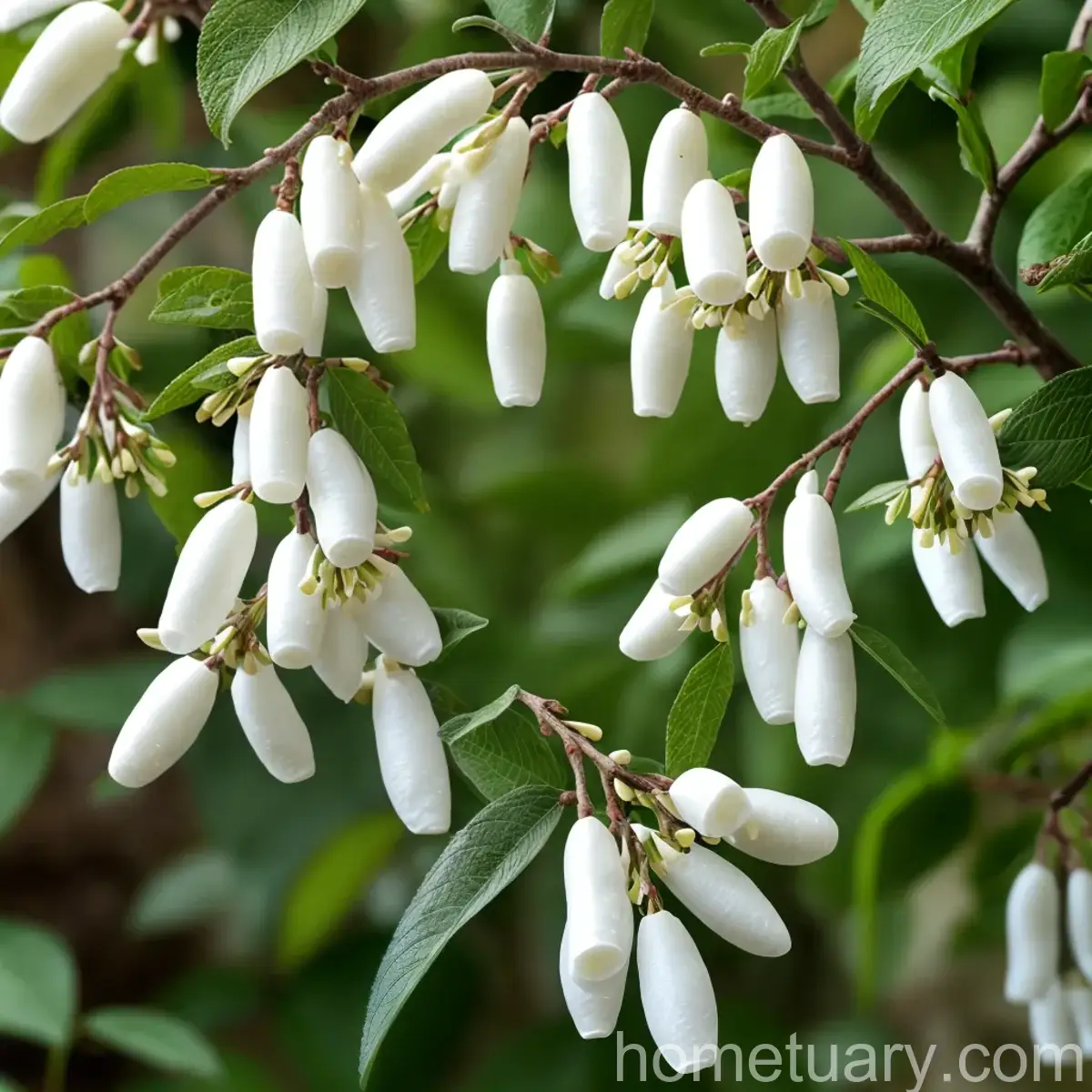
Styrax obassia (Fragrant Snowbell): A Complete Guide for Plant Enthusiasts
Plants are not just green creatures that provide aesthetic beauty to our surroundings. They are an integral part of the ecosystem, playing a crucial role in maintaining the ecological balance and providing numerous benefits to humans. One such fascinating plant is Styrax obassia, commonly known as the Fragrant Snowbell. This plant has garnered attention due to its unique characteristics and uses that make it a valuable addition to gardens, landscapes, and natural habitats.
In this comprehensive guide, we will explore the various aspects of Styrax obassia, including its culture, uses, maintenance, and much more. Whether you are a seasoned gardener, a landscape designer, or simply someone with an interest in plants, this guide will provide you with valuable insights into the world of Styrax obassia.
Key Takeaways – Styrax obassia (Fragrant Snowbell)
Before delving into the specifics, let’s have a quick look at the key takeaways of Styrax obassia:
- Plant Name: Styrax obassia (Fragrant Snowbell)
- Common Names: Fragrant Snowbell, Japanese Snowbell
- Plant Type: Deciduous tree or shrub
- Native Habitat: Japan, Korea, China
- Notable Features: Fragrant white flowers, attractive foliage, wildlife attractant
- Uses: Ornamental gardening, landscaping
- Growing Zones: USDA hardiness zones 5-8
- Mature Size: 20-30 feet in height, 15-25 feet in spread
- Watering: Moderate, well-draining soil
- Sunlight: Partial to full sun
- Soil: Rich, moist, well-draining
- Maintenance: Low to moderate
- Common Diseases: Leaf spot, powdery mildew
- Pests: Aphids, scale insects
Now that we have a snapshot of what Styrax obassia is all about, let’s dive deeper into each aspect of this fascinating plant.
What is Styrax obassia (Fragrant Snowbell)?
Styrax obassia, commonly known as the Fragrant Snowbell, is a deciduous tree or shrub renowned for its enchanting, bell-shaped, white flowers that exude a sweet fragrance. Belonging to the Styracaceae family, this ornamental plant is native to Japan, Korea, and China, where it graces the woodlands with its natural charm.
This plant typically blooms in late spring to early summer, producing clusters of delicate, bell-shaped flowers that hang elegantly from the branches. The fragrant blossoms, coupled with the glossy green foliage, make Styrax obassia a captivating addition to gardens, parks, and natural landscapes.
Apart from its ornamental value, Styrax obassia holds cultural significance in its native regions, where it is often featured in traditional gardens and landscapes. Its aesthetic appeal, coupled with its ease of cultivation, has made it a sought-after plant among horticulturists and plant enthusiasts globally.
Now, let’s explore the various aspects of Styrax obassia, including its culture, uses, maintenance, and more, to gain a comprehensive understanding of this captivating plant.
Culture
Understanding the cultural requirements of Styrax obassia is crucial for successful growth and development. From planting to maintenance, providing the right cultural conditions ensures that the plant thrives and fulfills its ornamental potential.
Uses
Ornamental Gardening
Styrax obassia is primarily grown for its ornamental value. The fragrant white flowers and vibrant foliage make it a popular choice for gardens, parks, and landscape designs. The picturesque display of blossoms and the plant’s overall aesthetic appeal contribute to its widespread use in ornamental gardening.
Landscaping
In landscaping, Styrax obassia is often employed as a focal point in naturalized settings or as part of mixed borders. Its graceful form and eye-catching flowers make it a versatile addition to various landscape designs, adding elegance and visual interest to the surroundings.
Water
Proper watering is essential for the health and vigor of Styrax obassia. While this plant prefers consistently moist soil, good drainage is equally important to prevent waterlogging, which can lead to root rot and other issues.
Watering Guidelines
- Young Plants: Regular watering, ensuring that the soil remains consistently moist but not waterlogged.
- Established Plants: Periodic watering during dry spells, focusing on maintaining moderate soil moisture levels.
- Mulching: Applying a layer of organic mulch around the base of the plant helps retain soil moisture and regulates the temperature of the root zone.
Sunlight
Styrax obassia thrives in partial to full sun, requiring adequate sunlight to support healthy growth and prolific flowering. When selecting a planting site or positioning the plant in a landscape, it is important to consider its sunlight requirements to ensure optimal performance.
Sunlight Guidelines
- Preferred Exposure: Partial to full sun, with at least 6-8 hours of direct sunlight for best flowering.
- Shade Tolerance: While Styrax obassia prefers sunlight, it can tolerate partial shade, especially in regions with intense afternoon sun or high temperatures.
Fertilizer
Fertilization plays a key role in providing Styrax obassia with essential nutrients for robust growth and flowering. Choosing the right fertilizer and following proper application practices are vital for promoting overall plant health and enhancing its ornamental qualities.
Fertilization Tips
- Timing: Apply a balanced, slow-release fertilizer in early spring before the onset of new growth.
- Frequency: Annual fertilization is usually sufficient for established plants, but younger specimens may benefit from a second application in late spring or early summer.
Soil
The quality and composition of the soil directly impact the growth and development of Styrax obassia. Well-draining, nutrient-rich soil provides an ideal growing medium for the plant, supporting healthy root development and overall vigor.
Soil Requirements
- Texture: Loamy, well-draining soil is preferred, as it allows for adequate aeration and moisture retention without becoming waterlogged.
- pH Level: Slightly acidic to neutral soil with a pH range of 6.0-7.0 is suitable for Styrax obassia.
- Soil Amendments: Incorporating organic matter, such as compost or aged manure, can enhance soil fertility and structure, promoting optimal conditions for the plant.
Pruning
Pruning is an essential aspect of Styrax obassia maintenance, helping shape the plant, remove dead or diseased wood, and encourage future flowering. Understanding the pruning requirements and techniques for this plant is crucial for achieving the desired form and promoting its long-term health.
Pruning Guidelines
- Timing: Prune Styrax obassia during the dormant season in late winter to early spring, before the onset of new growth.
- Pruning Objectives: Remove crossing or crowded branches, dead or damaged wood, and shaping the plant to maintain its natural form.
- Minimal Pruning: Styrax obassia generally requires minimal pruning, primarily for maintenance and corrective purposes.
Propagation
Propagation allows for the multiplication of Styrax obassia, facilitating the expansion of its presence in gardens and landscapes. Understanding the propagation methods and techniques is valuable for plant enthusiasts and horticulturists looking to propagate this species.
Propagation Techniques
- Seed Propagation: While less common, propagating Styrax obassia from seeds is possible, though it may take a longer time to produce mature plants.
- Softwood Cuttings: Taking softwood cuttings in early summer and propagating them under controlled conditions can yield new plants with genetic traits similar to the parent.
Container Popularity
Styrax obassia is also cultivated in containers, making it a popular choice for patio gardens, balcony plantings, and other confined spaces. Its ornamental value and manageable size contribute to its popularity in container gardening.
Container Gardening Tips
- Container Size: Choose a container with adequate depth and volume to accommodate the root system and provide stability for the plant.
- Drainage: Ensure that the container has sufficient drainage to prevent waterlogging, which can adversely affect the plant’s health.
- Soil Mix: Use a well-draining potting mix formulated for woody plants to provide proper aeration and moisture retention.
Now that we have explored the cultural aspects of Styrax obassia, let’s delve into its common diseases, pests, and some fun facts that add an interesting dimension to this captivating plant.
Common Diseases
Addressing common diseases that affect Styrax obassia is vital for maintaining its health and vigor. By recognizing the symptoms and implementing appropriate control measures, gardeners and horticulturists can safeguard their plants from debilitating diseases.
Disease Diagnosis
Leaf Spot
Styrax obassia is susceptible to leaf spot, a fungal disease characterized by the formation of dark, irregular spots on the foliage. These spots may coalesce, leading to widespread browning and defoliation if left unmanaged.
- Symptoms: Circular to irregular dark spots on leaves, often with a dark border. Premature leaf drop under severe infestations.
- Management: Remove and destroy infected leaves, and apply fungicidal sprays following label instructions.
Powdery Mildew
Powdery mildew, caused by various fungal pathogens, can affect Styrax obassia, leading to the development of powdery white patches on the foliage. This disease can compromise the plant’s aesthetics and overall vigor if not controlled.
- Symptoms: White, powdery patches on leaves and young shoots, often accompanied by leaf distortion.
- Management: Improve air circulation, prune overcrowded growth, and apply fungicidal treatments preventively to reduce powdery mildew incidence.
Common Pests
Aphids
Aphids are common sap-feeding insects that can infest Styrax obassia, particularly young shoots and succulent growth. Their feeding activity can lead to stunted growth, distorted leaves, and the secretion of honeydew, promoting sooty mold development.
- Symptoms: Clusters of small, soft-bodied insects on the undersides of leaves, along with distorted or yellowing foliage.
- Management: Use physical removal, insecticidal soaps, or horticultural oils to control aphid populations effectively.
Scale Insects
Scale insects are another potential pest of Styrax obassia, often appearing as small, immobile, shell-like structures attached to the stems and leaves. Their feeding can weaken the plant and promote the development of sooty mold.
- Symptoms: Presence of scale shells on stems and leaves, accompanied by yellowing or wilting of affected plant parts.
- Management: Use horticultural oils or insecticidal sprays during the dormant season to address scale insect infestations.
Botanist’s Tips
Fun Facts
- Styrax obassia is commonly referred to as the Fragrant Snowbell due to its delightful, bell-shaped flowers and pleasant fragrance, reminiscent of the beauty of snow-covered landscapes.
- The flowers of Styrax obassia are often visited by pollinators such as bees and butterflies, adding to its value as a wildlife-friendly plant.
- In traditional Japanese and Korean gardens, Styrax obassia holds cultural significance, often symbolizing elegance, purity, and the fleeting beauty of nature.
- The fragrance of Styrax obassia flowers is known to linger in the air, creating an enchanting and inviting atmosphere in gardens and landscapes.
Links to External Resources
For additional information on Styrax obassia, Fragrant Snowbell, and related topics, you may find the following resources helpful:
In conclusion, Styrax obassia (Fragrant Snowbell) stands as a remarkable plant with captivating features and cultural significance. Its enchanting flowers, coupled with its ease of cultivation and low maintenance requirements, make it a valuable addition to gardens, landscapes, and natural habitats. By understanding and implementing the cultural recommendations, disease and pest management strategies, and leveraging its remarkable attributes, plant enthusiasts can fully appreciate the beauty and charm of Styrax obassia in various settings.
Whether you are considering adding a Fragrant Snowbell to your garden or exploring the diversity of ornamental plants, Styrax obassia is sure to captivate with its delightful blossoms and cultural allure. Embrace the allure of the Fragrant Snowbell and discover the timeless beauty it brings to the plant kingdom.
In this comprehensive guide, we have explored the various aspects of Styrax obassia, commonly known as the Fragrant Snowbell. From its cultural requirements and uses to management strategies, we have covered essential information that will help plant enthusiasts and horticulturists appreciate and grow this remarkable plant. The enchanting characteristics of Styrax obassia, coupled with its rich cultural significance, make it a captivating addition to gardens, landscapes, and natural habitats. By following the guidelines and leveraging the valuable insights shared here, individuals can enrich their understanding of this plant and create thriving environments where Styrax obassia can flourish.




