Syringa X Prestoniae ‘Miss Canada’ (Preston Lilac)
Plants play a crucial role in our environment, providing us with oxygen, food, and beauty. Among the diverse array of plant species, the Syringa x.

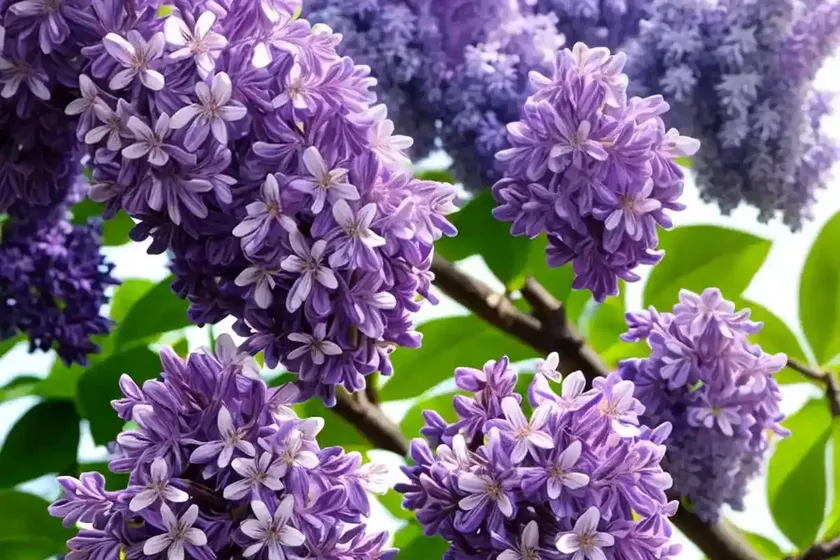
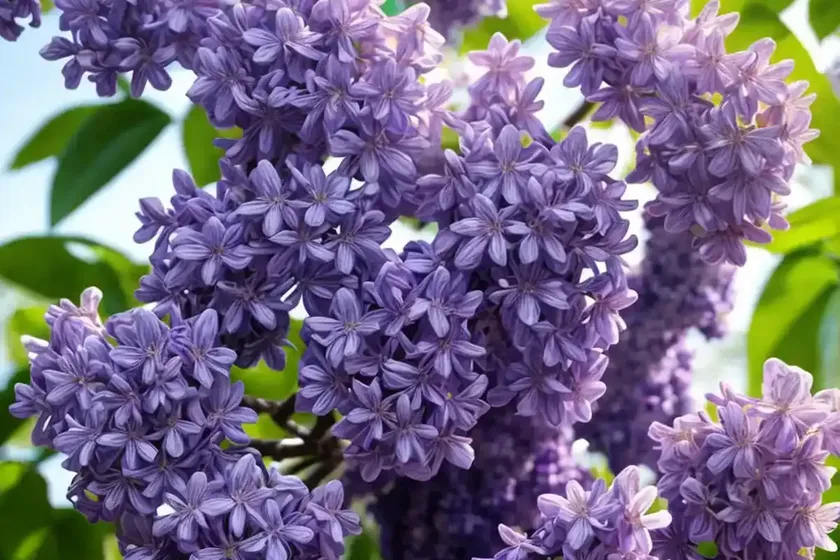
Plants play a crucial role in our environment, providing us with oxygen, food, and beauty. Among the diverse array of plant species, the Syringa x prestoniae ‘Miss Canada’ (Preston Lilac) holds a special place due to its vibrant flowers, fragrant blooms, and low-maintenance nature. In this comprehensive guide, we will explore the various aspects of this beautiful plant, including its culture, uses, growing conditions, common diseases, and much more.
What is Syringa x prestoniae ‘Miss Canada’?
Syringa x prestoniae ‘Miss Canada’, commonly known as Preston Lilac, is a deciduous shrub revered for its stunning display of vibrant, fragrant flowers. This hybrid variety belongs to the genus Syringa and is a result of crossing different lilac species, resulting in a plant that exhibits the best characteristics of its parent plants.
Key Takeaways
Before delving into the details, let’s take a quick look at the key takeaways of Syringa x prestoniae ‘Miss Canada’ (Preston Lilac):
- Botanical Name: Syringa x prestoniae ‘Miss Canada’
- Common Name: Preston Lilac
- Type: Deciduous shrub
- Notable Features: Fragrant, vibrant flowers
- Cultural Significance: Ornamental plant, attracts pollinators
- Growing Conditions: Well-drained soil, adequate sunlight, moderate watering
- Uses: Garden ornamental, hedging, attracting butterflies
Now, let’s dive deeper into the various aspects of this beautiful shrub.
Culture
Uses
Syringa x prestoniae ‘Miss Canada’ is highly valued for its ornamental use in gardens, parks, and landscapes. Its vibrant flowers and refreshing fragrance make it a popular choice for adding visual appeal and a delightful aroma to outdoor spaces. Additionally, the plant’s capability to attract fluttering butterflies adds to its allure, making it a favorite among gardening enthusiasts and nature lovers alike.
Water
Proper watering is essential for the healthy growth of Syringa x prestoniae ‘Miss Canada’. During the initial establishment phase, regular watering is crucial to help the plant develop a strong and extensive root system. Once established, the plant demonstrates good drought tolerance, although it’s important to provide supplementary watering during prolonged periods of drought or in exceptionally hot weather conditions.
Sunlight
Adequate sunlight is vital for the successful cultivation of Syringa x prestoniae ‘Miss Canada’. The plant thrives in full sunlight, which generally translates to around 6-8 hours of direct sunlight per day. However, it can tolerate partial shade, albeit with potentially reduced flowering and overall growth. Therefore, when choosing a planting location for the Preston Lilac, it’s essential to prioritize ample sunlight exposure.
Fertilizer
Like many flowering shrubs, Syringa x prestoniae ‘Miss Canada’ benefits from regular fertilization to support its growth and blooming potential. A balanced, slow-release fertilizer formulated for flowering shrubs is well-suited for this purpose. Applying the fertilizer in early spring, just before the start of the growing season, helps provide the plant with the essential nutrients it needs to fuel its development and maximize flower production.
Soil
The choice of soil is a critical factor in ensuring the health and vigor of Syringa x prestoniae ‘Miss Canada’. Well-drained, fertile soil with a slightly alkaline to neutral pH is ideal for this lilac shrub. Amending the soil with organic matter, such as compost or well-rotted manure, can improve its texture and fertility, creating a favorable environment for the plant’s roots to thrive.
Pruning
Pruning is an essential aspect of maintaining the health, shape, and flowering prowess of Syringa x prestoniae ‘Miss Canada’. Pruning should ideally be carried out immediately after the plant has finished blooming to avoid interfering with the next year’s flower buds. Removing dead or damaged branches, shaping the plant to maintain its desired form, and rejuvenating older plants are among the primary objectives of lilac pruning.
Propagation
For enthusiasts looking to propagate Syringa x prestoniae ‘Miss Canada’, several methods can be employed, including:
- Softwood Cuttings: Obtaining softwood cuttings in early summer and propagating them in a suitable growing medium under controlled conditions.
- Layering: Encouraging new roots to develop on a branch while it is still attached to the parent plant, later severing it to create a new individual.
- Division: Dividing established clumps of the plant to create new plants, with each division consisting of a portion of the root system and accompanying foliage.
Container Popularity
Syringa x prestoniae ‘Miss Canada’ can also thrive in container gardens, allowing individuals with limited outdoor space to enjoy the beauty and fragrance of this exquisite shrub. The containerized plants should be provided with adequate sunlight, well-draining potting mix, and regular watering to ensure their well-being and flowering potential. Additionally, containers offer the flexibility of easily moving the plants to more suitable locations based on sunlight and aesthetic considerations.
Container Common Diseases
While growing Syringa x prestoniae ‘Miss Canada’ in containers can provide certain benefits, it’s important to be mindful of potential diseases that may affect the plant. Common diseases that might impact container-grown Preston Lilacs include:
- Powdery Mildew: A fungal disease that manifests as a powdery white coating on the leaves, stems, and buds of the plant.
- Bacterial Blight: Characterized by dark, water-soaked lesions on the foliage, bacterial blight can lead to significant damage if not properly managed.
- Root Rot: Overly moist and poorly draining conditions can predispose containerized plants to root rot, causing root damage and overall decline.
Implementing proper cultural practices, such as providing adequate air circulation, avoiding overhead watering, and maintaining optimal soil moisture, can help mitigate the risk of these diseases in container-grown Syringa x prestoniae ‘Miss Canada’.
Disease Diagnosis
Diagnosing diseases in Preston Lilacs, whether grown in containers or in the ground, involves careful observation and assessment of the symptoms exhibited by the plant. Common signs of diseases, including discoloration, wilting, abnormal growths, and unusual spots on the foliage, can provide valuable clues about the nature of the ailment affecting the plant. Seeking guidance from local extension services or plant health professionals can aid in accurate disease diagnosis and the implementation of effective management strategies.
Common Pests
While Syringa x prestoniae ‘Miss Canada’ is generally resistant to many pests, certain insects can still pose a threat to the plant’s well-being. Common pests that may affect the Preston Lilac include:
- Aphids: These tiny insects feed on the plant’s sap, potentially causing distortion and stunting of new growth.
- Lilac Leafminers: The larvae of these moths create unsightly trails or tunnels within the leaves, compromising their aesthetic appeal and physiological functions.
- Lilac Borer: The larvae of clearwing moths, lilac borers tunnel into the wood of lilac shrubs, leading to weakened branches and potential plant decline.
Implementing measures such as regular inspection, appropriate cultural practices, and targeted pest management techniques can help safeguard Syringa x prestoniae ‘Miss Canada’ from the potential ravages of these pests.
Botanist’s Tips
As a plant scientist with a deep appreciation for the diverse botanical wonders of the natural world, I offer the following tips for enthusiasts and gardeners interested in cultivating Syringa x prestoniae ‘Miss Canada’:
- Site Selection: Prioritize a sunny location with well-drained, fertile soil when planting Preston Lilacs for optimal growth and blooming.
- Watering Practices: While the plant displays good drought tolerance, consistent watering during dry spells is beneficial for encouraging healthy growth and flowering.
- Pruning Guidelines: Practice regular pruning immediately after flowering to maintain the plant’s shape and vigor, as well as to remove any dead or diseased growth.
- Pest and Disease Management: Keep a watchful eye for signs of pests and diseases, taking proactive measures to prevent and mitigate potential issues to ensure the plant’s long-term health.
Fun Facts
To enrich your understanding and appreciation of Syringa x prestoniae ‘Miss Canada’ (Preston Lilac), here are some intriguing and delightful fun facts about this captivating plant:
- Fragrant Delight: The flowers of Syringa x prestoniae ‘Miss Canada’ exude a sweet, intoxicating fragrance, making them an appealing choice for gardens and landscapes.
- Butterfly Magnet: The vibrant blooms of the Preston Lilac attract various butterfly species, transforming the plant into a delightful haven for these elegant pollinators.
- Symbolism: In various cultures, lilacs are associated with symbolic meanings of love, renewal, and the effortless beauty of nature, adding a touch of sentiment to their presence in gardens.
Links to External Resources
For further exploration of Syringa x prestoniae ‘Miss Canada’ and its fascinating attributes, here are some valuable external resources that offer in-depth knowledge and insights:
- Preston Lilac – The Royal Horticultural Society
- Preston Lilac – Missouri Botanical Garden
- Lilacs: A Gardener’s Encyclopedia – American Horticultural Society
In conclusion, Syringa x prestoniae ‘Miss Canada’ (Preston Lilac) stands as a captivating, fragrant, and visually stunning addition to gardens, and its low-maintenance nature makes it an attractive choice for both novice and experienced gardeners. By understanding its culture, growing conditions, and potential challenges, enthusiasts can cultivate and enjoy the beauty of this delightful lilac shrub while contributing to the ecological harmony of their surroundings. Whether as a vibrant landscape feature, a fragrant patio accent, or a cherished butterfly haven, the charm of Syringa x prestoniae ‘Miss Canada’ continues to enchant and captivate all who encounter it.


