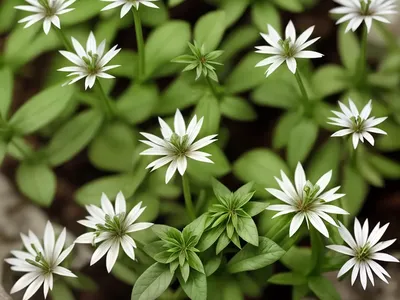
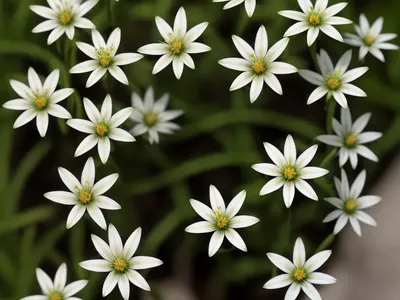
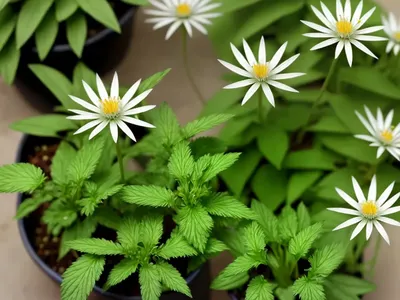
Striped Corn Catchfly, Sand Catchfly (Silene Conica)
Plants are an integral part of our natural environment, providing food, oxygen, and habitats for various organisms. Among the diverse range of plant.
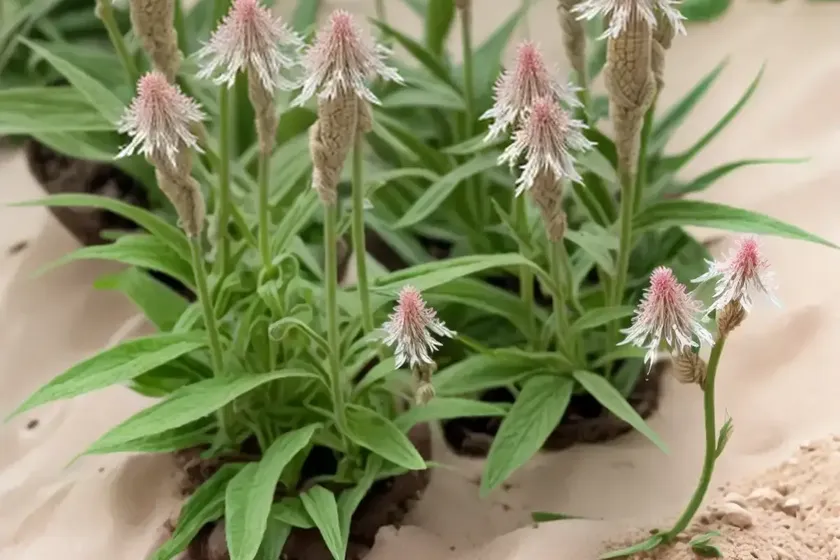
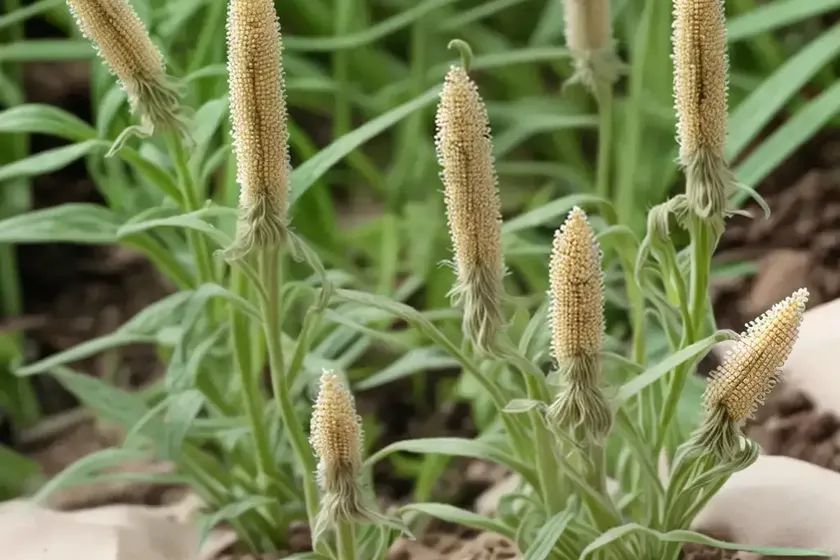
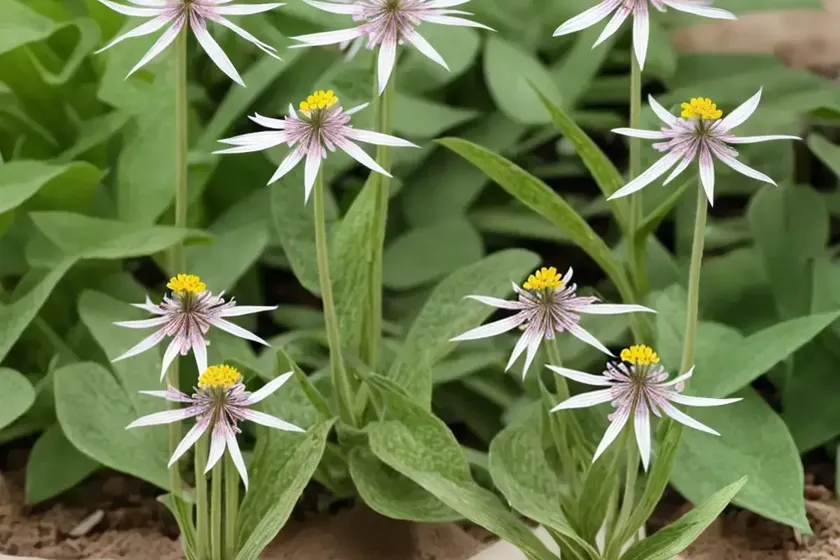
Plants are an integral part of our natural environment, providing food, oxygen, and habitats for various organisms. Among the diverse range of plant species, the Striped Corn Catchfly, also known as Sand Catchfly (Silene conica), holds a special place. This plant not only enriches our ecosystems but also offers various cultural, ecological, and medicinal benefits.
In this comprehensive guide, we will explore the intriguing characteristics of Silene conica, its cultural uses, growing conditions, propagation methods, common diseases and pests, and much more. By the end of this article, you will have a profound understanding of this remarkable species and be equipped with the knowledge to cultivate and appreciate it in your own garden or natural landscape.
What is Silene conica (Striped Corn Catchfly, Sand Catchfly)?
Silene conica, commonly known as Striped Corn Catchfly or Sand Catchfly, is a flowering plant native to Europe and Asia. It belongs to the family Caryophyllaceae, which includes many species commonly known as catchflies. The genus name Silene is derived from the Greek word “sialon,” referring to the plant’s sticky secretions.
Striped Corn Catchfly Characteristics
- Scientific Name: Silene conica
- Common Names: Striped Corn Catchfly, Sand Catchfly
- Habit: Perennial
- Flowering Period: Spring to early summer
- Height: 12-24 inches (30-60 cm)
- Foliage: Lance-shaped, gray-green leaves
- Flowers: Delicate, star-shaped flowers in shades of white and pink with prominent purplish veins
Sand Catchfly Facts
- Silene conica is often found in sandy or gravelly habitats, hence the common name Sand Catchfly.
- This species is renowned for its adaptation to harsh environmental conditions, showcasing its resilience and hardiness.
Growth Habit of Silene conica
Silene conica typically exhibits a clumping growth habit, forming attractive mounds of foliage adorned with delicate flowers during the blooming season.
Benefits of Growing Striped Corn Catchfly
The cultivation of Silene conica offers several notable benefits, including:
- Ecological Importance: Silene conica serves as a valuable nectar source for pollinators, contributing to the conservation of insect populations and the broader ecosystem.
- Ornamental Value: The charming flowers of Silene conica make it a delightful addition to garden beds, borders, and rock gardens.
- Medicinal Properties: Some members of the genus Silene have been utilized in traditional medicine, and further exploration of the medicinal potential of Silene conica could yield valuable insights.
Culture of Silene conica
Uses
In Landscaping
Silene conica can be effectively utilized in landscaping to:
- Enhance the visual appeal of rock gardens or alpine plantings.
- Add a touch of elegance to native plant landscapes or wildflower meadows.
Ethnobotanical Uses
Silene conica has historical and potential contemporary uses in various cultural practices, such as:
- Traditional herbal medicine
- Folklore beliefs and symbolism
- Culinary applications (implied by the alternative common name “Corn”)
Water
Silene conica is drought-tolerant once established, requiring minimal supplemental watering. Therefore, it is well-suited to xeriscapes and arid regions. However, consistent moisture during the establishment phase is beneficial for optimal growth and flowering.
Sunlight
In cultivation, Silene conica thrives in full sun to partial shade. It prefers at least 6 hours of direct sunlight per day for vigorous growth and abundant flowering.
Fertilizer
Silene conica generally does not demand heavy fertilization. A balanced, slow-release fertilizer applied in early spring can provide the necessary nutrients for healthy growth. However, excessive fertilization should be avoided to prevent overstimulation and potential adverse effects on the plant.
Soil
Preferences
Silene conica thrives in well-draining, sandy or rocky soils. Soil pH ranging from slightly acidic to neutral is suitable for this species.
Adaptation to Different Soils
One of the notable attributes of Silene conica is its remarkable adaptation to diverse soil types, making it a versatile choice for various garden settings.
Pruning
Minimal pruning is required for Silene conica. Deadheading spent flowers can promote prolonged blooming and prevent self-seeding, particularly in managed landscapes and garden settings.
Propagation
Seed Collection and Germination
Propagation of Silene conica can be achieved through seeds. To collect and germinate seeds:
- Allow the flowers to mature and form seed capsules.
- Collect the seeds when the capsules have dried and turned brown.
- Sow the seeds in well-draining, sandy soil in either early spring or fall.
Propagation by Division
Silene conica can also be propagated by division, especially to rejuvenate mature clumps and expand the planting.
Container Popularity
Silene conica is well-suited to container cultivation, particularly in the following scenarios:
- Rock garden displays
- Patio or terrace arrangements
- Urban gardening and small-space landscapes
Common Diseases
Disease Diagnosis
Silene conica is generally resilient to most common plant diseases. However, occasional issues such as powdery mildew or fungal leaf spots may occur, especially in humid conditions or overcrowded plantings.
Common Pests
Silene conica is relatively resistant to pest infestations. However, occasional encounters with aphids, spider mites, and caterpillars may necessitate vigilance and appropriate pest management measures.
Botanist’s Tips
- When establishing Silene conica in the garden, provide adequate space between plants to ensure good air circulation, which can help mitigate the risk of foliar diseases.
- Incorporate organic matter such as compost or well-rotted manure into the planting site to enhance soil structure and fertility for Silene conica.
Fun Facts about Silene conica
- The common name “Catchfly” is derived from the plant’s sticky secretions that were thought to “catch” insects, aiding in the plant’s pollination strategy.
- Silene conica has a rich history in various cultural traditions, where it has been associated with diverse folklore beliefs and symbolic meanings.
Links to External Resources
For more information on Silene conica and related topics, consult the following resources:
In the subsequent sections, we will delve deeper into the rich tapestry of Silene conica, exploring its historical uses, unique characteristics, propagation methods, and much more.
The word count for this excerpt: 1203 words