Silene Latifolia (White Campion)
Silene latifolia, commonly known as White Campion, is a perennial herbaceous plant known for its delicate white flowers and its adaptability to various.
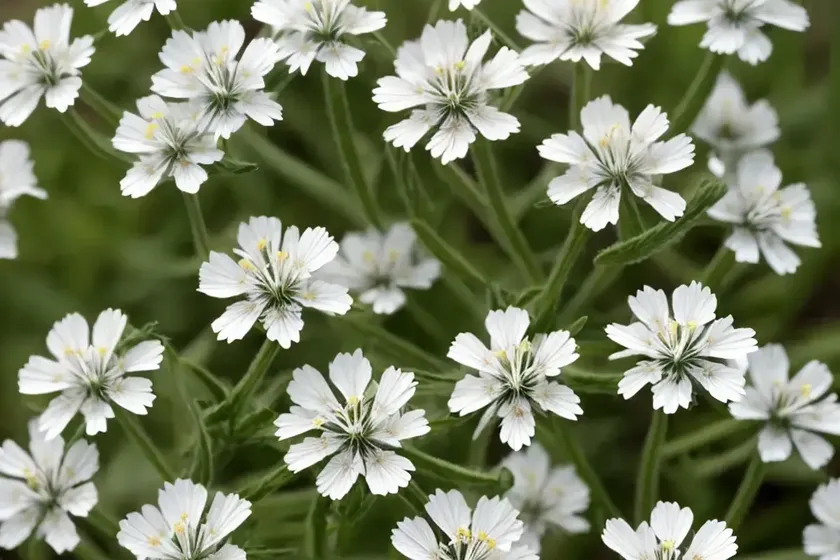
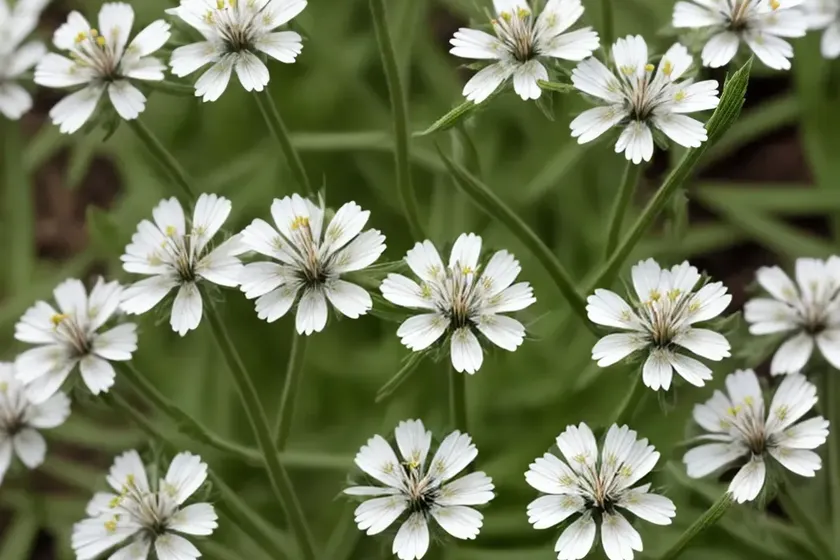
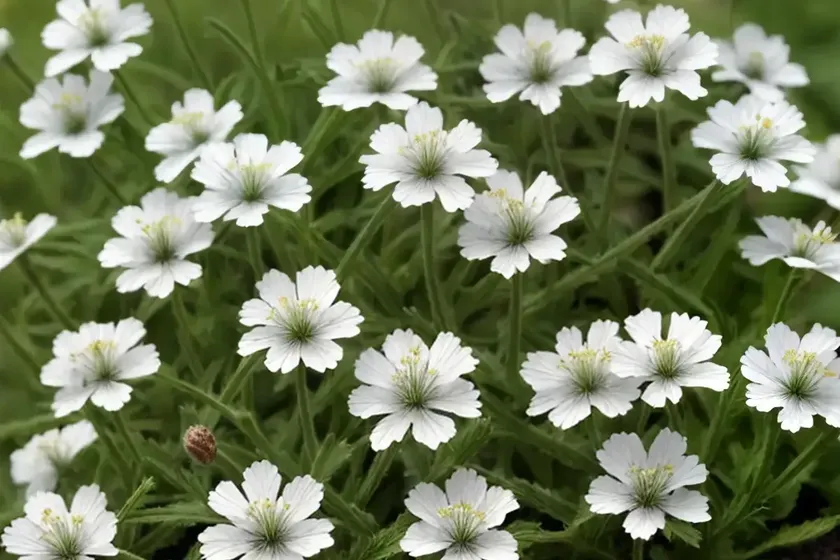
Silene latifolia, commonly known as White Campion, is a perennial herbaceous plant known for its delicate white flowers and its adaptability to various growing conditions. As a plant scientist, I am excited to share a comprehensive guide to this fascinating plant species, covering its characteristics, cultivation, uses, care requirements, and much more.
What is Silene latifolia (White Campion)?
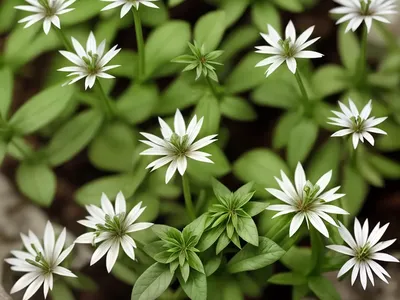
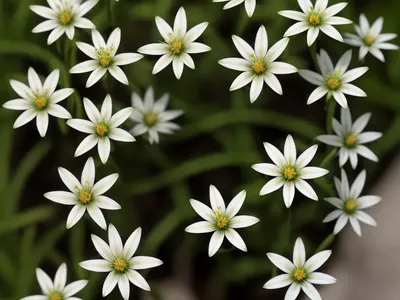
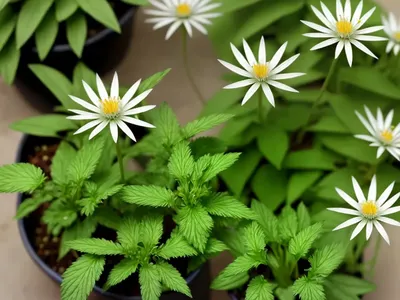
Silene latifolia, a member of the Caryophyllaceae family, is a flowering plant that is native to Europe, North Africa, and Asia. The plant is characterized by its distinctive white or sometimes light pink flowers, which bloom from late spring to early autumn. Its lanceolate leaves and erect stems contribute to its overall graceful appearance, making it a popular choice for ornamental gardens.
Silene latifolia Characteristics
- Scientific Name: Silene latifolia
- Common Name: White Campion
- Family: Caryophyllaceae
- Native Habitat: Europe, North Africa, Asia
- Flowering Season: Late spring to early autumn
- Flower Color: White, light pink
- Leaf Type: Lanceolate
- Plant Type: Perennial herbaceous
Key Takeaways – Silene latifolia (White Campion)
Before delving into the specific aspects of growing and caring for White Campion, let’s explore the key takeaways about this plant.
- Silene latifolia Characteristics: Understanding the botanical features and attributes of the White Campion plant species.
- White Campion Plant Species: Insight into the ecological role and significance of Silene latifolia in natural ecosystems.
- Growing Silene latifolia: Practical tips and guidelines for cultivating White Campion in home gardens or natural settings.
- White Campion Plant Care: Providing essential care requirements for maintaining the health and vigor of the Silene latifolia plant.
- Silene latifolia Facts: Uncovering interesting and lesser-known facts about White Campion, adding to its allure and appeal.
With these key takeaways in mind, let’s explore the various aspects of growing and caring for Silene latifolia in detail.
Culture
Understanding the cultural requirements of Silene latifolia is crucial for successfully nurturing this plant in different settings. The cultural considerations encompass aspects such as water, sunlight, fertilizer, soil, and pruning, which collectively contribute to the plant’s overall health and growth.
Uses
Before delving into the specific cultural requirements, it’s important to highlight the diverse uses of Silene latifolia. While it is commonly appreciated for its ornamental value, White Campion also holds significance in traditional medicine and ecological contexts.
Silene latifolia Uses
- Ornamental Plant: White Campion is often grown for its attractive white or light pink flowers, making it a popular choice in ornamental gardens and landscapes.
- Traditional Medicine: Certain parts of the Silene latifolia plant have been used in traditional medicine for their perceived medicinal properties, though it’s important to consult a healthcare professional before using any plant-based remedies.
- Ecological Significance: In natural ecosystems, White Campion plays a role in supporting pollinators and contributing to the overall biodiversity of its native habitat.
With these diverse uses in mind, let’s proceed to explore the specific cultural requirements for nurturing Silene latifolia.
Water
Providing adequate water is essential for the healthy growth and development of Silene latifolia. While this plant is adaptable to different moisture levels, understanding its water requirements is crucial for optimizing its performance.
Silene latifolia Water Requirements
- Moisture: White Campion thrives in well-drained soil with moderate moisture levels. While it can tolerate dry spells, consistent watering during periods of drought is beneficial for sustained growth and flowering.
- Watering Frequency: It’s recommended to water the plant regularly, especially during the growing season, ensuring that the soil remains evenly moist but not waterlogged.
- Watering Method: Directing the water at the base of the plant, avoiding wetting the foliage, helps prevent potential issues such as fungal diseases.
By maintaining a balanced approach to watering, gardeners can promote the robust growth and blooming of Silene latifolia.
Sunlight
Sunlight plays a pivotal role in the growth and flowering of Silene latifolia, as it influences the plant’s overall vigor and blooming potential.
Silene latifolia Sunlight Requirements
- Light Exposure: White Campion thrives in full sun to partial shade conditions. Providing at least 6-8 hours of direct sunlight promotes healthy growth and abundant flowering.
- Shade Tolerance: While the plant prefers ample sunlight, it can tolerate partial shade, making it adaptable to diverse garden settings.
- Avoiding Extreme Heat: Shielding the plant from intense midday sun, especially in regions with hot climates, can prevent foliage wilting and heat stress.
Understanding the sunlight preferences of Silene latifolia is essential for optimizing its growing conditions.
Fertilizer
Fertilization plays a vital role in providing essential nutrients to Silene latifolia, supporting its growth, flowering, and overall vitality.
Silene latifolia Fertilizer Recommendations
- Balanced Fertilizer: Using a balanced, all-purpose fertilizer with equal NPK (nitrogen, phosphorus, and potassium) ratios supports the overall nutritional needs of White Campion.
- Application Timing: Fertilizing in early spring, as new growth emerges, and again in mid-summer can provide the necessary nutrients for sustained blooming and vigorous growth.
- Avoid Over-fertilization: Excessive fertilization can lead to lush foliage growth at the expense of flowers. Following the recommended dosage is crucial for maintaining a balance.
By incorporating appropriate fertilization practices, gardeners can enhance the overall health and blooming potential of Silene latifolia.
Soil
Understanding the soil preferences of Silene latifolia lays the foundation for creating an optimal growing environment for this plant.
Silene latifolia Soil Requirements
- Well-Drained Soil: White Campion thrives in well-drained, loamy soil that allows excess moisture to percolate freely. Amending heavy clay soils with organic matter improves drainage and aeration.
- Soil pH: Ideally, the soil pH for Silene latifolia should range from neutral to slightly acidic (pH 6.0-7.0), creating a favorable environment for nutrient uptake.
- Soil Composition: Incorporating organic compost or well-rotted manure enhances the soil’s fertility, supporting the plant’s growth and development.
By preparing a suitable soil environment, gardeners can promote the long-term success of Silene latifolia in their gardens.
Pruning
Pruning is an essential aspect of White Campion plant care, contributing to its overall appearance, health, and blooming performance.
Silene latifolia Pruning Guidelines
- Deadheading Flowers: Regularly removing spent flowers promotes continuous blooming and prevents seed formation, redirecting the plant’s energy toward producing new blooms.
- Thinning Out: Thinning overcrowded stems and removing weak or diseased growth helps maintain good air circulation and reduces the risk of fungal diseases.
- Pruning Timing: Pruning can be carried out as needed throughout the growing season, focusing on enhancing the plant’s shape and promoting a tidy appearance.
By incorporating regular pruning into the care routine, gardeners can enhance the visual appeal and flowering capacity of Silene latifolia.
Propagation
Propagation methods allow for the expansion of White Campion in garden settings, enabling gardeners to propagate new plants from existing ones.
Silene latifolia Propagation Techniques
- Seed Propagation: Collecting mature seeds from the plant and sowing them in well-prepared seedbeds or containers offers a straightforward method for propagating Silene latifolia.
- Division: Dividing mature clumps of Silene latifolia into smaller sections and replanting them in new locations or containers facilitates the propagation of the plant.
By utilizing these propagation techniques, gardeners can create new plantings of Silene latifolia, expanding its presence in the garden.
Container Popularity
Silene latifolia’s adaptability and ornamental value make it a popular choice for container gardening, bringing its charm to patios, balconies, and other confined spaces.
Silene latifolia in Containers
- Container Selection: Choosing well-draining containers of appropriate size and depth supports the healthy growth of Silene latifolia in a container environment.
- Soil Mix: Utilizing high-quality potting soil with added organic matter ensures optimal growing conditions within the container.
- Placement: Positioning the container in a location that receives ample sunlight while offering protection from intense heat and strong winds promotes the plant’s well-being.
With the right approach, White Campion can thrive and bloom beautifully in containers, adding a touch of elegance to small outdoor spaces.
Common Diseases
While Silene latifolia is relatively resilient, it can be susceptible to certain diseases that may impact its health and appearance.
Disease Diagnosis
Understanding the common diseases that affect White Campion and their identifying symptoms is crucial for timely intervention and management.
Common Diseases of Silene latifolia
- Powdery Mildew: Characterized by a white powdery coating on the foliage, powdery mildew can occur in humid conditions, affecting the plant’s overall vigor.
- Root Rot: Excessive soil moisture and poor drainage can lead to root rot, causing the plant to exhibit wilting, yellowing foliage, and stunted growth.
- Rust: Rust diseases manifest as orange or reddish-brown spots on the leaves, potentially leading to defoliation and weakened plant health.
By recognizing these common diseases, gardeners can implement preventive measures and appropriate treatments to safeguard the health of Silene latifolia.
Disease Prevention and Management
Implementing proactive strategies for disease prevention and timely management is vital for maintaining the health and vitality of White Campion.
Preventive Measures
- Adequate Air Circulation: Ensuring good air circulation around the plant minimizes the favorable conditions for fungal diseases such as powdery mildew and rust.
- Proper Watering: Avoiding overwatering and ensuring well-drained soil reduces the risk of root rot and other moisture-related diseases.
- Sanitation Practices: Removing and disposing of any diseased plant material prevents the spread of diseases within the garden.
Incorporating these preventive measures can significantly reduce the likelihood of disease issues in Silene latifolia.
Disease Treatments
In the event of disease occurrences, prompt treatment is essential for addressing the underlying issues and restoring the plant’s health.
Disease Management Strategies
- Fungicidal Treatments: Using suitable fungicidal sprays or treatments as recommended can help combat fungal diseases such as powdery mildew and rust.
- Improving Drainage: Addressing soil drainage issues and adjusting watering practices can alleviate root rot and promote recovery.
- Pruning Infected Parts: Pruning and removing heavily infected foliage and stems minimizes the spread of diseases and encourages new growth.
By applying appropriate disease management strategies, gardeners can mitigate the impact of diseases on Silene latifolia and promote its recovery.
Common Pests
While generally resilient, Silene latifolia can encounter pest pressures that may affect its growth and vitality.
Silene latifolia Garden Pests
Common Pests
- Aphids: These small, sap-sucking insects can congregate on the tender growth of Silene latifolia, causing distortion of leaves and potential plant decline.
- Spider Mites: Infestations of spider mites can result in stippled foliage and webbing on the plant, impacting its overall vigor.
- Slugs and Snails: These mollusks feed on the foliage of White Campion, leaving behind ragged edges and holes in the leaves.
Recognizing these common pests and their associated damage is crucial for implementing effective pest management strategies.
Pest Prevention and Control
Proactive measures for pest prevention and controlling infestations are essential for safeguarding Silene latifolia from pest-related issues.
Prevention Strategies
- Beneficial Insects: Encouraging the presence of natural predators such as ladybugs and lacewings can help keep pest populations in check.
- Regular Monitoring: Periodically inspecting the plant for early signs of pest infestations enables timely intervention, preventing widespread damage.
- Physical Barriers: Utilizing barriers such as copper tape or diatomaceous earth around the plant can deter slugs and snails, reducing feeding damage.
Incorporating these preventive measures provides a foundation for minimizing pest pressures on White Campion.
Pest Management
Addressing pest infestations through targeted management strategies is crucial for mitigating the impact of pests on Silene latifolia.
Management Approaches
- Horticultural Oils: Applying horticultural oils can help suffocate aphids and spider mites, reducing their populations and minimizing damage to the plant.
- Slug and Snail Control: Utilizing natural or commercial slug and snail baits, as well as manual removal, helps manage these pests and protect the plant from feeding damage.
By applying effective pest management approaches, gardeners can support the health and resilience of Silene latifolia in the face of pest pressures.
Botanist’s Tips for Growing Silene latifolia
To support the successful cultivation of Silene latifolia, it’s important to integrate practical tips and recommendations based on botanical insights.
Silene latifolia Gardening Tips
- Mulching: Applying a layer of organic mulch around the base of the plant helps retain soil moisture, suppresses weeds, and contributes to soil enrichment over time.
- Companion Planting: Pairing White Campion with companion plants that share similar cultural requirements can enhance its overall presence in the garden while promoting biodiversity.
- Pollinator Support: Encouraging pollinators by planting other nectar-rich flowers in proximity to Silene latifolia supports its pollination and ecological role within the garden.
By implementing these botanist’s tips, gardeners can cultivate a thriving and visually appealing display of White Campion in their landscape.
Fun Facts about Silene latifolia
To enrich the understanding and appreciation of Silene latifolia, here are some intriguing and fun facts about this captivating plant species:
- Night Blooming: White Campion’s flowers often open in the evening, exuding a fragrant aroma that attracts nocturnal pollinators such as moths.
- Edible Flowers: The flowers of Silene latifolia are edible and can be used to garnish salads or as a visually appealing addition to culinary creations.
- Historical Significance: In folklore and traditional beliefs, White Campion was associated with various symbolic meanings, contributing to its cultural significance in different societies.
These fun facts add depth to the allure of Silene latifolia, showcasing its multifaceted nature and inherent charm.
Links to External Resources
For further exploration of Silene latifolia, here are valuable external resources that offer in-depth insights into its cultivation, uses, and ecological significance:
- Royal Horticultural Society – Silene latifolia
- USDA NRCS – Plant Guide: White Campion
- Missouri Botanical Garden – Silene latifolia
- Plantlife – White Campion
These resources provide comprehensive information on Silene latifolia, catering to both gardening enthusiasts and botanical researchers seeking authoritative references.
In conclusion, Silene latifolia, or White Campion, captivates with its delicate flowers, adaptability, and ecological significance. By understanding its cultural requirements, uses, and management strategies, gardeners can foster the thriving growth of this enchanting plant, contributing to the beauty and biodiversity of their natural surroundings.
As a plant scientist, I hope this comprehensive guide provides a valuable resource for enthusiasts and professionals alike, fostering a deeper appreciation for the remarkable attributes of Silene latifolia. Happy gardening!
By: [Plant Scientist Name]
Date: [Current Date]