Purple Toadflax (Linaria Purpurea)
Purple Toadflax, scientifically known as Linaria purpurea, is a charming perennial plant that belongs to the Plantaginaceae family. Native to Southern.
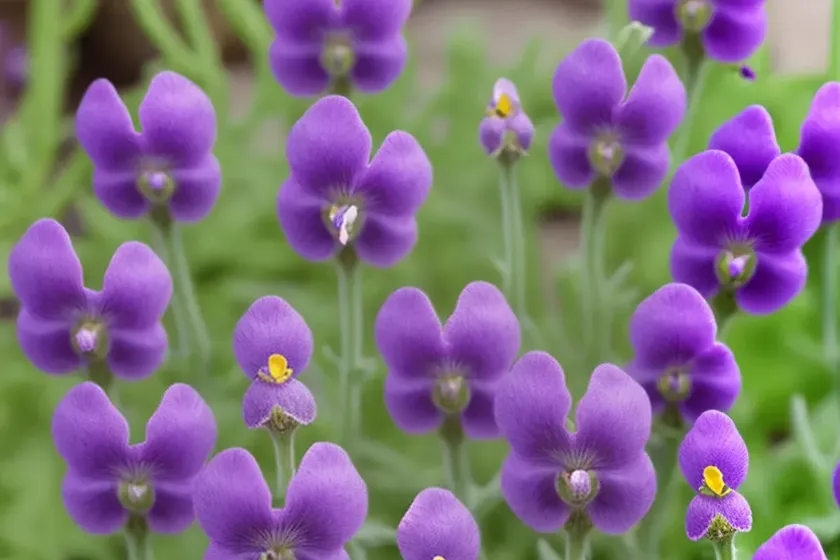
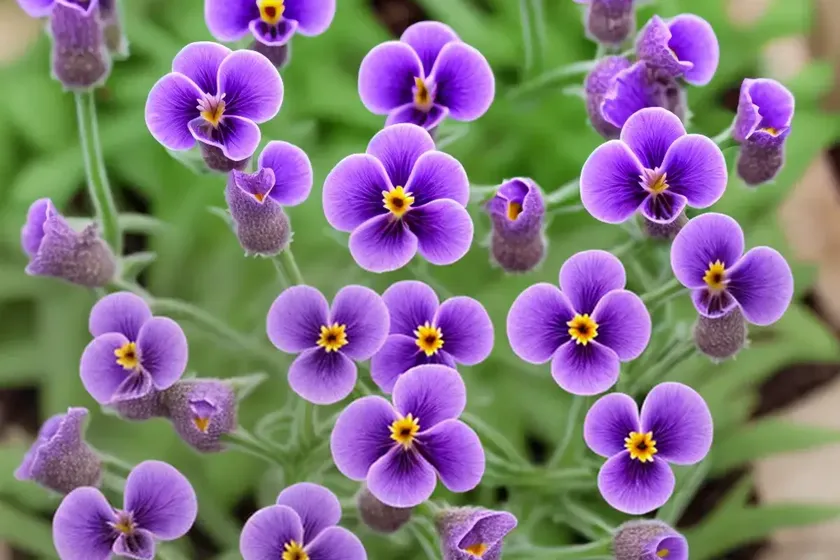
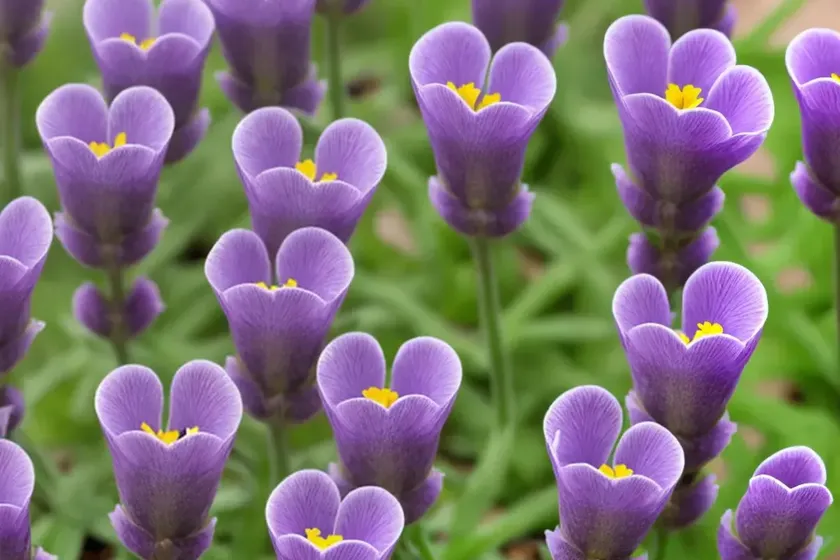
What is Purple Toadflax (Linaria purpurea)?
Purple Toadflax, scientifically known as Linaria purpurea, is a charming perennial plant that belongs to the Plantaginaceae family. Native to Southern Europe, it has become a popular ornamental plant in gardens worldwide due to its attractive, spiky blooms and easy-growing nature.
This blog post will delve into the key aspects of Purple Toadflax, serving as a comprehensive guide for enthusiasts looking to cultivate this stunning plant in their gardens.
Key Takeaways – Purple Toadflax (Linaria purpurea)
- Scientific Name: Linaria purpurea
- Common Name: Purple Toadflax
- Family: Plantaginaceae
- Native Range: Southern Europe
- Plant Type: Perennial
- Plant Height: 1-3 feet
- Flower Colors: Purple, pink, white, or yellow
- Sunlight: Full sun to partial shade
- Watering: Moderate
- Soil Type: Well-draining, average fertility
- Hardiness Zones: 4-9
- Uses: Ornamental, wildlife-friendly
- Key Features: Spiky, densely packed blooms; slender, airy foliage
- Potential Concerns: Susceptible to powdery mildew; self-seeding tendencies
Now, let’s explore each of these aspects in detail to understand how to best care for Purple Toadflax in your garden.
Culture
Uses
Purple Toadflax is primarily cultivated for ornamental purposes, adding a delightful burst of color to gardens, borders, and containers. Due to its nectar-rich flowers, it also appeals to pollinators such as bees and butterflies, making it an excellent choice for wildlife-friendly landscaping.
Water
While Purple Toadflax is relatively drought-tolerant once established, it thrives with regular watering, especially during dry spells. Aim to keep the soil consistently moist but not waterlogged, as excessive moisture can lead to root rot.
Sunlight
This perennial plant thrives in full sun to partial shade. To encourage abundant blooms and robust growth, provide it with at least 6-8 hours of direct sunlight per day.
Fertilizer
Purple Toadflax generally requires minimal fertilization. However, applying a balanced, all-purpose fertilizer in early spring can support healthy growth and prolific flowering. Opt for a fertilizer with a lower nitrogen content to prevent excessive foliage growth at the expense of blooms.
Soil
When it comes to soil, Purple Toadflax prefers a well-draining, loamy soil with average fertility. Amending the soil with organic matter, such as compost, can improve its texture and nutrient content, creating an ideal growing environment for this charming plant.
Pruning
Pruning Purple Toadflax is relatively straightforward. Deadheading spent blooms not only maintains a tidy appearance but also encourages the plant to produce more flowers. Additionally, cutting back the stems after the initial flowering period can promote a second flush of blooms, extending the plant’s visual appeal.
Propagation
Purple Toadflax can be propagated through seeds or vegetative methods such as division or cuttings.
Seed Propagation
To grow Purple Toadflax from seeds, start by sowing the seeds indoors in early spring, or directly in the garden after the last frost date. Sow the seeds on the soil surface and lightly press them down, as they require light for germination. Keep the soil consistently moist, and the seeds should germinate within a few weeks.
Division
During the plant’s dormant season, typically in early spring or fall, mature Purple Toadflax clumps can be divided to create new plants. Carefully dig up the clump, ensuring that each division has a good root system, and replant them in the desired location.
Cuttings
Softwood cuttings taken from healthy, non-flowering shoots during the growing season can be used to propagate Purple Toadflax. Remove the lower leaves, dip the cut end in rooting hormone, and plant the cutting in a well-draining potting mix. Keep the medium moist and provide bottom heat to expedite root development.
Considering Purple Toadflax’s resilience and adaptability, propagation is generally successful, allowing gardeners to expand their collection and share the beauty of this plant with others.
Container Popularity
For gardeners with limited space or those seeking to add vertical interest to their outdoor areas, Purple Toadflax is an excellent choice for container gardening. Its slender, upright growth habit makes it well-suited for containers, where it can be showcased on patios, balconies, or alongside other potted plants.
When selecting a container for Purple Toadflax, opt for one with adequate drainage holes to prevent waterlogging, and use a high-quality potting mix to provide the necessary support and nutrients for the plant’s growth.
Common Diseases
While Purple Toadflax is generally resilient, it can be susceptible to certain diseases, including powdery mildew and rust.
Disease Diagnosis
Identifying and addressing diseases promptly is crucial in maintaining the plant’s health and vigor. Symptoms of powdery mildew, for example, include the presence of a white, powdery coating on the leaves and stems, while rust appears as orange or brown spots on the foliage.
Early detection and appropriate intervention, such as providing good air circulation, removing affected foliage, and applying fungicidal sprays if necessary, can help manage these issues effectively.
Common Pests
Thankfully, Purple Toadflax is relatively resistant to pest infestations. However, it may occasionally attract aphids, spider mites, or slugs.
Pest Control
To deter these pests, regular monitoring of the plant for any signs of infestation is essential. Physical removal of pests, such as gently spraying them off with water or picking them off by hand, can be effective for smaller populations. Additionally, introducing beneficial insects or using organic pest control methods can help maintain a healthy balance in the garden.
Botanist’s Tips
To ensure the successful cultivation of Purple Toadflax, consider the following botanist’s tips:
-
Mulching: Applying a layer of organic mulch around the base of the plant helps retain soil moisture, suppresses weed growth, and provides a barrier between the foliage and the soil, reducing the risk of certain diseases.
-
Support: In areas with strong winds or heavy rainfall, providing support, such as staking, can prevent the plant from bending or flopping over, especially as it reaches its mature height.
-
Winter Protection: In regions with harsh winters, providing a layer of mulch or frost cloth over the plant’s base can offer protection from extreme cold and frost, safeguarding its roots and ensuring regrowth in the following season.
Fun Facts
- The common name “Toadflax” is derived from the resemblance of the plant’s flowers to a toad’s mouth.
- Purple Toadflax is often featured in cottage gardens, adding a delightful, casual charm to the landscape.
- Linaria purpurea is named for its slender, linear leaves and its purple-hued blooms, which adorn the plant in abundance during the flowering season.
Links to External Resources
For further information on Purple Toadflax and in-depth guidance on its care and cultivation, consider exploring the following resources:
- Royal Horticultural Society: The RHS offers comprehensive guidelines on growing Linaria purpurea, including cultivation advice and plant care tips.
- University of Florida IFAS Extension: This extension publication provides insights into pest management strategies and disease control in ornamental plants, which can be valuable in maintaining the health of Purple Toadflax.
- Plant Talk – Colorado State University: A detailed article on the benefits of including wildlife-friendly plants in gardens, emphasizing the appeal of Linaria purpurea for attracting beneficial insects and pollinators.
- American Horticultural Society: An overview of perennial gardening, featuring Purple Toadflax as a versatile and low-maintenance addition to perennial borders and mixed plantings.
In conclusion, Purple Toadflax (Linaria purpurea) stands as a captivating perennial plant that embodies elegance and resilience. When incorporated into garden landscapes, it not only enriches the visual appeal but also contributes to the ecological balance by attracting beneficial wildlife. By understanding its needs and implementing the recommended care practices, gardeners can relish the beauty of this charming plant throughout the growing season, year after year.


