Stevia (Stevia rebaudiana): The Ultimate Plant Guide
Stevia (Stevia rebaudiana) is a fascinating and versatile plant that has gained significant attention in recent years due to its natural sweetness and potential health benefits. In this comprehensive guide, we will delve into the various aspects of Stevia, including its cultivation, uses, care, and much more. Whether you are a seasoned gardener, a health enthusiast, or someone with a penchant for natural remedies, this guide will equip you with the knowledge needed to grow and harness the potential of this remarkable plant.
What is Stevia (Stevia rebaudiana)?
Stevia, scientifically known as Stevia rebaudiana, is a member of the Asteraceae family, which encompasses a diverse array of flowering plants. Native to South America, particularly regions of Paraguay and Brazil, Stevia has been cherished for centuries by the indigenous people for its sweet leaves, which have been used both medicinally and as a natural sweetener.
Key Takeaways – Stevia (Stevia rebaudiana)
Before we delve into the specifics of cultivating and caring for Stevia, let’s understand some key takeaways about this remarkable plant:
- Stevia is a perennial herb prized for its sweet-tasting leaves.
- It is used as a natural alternative to sugar and synthetic sweeteners.
- Stevia has various medicinal properties and is used in traditional medicine.
- The plant requires well-drained soil and ample sunlight for optimal growth.
- Propagation can be done through seeds, cuttings, or division of root clumps.
- Stevia is gaining popularity for its potential role in weight management and as part of a healthy diet.
Now, let’s explore the various facets of Stevia, ranging from its cultural requirements to its uses and potential benefits.
Cultivation of Stevia
Cultivating Stevia can be a rewarding endeavor, whether you are growing it for its ornamental value, medicinal properties, or its sweet leaves. Before delving into the plant’s cultural needs, let’s understand the basics of how to cultivate Stevia.
Uses
Before diving into the cultural requirements of Stevia, it’s essential to understand the various uses of this versatile plant. Stevia can be utilized in the following ways:
- Natural sweetener: The leaves of the Stevia plant are incredibly sweet and can be used as a natural alternative to sugar and artificial sweeteners.
- Medicinal purposes: Stevia has been traditionally used to treat various ailments and promote overall well-being.
- Culinary applications: The leaves of the Stevia plant can be used to add sweetness to a range of culinary creations, from baked goods to beverages.
Water
Stevia plants have moderate water requirements. It is important to ensure that the soil is consistently moist but not waterlogged. During the plant’s active growing period, regular watering is crucial to support healthy foliage and optimal yield of sweet leaves.
It is advisable to water Stevia plants early in the day to allow excess moisture to evaporate and prevent the development of fungal diseases. Additionally, using a soaker hose or drip irrigation can help deliver water directly to the plant’s root zone, minimizing water wastage and reducing the risk of leaf diseases.
Sunlight
Stevia thrives in full sun, requiring a minimum of six hours of direct sunlight each day. In regions with scorching summers, some light afternoon shade can benefit the plant, especially during the hottest part of the day.
When cultivating Stevia indoors, it is essential to provide the plant with bright, indirect light. Placing it near a south-facing window or using grow lights can help ensure that the plant receives the light it needs for robust growth and ample leaf production.
Fertilizer
Applying a balanced fertilizer formulated for edible plants can provide the necessary nutrients for healthy Stevia plants. A slow-release fertilizer can be particularly beneficial, as it will deliver nutrients gradually over an extended period, reducing the frequency of fertilizer application.
It is important to avoid over-fertilizing Stevia, as excessive nitrogen can lead to vigorous vegetative growth at the expense of the sweet compounds in the leaves. Following the recommended dosage on the fertilizer package and applying it at the beginning of the growing season can promote balanced growth and abundant leaf production.
Soil
Stevia thrives in well-drained, loamy soil with a slightly acidic to neutral pH. While the plant can tolerate a range of soil types, including sandy and clay soils, it is crucial to ensure that the soil does not become waterlogged, as this can lead to root rot and other issues.
Adding organic matter, such as compost, to the soil can improve its structure and fertility, providing a favorable environment for Stevia to establish strong roots and flourish. Additionally, regular mulching can help conserve soil moisture, suppress weeds, and enhance the overall health of the plant.
Pruning
Pruning Stevia can help maintain a compact and bushy growth habit, promoting the development of new leaves and enhancing the overall appearance of the plant. Regular pruning also helps remove any leggy or wilted growth, allowing the plant to allocate its resources more efficiently.
When pruning Stevia, it is advisable to use clean, sharp pruners to make precise cuts. Typically, the plant can be pruned to about 6-8 inches in height, and any thick or woody stems can be trimmed to encourage the growth of tender, sweet leaves.
Propagation
Stevia can be propagated through various methods, including seeds, cuttings, and division of root clumps. Each propagation method offers unique advantages and can be chosen based on the resources and expertise available to the grower.
- Seeds: While Stevia seeds can be used to propagate the plant, it is important to note that the seeds have a low germination rate and may require specific conditions to sprout successfully.
- Cuttings: Propagating Stevia from softwood cuttings offers a reliable and efficient method of reproducing the plant. By selecting healthy stems and providing them with the ideal conditions for root development, cuttings can yield new plants with traits identical to the parent plant.
- Division of root clumps: For established Stevia plants, dividing the root clumps and transplanting the sections into separate containers or planting locations can help propagate the plant and maintain its vigor.
Container Popularity
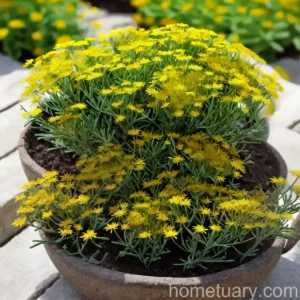
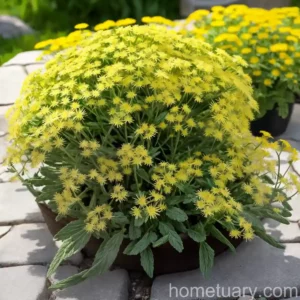
Growing Stevia in containers has gained popularity due to the plant’s compact size, making it well-suited for cultivation on balconies, patios, and small garden spaces. Container gardening offers the flexibility to move the plant to optimal sunlight and protect it from adverse weather conditions, enhancing its overall health and productivity.
When selecting a container for Stevia, it is crucial to choose a pot with adequate drainage holes to prevent waterlogging. Additionally, using a well-draining potting mix and providing regular care, including watering and fertilization, can ensure that the plant thrives in a container environment.
Container Common Diseases
While Stevia is relatively resistant to many common plant diseases, certain issues can arise, especially when the plant is grown in containers. Understanding these potential diseases and their management can help safeguard the health of Stevia plants in container gardens.
Disease Diagnosis
Common diseases that can affect Stevia plants in containers include:
- Powdery mildew: A fungal disease that manifests as a powdery white coating on the leaves, powdery mildew can weaken the plant and impact leaf production.
- Root rot: Excessive moisture in the container soil can lead to root rot, causing the plant’s roots to become soft, discolored, and prone to decay.
- Leaf spot: Leaf spot diseases can cause dark lesions or spots to develop on the leaves, potentially affecting the overall vigor and productivity of the plant.
Common Pests
Pests can also pose a threat to Stevia plants in containers, potentially causing damage to the foliage and diminishing the plant’s overall health. Common pests that may affect Stevia include:
- Aphids: These small, sap-sucking insects can cluster on the undersides of the leaves, causing distortion and yellowing of the foliage.
- Whiteflies: Whiteflies are tiny, moth-like insects that feed on the sap of the plant, leading to the stunting of growth and the spread of viral diseases.
- Spider mites: These minuscule pests can infest the undersides of the leaves, causing stippling, yellowing, and reduced photosynthetic activity.
Botanist’s Tips
To ensure the successful cultivation of Stevia, it is important to keep the following key tips in mind:
- Select a well-draining soil mix and provide adequate drainage for container-grown Stevia plants.
- Ensure that Stevia receives a minimum of six hours of direct sunlight each day for optimal growth and leaf production.
- Monitor the plant for signs of pests and diseases, and take proactive measures to manage any issues that arise.
- Experiment with different culinary applications of Stevia leaves to explore the diverse flavors and sweetening potential of this versatile herb.
Fun Facts
As we delve deeper into the world of Stevia, let’s uncover some intriguing and little-known facts about this extraordinary plant:
- Stevia has been used for centuries by the indigenous people of South America, who referred to it as “sweet leaf” and utilized it for its medicinal properties and sweetness.
- The sweet compounds in Stevia leaves, known as steviol glycosides, are estimated to be 200-400 times sweeter than sucrose (table sugar).
- Japan has been a pioneering nation in the commercial use of Stevia as a sweetener, incorporating it into various food and beverage products since the 1970s.
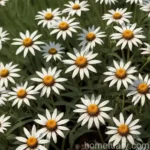
- Stevia plants can also serve as an attractive addition to ornamental gardens, with their lush green foliage and delicate white flowers adding visual appeal to outdoor spaces.
Links to External Resources
To further enrich your knowledge of Stevia and explore its multifaceted uses and benefits, consider delving into the following external resources:
- The Stevia Plant: Benefits, Uses, and Growing Tips
- Stevia: A Comprehensive Guide
- The Sweet Leaf: All About Growing Stevia
In conclusion, Stevia is a remarkable plant that offers a plethora of benefits, from its natural sweetness to its potential role in promoting health and well-being. By understanding its cultural requirements, uses, and potential challenges, you can embark on a rewarding journey of cultivating, harnessing, and savoring the many virtues of this extraordinary herb.
By delving into the cultural requirements of Stevia (Stevia rebaudiana), exploring its diverse applications, and uncovering the nuances of caring for this remarkable plant, we have embarked on a comprehensive journey. From understanding its water and sunlight needs to unraveling its potential health benefits, the world of Stevia is filled with endless possibilities. Whether you are a gardening enthusiast, a health-conscious individual, or simply someone intrigued by the wonders of nature, the journey with Stevia promises to be both enlightening and fulfilling.