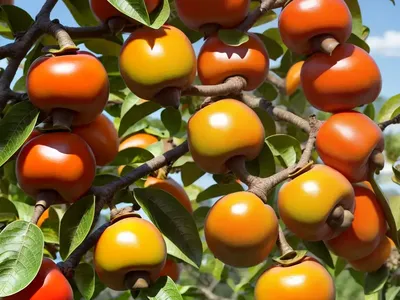
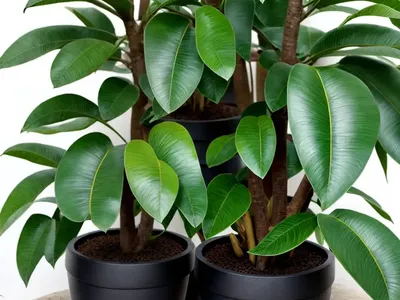
Bladdernut (Diospyros Whyteana)
In the world of plant biodiversity, the Bladdernut, scientifically known as Diospyros whyteana, stands out as a fascinating and valuable species. This.
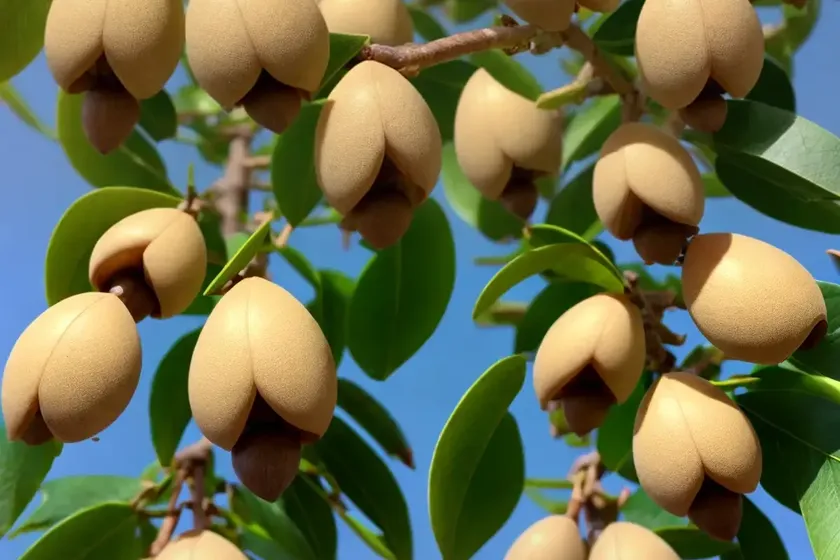
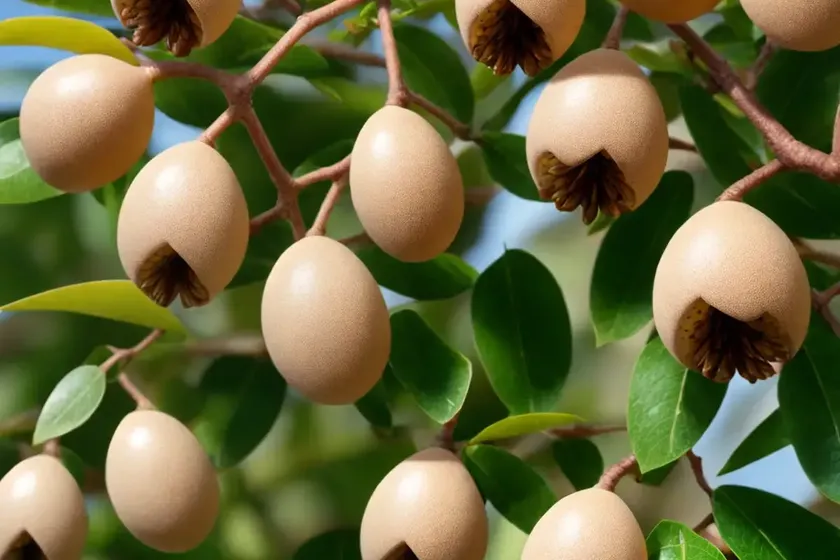
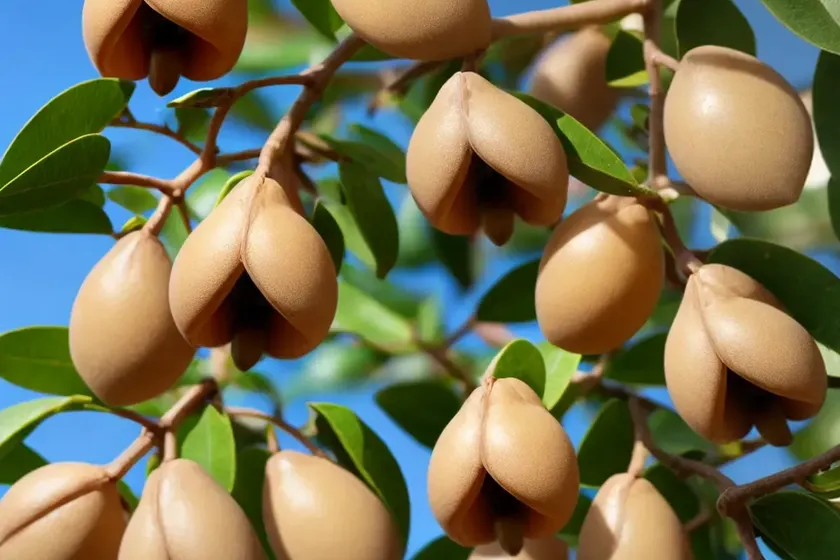
In the world of plant biodiversity, the Bladdernut, scientifically known as Diospyros whyteana, stands out as a fascinating and valuable species. This plant, native to specific regions of Africa, is not only significant for its ecological role but also for its cultural and medicinal significance. In this comprehensive guide, we will explore the various facets of the Bladdernut, covering its habitat, characteristics, uses, care requirements, ecological importance, and much more. Whether you are a botany enthusiast, a gardener, or simply curious about the wonders of nature, this guide will provide you with valuable insights into the world of the Bladdernut.
What is the Bladdernut (Diospyros whyteana)?
The Bladdernut, known scientifically as Diospyros whyteana, is a species of plant that belongs to the genus Diospyros within the family Ebenaceae. This plant is native to various regions in Africa, including countries like South Africa, Zimbabwe, Mozambique, and Malawi. It is characterized by its unique foliage, habitat preferences, and traditional uses by local communities.
Key Takeaways – Bladdernut (Diospyros whyteana)
Before diving into the specific aspects of the Bladdernut, let’s summarize some key takeaways about this intriguing plant species:
- Scientific Name: Diospyros whyteana
- Common Names: Bladdernut tree, wild ebony
- Habitat: Indigenous to South Africa, Zimbabwe, Mozambique, and Malawi
- Uses: Medicinal, cultural (folklore, symbolism), timber, ornamental
- Growth Requirements: Well-draining soil, partial shade, regular watering, minimal pruning
Culture
The Bladdernut has a rich cultural significance in the regions where it is native. It is revered for its traditional uses, folklore, and symbolism, often integrated into local customs and beliefs. Furthermore, the species also holds value as a source of timber and ornamental appeal. Let’s delve deeper into the cultural aspects and uses of the Bladdernut.
Uses
The Bladdernut (Diospyros whyteana) serves a multitude of purposes, reflecting its diverse utility in different spheres. From traditional medicine to timber production, this plant has carved a niche for itself in various cultural and practical domains. Here are some of the key uses of the Bladdernut:
- Medicinal Properties: In traditional medicine, various parts of the Bladdernut plant are utilized to address health concerns. The bark, leaves, and fruits have been employed in herbal remedies for their perceived therapeutic properties.
- Timber Production: The wood of the Bladdernut tree is valued for its strength and durability. It finds use in carpentry, construction, and the creation of various wooden implements.
- Ornamental Value: Due to its attractive foliage and ornamental appeal, the Bladdernut is often cultivated for landscaping and aesthetic enhancement in gardens and public spaces.
- Cultural Significance: The Bladdernut holds cultural significance in local folklore and traditions. It may be associated with symbolism, rituals, or beliefs, reflecting its integration into the socio-cultural fabric of the regions where it thrives.
Water
A crucial aspect of caring for the Bladdernut plant is providing it with the appropriate moisture levels. Adequate watering is imperative for the plant’s health and growth, ensuring that it thrives in its designated environment. Let’s explore the water requirements of the Bladdernut and how to maintain optimal soil moisture for this species.
Sunlight
The Bladdernut (Diospyros whyteana) exhibits specific preferences regarding sunlight exposure. Understanding its requirements for light and shade is essential for cultivating this plant successfully. By providing the right amount of sunlight, you can support the Bladdernut’s growth and overall well-being. Let’s take a closer look at the sunlight needs of the Bladdernut.
Fertilizer
Proper nutrition is vital for the healthy development of the Bladdernut plant. Fertilization plays a key role in supplying essential nutrients that support growth, flowering, and fruiting. By understanding the fertilizer requirements of the Bladdernut, you can optimize its nutrient intake, promoting robust and vibrant growth.
Soil
The choice of soil can significantly impact the growth and vitality of the Bladdernut plant. Understanding the soil preferences of this species is essential when planning its cultivation and maintenance. By providing the right soil conditions, you can create an environment that fosters the Bladdernut’s well-being and productivity.
Pruning
Pruning is a valuable horticultural practice that supports the health and vigor of the Bladdernut. Proper pruning techniques can enhance the plant’s structure, control its size, and promote flowering and fruiting. By mastering the art of pruning the Bladdernut, you can maintain its aesthetic appeal and optimize its overall growth.
Propagation
Propagating the Bladdernut offers an opportunity to expand its presence and cultivate new plants for conservation, landscaping, or commercial purposes. Understanding the propagation methods suitable for this species equips you with the knowledge to propagate it successfully, whether through seeds or vegetative means.
Container Popularity
In the realm of gardening and horticulture, container gardening has gained popularity for its versatility and accessibility. The Bladdernut, with its ornamental value and potential for landscaping, can thrive in containers under the right conditions. Discover the benefits and considerations of cultivating the Bladdernut in containers.
Common Diseases
Disease diagnosis is a critical aspect of maintaining the health and vitality of the Bladdernut. By recognizing and addressing common diseases that may affect this species, you can implement proactive measures to safeguard its well-being. Explore the common diseases that can afflict the Bladdernut and learn how to identify and manage them effectively.
Common Pests
Pests can pose a threat to the Bladdernut’s growth and vitality. Understanding the common pests that may target this plant equips you with the knowledge to implement pest management strategies effectively. By identifying and addressing potential pest issues, you can protect the Bladdernut from harm and promote its flourishing.
Botanist’s Tips
As a plant of ecological importance and diverse utility, the Bladdernut presents unique considerations and opportunities for enthusiasts and professionals in the botanical realm. By embracing botanist’s tips tailored to the specific characteristics and requirements of the Bladdernut, you can enhance your understanding and cultivation of this fascinating species.
Fun Facts
Exploring the intriguing facets of the Bladdernut can reveal a treasure trove of fun and captivating facts. From its ecological interactions to its cultural significance, this plant offers a tapestry of interesting details that illuminate its place in the natural world and human society. Discover some delightful and surprising fun facts about the Bladdernut.
Links to External Resources
For further exploration and in-depth understanding of the Bladdernut (Diospyros whyteana) and related topics, the following external resources are recommended:
-
South African National Biodiversity Institute (SANBI): The SANBI provides valuable information on the biodiversity of South Africa, including resources related to indigenous plant species such as the Bladdernut.
-
International Union for Conservation of Nature (IUCN): The IUCN offers insights into conservation efforts and the status of species, including assessments and reports relevant to the Bladdernut’s conservation status.
-
Missouri Botanical Garden: The Missouri Botanical Garden is a renowned botanical institution, offering botanical information, resources, and educational materials that can deepen your knowledge of the Bladdernut and related subjects.
-
Kew Royal Botanic Gardens: Kew Gardens provides a wealth of botanical knowledge, research, and resources, including information on plant conservation, taxonomy, and horticultural practices.
Conclusion
In conclusion, the Bladdernut (Diospyros whyteana) stands as a compelling subject of study and appreciation, encompassing ecological, cultural, and practical dimensions. Its habitat, uses, growth requirements, and significance in various domains offer a rich tapestry of insights and opportunities for exploration. By understanding and valuing the Bladdernut, we can contribute to its preservation, leverage its potential, and continue to uncover the marvels of the natural world.
As we continue to deepen our understanding of plant species like the Bladdernut, we gain not only knowledge but also a profound appreciation for the intricate web of life that sustains and enriches our world. Whether through its ecological role, cultural resonance, or practical applications, the Bladdernut invites us to explore and honor the diverse tapestry of life that surrounds us.
Disclaimer: The information provided in this guide is for educational and informational purposes only. Please consult with relevant experts and authorities before undertaking any activities related to plant cultivation, conservation, or utilization.