Bottle Euphorbia (Jatropha Podagrica)
The world of plants encompasses an incredibly diverse array of species, each with its unique characteristics, needs, and uses. Among these fascinating and.
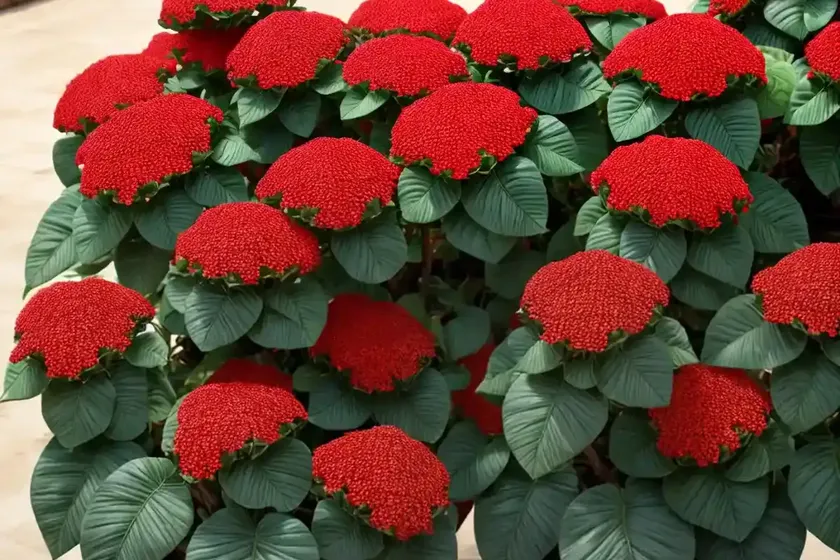
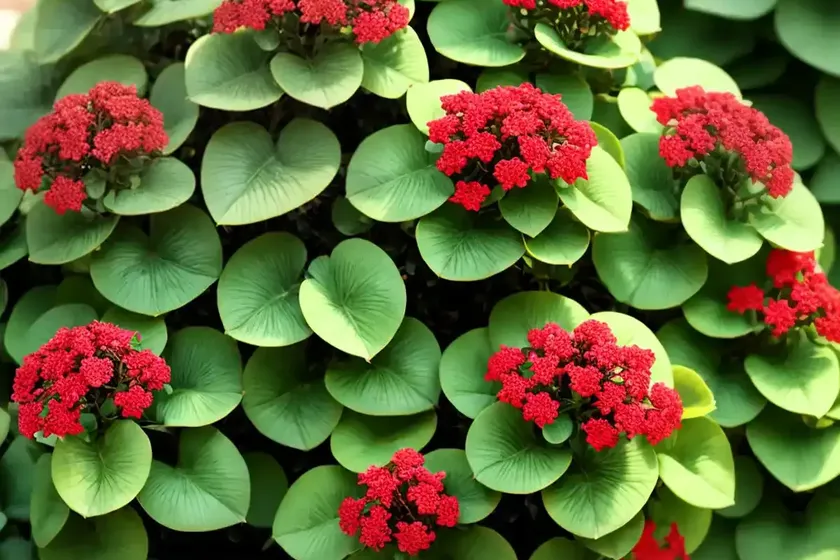
The world of plants encompasses an incredibly diverse array of species, each with its unique characteristics, needs, and uses. Among these fascinating and diverse plants is the Bottle Euphorbia, scientifically known as Jatropha podagrica. This striking succulent is renowned for its peculiar bottle-shaped swollen stem and rich cultural heritage. In this comprehensive guide, we will delve into the captivating realm of the Bottle Euphorbia, exploring its cultural uses, care requirements, common diseases, propagation methods, and much more.
What is Bottle Euphorbia (Jatropha podagrica)?
The Bottle Euphorbia, or Jatropha podagrica, is a fascinating succulent plant native to the tropical regions of Central America. It is a member of the Euphorbiaceae family, which comprises a diverse group of flowering plants, including herbs, shrubs, and trees.
The standout feature of the Bottle Euphorbia is its unique, bottle-like stem, which has earned it a place as a popular ornamental plant in gardens and landscapes across tropical and subtropical regions. Aside from its distinctive appearance, the plant carries cultural significance in traditional medicine and folklore, adding to its allure and appeal.
Key Takeaways – Bottle Euphorbia (Jatropha podagrica)
Before we embark on a detailed exploration of the Bottle Euphorbia, let’s highlight the key takeaways about this extraordinary plant:
- Scientific Name: Jatropha podagrica
- Common Name: Bottle Euphorbia
- Family: Euphorbiaceae
- Native Habitat: Central America
- Distinctive Feature: Swollen, bottle-shaped stem
- Cultural Significance: Traditional medicine and folklore
- Growing Zone: USDA zones 10-11
Now that we have a foundational understanding of the Bottle Euphorbia, let’s dive into the essential aspects of caring for and appreciating this remarkable plant.
Culture
Understanding the cultural background and uses of the Bottle Euphorbia adds depth to our appreciation of this unique succulent. From its traditional medicinal applications to its symbolic significance, the cultural context sheds light on the multifaceted nature of this plant.
Traditional and Medicinal Uses
In various cultures, the Bottle Euphorbia holds a place in traditional medicine, with its parts being utilized for their purported therapeutic properties. The plant has been historically employed to address an array of ailments, from skin conditions to digestive disorders and beyond. While it’s important to approach traditional uses with caution and respect, the historical significance of the Bottle Euphorbia in traditional medicine is noteworthy.
Symbolic Meanings
Bottle Euphorbia’s distinctive appearance has also rendered it a plant with symbolic significance. In some cultures, it is associated with resilience, longevity, and the ability to withstand harsh conditions, reflecting the plant’s natural hardiness and adaptability. Understanding the symbolic meanings associated with the Bottle Euphorbia adds a layer of cultural allure to its already captivating presence.
Folklore and Cultural Significance
The plant’s cultural significance extends to folklore, where it may be intertwined with myths, legends, and traditional practices. Exploration of these cultural narratives enriches our understanding of the plant, offering insights into the roles it has played in the lives and beliefs of different communities.
Uses
The Bottle Euphorbia serves various purposes, both practical and symbolic, making it a versatile addition to gardens, landscapes, and cultural traditions.
Ornamental Use
One of the primary uses of the Bottle Euphorbia is as an ornamental plant, adorning gardens, tropical landscapes, and botanical collections. The distinctive form of its stem and the attractive foliage make it an eye-catching addition to any setting.
Traditional Medicine
As mentioned earlier, the plant has a history of use in traditional medicine, with its various parts being employed for their potential medicinal properties. However, it’s essential to exercise caution and seek expert guidance before considering any medicinal applications of the plant.
Symbolism and Cultural Practices
In addition to its visual appeal and potential medicinal uses, the Bottle Euphorbia also plays a role in cultural and symbolic practices, representing a range of meanings across different traditions and societies.
Water
One of the fundamental aspects of caring for the Bottle Euphorbia is ensuring appropriate watering practices that align with its specific needs as a succulent plant.
Watering Needs
The Bottle Euphorbia, like many succulents, thrives in well-draining soil and prefers a watering regimen that allows the soil to dry out between waterings. Overly moist conditions can lead to root rot and other issues, so it’s crucial to practice moderation when watering this plant.
Watering Frequency
During the active growing season, typically in spring and summer, the Bottle Euphorbia will benefit from regular but moderate watering. As the weather cools and the plant enters a period of dormancy, it’s important to reduce watering to prevent waterlogged soil.
Ideal Watering Method
When watering the Bottle Euphorbia, it’s advisable to apply water directly to the root zone, allowing the soil to absorb it gradually. Avoid overhead watering, as excessive moisture on the foliage and stem can create an environment conducive to fungal diseases.
Signs of Overwatering and Underwatering
Understanding the signs of overwatering and underwatering is essential for gauging the plant’s water needs. Overwatering may manifest as wilting, yellowing, or softening of the stem, while underwatering can lead to shriveling and loss of turgidity in the foliage.
Sunlight
As with many succulent plants, light plays a critical role in the growth and overall health of the Bottle Euphorbia. Understanding its sunlight requirements is key to providing an optimal growing environment.
Sunlight Requirements
The Bottle Euphorbia thrives in bright, indirect light to partial shade. In its natural habitat, it often receives dappled sunlight or partial shade from surrounding vegetation, making it well-suited for similar conditions in cultivation.
Indoor vs. Outdoor Light Conditions
When grown indoors, it’s essential to position the plant near windows or in areas that receive bright, indirect light for a significant portion of the day. Outdoors, providing partial shade can help protect the plant from intense midday sun, especially in regions with hot climates.
Sunlight Adaptations
In response to intense sunlight, the Bottle Euphorbia may develop a reddish or purplish hue on its stem and foliage. This is a natural adaptation to high light levels and serves to protect the plant from potential sun damage.
Signs of Light Stress
Exposure to excessive sunlight, particularly without adequate acclimatization, can lead to sunburn and damage to the plant’s tissues. It’s important to be attentive to any signs of light stress and adjust the plant’s placement accordingly.
Fertilizer
Proper fertilization is essential for supporting the growth and vitality of the Bottle Euphorbia, providing the necessary nutrients for robust development.
Fertilizing Schedule
During the growing season, which typically spans spring to early fall, the Bottle Euphorbia benefits from periodic fertilization. Using a balanced, water-soluble fertilizer diluted to half or a quarter of its recommended strength can help supply the plant with essential nutrients without the risk of over-fertilization.
Fertilizer Composition
When selecting a fertilizer for the Bottle Euphorbia, opt for a formulation designed for succulent plants or a general-purpose balanced fertilizer with equal proportions of nitrogen, phosphorus, and potassium (e.g., 10-10-10).
Frequency and Dosage
Apply fertilizer to the plant every 4-6 weeks during the growing season, ensuring that the soil is moist before application. Avoid over-fertilizing, as this can lead to salt buildup in the soil, causing damage to the plant’s roots and overall health.
Organic Fertilizer Options
For those preferring organic options, there are several plant-based or compost-based fertilizers available that can be suitable for the Bottle Euphorbia. Always follow the manufacturer’s recommendations for application rates and frequency.
Soil
The choice of soil is paramount when cultivating the Bottle Euphorbia, as it directly impacts the plant’s root health, water retention, and overall vigor.
Well-Draining Soil
The Bottle Euphorbia thrives in well-draining soil that allows excess moisture to pass through readily. A specialized succulent or cactus mix, augmented with perlite or coarse sand, provides the ideal growing medium for this plant.
pH Range
Slightly acidic to neutral pH (6.0-7.0) is preferred for the soil in which the Bottle Euphorbia is grown. Avoid highly alkaline soils, as these can interfere with the plant’s nutrient uptake and overall physiological processes.
Soil Composition
In addition to ensuring good drainage, the soil mix should be lightweight and porous, fostering aeration and preventing waterlogging. This helps mitigate the risk of root rot and other moisture-related issues.
Potting Requirements
When potting the Bottle Euphorbia, choose containers with drainage holes to further help in maintaining optimal soil conditions. The appropriate pot size allows for sufficient root space without excessively waterlogged soil around the roots.
Pruning
Pruning plays a role in maintaining the health and appearance of the Bottle Euphorbia, addressing issues such as dead or diseased growth and shaping the plant as desired.
Removal of Dead or Yellowing Parts
Regularly inspect the plant for any dead or yellowing stems or foliage and promptly remove them to discourage the spread of disease and maintain the plant’s vitality and appearance.
Shaping and Control
As the plant grows, selective pruning can help shape its overall form and manage its size. This is particularly relevant for maintaining a compact and aesthetically pleasing appearance, especially in container or indoor settings.
Timing of Pruning
The best time for pruning the Bottle Euphorbia is during the active growing season, typically in spring or early summer. Avoid extensive pruning during the winter months, when the plant tends to be in a period of dormancy.
Pruning Precautions
When pruning the Bottle Euphorbia, it’s important to wear gloves and handle the plant with care, as its sap can be irritating to the skin and mucous membranes. Additionally, take care to disinfect pruning tools to prevent the spread of disease.
Propagation
As with many ornamental plants, propagation offers a means of creating new individuals and expanding one’s collection of Bottle Euphorbia. Understanding the various propagation methods is instrumental in successfully reproducing the plant.
Propagation from Stem Cuttings
One of the most common methods of propagating the Bottle Euphorbia is through stem cuttings. Select a healthy, non-flowering stem and allow the cut end to callus before planting it in a suitable propagation medium. With proper care, the cutting will develop roots and establish itself as a new plant.
Seed Propagation
Another approach to propagating the Bottle Euphorbia is by collecting and sowing its seeds. Keep in mind that seeds may exhibit some variability in their germination requirements, so it’s beneficial to research and understand the specific conditions that promote successful seedling establishment.
Offsets and Pups
In some instances, the Bottle Euphorbia produces offsets or pups, which are miniature versions of the parent plant that can be separated and grown independently. This method offers a relatively straightforward way to increase the plant population.
Propagation Considerations
Regardless of the propagation method chosen, taking into account factors such as temperature, humidity, and the appropriate growing medium is crucial for the successful establishment of new plants from cuttings, seeds, or offsets.
Container Popularity
The Bottle Euphorbia’s distinctive appearance and adaptability make it well-suited for cultivation in containers, adding a touch of exotic charm to indoor and outdoor settings.
Indoor Container Gardening
As an indoor plant, the Bottle Euphorbia thrives in containers placed in well-lit areas, such as near windows that receive ample indirect sunlight. Its striking form and minimal care requirements make it an appealing addition to indoor spaces.
Outdoor Container Planting
In outdoor settings, the Bottle Euphorbia can be showcased in containers on patios, decks, or verandas, contributing to a tropical or arid-themed garden. The plant’s ability to thrive in containers simplifies its integration into a variety of landscapes and garden designs.
Container Selection
When choosing a container for the Bottle Euphorbia, opt for pots with drainage holes that allow excess water to escape, preventing waterlogging. Additionally, selecting a pot with a size appropriate for the plant’s root system will aid in maintaining proper soil conditions.
Overwintering in Containers
For regions with cold winters, overwintering Bottle Euphorbia in containers may involve moving the plants indoors to protect them from frost and low temperatures. Adequate light and occasional watering during the winter months help maintain plant health.
Common Diseases
Like all plants, the Bottle Euphorbia is susceptible to certain diseases and issues that can compromise its health and appearance. Understanding these potential challenges is essential for preventing and managing them effectively.
Fungal Diseases
Excessive moisture, particularly in poorly draining soil, can create conditions favorable for fungal pathogens to thrive. Common fungal diseases that may affect the Bottle Euphorbia include root rot and powdery mildew, both of which can be detrimental if not addressed promptly.
Bacterial Infections
Bacterial infections, often manifested as lesions or soft rotting areas on the plant, can occur due to improper watering practices, injuries, or contaminated growing medium. Maintaining good sanitation and promoting proper airflow can help minimize the risk of bacterial issues.
Pest-Induced Problems
In addition to diseases, the Bottle Euphorbia may also face challenges from various pests, such as aphids, mealybugs, and scale insects. Regular monitoring and prompt intervention can prevent pest populations from causing significant damage.
Viral Diseases
While viral diseases are less common in succulent plants like the Bottle Euphorbia, they can still pose a potential threat. These diseases often lead to stunted growth, discoloration, and distorted foliage, and there are limited treatment options once a plant is infected.
Disease Diagnosis
Detecting and diagnosing diseases in the Bottle Euphorbia involves careful observation and assessment of the plant’s overall condition and specific symptoms.
Symptoms of Disease
Common signs of disease in the Bottle Euphorbia include wilting, yellowing or browning of leaves, unusual spots or lesions, and a general decline in the plant’s vigor and appearance. Identifying these symptoms can help in determining the nature of the issue.
Diagnostic Steps
When facing potential disease problems, it’s beneficial to inspect the plant thoroughly, considering factors such as recent changes in care practices, exposure to environmental stressors, and the presence of pests or unusual growth patterns.
Seeking Expert Advice
If disease symptoms persist or are unclear, seeking guidance from a plant professional, such as a horticulturist or plant pathologist, can provide valuable insights into effective disease management strategies.
Preventative Measures
Implementing preventative measures, such as proper watering, good air circulation, and regular monitoring for pests, can significantly reduce the risk of disease development and help maintain the health of the Bottle Euphorbia.
Common Pests
In addition to diseases, the Bottle Euphorbia may fall victim to various pests that can threaten its well-being and vitality. Recognizing and addressing these pests is crucial for safeguarding the plant’s health.
Aphids
Aphids are small, sap-sucking insects that can infest the Bottle Euphorbia, causing distorted growth and excreting sticky honeydew. Regularly inspecting the plant for aphid populations and employing appropriate control methods can help manage this pest.
Mealybugs
Mealybugs are soft-bodied insects that may gather in the nooks and crannies of the Bottle Euphorbia, feeding on its sap and potentially transmitting plant diseases. Manual removal and targeted insecticidal treatments are among the strategies for managing mealybug infestations.
Scale Insects
Scale insects, characterized by their protective waxy covering, can attach themselves to the stems and foliage of the Bottle Euphorbia, posing a threat to the plant’s health. A combination of physical removal and horticultural oils can aid in controlling scale populations.
Spider Mites
Spider mites are minuscule arachnids that can cause stippling and webbing on the leaves of the Bottle Euphorbia. Boosting humidity and using targeted miticides can help prevent widespread damage from spider mite infestations.
Botanist’s Tips
With their in-depth expertise and knowledge of plant biology and care, botanists offer invaluable insights for cultivating and appreciating the Bottle Euphorbia to its fullest potential.
Growth Habits and Patterns
Understanding the natural growth habits and patterns of the Bottle Euphorbia can inform decisions related to its maintenance, such as pruning, shaping, and overall plant care practices.
Environmental Adaptations
Botanists can shed light on the plant’s adaptations to its natural environment, offering guidance on how to replicate optimal growing conditions in domestic settings, whether indoors or outdoors.
Disease and Pest Management
Drawing from their expertise in plant pathology, botanists can contribute valuable strategies for preventing and managing disease and pest issues that may affect the Bottle Euphorbia.
Conservation and Preservation
Botanists often play a role in conservation efforts, advocating for the preservation of plant species like the Bottle Euphorbia and contributing to initiatives aimed at protecting biodiversity.
Fun Facts
The world of plants never fails to surprise and captivate, and the Bottle Euphorbia is no exception. Here are some intriguing facts that exemplify the plant’s uniqueness and allure:
- The Bottle Euphorbia’s swollen stem serves as a water reservoir, enabling the plant to survive in arid conditions with infrequent rainfall.
- While its scientific name is Jatropha podagrica, the plant is known by various common names in different regions, reflecting its widespread cultivation and cultural significance.
- In some traditional practices, the Bottle Euphorbia’s sap has been used as a topical application for skin ailments and minor injuries, attributed to its purported anti-inflammatory properties.
- The plant’s striking appearance has made it a subject of fascination and admiration in botanical art and illustration, showcasing its aesthetic appeal and symbolic resonance.
Links to External Resources
For further exploration and learning about the Bottle Euphorbia (Jatropha podagrica), consider the following external resources:
- The Royal Horticultural Society (RHS) Guide to Growing Euphorbias
- University of Florida Gardening Solutions – Euphorbias
- Dave’s Garden – Bottle Euphorbia (Jatropha podagrica)
- Missouri Botanical Garden – Jatropha podagrica
- [American Society for the Prevention of Cruelty to Animals (ASPCA) – Toxic and Non-Toxic Plants: Jatropha spp.](https://www.aspca.org/pet-care/animal-poison-control/toxic-and-non-to