Cosmos Bipinnatus (Cosmos Sulphureus)
Over the years, gardeners have cherished Cosmos bipinnatus and its close relative Cosmos sulphureus for their vibrant flowers, low maintenance, and.

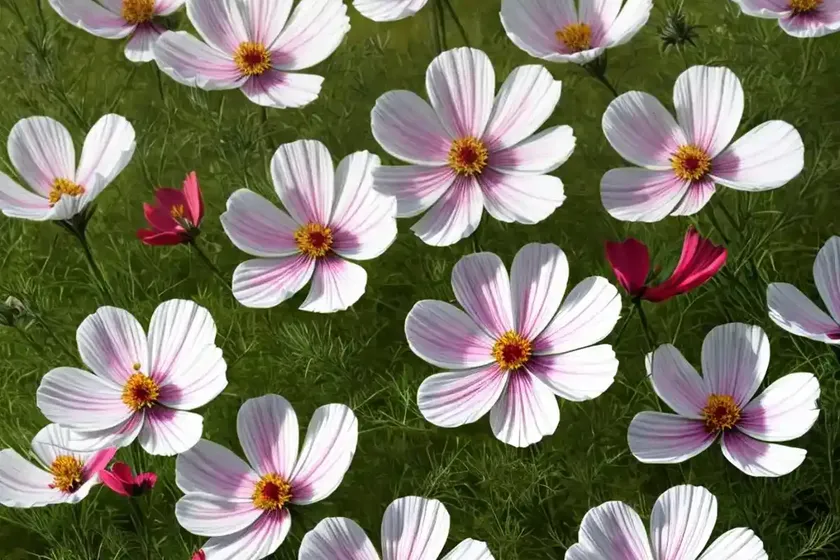
Over the years, gardeners have cherished Cosmos bipinnatus and its close relative Cosmos sulphureus for their vibrant flowers, low maintenance, and adaptability. Whether you are a beginner or a seasoned gardener, these plants hold a unique appeal due to their diverse cultural uses, resilience, and the feeling of nostalgia they evoke. In this comprehensive guide, we will explore the various aspects of these delightful plants, from their cultural significance to their ideal growing conditions, allowing you to make the most of their presence in your garden or indoor spaces.
What is Cosmos bipinnatus (Cosmos sulphureus)?
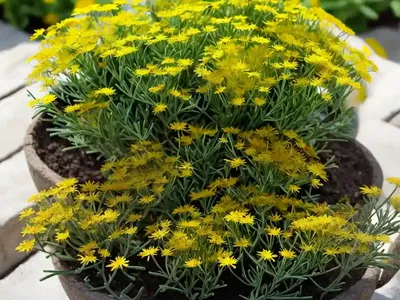
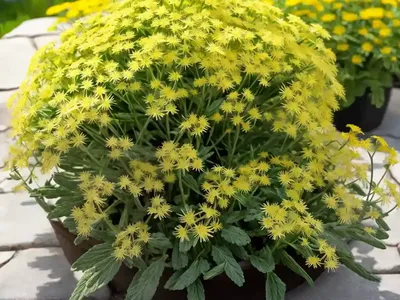
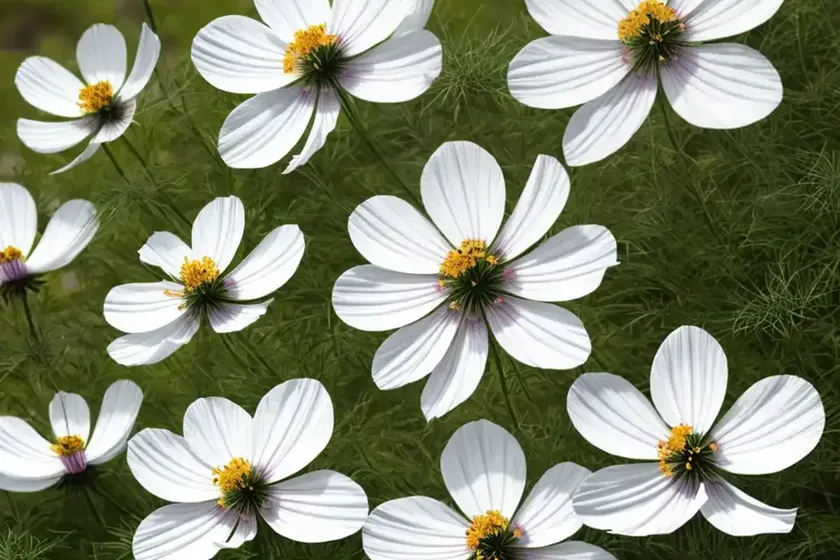
Cosmos bipinnatus, commonly known as Mexican aster, and Cosmos sulphureus, also referred to as sulfur cosmos, are flowering plants belonging to the Asteraceae family. Originating from Mexico, these species are herbaceous annuals, known for their feathery foliage and daisy-like flowers in shades of pink, red, orange, and yellow.
Key Takeaways – Cosmos bipinnatus (Cosmos sulphureus)
Before diving into their specific cultural needs, let’s take a moment to uncover the various facets of these stunning plants:
- Cultural Uses: Widely used for ornamental purposes in gardens, landscapes, and even as cut flowers due to their long and sturdy stems.
- Water: Possessing moderate water requirements, these plants thrive in well-drained soil and are moderately drought-tolerant once established.
- Sunlight: Flourish in full sunlight but also tolerate partial shade, making them suitable for various growing conditions.
- Fertilizer: Generally, these plants do not require heavy feeding and can thrive with minimal fertilization.
- Soil: Prefer moderately fertile, well-draining soil with a slightly acidic to neutral pH.
- Pruning: Deadheading spent flowers can encourage prolonged blooming, making them visually appealing for extended periods.
- Propagation: Easily propagated from seeds or cuttings, offering a convenient means of expanding your cosmos collection.
- Container Popularity: Adaptable to container gardening, providing an excellent option for those with limited outdoor space.
With these key takeaways in mind, let’s delve deeper into the various aspects of cultivating and caring for these exquisite plants.
Culture
Culturally, Cosmos bipinnatus and Cosmos sulphureus have left their mark on gardens and landscapes due to their remarkable adaptability and striking visual appeal. Understanding their specific cultural requirements is integral to ensuring their successful growth, thereby enhancing the aesthetic beauty of your surroundings.
Water
When it comes to watering these plants, it is important to strike a balance. Overwatering can lead to root rot, while underwatering may result in stunted growth and fewer flowers. To maintain optimal soil moisture, a simple guideline to follow is the finger test. Insert your finger into the soil up to the first knuckle, and if the soil feels dry, it’s time to water the plants. Additionally, applying a layer of mulch around the base of the plants can help in conserving soil moisture and minimizing weed growth.
Sunlight
Exposure to sunlight plays a pivotal role in the growth and flowering of Cosmos bipinnatus and Cosmos sulphureus. These plants flourish in full sunlight, receiving at least 6-8 hours of direct sunlight daily. While they are sun-loving plants, they can also thrive in partially shaded areas, making them adaptable to various garden settings.
Fertilizer
Unlike some demanding plants, Cosmos bipinnatus and Cosmos sulphureus exhibit modest fertilizer requirements. A balanced, all-purpose fertilizer applied at half-strength every four to six weeks during the growing season can provide a sufficient nutrient supply for healthy growth and abundant flowering. It is important to exercise caution to avoid over-fertilization, which can lead to excessive foliage growth at the expense of flowers.
Soil
Selecting the right soil is crucial for the successful cultivation of Cosmos bipinnatus and Cosmos sulphureus. These plants prefer moderately fertile, well-draining soil with a slightly acidic to neutral pH (6.0-7.0). Amending the soil with organic matter such as compost can aid in improving its structure and fertility. Additionally, the incorporation of perlite or coarse sand can enhance drainage, which is essential in preventing waterlogged soil conditions that can be detrimental to the plants’ health.
Pruning
Pruning plays a significant role in maintaining the vitality and aesthetic appeal of Cosmos bipinnatus and Cosmos sulphureus. Deadheading, the removal of spent flowers, is a simple and effective technique that promotes continuous blooming, enriches the visual appearance of the plants, and prevents self-seeding. Furthermore, the removal of dead or diseased foliage contributes to the overall health and vigor of the plants.
Propagation
The ability to propagate these plants from seeds or cuttings offers an accessible means of expanding your cosmos collection or sharing their beauty with others. When planning to propagate Cosmos bipinnatus and Cosmos sulphureus, collecting mature seeds from the healthiest plants or taking softwood cuttings during the growing season can yield successful results. With proper care and suitable growing conditions, these propagation methods offer the satisfaction of nurturing new plants from their beginning stages.
Container Popularity
The adaptability of Cosmos bipinnatus and Cosmos sulphureus to container gardening is a feature that has endeared them to urban and space-constrained gardeners. The convenience and versatility of container gardening allow these plants to adorn balconies, patios, and even windowsills, bringing forth their cheerful blooms and vibrant colors to compact spaces.
Popular Varieties
Several popular varieties exhibit varying flower colors, sizes, and growth habits, offering a diverse range of options for gardeners and enthusiasts. Some well-known selections include:
- ‘Sonata’ Series: Compact and early-flowering, available in an array of vibrant colors.
- ‘Seashells’: Uniquely shaped petals resembling seashells, available in mixed colors.
- ‘Bright Lights’: A mix of bright and pastel hues, adding a delightful touch to gardens and landscapes.
Common Diseases
While Cosmos bipinnatus and Cosmos sulphureus are generally robust plants, they are susceptible to certain diseases that can impact their health and appearance. Understanding these diseases and their management is essential in ensuring the optimal growth of these charming plants.
Disease Diagnosis
Upon observing any irregularities in the appearance or growth of your cosmos plants, it is important to conduct a thorough inspection to identify any potential disease issues. Common signs of diseases in Cosmos bipinnatus and Cosmos sulphureus include:
- Fungal Diseases: Presence of powdery mildew, gray mold (Botrytis cinerea), or leaf spot diseases, leading to discolored or spotted foliage.
- Root Rot: Wilting, yellowing, or browning of the foliage, accompanied by a decaying odor from the soil, indicating potential root rot issues.
- Viral Diseases: Stunted growth, distorted leaves, and mottled patterns on the foliage, indicative of viral infections.
Common Pests
In addition to diseases, these plants may also fall victim to various pests that can hinder their growth and vitality. Common pests that may affect Cosmos bipinnatus and Cosmos sulphureus include:
- Aphids: Small, sap-sucking insects that can lead to distorted growth and the presence of sticky honeydew on the leaves.
- Spider Mites: These tiny arachnids can cause stippling and webbing on the foliage, leading to weakened and discolored plants.
- Thrips: These slender insects can cause stippling and distortion of flowers and foliage, impacting the overall aesthetics of the plants.
Botanist’s Tips
Drawing from the wealth of knowledge and experience in cultivating Cosmos bipinnatus and Cosmos sulphureus, botanists offer valuable insights and tips to ensure the successful growth and enjoyment of these delightful plants. Here are some key tips from seasoned botanists:
- Adequate Spacing: When planting Cosmos bipinnatus and Cosmos sulphureus, provide ample spacing between the plants to allow for proper air circulation, reducing the risk of fungal diseases.
- Mulching: Applying a layer of organic mulch around the base of the plants not only conserves soil moisture but also suppresses weed growth, contributing to the overall health of the plants.
- Companion Planting: Pairing Cosmos bipinnatus with pollinator-attracting plants such as lavender, salvia, or zinnias can create a vibrant and biodiverse garden, while also benefiting the surrounding flora and fauna.
Fun Facts
Beyond their horticultural significance, Cosmos bipinnatus and Cosmos sulphureus harbor captivating characteristics and historical significance that add to their allure. Here are some fun facts to deepen your appreciation for these remarkable plants:
- Insect Attraction: The nectar-rich flowers of cosmos plants attract a diverse array of pollinators, including butterflies, bees, and beneficial insects, contributing to the ecological balance in the garden.
- Cultural Significance: In Mexican culture, Cosmos bipinnatus is known as “Tetechi,” and its flowers are utilized during the Day of the Dead celebrations, symbolizing remembrance and the ephemeral nature of life.
- Low-Maintenance Beauty: With their effortless growth and abundant blooms, cosmos plants exemplify low-maintenance beauty, infusing vibrant colors and charm into various garden settings.
Links to External Resources
As you embark on your journey to cultivate and appreciate Cosmos bipinnatus and Cosmos sulphureus, tapping into external resources can provide valuable insights, guidance, and inspiration. Here are some recommended external resources to expand your knowledge and enthusiasm for these captivating plants:
-
The Royal Horticultural Society (RHS) – Offers comprehensive guidance on growing and caring for cosmos plants, along with information on various species and cultivars.
-
University Extension Services – Provides a wealth of research-based information, articles, and resources on horticulture, including specific recommendations for cosmos cultivation.
-
Botanical Gardens – Explore botanical gardens that specialize in showcasing a diverse range of plant species, offering an immersive experience to deepen your understanding of Cosmos bipinnatus and Cosmos sulphureus.
-
Online Gardening Communities – Engage with fellow gardening enthusiasts in online communities and forums to exchange knowledge, seek advice, and share your passion for cosmos plants.
With a newfound understanding of the cultural significance, ideal growing conditions, and charming attributes of Cosmos bipinnatus and Cosmos sulphureus, you are well-equipped to enrich your garden and indoor spaces with the beauty of these beloved plants. Harnessing their adaptability, low-maintenance nature, and vibrant blooms, cosmos plants stand as a testament to the enduring appeal of horticulture and the joy it brings to all who embrace it.