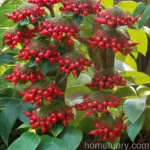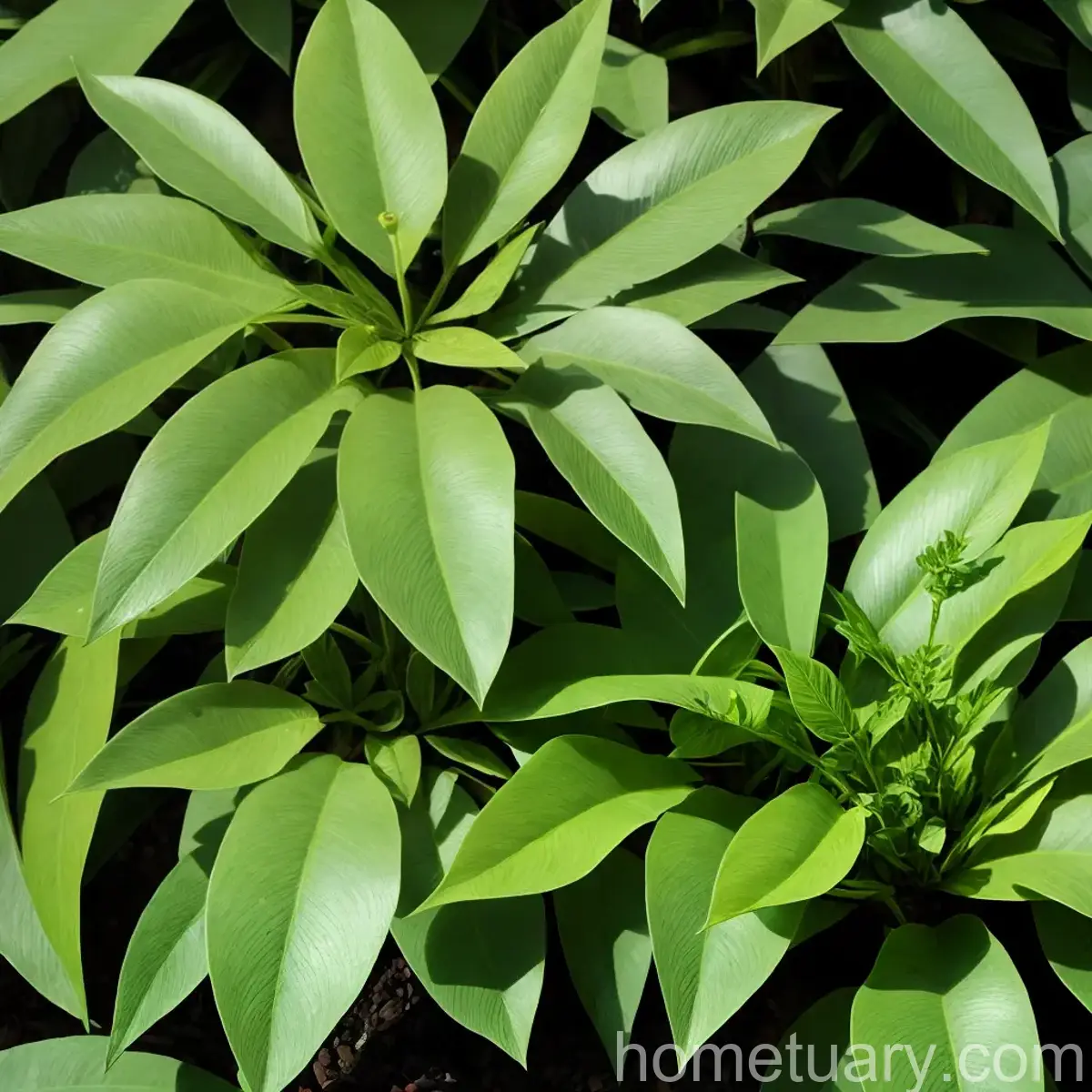
Plant Spotlight: Spur Leaf (Tetracentron sinense)
Plants are an integral part of the Earth’s ecosystem, providing us with oxygen, food, medicine, and more. There are countless plant species, each with its unique characteristics and uses. In this blog post, we will delve into the world of Tetracentron sinense, commonly known as the spur leaf tree. We will explore its cultivation, care, benefits, and much more. So, let’s embark on a journey to discover the wonders of the spur leaf tree.
What is Tetracentron sinense?
Tetracentron sinense is a deciduous tree belonging to the family Trochodendraceae. It is native to China and can also be found in neighboring regions such as Tibet and Nepal. The tree is renowned for its distinctive foliage and is highly valued for various purposes.
Key Takeaways
Before we dive deeper into the specifics of the spur leaf tree, here are some key takeaways:
- Tetracentron sinense is a deciduous tree native to China, known for its unique foliage.
- The tree has cultural, medicinal, and ecological significance.
- It requires adequate water, sunlight, and soil nutrients for optimal growth.
- Common diseases and pests may affect the spur leaf tree, necessitating proper care and maintenance.
- The propagation of Tetracentron sinense can be achieved through various methods such as seed germination and cutting.
Now, let’s explore the various aspects of cultivating and caring for the spur leaf tree.
Culture
Understanding the cultural significance and traditional uses of Tetracentron sinense is crucial in appreciating its role in different societies. Throughout history, this tree has been a part of various cultural practices and has contributed to the well-being of communities.
Uses
- Medicinal Purposes: In traditional Chinese medicine, various parts of the spur leaf tree, including the bark and leaves, have been used to treat ailments such as fever and gastrointestinal disorders. The tree’s medicinal properties have made it an essential component of herbal remedies.
- Cultural Symbolism: Tetracentron sinense holds cultural significance in Eastern societies, often being associated with longevity, resilience, and natural beauty. Its presence in literature, art, and folklore reflects its profound impact on culture.
Care and Maintenance
Caring for the spur leaf tree involves providing optimal conditions for its growth and addressing potential threats such as diseases and pests. Let’s explore the key elements of its care and maintenance.
Water
- Requirements: Tetracentron sinense thrives in well-drained soil and requires regular watering, especially during its early establishment phase. Adequate moisture levels are essential for the tree’s growth and overall health.
- Watering Tips: When watering the spur leaf tree, ensure that the soil is evenly moist but not waterlogged. Periodic deep watering is beneficial, particularly during dry periods, to support the tree’s root system.
Sunlight
- Preferences: The spur leaf tree exhibits a preference for partial shade to full sun. It benefits from receiving direct sunlight for a portion of the day while also having some protection from intense midday sun, especially in warmer climates.
Fertilizer
- Nutrient Needs: Providing balanced fertilizer can enhance the growth and vitality of Tetracentron sinense. A slow-release, organic fertilizer applied during the tree’s active growing season can help meet its nutrient requirements.
Soil
- Preferences: Well-drained, loamy soil with adequate organic matter content is ideal for the spur leaf tree. The soil should offer good aeration and moisture retention, supporting the tree’s root development.
Pruning
- Techniques: Pruning is essential to maintain the spur leaf tree’s shape, promote air circulation, and remove any damaged or diseased branches. Early spring, before the tree enters its active growth phase, is an optimal time for pruning.
Propagation
The propagation of Tetracentron sinense allows for the cultivation of new trees and the preservation of its genetic diversity. Several methods can be employed to propagate the spur leaf tree effectively.
Methods
- Seed Germination: Collecting seeds from mature Tetracentron sinense trees and germinating them under controlled conditions can yield new saplings. Proper care should be given to the seeds to promote successful germination.
- Cutting: Propagating the spur leaf tree through cutting involves taking healthy stem cuttings and encouraging their root development under favorable environmental conditions.
Container Popularity
Cultivating Tetracentron sinense in containers has gained popularity among gardening enthusiasts and urban dwellers. The tree’s ornamental value, manageable size, and adaptability to container growth make it a desirable choice for container gardening.
Common Diseases and Pest Management
Despite its resilience, the spur leaf tree is susceptible to certain diseases and pests that can affect its health and appearance. Being vigilant and proactive in disease and pest management is essential to maintain the vigor of Tetracentron sinense.
Disease Diagnosis
- Fungal Diseases: Common fungal infections such as powdery mildew and leaf spot may affect the spur leaf tree. Timely identification and appropriate treatment are crucial to prevent the spread of such diseases.
- Bacterial Infections: Bacterial diseases can manifest as leaf spots, cankers, or wilting. Implementing proper sanitation and using disease-resistant varieties can mitigate the risk of bacterial infections.
Common Pests
- Aphids and Scale Insects: These sap-feeding pests can infest the spur leaf tree, causing leaf discoloration and stunted growth. Natural predators, horticultural oils, and insecticidal soaps can help manage aphids and scale insects.
- Caterpillars: Certain caterpillar species may feed on Tetracentron sinense foliage, necessitating monitoring and targeted interventions to prevent extensive damage.
Botanist’s Tips
As a plant scientist with a passion for Tetracentron sinense, I would like to share some insightful tips for enthusiasts and horticulturists interested in cultivating and appreciating the spur leaf tree.
Fun Facts
- Tetracentron sinense is often referred to as a “living fossil” due to its ancient lineage and unique evolutionary history.
- The tree’s botanical features, such as its distinctive spur-shaped leaves and intricate flowers, make it a captivating subject for botanical studies and research.
Links to External Resources
To expand your knowledge of Tetracentron sinense and delve deeper into its characteristics and cultivation, consider exploring the following resources:
1. Royal Botanic Gardens, Kew – Tetracentron sinense
2. Missouri Botanical Garden – Tetracentron sinense
3. Flora of China – Tetracentron
With an understanding of Tetracentron sinense’s significance, cultivation, and care, enthusiasts can foster a deeper appreciation for this remarkable tree and contribute to its conservation and sustainable utilization.
Conclusion
In conclusion, the spur leaf tree (Tetracentron sinense) embodies a rich tapestry of cultural, ecological, and horticultural value. Its distinctive characteristics, medicinal properties, and resilience in various habitats make it a plant of great importance. By embracing the knowledge shared in this blog post and utilizing the provided resources, individuals can embark on a rewarding journey of nurturing, understanding, and celebrating the wonders of Tetracentron sinense.
We hope this exploration of Tetracentron sinense has sparked your curiosity and inspired you to further explore the diverse world of plants and their profound significance in our lives.
As a plant scientist, it is truly fascinating to uncover the intricate details of plant species like Tetracentron sinense and share these insights with passionate individuals. The cultivation and care of plants contribute to the vitality of our planet and enrich the human experience in countless ways. Through continuous learning and appreciation, we can nurture a sustainable and harmonious relationship with the botanical world.
Thank you for joining us on this journey of discovery, and may your connection with plants continue to blossom and flourish.
[This blog post is a collaborative effort by plant scientists and horticultural experts dedicated to fostering a deeper understanding of plant species and their significance.]