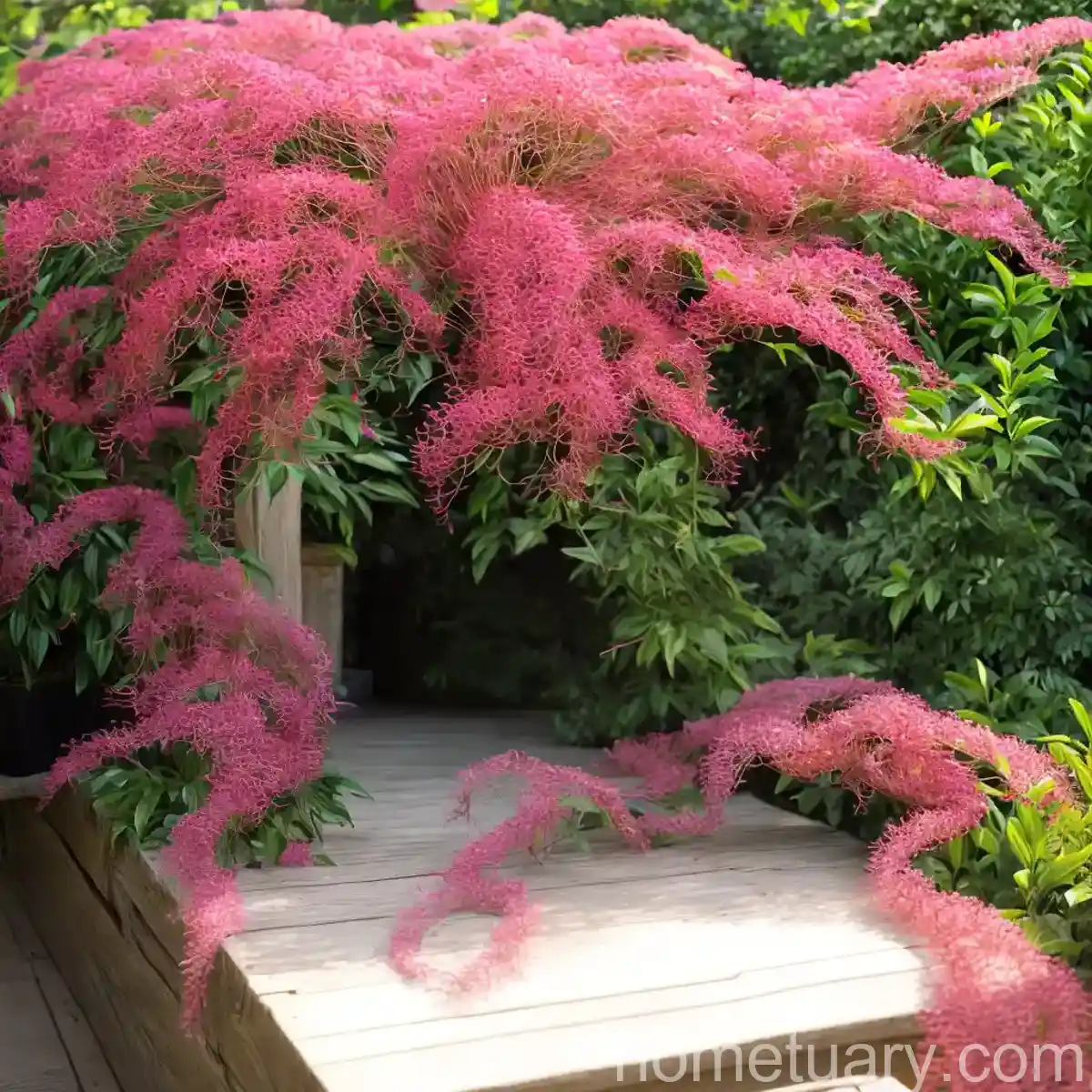
Sprawling Wirevine (Muehlenbeckia Axillaris): A Comprehensive Guide
Introduction
Plants have the remarkable ability to enhance the natural beauty of our surroundings while providing a myriad of other benefits. One such plant that has recently garnered attention in horticultural circles is the Sprawling Wirevine, scientifically known as Muehlenbeckia Axillaris. This versatile and charming plant possesses a variety of uses and a unique set of characteristics that make it a desirable addition to gardens, landscapes, and even indoor spaces.
This comprehensive guide will delve into the world of Sprawling Wirevine, exploring its culture, uses, care requirements, propagation methods, and much more. Whether you’re a beginner plant enthusiast or a seasoned gardener, this guide will equip you with the knowledge and insights needed to cultivate and enjoy the beauty of Muehlenbeckia Axillaris.
What is Sprawling Wirevine (Muehlenbeckia Axillaris)?
Native to New Zealand, Muehlenbeckia Axillaris, commonly known as Sprawling Wirevine, is a wiry, sprawling, and evergreen shrub belonging to the Polygonaceae family. Its delicate, intertwined vines and small, glossy leaves contribute to its aesthetic appeal, making it a popular choice for ground cover, ornamental plantings, and even container gardening. The plant’s graceful and versatile nature allows it to adapt to a wide range of growing conditions, making it suitable for landscaping projects and indoor cultivation.
Sprawling Wirevine is renowned for its ability to create dense and luscious mats, adding a touch of greenery to otherwise barren areas. Its low-growing, spreading habit and small, round leaves make it an attractive choice for edging paths, cascading over walls, or adding visual interest to rock gardens. In addition to its ornamental uses, Muehlenbeckia Axillaris plays a role in ecological conservation by providing habitat and sustenance for various wildlife and pollinators.
Key Takeaways – Sprawling Wirevine (Muehlenbeckia Axillaris)
Before delving into the specifics of cultivating and caring for Sprawling Wirevine, it’s essential to understand its key characteristics and the value it brings to horticulture and gardening. Here are the crucial takeaways about Muehlenbeckia Axillaris:
Plant Characteristics:
- Species: Muehlenbeckia Axillaris
- Common Name: Sprawling Wirevine
- Family: Polygonaceae
- Origin: New Zealand
- Habit: Evergreen, sprawling, vine-like
- Foliage: Small, glossy, round leaves
- Growth Habit: Low-growing, trailing
Uses:
- Ornamental Purposes: Ground cover, landscaping, container gardening
- Wildlife Habitat: Provides shelter and food for wildlife and pollinators
- Erosion Control: Effective in stabilizing soil and preventing erosion
- Aesthetic Appeal: Adds visual interest and greenery to various settings
Now that we have a basic understanding of Sprawling Wirevine, we can delve into the specifics of cultivating and caring for this versatile plant.
Culture
Understanding the cultural requirements of Sprawling Wirevine is crucial for its successful cultivation. From sunlight and water needs to soil preferences and fertilizer application, providing the right cultural conditions is essential for the health and vitality of Muehlenbeckia Axillaris.
Uses
The Sprawling Wirevine, with its versatile growth habit and charming appearance, serves a myriad of uses, both functional and aesthetic:
Aesthetic and Design Applications:
- Ground Cover: Forms dense mats, creating lush, green carpets in gardens and landscapes
- Path Edging: Defines paths and walkways with its trailing habit and attractive foliage
- Container Gardening: Suitable for hanging baskets, pots, and other containers due to its trailing nature
- Rock Gardens: Adds an aesthetic dimension to rock gardens and crevices
- Erosion Control: Effective in stabilizing soil and preventing erosion in sloped or barren areas
Ecological Benefits:
- Wildlife Habitat: Provides shelter and food for small wildlife and pollinators
- Soil Stabilization: Aids in preventing soil erosion, particularly in coastal or sloped areas
The multifaceted uses of Sprawling Wirevine make it a valuable addition to gardens, landscapes, and various ecological restoration projects.
Water
Proper watering is essential for the health and vigor of Sprawling Wirevine. While this plant is relatively low-maintenance once established, ensuring adequate moisture is crucial, especially during the establishment phase.
Watering Guidelines for Sprawling Wirevine:
- Establishment Phase: Water thoroughly after planting to help the roots establish in the new environment
- Regular Watering: Maintain consistent moisture levels, ensuring the soil doesn’t dry out completely
- Avoid Waterlogging: While it prefers moist soil, ensure proper drainage to prevent waterlogging, which can adversely affect the plant
By adhering to these watering guidelines, you can ensure the optimal health and growth of Muehlenbeckia Axillaris.
Sunlight
Understanding the sunlight requirements of Sprawling Wirevine is crucial for selecting the right growing location and providing the plant with the necessary light exposure.
Sunlight Preferences for Sprawling Wirevine:
- Full Sun to Partial Shade: Thrives in a wide range of light conditions, from full sun to partial shade
- Adaptable Nature: Can tolerate varying light intensities, making it versatile for different garden settings
By offering varying light conditions, Sprawling Wirevine can be effectively utilized in diverse garden and landscape designs.
Soil
The soil composition and quality play a significant role in the growth and health of Sprawling Wirevine. Understanding the ideal soil conditions for this plant is essential for successful cultivation.
Ideal Soil Conditions for Muehlenbeckia Axillaris:
- Well-Draining Soil: Prefers soil with good drainage to prevent waterlogging
- Moisture Retention: Soil should have the capacity to retain moisture without becoming waterlogged
- Soil pH: Adaptable to a wide range of soil pH levels, ranging from slightly acidic to slightly alkaline
By ensuring the soil meets these requirements, you can provide an optimal growing environment for Sprawling Wirevine.
Fertilizer
While Sprawling Wirevine is relatively low-maintenance, periodic fertilization can enhance its growth and vigor, particularly in nutrient-deficient soils.
Fertilizer Guidelines for Muehlenbeckia Axillaris:
- Balanced Fertilizer: Apply a balanced, all-purpose fertilizer during the growing season to provide essential nutrients
- Moderate Application: Avoid excessive fertilization, as this can lead to excessive foliage growth at the expense of overall plant health
- Fertilization Frequency: Apply fertilizer once every 4-6 weeks during the growing season
By following these fertilization guidelines, you can promote healthy growth and robust foliage in Sprawling Wirevine.
Pruning
Proper pruning is essential for maintaining the attractive appearance and health of Sprawling Wirevine. Understanding the pruning requirements and techniques is crucial for ensuring the plant’s vitality and aesthetic appeal.
Pruning Tips for Muehlenbeckia Axillaris:
- Regular Trimming: Periodic trimming helps maintain a neat and compact appearance, particularly in container plantings
- Rejuvenation Pruning: Trim back overgrown or leggy growth to stimulate new growth and maintain overall plant health
- Seasonal Pruning: Conduct more extensive pruning during the plant’s dormant or slow-growth periods to avoid excessive stress on the plant
By employing appropriate pruning techniques, you can enhance the visual appeal and overall health of Sprawling Wirevine.
Propagation
The ability to propagate Sprawling Wirevine allows gardeners to expand their plantings and share the beauty of Muehlenbeckia Axillaris with others. Understanding the propagation methods and techniques is essential for successful reproduction of the plant.
Propagation Methods for Muehlenbeckia Axillaris:
- Seed Propagation: While viable seeds are relatively rare, they can be used for propagation under controlled conditions
- Cutting Propagation: Utilize stem cuttings to propagate new plants, particularly during the active growth period
- Division: Divide established clumps of Sprawling Wirevine to create new plants, ensuring each division has sufficient roots for establishment
By employing these propagation methods, you can propagate new generations of Sprawling Wirevine to expand your garden or share with fellow gardening enthusiasts.
Container Popularity
The versatile and compact nature of Sprawling Wirevine makes it a popular choice for container gardening. Its trailing habit and attractive foliage lend themselves well to various container designs and settings, making it a versatile plant for both indoor and outdoor use.
Advantages of Growing Muehlenbeckia Axillaris in Containers:
- Versatile Placement: Suitable for hanging baskets, pots, and other containers, allowing for creative placement in indoor and outdoor spaces
- Space Optimization: Ideal for small gardens, balconies, or patios where space is limited, adding a touch of greenery without occupying excessive space
- Indoor Adaptability: Thrives in indoor environments with adequate light, making it an excellent choice for indoor plantings
The container popularity of Sprawling Wirevine makes it a sought-after plant for modern gardening and design applications, offering versatility and visual appeal in various settings.
Common Diseases
While Sprawling Wirevine is generally resilient to pests and diseases, certain environmental conditions or stress factors can make it susceptible to specific health issues. Understanding the common diseases and their diagnosis is essential for prompt treatment and prevention.
Disease Diagnosis for Muehlenbeckia Axillaris:
- Leaf Spot: Characterized by circular spots or lesions on the foliage, often caused by fungal pathogens under moist conditions
- Powdery Mildew: Manifests as powdery white patches on the leaves, particularly in humid or poorly ventilated environments
- Root Rot: Caused by excessive moisture and poor drainage, leading to the decay of the plant’s root system
By closely monitoring the plant for signs of these diseases and promptly addressing any issues, you can maintain the health and vitality of Sprawling Wirevine.
Common Pests
While resilient to most pests, Sprawling Wirevine can occasionally face infestations from common garden pests. Understanding these pests and their management is essential for protecting the plant from damage.
Common Pests Affecting Muehlenbeckia Axillaris:
- Aphids: Small, sap-sucking insects that can cause distortion and yellowing of the plant’s foliage
- Spider Mites: Tiny pests that infest the underside of leaves, leading to stippling and discoloration
- Mealybugs: White, cottony pests that cluster on stems and leaves, sapping the plant’s vital juices
By practicing vigilant monitoring and employing appropriate pest management techniques, you can protect Sprawling Wirevine from the damaging effects of common garden pests.
Botanist’s Tips
Incorporating the insights and expertise of professional botanists can provide valuable guidance for the successful cultivation and care of Sprawling Wirevine.
Expert Tips for Growing and Caring for Muehlenbeckia Axillaris:
- Well-Draining Soil: Ensure the plant is situated in well-draining soil to prevent waterlogging and root rot
- Moderate Fertilization: Avoid excessive fertilization, as it can lead to lush foliage at the expense of overall plant health
- Watering Consistency: Maintain consistent moisture levels, avoiding prolonged periods of drought or waterlogging
- Optimal Light Exposure: Provide varying light conditions, ensuring the plant receives adequate sunlight for healthy growth
By incorporating these expert tips into your plant care regimen, you can optimize the health and vitality of Sprawling Wirevine in your garden or landscape.
Fun Facts
Uncovering the intriguing and lesser-known aspects of Sprawling Wirevine can deepen our appreciation for this charming and versatile plant.
Interesting Facts about Muehlenbeckia Axillaris:
- Native Charm: Sprawling Wirevine is native to New Zealand, where it thrives in coastal and lowland areas.
- Wildlife Attraction: The plant’s dense growth provides shelter and food for various wildlife, including birds and insects.
- Erosion Control: Due to its spreading habit and robust root system, it effectively aids in stabilizing soil in erosion-prone areas.
- Container Adaptability: Its trailing nature and compact growth make it an excellent choice for cascading from containers in both indoor and outdoor settings.
By delving into these fun facts, we can gain a deeper understanding of the ecological and aesthetic value of Sprawling Wirevine.
Links to External Resources
For further exploration and reference, here are some external resources offering valuable insights into the cultivation and care of Sprawling Wirevine:
- Royal Horticultural Society – Muehlenbeckia Axillaris
- PlantNet – Muehlenbeckia Axillaris
- Gardenia – Muehlenbeckia Axillaris
These resources offer comprehensive information on the characteristics, cultivation, and care of Sprawling Wirevine, providing valuable insights for plant enthusiasts and horticulturalists.
In conclusion, Sprawling Wirevine (Muehlenbeckia Axillaris) stands as a versatile and charming plant with a myriad of aesthetic and ecological benefits. With its adaptable nature, low-maintenance requirements, and visual appeal, it has become a sought-after choice for gardens, landscapes, and even indoor spaces. By understanding its culture, uses, care requirements, and propagation methods, plant enthusiasts can cultivate and appreciate the beauty of Muehlenbeckia Axillaris in various settings, adding a touch of greenery and natural charm to their surroundings.